|

Green Manure Crops: The Plow-Under Secret

Green Manure Crops: The Plow-Under Secret Old Farmers Never Forgot

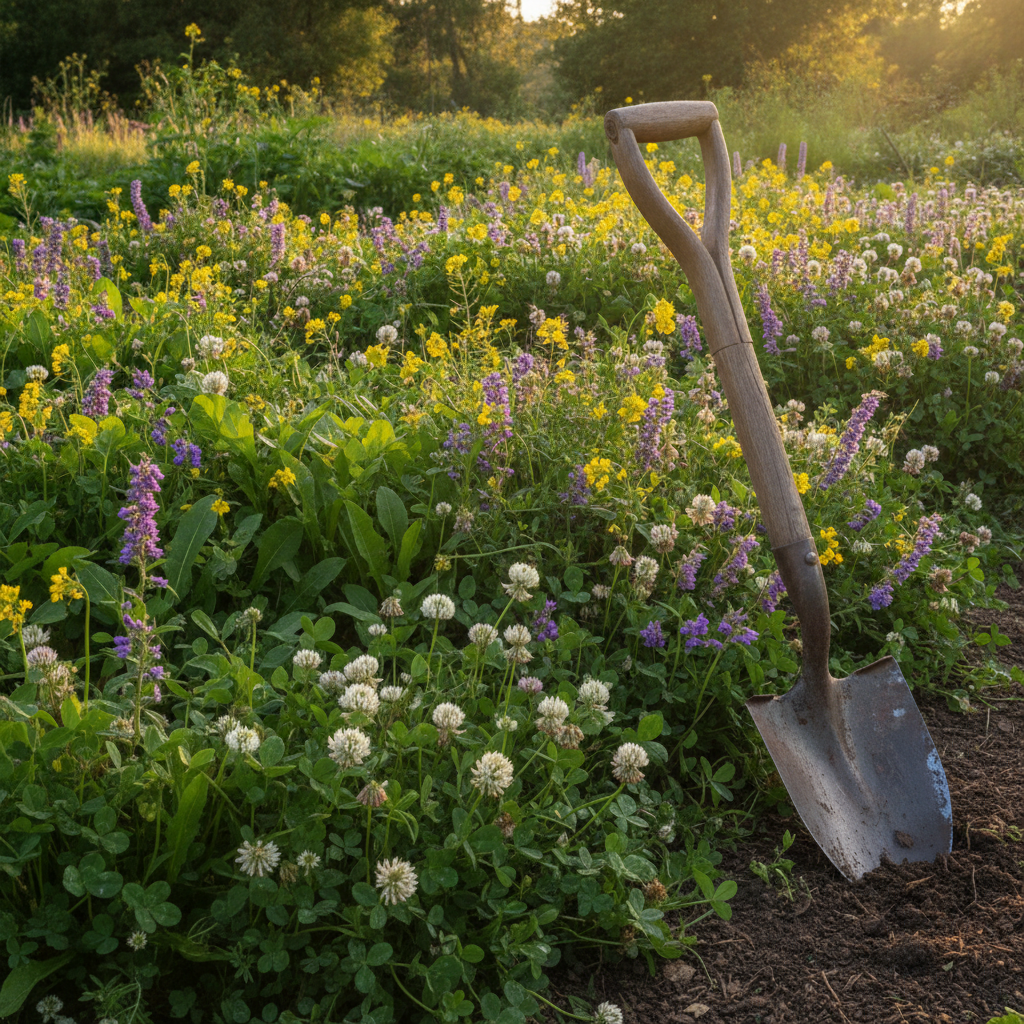
Long before synthetic nitrogen came in a plastic bag, farmers already knew how to feed their soil. They grew green manure crops — specific plants raised not for eating, but for burying. Chop them down at just the right moment, dig them in, and the soil rewards you with a flush of fertility that most store-bought amendments simply can’t match. This forgotten rotation trick is one of the most powerful tools you’ve never used. And the good news? You can start this season.

What Are Green Manure Crops, Exactly?

A green manure crop is any fast-growing plant you deliberately grow and then incorporate into the soil while it’s still fresh and green. The goal isn’t harvest. The goal is biology.

When you dig in a green, nitrogen-rich plant, soil microbes get to work immediately. They break down the organic matter, releasing nutrients in a slow, steady form that your future vegetables can actually use. It’s composting in place — no bin, no turning, no hauling bags.

This is fundamentally different from spreading dried amendments. Fresh plant material feeds the living ecosystem beneath your feet. It improves structure, boosts microbial activity, and builds long-term soil health in ways that a sprinkle of granular fertilizer never can.

If you’ve been wondering why your soil feels tired despite regular feeding, learning to read your soil and understand what it’s actually missing is the first step — and green manures are often the answer.

The Best Green Manure Crops for Home Gardens

Not every plant makes an equally effective green manure. The best choices are fast-growing, biomass-heavy, and — ideally — nitrogen-fixing. Here’s what to reach for first.

Legumes: The Nitrogen Factories

Legumes are the gold standard of green manure crops. They form a partnership with soil bacteria called rhizobia, which pull nitrogen directly from the air and fix it into the soil. When you bury a legume crop, all that banked nitrogen becomes available to your next planting.

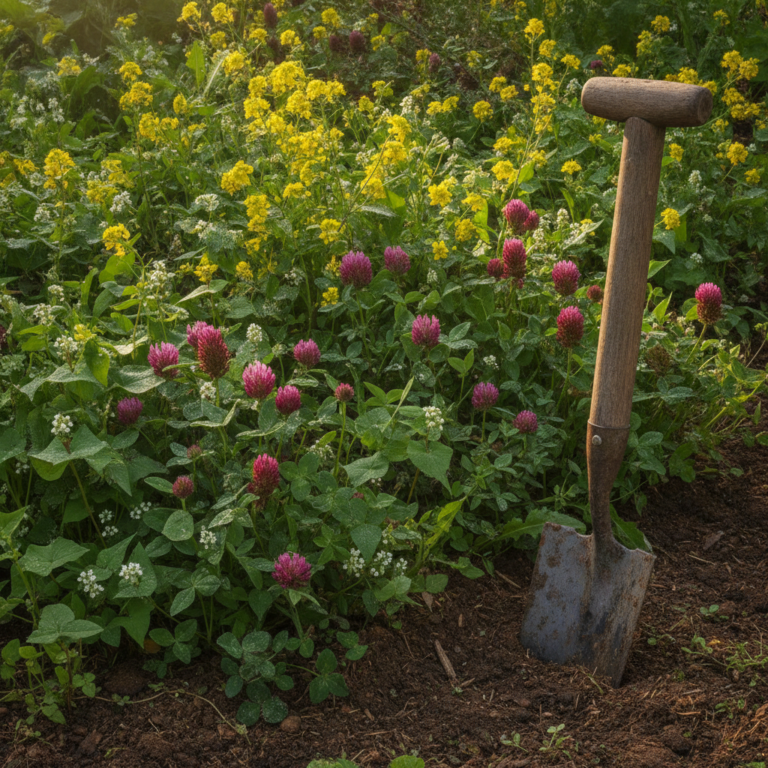
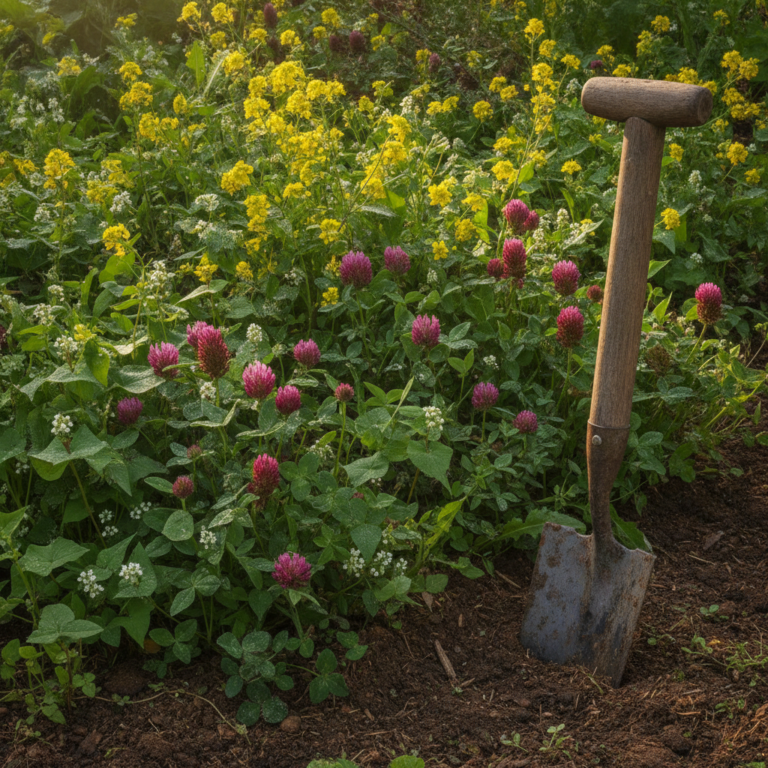
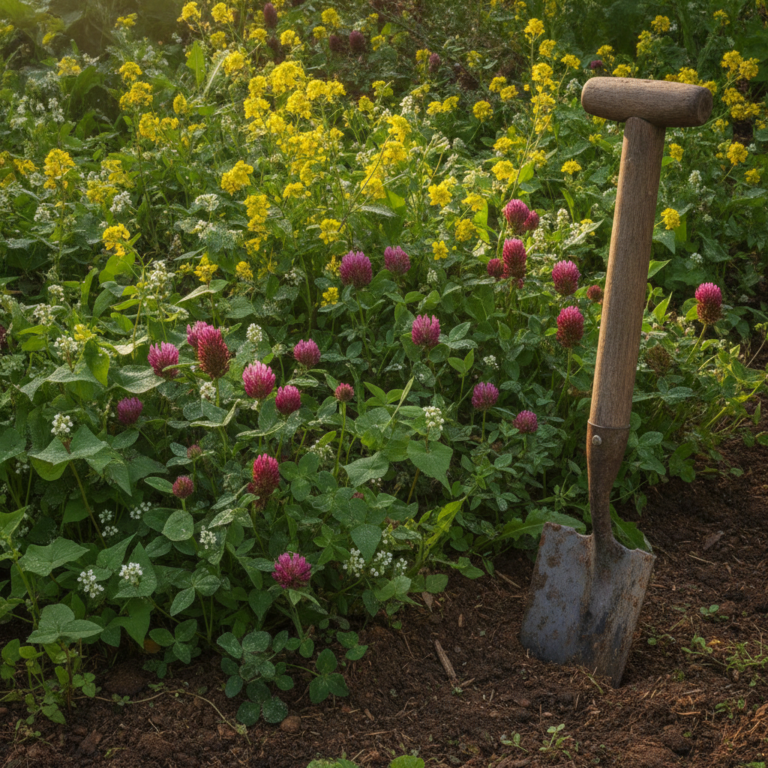
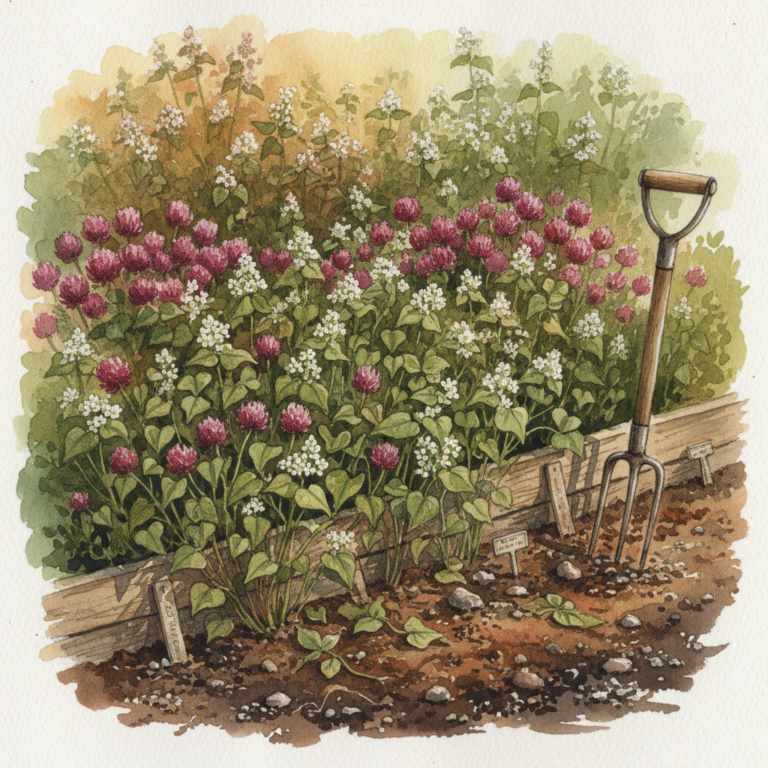
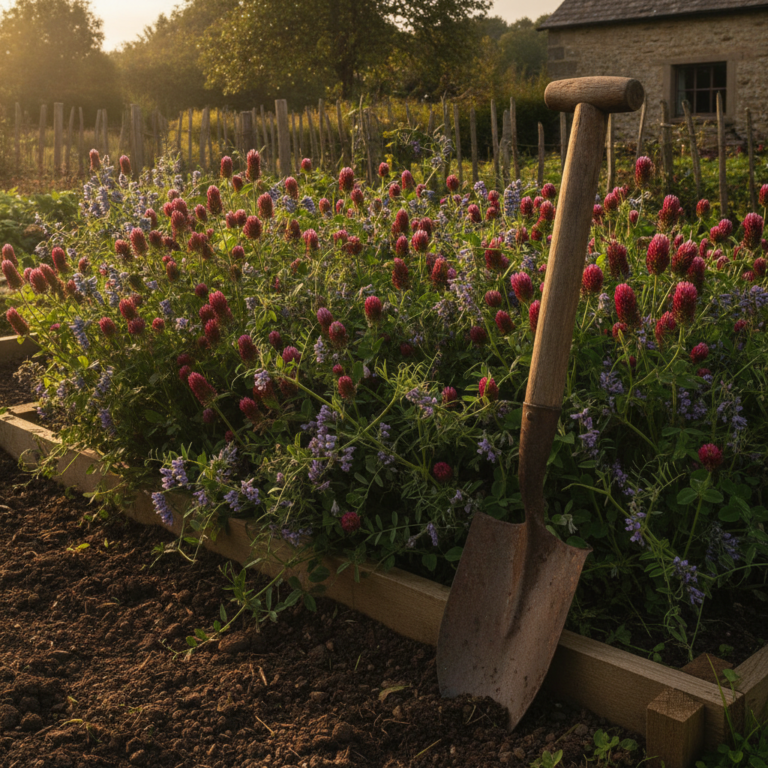
  • Crimson clover — Reliable, beautiful, and fixes up to 150 lbs of nitrogen per acre. Great for spring and fall.
  • Hairy vetch — One of the most nitrogen-rich cover crops available. Cold-hardy and fast-growing.
  • Field peas — Quick to establish in cool weather. Excellent before a heavy-feeding crop like corn or brassicas.
  • Fava beans — Winter-hardy in mild climates. Enormous biomass and deep roots that break up compacted soil.

Non-Legumes: Biomass and Structure Builders

Not all green manures fix nitrogen, but they still do important work. These crops add organic matter, suppress weeds, and improve soil texture when dug under.

  • Mustard — Biofumigant properties help suppress soil-borne diseases. Fast and vigorous.
  • Buckwheat — A summer favorite. Loosens compacted ground, smothers weeds, and breaks down quickly after incorporation.
  • Phacelia — Often called the gardener’s green manure. Flowers attract pollinators, and it breaks down fast in the soil.
  • Winter rye — Excellent for late fall planting. The extensive root system holds soil over winter and adds significant carbon when cut in spring.

Mixing a legume with a non-legume — say, hairy vetch with winter rye — gives you both nitrogen and carbon-rich organic matter. This balance feeds your soil microbes more completely than either crop alone.

How to Time the Cut-and-Dig for Maximum Nitrogen Release

Timing is everything with green manure crops. Dig too early and you lose biomass. Dig too late and the plant becomes woody, breaking down too slowly to benefit your next crop.

The sweet spot is early flowering — just as the first blooms open, but before seeds set. At this stage, the plant is at its peak nitrogen content, its tissues are still soft, and it will decompose rapidly once buried.

Here’s a simple rule: cut and dig when you can still easily snap a stem by hand. Once stems become fibrous and hard, you’ve passed the ideal window.

Step-by-Step Incorporation Method

  1. Chop first. Use a sharp spade, scythe, or even a string trimmer to cut the crop to a few inches above ground level. Don’t leave large clumps intact — smaller pieces break down faster.
  2. Let it wilt for 24–48 hours. This slows the initial microbial surge and makes digging easier.
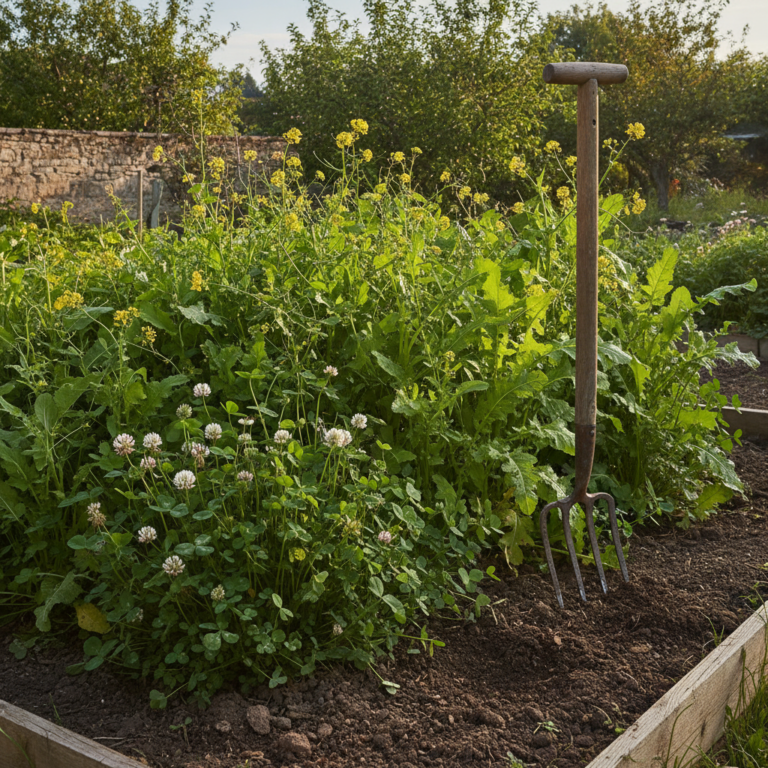
  3. Dig it in 6–8 inches deep. You want the material below the active root zone of your next crop. A broad fork or spade works well.
  4. Wait 2–4 weeks before planting. Decomposition releases compounds that can inhibit seed germination if you plant too soon. Patience here pays off.

This waiting period is especially important with high-carbon crops like winter rye. For quick-decomposing crops like phacelia or buckwheat, two weeks is usually sufficient.

If you’re working this practice into a broader garden plan, the 30-Day Microclimate-Aware Planting Plan can help you slot green manure rotations into your schedule without losing growing time.

Why Green Manures Outperform Most Store-Bought Soil Conditioners

Let’s be honest about what bagged amendments actually do. They deliver a nutrient hit, but they don’t rebuild the living architecture of your soil. Green manure crops do something fundamentally different.

When you bury fresh plant material, you’re feeding fungi, bacteria, earthworms, and the entire food web that makes soil productive over time. You’re adding organic matter that improves drainage in clay and water retention in sand. You’re building soil structure — the crumbly, dark, sweet-smelling tilth that old-time farmers called “good heart.”

Studies consistently show that soils managed with cover crops and green manures outperform conventionally fertilized soils over multi-year periods. The improvements compound. Each rotation leaves the soil a little better than the last.

For gardeners new to thinking about soil as a living system, diagnosing your soil’s current condition before you start your first green manure rotation will help you choose the right crop for your specific situation.

A Practical Green Manure Planting Calendar

Here’s a season-by-season guide you can start using this year. Adapt timing by 2–3 weeks based on your climate zone.

Early Spring (March–April)

Sow field peas or crimson clover as soon as the ground can be worked. These tolerate light frost and establish quickly. Dig under in late spring, 4–6 weeks before planting warm-season crops like tomatoes or squash.

Late Spring to Early Summer (May–June)

Sow buckwheat or phacelia in beds that won’t be planted until midsummer. Buckwheat grows to flowering in just 4–6 weeks. Cut and dig, wait two weeks, then plant your fall brassica starts or second-season salad greens.

Late Summer (July–August)

After harvesting early crops, sow mustard or a vetch-rye mix. Mustard’s biofumigant action is especially useful in beds that had disease problems. Dig under in September before planting garlic or overwintering onions.

Fall (September–October)

Sow hairy vetch, winter rye, or fava beans in any bed going fallow over winter. These will establish roots before frost, protect soil from erosion, and be ready to cut and dig in early spring — just as the season begins again.

If you’re building a more complete seasonal system, pairing this calendar with ideas from the Perennial Playbook for low-input gardens creates a self-sustaining growing space that improves year after year.

Getting Started: Your First Green Manure Rotation

You don’t need to overhaul your entire garden to try this. Pick one empty bed this season. Sow a packet of crimson clover or buckwheat. Watch it grow, dig it under at flowering, and plant into that bed two weeks later.

Compare that bed’s performance to the rest of your garden. The difference — in plant vigor, soil texture, and yield — will be enough to make this a permanent part of how you garden.

Green manure crops aren’t a complicated technique. They’re a mindset shift: from feeding plants to feeding soil. Once you make that shift, you’ll never look at an empty garden bed the same way again.

Your grandparents didn’t need a chemistry degree to grow abundant food. They just knew what to plant, when to bury it, and how to let the earth do the work. That wisdom is still valid — and it’s yours to reclaim this season.
Similar Posts

|

Green Manure Crops: The Plow-Under Secret

Long before synthetic nitrogen came in a bag, farmers fed their fields the old way. They grew specific plants, cut them down at just the right moment, and turned them straight back into the earth. These were green manure crops — living soil amendments that cost almost nothing and gave back more than most bottles on a store shelf ever could. If you’ve been spending money on soil conditioners and still feeling underwhelmed, this forgotten technique might be exactly what your garden is missing.

What Are Green Manure Crops, Exactly?

A green manure crop is any plant grown specifically to be chopped and buried — not harvested for food, not composted in a pile, but turned directly into the soil while still green and alive. The idea is simple: growing plants capture energy from sunlight and pull nutrients from the air and subsoil. When you bury them before they mature, all that captured goodness decomposes right where your future vegetables will grow.

This is fundamentally different from composting. With compost, nutrients travel from heap to bed and lose potency along the way. With green manure, you skip the middleman entirely. The organic matter breaks down in place, feeds soil microbes immediately, and improves both soil structure and fertility at the same time.

Farmers used this trick for thousands of years. Roman writers described burying lupins. Chinese agriculturalists rotated rice paddies with nitrogen-fixing legumes. Your great-grandparents almost certainly grew a “fallow crop” that they plowed under before planting corn or potatoes. Modern chemical farming buried this knowledge alongside the plants. But it’s time to dig it back up.

The Best Green Manure Crops for Home Gardeners

Not all plants make equally effective green manures. The best ones either fix atmospheric nitrogen through root nodules, produce enormous amounts of bulk organic matter, or do both. Here are the top performers worth knowing.

Legumes: The Nitrogen Powerhouses

Crimson clover is the workhorse of home-scale green manuring. It germinates quickly, survives mild frosts, and fixes 80–150 pounds of nitrogen per acre. For a garden bed, that translates to a meaningful nitrogen boost at zero cost. Sow it in late summer after a crop clears, let it grow through autumn, and turn it under in early spring.

Hairy vetch is cold-hardier than clover and fixes even more nitrogen — sometimes up to 200 pounds per acre. It sprawls and climbs, which makes it messy but also incredibly productive. It’s one of the best choices for a late-autumn sowing that overwinters and gets turned under in spring. Pair it with winter rye and you get both nitrogen and carbon in one pass.

Field peas (also called Austrian winter peas) work beautifully in spring or autumn. They grow fast, produce a dense root mass, and break down quickly after incorporation. If you want nitrogen available for a summer crop, field peas turned under in May are hard to beat.

Brassicas: The Biofumigants

Mustard is a remarkable green manure crop that does double duty. It produces heavy biomass, but its roots and tissues also release glucosinolates — natural compounds that suppress soil-borne diseases and some root nematodes. Turn it under at flower bud stage, before the flowers fully open, and cover the bed with a tarp for two weeks to trap the biofumigant gases in the soil. This is an old trick that outperforms many chemical soil treatments.

Phacelia isn’t a brassica, but it deserves mention here. This fast-growing, purple-flowered plant produces dense, fine-textured biomass that breaks down quickly. Bees love it before you cut it, and your soil will love it afterward. It works in almost any season and is especially useful in spring as a quick gap-filler between crops.

Grasses: The Organic Matter Builders

Winter rye (cereal rye, not ryegrass) is the undisputed champion for building organic matter and improving soil structure. It grows through cold weather when nothing else will, develops a massive root system that breaks up compacted soil, and produces enormous amounts of carbon-rich biomass. It doesn’t fix nitrogen, so pair it with a legume for a balanced mix. Turn it under at or just before heading out — once it goes to seed, the stalks get woody and decompose slowly.

Timing the Cut: The Secret No One Talks About

Here’s where most gardeners go wrong. They either turn the crop under too early, before it’s built up meaningful biomass, or too late, after the stems have toughened and the nitrogen has already moved to the seeds. The sweet spot is the flowering stage — just as buds appear and before the first flowers fully open.

At this moment, the plant has invested everything into soft, nitrogen-rich tissue. The carbon-to-nitrogen ratio is at its most favorable. Soil microbes can break it down rapidly, releasing plant-available nutrients within two to four weeks. Turn it under too late — after seed set — and you’re mostly adding carbon. That’s not bad, but it’s not what you were aiming for.

After incorporation, wait at least two to three weeks before planting. Freshly turned green matter temporarily ties up soil nitrogen as it decomposes. Planting too soon into a freshly turned bed can actually stunt seedlings. Patience pays here. If you’re working against the clock, chop the material finely before incorporating. Smaller pieces decompose much faster.

If you want to dig deeper into reading your soil before and after a green manure rotation, this guide on reading your dirt and fixing it fast is a great companion read — it helps you see whether your green manure is actually working.

A Practical Green Manure Planting Calendar

The beauty of green manure crops is that they slot into gaps your food garden leaves behind. Every time a bed clears, it’s an opportunity. Here’s a simple seasonal guide you can adapt to your climate.

Early Spring (March–April)

Sow field peas or phacelia as soon as the soil can be worked. These fast growers will be ready to turn under in 6–8 weeks, just in time for summer planting. This is ideal for beds where you’re planning tomatoes, squash, or peppers.

Late Summer (August–September)

After harvesting early potatoes, garlic, or brassicas, sow crimson clover or a clover-and-vetch mix. Let it establish through autumn. In mild climates, it will overwinter. In cold zones, even a frost-killed stand provides a mulch layer and some organic matter when turned under in spring.

Autumn (September–October)

This is prime time for hairy vetch and winter rye — alone or combined. Sow them together for a nitrogen-and-carbon powerhouse that protects bare soil all winter, feeds earthworms, and is ready to turn under in April or May. This combination is one of the most effective soil-building strategies available to home gardeners.

Summer Gaps (June–July)

If a bed sits empty for six or more weeks in summer, don’t leave it bare. Buckwheat is a brilliant warm-season green manure that grows fast, smothers weeds, and breaks down within days of incorporation. It won’t fix nitrogen, but the organic matter and weed suppression alone make it worthwhile. Sow, grow for 4–6 weeks, cut before seed set, and turn under.

Planning your garden calendar around these windows takes practice. If you’re building your overall garden planning skills, the 30-day microclimate-aware planting plan can help you slot green manures into your rotation in a way that works with your specific growing conditions.

Why This Outperforms Most Store-Bought Soil Amendments

Bagged fertilizers deliver nutrients in a rush. Green manure crops deliver nutrients slowly, steadily, and in a form that feeds the whole soil ecosystem — not just the plant. You’re not just adding nitrogen. You’re adding organic matter that improves water retention. You’re feeding billions of soil microbes. You’re growing a living root system that breaks up compaction and channels water deep into the soil profile.

Mycorrhizal fungi, earthworms, and beneficial bacteria all thrive when green organic matter is regularly incorporated. Over two or three seasons of consistent green manuring, your soil tilth will improve dramatically. Beds that once baked hard in summer will stay crumbly and dark. This is the compounding interest of old-fashioned soil stewardship.

It’s also essentially free. A packet of crimson clover seed costs a dollar or two and covers a generous bed. Compare that to a bag of granular fertilizer that delivers a fraction of the biological benefit at ten times the cost.

If you’re just getting started with natural growing methods, the 4-week beginner garden plan is a gentle entry point that can help you build these habits from the ground up — green manures included.

Getting Started This Season

You don’t need to overhaul your entire garden to try this. Start with one bed. Clear it after your current crop finishes. Scatter a handful of seeds — clover, vetch, mustard, or phacelia — water them in, and step back. Let the plants do their work for six to eight weeks. Then, just before they flower fully, cut them down, chop them with a spade, and fork them into the top six inches of soil.

Mark the date. Wait three weeks. Then plant into some of the best soil your garden has ever had.

That’s the plow-under secret. It was never really a secret — it’s just knowledge we stopped passing down. But it still works exactly the way it always did, and your soil is ready to prove it.

Similar Posts