Soil Sense Without the Lab: Read Your Dirt, Fix It Fast
Spring soil diagnostics: read your dirt for a healthier garden
Spring is the best time to understand your soil and plan quick fixes that improve fertility and drainage—without a lab. Use these practical checks to read your dirt at home, then apply fast amendments for a thriving garden this season.
What healthy soil looks like: texture, color, and structure
Healthy soil feels crumbly and earthy, has a rich color from organic matter, and forms stable aggregates that drain well while holding moisture. Signs to look for include:
- Crumbly, clumping texture that breaks apart easily when squeezed
- Dark brown to black color indicating organic matter
- Visible soil structure with small aggregates and good pore spaces
- Active life such as earthworms or other soil critters
Quick, DIY soil checks you can do today
These simple tests help you read texture, drainage, and moisture without sending samples to a lab.
Texture and drainage test steps
- Ribbon test: Moisten a handful of soil and press between your thumb and forefinger to form a ribbon. Longer ribbons indicate finer texture and more clay; break the ribbon if it cracks within a few inches.
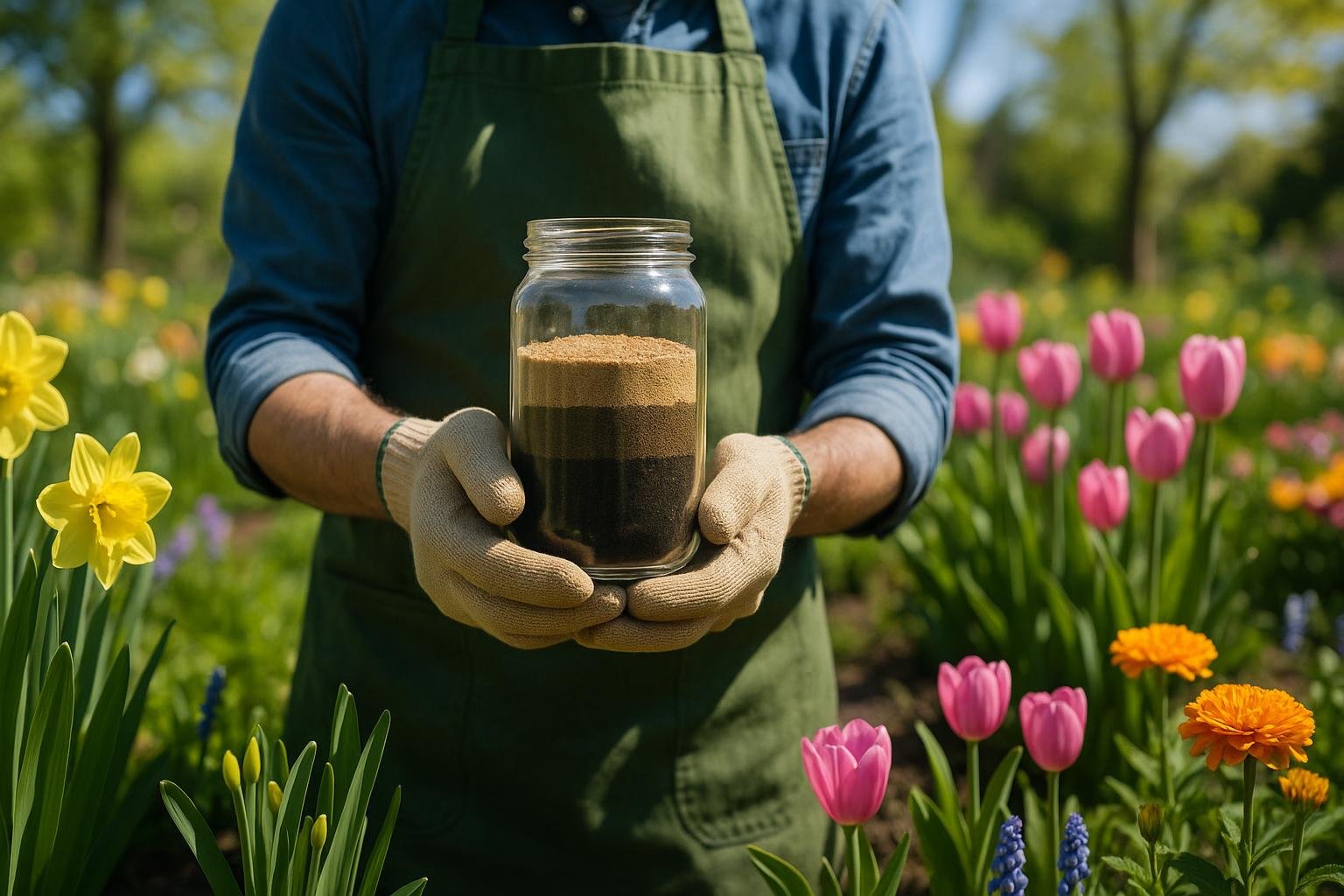
- Jar texture test: Place a soil sample in a clear jar with water, shake, and let it settle. Observe the relative layers of sand, silt, and clay after 24 hours to estimate texture.
- Drainage quick check: Dig a small hole or shallow trench and observe water movement. Soils that drain slowly after rainfall or irrigation signal compaction or heavy clay.
Moisture and root zone clues
- Feel for moisture: soil should be moist to the touch but not soggy; if you can squeeze out a drop, it needs water but not a soak.
- Root zone cues: pale, compacted soil or crusting suggests compaction; healthy roots are more active in crumbly, friable soil.
- Observe life: earthworms and microbial activity indicate good structure and biology.
Interpreting what you find and fast fixes
How to fix compaction, drainage, pH, and nutrient gaps
- Compaction: aerate with a garden fork or use no-dig methods, add organic matter such as compost, and consider mulch and cover crops to keep biology thriving.
- Drainage: improve structure with organic matter, create raised beds for poorly drained sites, and ensure grading moves water away from roots.
- pH and nutrient gaps: test pH and adjust with lime to raise or sulfur to lower as recommended by a soil test. Amend nutrient gaps with compost, balanced slow-release fertilizer, or targeted micronutrients if a deficiency is observed.
A simple 4-week spring plan to prep soil
Use this straightforward plan to turn soil issues into garden-ready ground over four weeks. Focus on testing, amending, and readiness for seeds and transplants.
Week-by-week tasks: test, amend, seed readiness
- Week 1 — Test and observe: do texture, drainage, moisture checks and note any pH or nutrient gaps. Gather amendment supplies as needed.
- Week 2 — Add organic matter: incorporate compost or leaf mold, mulch to protect moisture and feed soil biology.
- Week 3 — Improve structure: lightly aerate or adopt no-dig methods, plant a cover crop or feed with balanced compost; ensure beds have good drainage.
- Week 4 — Seed readiness: rake beds to a fine tilth, recheck moisture and pH if needed, and prepare for planting with starter amendments if advised by soil test.