The Garden Skill Ladder: An 8-Week Path from First Seed to Confident Planner
Winter-Season Garden Skill Ladder: An 8-Week Plan from First Seed to Confident Planner
This winter-focused, 8-week plan helps beginners grow into confident planners by pairing weekly milestones with practical how-tos, templates, and seasonal tips for planning, seed starting indoors, and soil prep. It’s designed for Northern Hemisphere gardeners seeking a repeatable framework for spring and beyond.
Week 1 — Groundwork and Goal Setting
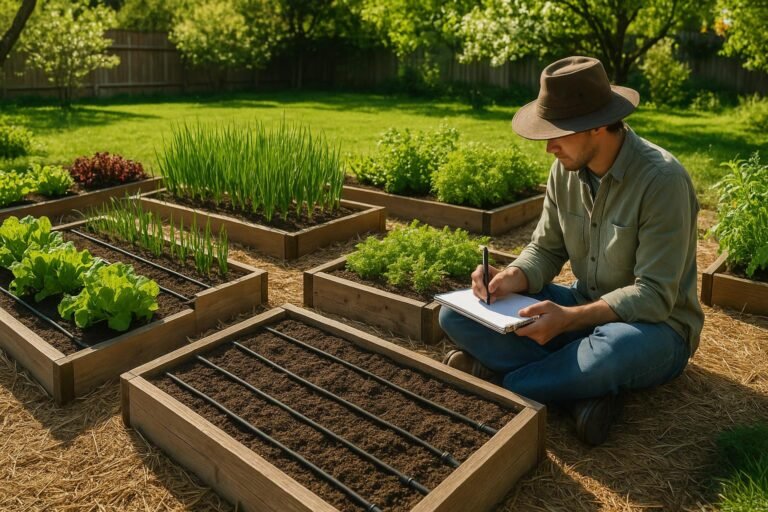
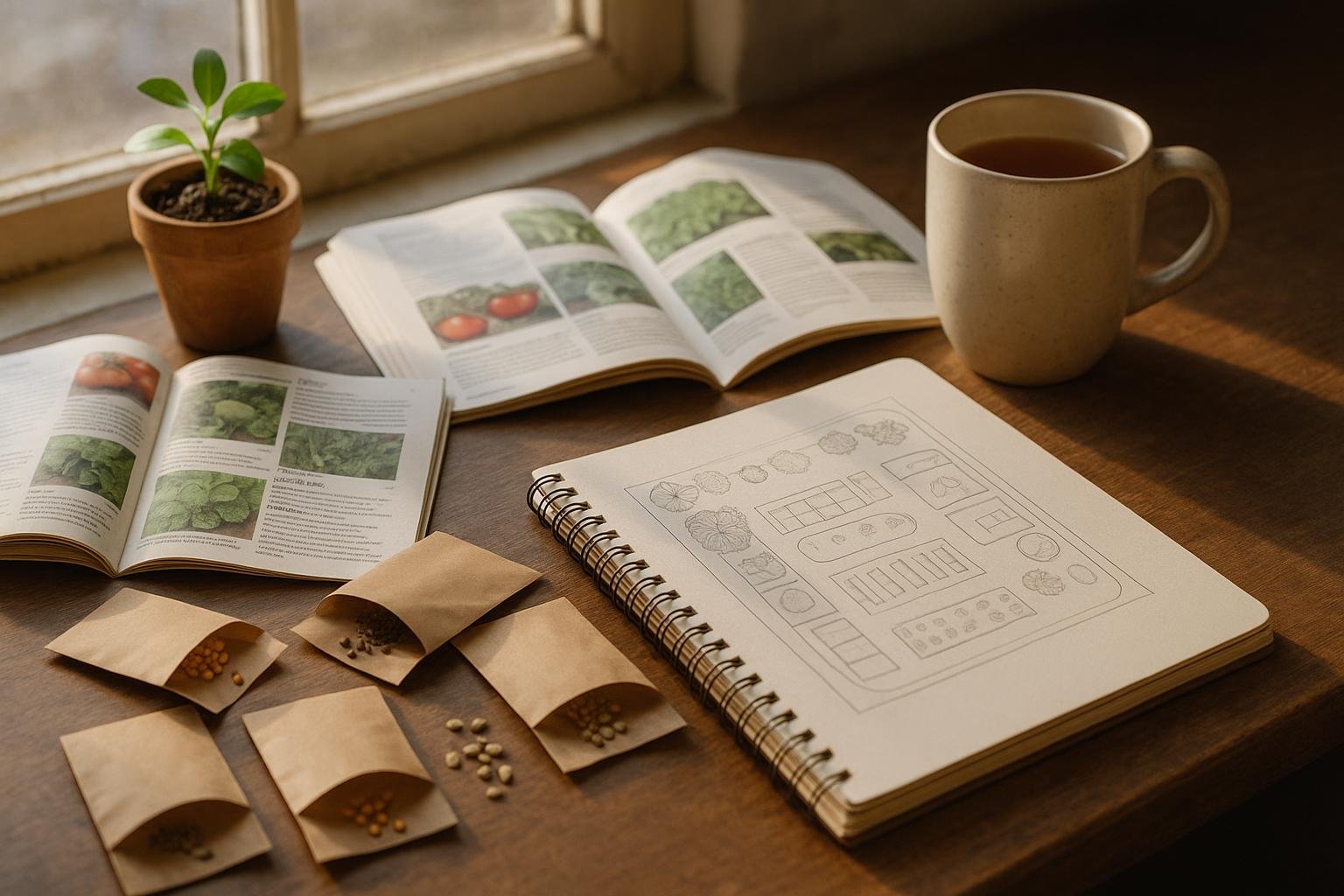
Lay a solid foundation during the quiet winter days. A clear plan reduces guesswork when you sprint into spring. Start by noting your hard frost date and your typical last spring frost. Sketch your space, including containers, raised beds, and sheltered microclimates. Set 3 achievable goals that align with your space, budget, and time.
- Define your spring outcomes: what you want to harvest, and when.
- Map your space on a simple plan, including sun exposure notes.
- List constraints (budgets, tools, access) and a basic irrigation idea.
- Choose a starting seed list aligned with your climate window.
Pro tip: create a one-page Winter Planner using templates from Weeks 1–8. This first draft demonstrates your garden skill ladder in action.
Transition: This week sets the stage for building soil health in Week 2.
Week 2 — Soil Health and Bed Prep
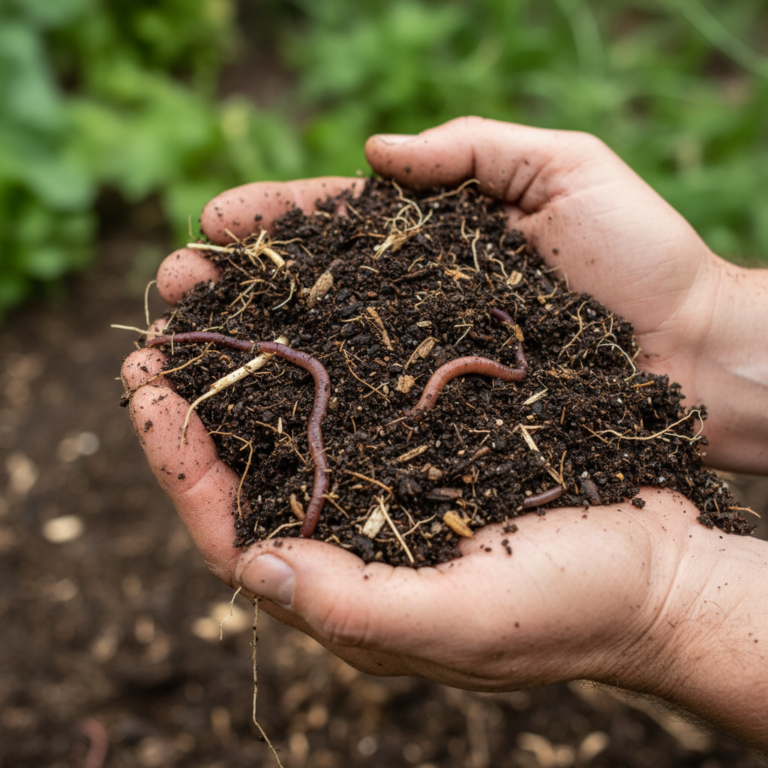
Healthy soil is the quiet engine of any garden. Focus on soil prep and nutrient foundations. Winter is ideal for testing beds, planning amendments, and establishing a composting routine for the season ahead. Assess soil texture, drainage, and organic matter. Decide on a basic amendment plan and a mulching strategy to protect soil life during cold months.
- Do a light soil check with a simple kit, or observe for compaction and drainage.
- Record amendments: compost, well-rotted manure, rock dust, and pH tweaks if needed.
- Outline a mulch plan for outdoor beds and a late-winter/early-spring cover crop idea if applicable.
- Create a Soil Amendment Log to track what you apply and when.
Template idea: keep a short Soil Health Journal and a Seed-to-Soil plan to strengthen your ladder with repeatable steps.
Transition: With soil ready, Week 3 helps you select the right seeds for your climate.
Week 3 — Seed Catalogs and Variety Selection
Now that the soil groundwork is established, review seed catalogs with your climate in mind. Choose varieties that perform well in cold-start conditions and short growing seasons. Day length and frost tolerance matter as you map your early harvest window. Build a seed list that prioritizes reliability for your first year in the ladder.
- Match days-to-maturity to your expected frost-free period.
- Select varieties with good germination in cooler soils and steady yields.
- Note companion relationships and soil preferences for easy planning.
- Create a Seed Inventory Template to track what you have, what you’ve saved, and what you’ll buy.
Tip: use a simple calendar to mark sow dates, indoor start windows, and outdoor transplant targets. This keeps your plan aligned with winter planning rhythm.
Transition: Seed selection leads into Week 4, where you start seeds indoors.
Week 4 — Starting Seeds Indoors
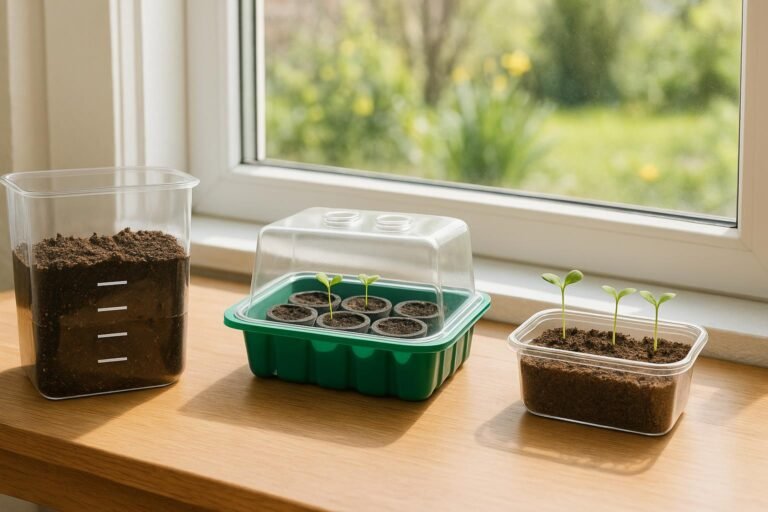
With your choices in hand, Week 4 focuses on practical indoor-start skills. A reliable setup, even a minimal one, turns a novice into a steady gardener. Prioritize light, moisture, and spacing to give each seedling the best start. This week builds confidence to move seedlings from windowsills to the edge of your outdoor beds when temperatures permit.
- Choose containers, a simple seed-start mix, and a gentle watering routine.
- Set up a basic lighting plan (even a sunny south-facing shelf can work without grow lights).
- Create a transplant schedule that aligns with the last expected frost.
- Document germination success and learn from misses using a Seedling Log.
Templates to consider: a Seed Starting Calendar and a Nursery Progress Tracker to turn planning into action.
Transition: Now you’re ready to scale up in Week 5 with more seeds.
Week 5 — Seed Starting at a Small Scale
Week 5 builds consistency. Start seeds for a few fast-growing crops or succession crops to validate your indoor process before broader scaling. Practice thinning, tip pruning, and careful watering to avoid overwatering—a common beginner pitfall. Small, timely successes fuel momentum.
- Focus on 2–3 crops for early-season starts (lettuce, brassicas, herbs, or peppers if your area allows).
- Practice gentle thinning to give each seedling room to grow and improve future yields.
- Refine your watering schedule to keep seedlings evenly moist without saturating roots.
- Update your Seedling Performance notes to learn what works best in your space.
Tip: a weekly seedling check-in—note height, leaf color, and signs of stress—becomes a core habit of your ladder.
Transition: Week 6 shifts focus to outdoor site readiness.
Week 6 — Outdoor Site Readiness
Outdoor preparation takes center stage as indoor work starts paying off. Clean debris, stage compost, and lay mulch or protective covers. Consider cold frames or row covers if available. The goal is to reduce late-winter risk and smooth early spring work.
- Clean and sharpen tools to prevent disease and boost efficiency.
- Finish compost layering and mulching to suppress weeds and stabilize soil temperature.
- Optional: install low tunnels, cold frames, or row covers for frost protection.
- Create an Outdoor Prep Log to track bed readiness and protective measures.
Seasonal tip: plan irrigation access and avoid over-watering early in the season when soils are cold and slow to drain.
Transition: With protection plans in place, Week 7 focuses on spring-ready workflows.
Week 7 — Planning for Spring Success
With space, soil, and seedlings in place, Week 7 translates progress into a reliable spring plan. Solidify rotation, establish a succession calendar, and fortify pest prevention routines. A thoughtful layout reduces waste, strengthens plant health, and sustains steady harvests. You’re assembling a coherent, repeatable process for your garden.
- Develop a crop rotation plan to preserve soil health and reduce disease risk.
- Map succession planting slots to efficiently replace spent crops.
- Outline a protection plan against common winter-to-spring pests.
- Set up an irrigation and harvest calendar for spring and early summer.
Templates to consider: Crop Rotation Planner and Succession Planting Schedule to move from scattered plans to a repeatable system.
Transition: you’re almost ready to turn plans into a seasonal plan in Week 8.
Week 8 — Turn Plans into a Seasonal Plan
The final week consolidates your eight-week journey into a practical, season-long plan you can repeat year after year. Combine your soil notes, seed inventory, bed layouts, and planting calendars into a single Seasonal Plan you can print and reuse.
- Consolidate frost date, bed map, seed list, and calendar into a master document.
- Create a printable Seasonal Planner with sections for goals, tasks, and harvests.
- Prepare a quick-start guide for next winter: what to do first, what to recheck, and what to update.
- Reflect on lessons learned and celebrate your progress as a novice turning into a confident planner.
Closing note: this 8-week Winter-Season Garden Skill Ladder is a repeatable framework for Northern Hemisphere gardeners. By documenting decisions, maintaining simple templates, and following the weekly milestones, you grow from your first seed to a confident, season-long planner who can forecast, adapt, and harvest with intent.