Microforest in Small Spaces: A Step-by-Step Plan for Edible, Biodiverse Gardens
What is an edible microforest and why it works in small spaces
What is an edible microforest?
A microforest is a deliberately designed, multilayer planting that mimics the structure of a natural forest on a much smaller scale. In an edible version, every layer contributes something you can harvest: fruits, nuts, greens, herbs, and roots. A well-planned edible microforest in small spaces uses canopy trees, understory shrubs, herbs, groundcovers, and climbers to create a resilient, productive ecosystem. It isn’t a random jumble of plants; it’s a purposeful mosaic that supports pollinators, soil life, and wildlife while delivering consistent harvests.
Why it works in small spaces
Small spaces benefit from vertical layering, not horizontal swaths. By stacking layers, you get more growing surface in the same footprint and fewer bare soil patches that dry out or erode. A properly arranged microforest creates shade for tender plants, conserves moisture, and supports beneficial insects that manage pests naturally. The design emphasizes perennial crops that yield year after year, reducing the need for constant replanting. In short, an edible microforest in small spaces turns balconies, containers, or tiny yards into a living pantry and a mini-forest ecosystem at once.
Assessing your site
Before you plant, map and measure the space you have. A thoughtful site assessment helps you choose plants that will thrive and form a stable, layered canopy.
- Sun exposure: note full sun versus partial shade across the day and throughout the seasons.
- Water access: identify convenient spots for irrigation or rainwater collection.
- Drainage: check whether the area drains quickly or tends to stay damp; avoid pools of standing water under pots.
- Wind and microclimate: walls, fences, and balconies create microclimates that can warm or cool your microforest.
- Space for layers: estimate a rough footprint for trees, shrubs, climbers, and ground covers so layers don’t crowd each other.
Document your findings with a simple sketch and notes. This site-aware approach helps you select plants that maximize yield while staying happy in a container or bed.
Choosing your plants
Designing a layered, edible ecosystem in a small space means selecting plants that fit the dimensions while delivering consistent harvests. Think in terms of the forest layers and how each layer can contribute.
- Canopy layer: look for dwarf fruit trees, compact nut bushes, or multi-grafted specimens that stay within your height limit.
- Understory: choose berry bushes and small fruiting shrubs that tolerate your sun pattern and root depth.
- Herb and shrub understory: perennial herbs and edible flowers add flavor, fragrance, and habitat for pollinators.
- Ground cover and climbers: low-growing greens, strawberries, creeping herbs, and climbers that can scale trellises or walls maximize soil coverage.
- Annuals and succession: a few well-chosen annual crops fill gaps between perennials, ensuring steady harvests without crowding.
- Compatibility: pair plants with complementary needs (sun, water, soil) to reduce competition and improve resilience.
Tip: prioritize natives or climate-adapted varieties when possible, and choose cultivars suited to containers or shallow-rooted setups. Aim for a balanced mix that yields across seasons rather than all-at-once harvests.
Building soil health
Healthy soil is the foundation of any edible ecosystem, especially in small spaces where roots compete in tighter confines and inputs are carefully managed.
- Soil preparation: start with a high-quality, well-draining mix for containers or raised beds. Avoid heavy clay that compacts in pots.
- Organic matter: add compost or well-rotted manure to boost microbial life and nutrient availability.
- Mulch and moisture: apply a layer of mulch to conserve moisture, stabilize soil temperature, and suppress weeds.
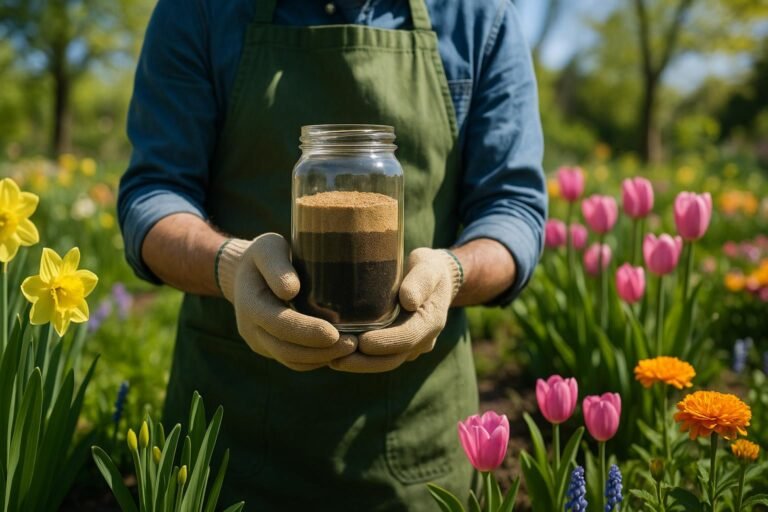
- Soil health testing: a quick pH and nutrient check helps you tailor amendments to your crop mix.
- Microbial allies: consider adding mycorrhizal fungi or compost tea to support root health and nutrient uptake.
- No-dig approach: minimize soil disturbance to protect existing soil biology, especially in a microforest that relies on healthy soil networks.
In containers, aim for a loose, well-aerated mix with good drainage. In small raised beds, layer organic matter on top and let soil life work through the winter to prepare for spring growth.
Step-by-step plan for a microforest in tiny spaces
Assess your site: sunlight, microclimates, and water
Before planting, map sun patterns, water access, and wind exposure. Note microclimates created by walls, fences, and balconies to position sun-loving vs. shade-tolerant layers.
Choose your layers and edible companions
Plan a canopy, understory, herb/flower, ground cover, climbers, and occasional annuals. Align each layer with your climate and container size to maximize edible yield year-round.
Soil, compost, and mulch for soil health
Start with a light, well-draining base mix; add compost or well-rotted manure; top with mulch to conserve moisture and suppress weeds.
Planting plan and spacing for a dense, biodiverse mix
Space plants to allow air movement and root growth; stagger planting for continual harvests; group natives or climate-adapted cultivars for resilience.
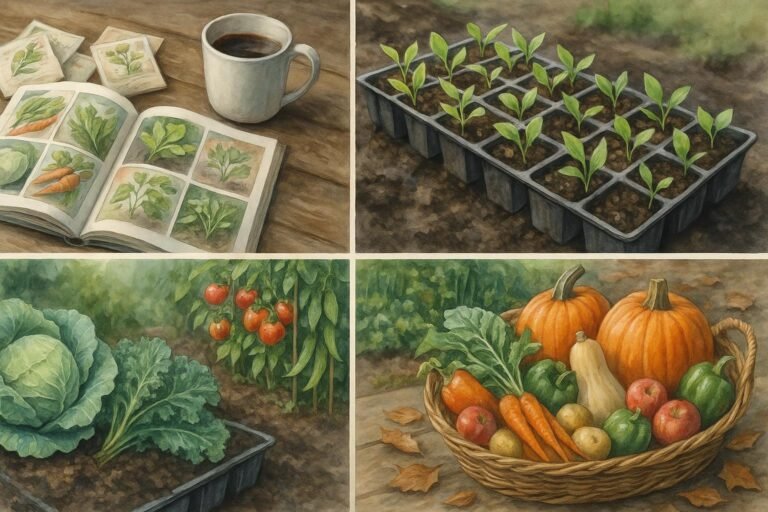
Seasonal calendar: Spring, Summer, Fall, Winter activities
Spring: planning, seed starting, and first plantings
Estimate canopy and understory goals; begin sowing fast-growing herbs and greens; set up supports and trellises.
Summer: irrigation, mulching, and pest management
Keep soil consistently moist; mulch to conserve moisture; monitor pests and encourage beneficials with diverse foliage.
Fall: harvesting, pruning, and planning for next year
Harvest ripe yields; prune to shape; plant perennials and garlic where appropriate; layer compost and mulch for winter.
Winter: soil protection and tool prep
Protect roots, plan rotations, and prep tools for spring maintenance.
Here is a compact example of a monthly cycle for a typical temperate balcony setup:
- January to February: refine your soil mix in pots; order or sow cold-hardy starters; plan plantings for the year.
- March to April: install trellises and support structures; transplant young trees and shrubs into their final containers.
- May to June: push for fruit set; monitor soil moisture and fertility; feed with compost tea as needed.
- July to August: harvest continuously; provide shade during peak heat; prune to manage size and airflow.
- September to October: introduce autumn greens; prepare for winter crops; mulch deeply to protect roots.
- November to December: review biodiversity goals; seed cover crops if space allows; plan for next year’s changes.
Tailor this seasonal calendar to your climate, but the rhythm remains: plant, protect, harvest, and renew soil health so the edible microforest in small spaces stays resilient all year long.
Container and balcony strategies
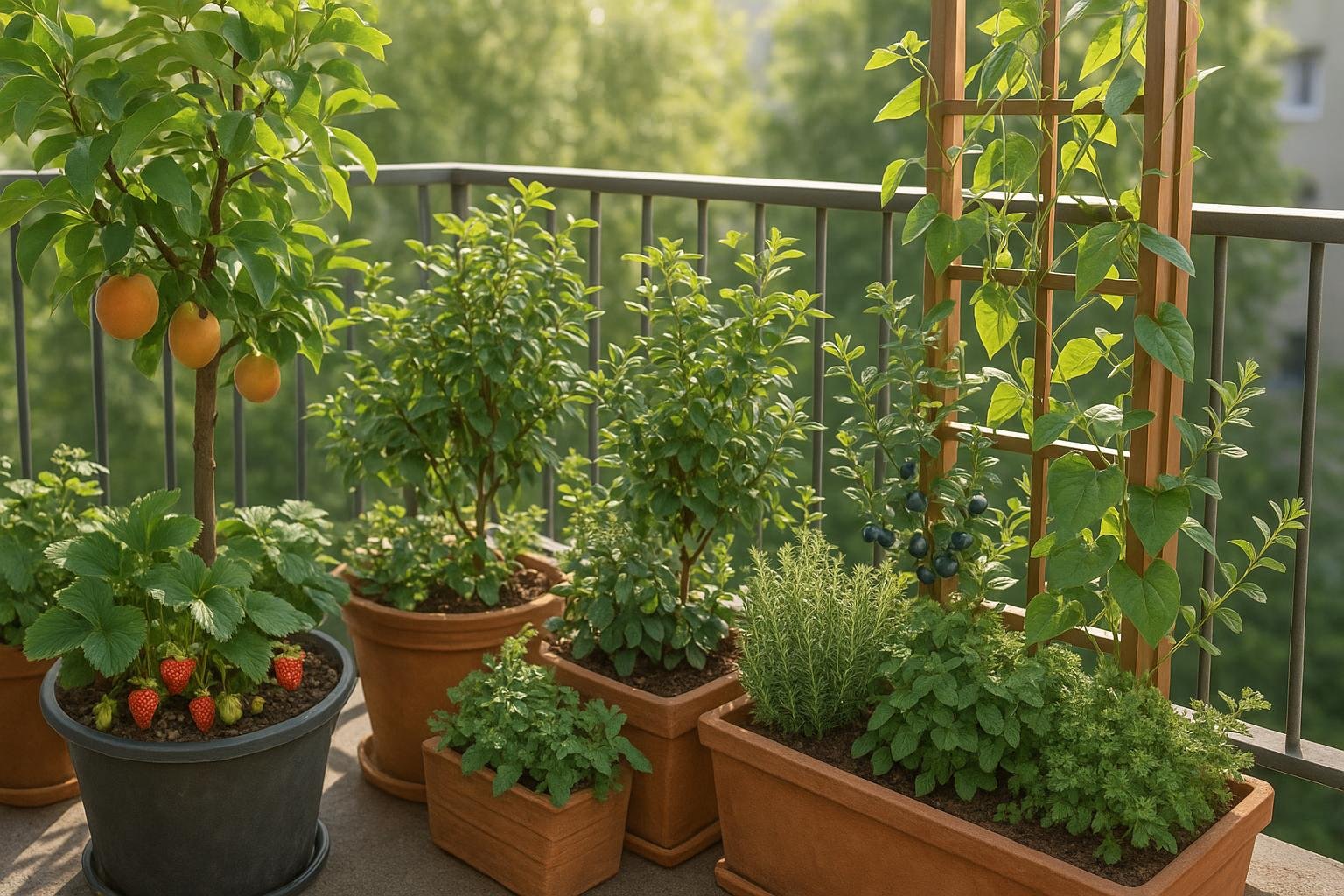
- Container choice: use deep pots for trees, mid-sized planters for shrubs, and shallower pots or ground covers for herbaceous layers. Ensure good drainage.
- Soil and mix: aim for a well-draining, nutrient-rich mix. For containers, blend potting soil with compost and a touch of perlite or coconut coir for drainage.
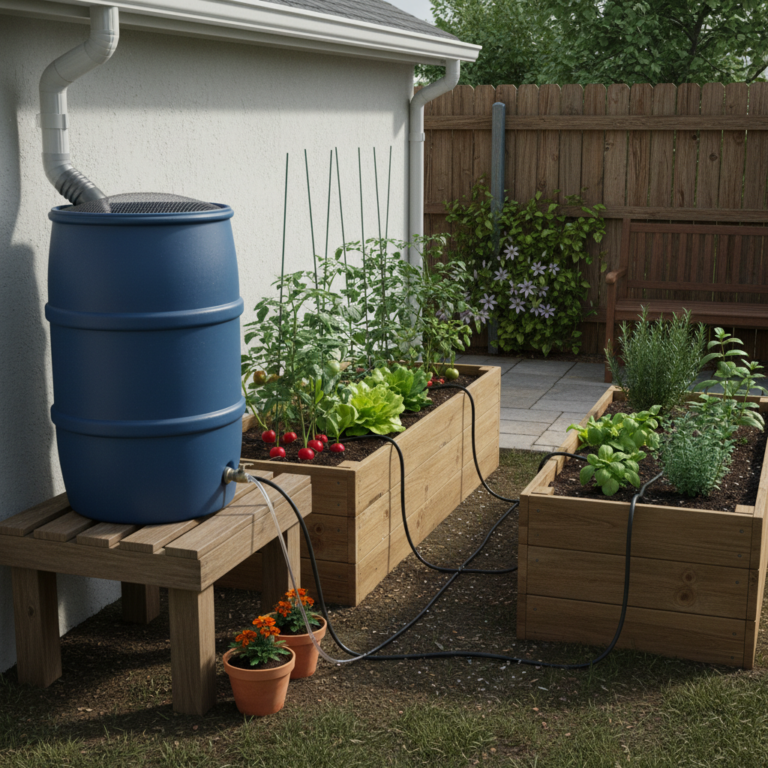
- Watering: install a simple drip or capillary system if possible, or water deeply when the top inch of soil dries.
- Trellises and supports: vertical space becomes a critical ally; use lightweight trellises for climbers and espaliered fruiting branches to save floor space.
- Microclimate tricks: place the tallest plants near sunny walls to reflect warmth; use windbreaks or sheltered corners to protect delicate layers.
- Space efficiency: rotate and re-pot as needed to maintain balance among layers and prevent crowding.
With the right containers and careful planning, you can cultivate a lush, edible microforest in small spaces that feels as if it belongs to a much larger garden.
Maintenance tips and troubleshooting
- Pruning: shape trees for light penetration and airflow, especially in dense balconies. Prune to encourage fruiting wood in appropriate species.
- Mulch refresh: replenish mulch to preserve soil moisture and suppress weeds between harvests.
- Pest management: promote diversity to deter pests; use natural predators, companion planting, and targeted organic controls only when needed.
- Harvest timing: pick fruits and greens when they reach peak flavor; stagger harvests to encourage continuous production.
- Seasonal rotations: rotate annuals with perennials to maintain soil health and reduce disease pressure.
Consistency is key. A little yearly maintenance goes a long way toward sustaining a vibrant edible microforest in small spaces.
Starting checklist
- Assess space, sun, and water access.
- Decide on a layered plant palette tailored to your climate and container size.
- Choose a soil mix suitable for containers or raised beds; include compost and a slow-release fertilizer.
- Install supports and plan drainage; select dwarf varieties or compact cultivars.
- Prepare a simple seasonal calendar and begin with a small, manageable version to learn from.
Start small, learn from each season, and let your edible microforest in small spaces grow with you. The system rewards patience and thoughtful planning, turning balconies or tiny yards into productive, biodiverse habitats.
How to scale your microforest over time
Scale gradually by adding layers, increasing container size or number, and integrating vertical structures. Expand canopy with dwarf trees, introduce hardier perennials, and plan for staggered harvests that spread yield across the year. Keep a simple rotation and soil-improvement routine to maintain biodiversity as you grow.
Conclusion
The Seasonal Microforest Planner approach shows that year-round edible biodiversity isn’t reserved for expansive plots. With careful site assessment, a layered plant palette, soil health practices, and a practical seasonal calendar, you can cultivate a thriving edible microforest in small spaces. Whether you inhabit a balcony, a row of containers, or a tiny yard, this method emphasizes resilience, yield, and ecology in equal measure. Embrace the process, and watch a compact landscape transform into a living pantry that feeds you and supports a broader garden ecology every day of the year.