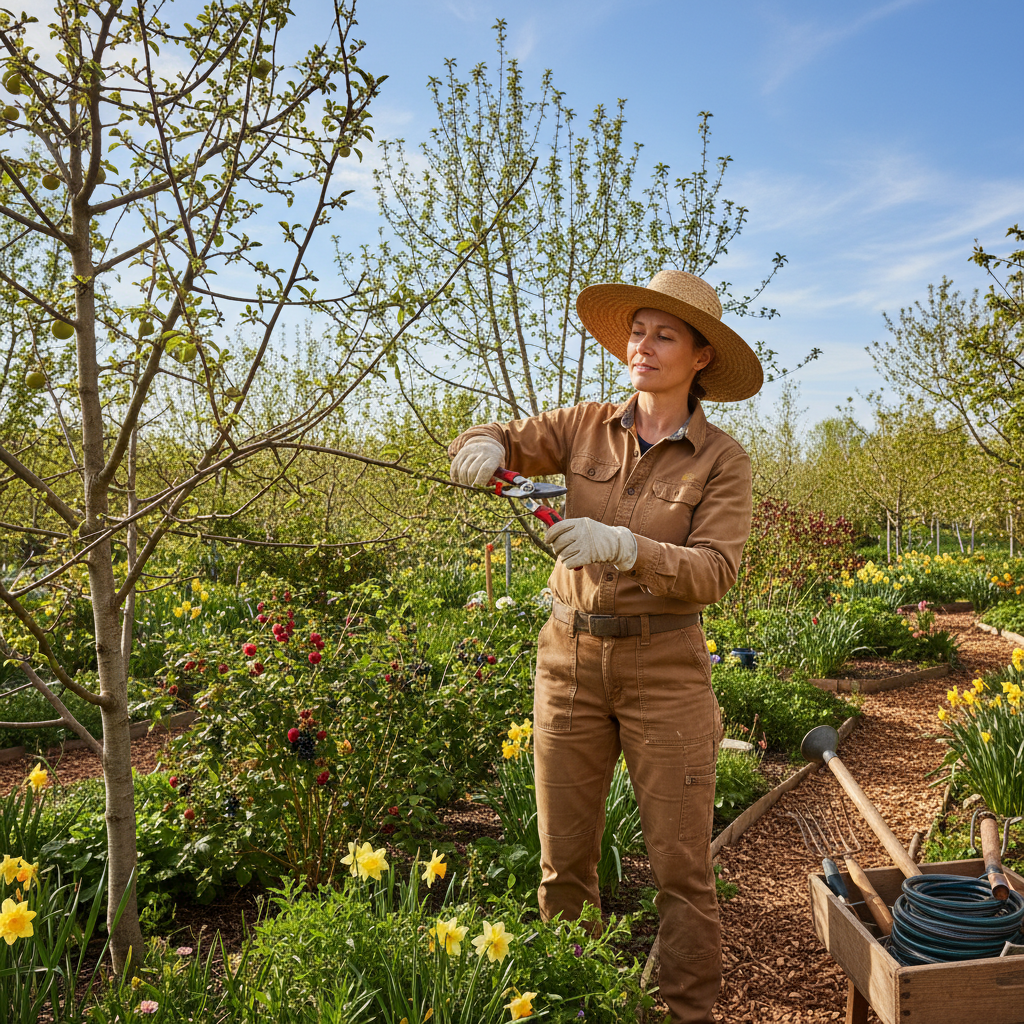
Seasonal Pruning: Time Your Food Forest Maintenance Right
Seasonal pruning is the secret weapon that transforms a good food forest into a thriving, productive ecosystem. When you master the art of timing your cuts, you’re not just maintaining your garden-you’re orchestrating a symphony of growth that maximizes harvests while keeping your plants healthy and disease-free.
Understanding when and how to prune each layer of your food forest makes the difference between struggling plants and abundant yields. Let’s dive into the timing strategies that will help you become a confident pruner, working with nature’s rhythms instead of against them.
Understanding Your Food Forest Layers for Seasonal Pruning
Before we explore timing, let’s review the seven layers of a food forest and how seasonal pruning affects each one. Your canopy trees, understory fruit trees, shrub layer, herbaceous perennials, ground covers, root vegetables, and climbing vines all have different needs and optimal pruning windows.
Each layer responds differently to pruning stress and timing. While your apple trees might thrive with winter dormant-season cuts, your berry bushes prefer different approaches. This layered understanding is crucial for successful seasonal pruning.
Moreover, the interactions between layers mean that pruning one affects the others. When you open up your canopy, suddenly your understory receives more light-requiring adjustments to your overall pruning strategy.
Spring Seasonal Pruning: Setting the Stage for Growth
Spring offers your first major seasonal pruning opportunity, but timing is everything. Start with your stone fruits like peaches, plums, and cherries immediately after bloom but before leaf emergence. This timing reduces disease risk while the tree can quickly heal wounds.
Your berry bushes need attention too. Remove old canes from raspberries and blackberries, keeping only the strongest young growth. Blueberry bushes benefit from light pruning to remove dead wood and encourage air circulation.
For herbaceous perennials, spring cleanup involves cutting back last year’s growth. However, wait until you see new growth emerging-many beneficial insects overwinter in old stems. This approach supports both plant health and ecosystem balance.
Remember to check your microclimate conditions before starting spring pruning, as different areas of your garden may be ready at different times.
Summer Seasonal Pruning Strategies
Summer seasonal pruning focuses on shaping and controlling vigorous growth rather than major structural cuts. This is your opportunity for light pruning that maintains plant health without shocking the system during active growing season.
Pinch soft new growth on tomatoes and remove suckers throughout summer. Your fruit trees benefit from summer pruning to improve light penetration and air circulation. Focus on removing water sprouts and crossing branches.
Berry bushes may need summer maintenance too. Remove spent raspberry canes immediately after harvest to prevent disease and redirect energy to new growth. This timing helps ensure strong canes for next year’s harvest.
Summer is also perfect for deadheading flowering perennials and herbs. This encourages continued blooming and prevents unwanted self-seeding in areas where you want to maintain control.
Fall and Winter: Dormant Season Seasonal Pruning
Fall marks the beginning of dormant season seasonal pruning for most deciduous plants. Once leaves drop and temperatures consistently stay cool, you can tackle major structural work on fruit trees and woody shrubs.
Focus on the “4 D’s” during dormant pruning: dead, diseased, damaged, and duplicate branches. This foundational approach keeps plants healthy and creates good structure for productive growth.
Winter is ideal for heavy pruning of apple and pear trees. The plants are dormant, so pruning stress is minimal, and you can clearly see the branch structure without leaves obscuring your view.
However, avoid pruning during extreme cold snaps. Wood becomes brittle and more prone to splitting. Plan your winter seasonal pruning for mild days when temperatures are above freezing.
Consider keeping detailed records using garden journaling templates to track which pruning approaches work best in your specific conditions.
Disease Prevention Through Strategic Seasonal Pruning
Proper seasonal pruning timing dramatically reduces disease pressure in your food forest. Many fungal diseases spread during wet conditions, making dry weather your ally for pruning activities.
Sterilize your pruning tools between plants, especially when working with diseased material. A simple alcohol wipe prevents spreading problems throughout your garden. This small step makes a huge difference in long-term plant health.
Remove diseased material immediately and dispose of it away from your garden area. Never compost diseased prunings-this just creates a reservoir of problems for future seasons.
Create good air circulation through strategic pruning. Dense growth holds moisture and creates perfect conditions for disease development. Well-spaced branches dry quickly after rain or watering.
Layer-Specific Seasonal Pruning Guidelines
Your canopy trees need the most dramatic seasonal pruning, typically during dormancy. Focus on creating strong scaffold branches and removing competing leaders. This structural work pays dividends for decades.
Understory fruit trees require more frequent, lighter pruning. Annual dormant season work maintains size and productivity. Summer touch-ups keep growth controlled and improve fruit quality.
Shrub layer plants like currants, gooseberries, and elderberries benefit from renewal pruning. Remove the oldest canes annually to maintain vigorous, productive growth.
Herbaceous perennials need seasonal cleanup rather than true pruning. Cut back in spring or fall depending on the species and your aesthetic preferences.
Having the right quality tools makes seasonal pruning more efficient and less stressful for both you and your plants.
Creating Your Seasonal Pruning Calendar
Develop a personalized seasonal pruning calendar based on your local climate and specific plants. Start by listing all your food forest layers and their optimal pruning windows.
Consider your available time and energy when planning. Spread major pruning tasks across the season rather than trying to do everything at once. This approach reduces overwhelm and improves results.
Weather patterns in your area influence timing significantly. Keep flexible scheduling that allows you to work with nature rather than against it. Some years spring comes early, others late-adjust accordingly.
Track your results and adjust timing based on plant response. What works in books might need tweaking for your specific conditions and varieties.
Common Seasonal Pruning Mistakes to Avoid
Over-pruning ranks as the most common mistake in seasonal pruning. Removing more than 25% of a plant’s growth in one season can shock it into poor performance or even death.
Wrong timing causes many problems too. Pruning trees in late summer stimulates new growth that won’t harden off before winter, leading to cold damage.
Using dull tools creates ragged cuts that heal poorly and invite disease. Keep your pruning tools sharp and clean-your plants will thank you with better health and productivity.
Ignoring plant-specific needs leads to frustration. Not all plants respond the same way to pruning. Research the specific requirements for each species in your food forest.
Building Confidence Through Practice
Start small with your seasonal pruning practice. Begin with less valuable plants to build confidence before tackling expensive fruit trees. This approach reduces anxiety and improves your learning curve.
Focus on observation skills alongside practical techniques. Understanding how plants respond to different pruning approaches helps you make better decisions over time.
Connect with local gardening groups or extension services for hands-on learning opportunities. Seeing experienced pruners work builds confidence faster than reading alone.
Remember that seasonal pruning is both art and science. While principles guide your decisions, each plant and situation requires individual assessment and adjustment.
With consistent practice and attention to timing, your seasonal pruning skills will transform your food forest into a productive, healthy ecosystem that provides abundant harvests year after year. Start where you are, use what you have, and do what you can-your plants will respond with vigorous, productive growth.