Mycorrhizal Inoculation: Boost Your Food Forest Underground
Want to supercharge your food forest from the ground up? Mycorrhizal inoculation is your secret weapon for creating thriving underground partnerships that transform struggling plants into productive powerhouses. These beneficial fungi form incredible networks that share nutrients, water, and even information between your fruit trees, shrubs, and ground covers.
Think of mycorrhizal inoculation as matchmaking for your garden. You’re introducing fungi that naturally want to partner with plant roots, creating relationships that benefit everyone involved.
What Is Mycorrhizal Inoculation and Why Your Food Forest Needs It
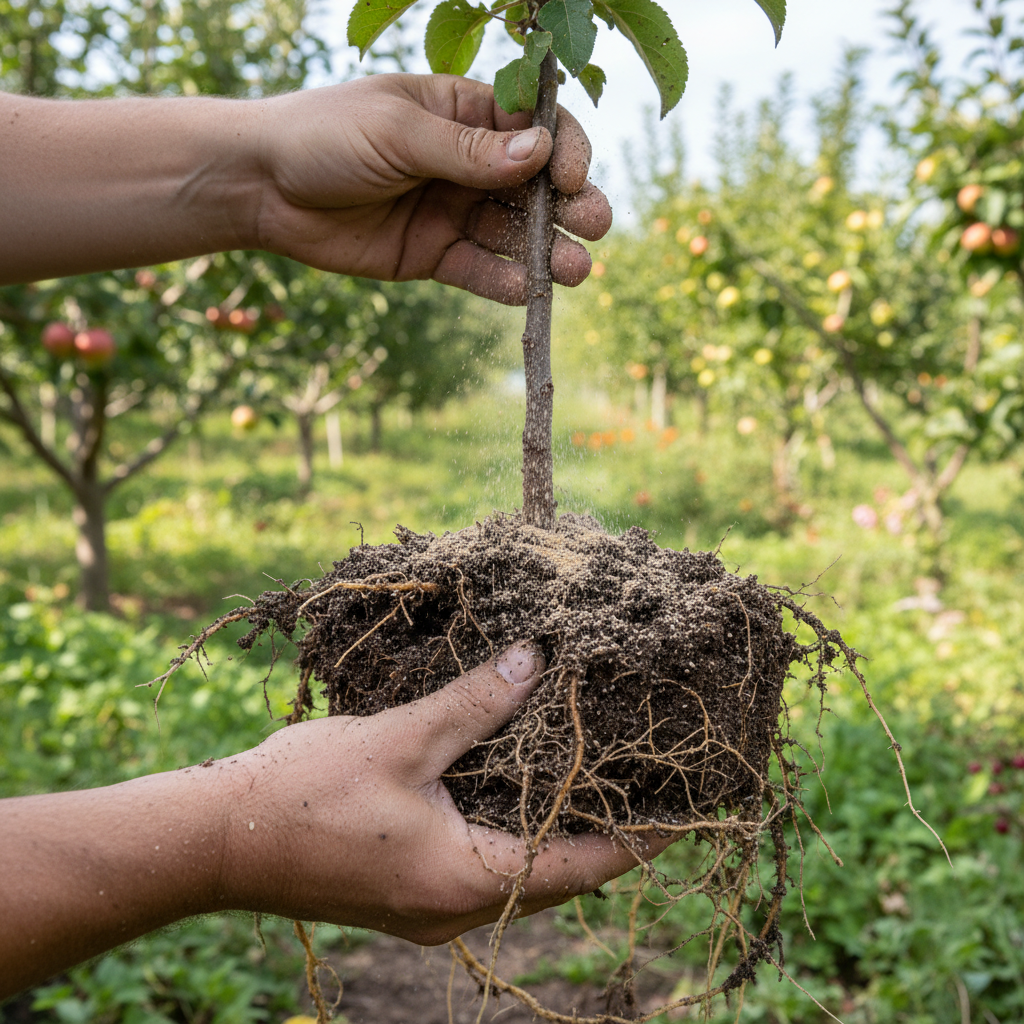
Mycorrhizal fungi are nature’s ultimate networking specialists. They extend plant root systems by hundreds of times, accessing nutrients and water that roots could never reach alone. In return, plants share sugars and carbohydrates with their fungal partners.
Most garden soils have been depleted of these beneficial organisms through tilling, chemical treatments, and compaction. By reintroducing them through mycorrhizal inoculation, you’re rebuilding the soil’s natural communication system.
These fungal networks offer remarkable benefits:
- Increased nutrient uptake, especially phosphorus and micronutrients
- Enhanced drought tolerance through improved water absorption
- Better disease resistance via competitive exclusion of harmful organisms
- Stronger plant establishment and faster growth
- Improved soil structure and carbon sequestration
Successfully establishing these partnerships requires understanding your soil conditions. Our guide on reading your soil without expensive lab tests helps you identify the best starting conditions for inoculation.
Choosing Quality Mycorrhizal Inoculants for Your Forest Layers
Not all mycorrhizal products are created equal. Understanding the difference between types ensures successful colonization across your food forest layers.
Endomycorrhizae (Arbuscular Mycorrhizae) work best with:
- Most fruit trees (apples, pears, stone fruits)
- Berry bushes and shrubs
- Annual vegetables and herbs
- Grasses and ground covers
Ectomycorrhizae partner with:
- Oak, beech, and birch trees
- Pine, fir, and other conifers
- Hazelnut and chestnut trees
Quality indicators include:
- Live spore counts (look for millions, not thousands)
- Multiple species in the mix
- Recent manufacture dates
- Proper storage conditions
- Third-party testing certification
Avoid products with chemical fertilizers or preservatives that can harm the fungi. Fresh inoculants work better than old stock sitting on shelves.
Perfect Timing: When to Apply Mycorrhizal Inoculation
Timing your mycorrhizal inoculation correctly maximizes colonization success. The fungi need living roots to establish partnerships, so coordinate applications with active root growth periods.
Spring Application (March-May)
Ideal for new plantings and established plants breaking dormancy. Soil temperatures are rising, and roots are actively growing. This timing works perfectly with microclimate-aware planting plans that consider local conditions.
Fall Application (September-November)
Excellent for tree and shrub plantings. Roots continue growing even after leaves drop, giving fungi time to establish before winter dormancy.
Avoid These Times:
- Mid-summer heat stress periods
- Frozen ground conditions
- Immediately after chemical treatments
- Drought-stressed soil without irrigation
For container plantings and indoor starts, inoculate at transplanting time when root disturbance creates new infection sites.
Layer-by-Layer Application Techniques
Different food forest layers require specific mycorrhizal inoculation approaches for optimal results.
Canopy Layer (Large Trees)
Mix inoculant with backfill soil when planting. For established trees, create small holes around the drip line and fill with inoculant-amended compost. Apply 2-4 ounces per mature tree.
Understory Layer (Small Trees and Large Shrubs)
Dust roots directly before planting, then mix remaining inoculant into surrounding soil. Use 1-2 ounces per plant, depending on root ball size.
Shrub Layer (Berry Bushes)
Create inoculant slurry by mixing with water. Dip bare-root plants or soak around container plants before transplanting. Apply 0.5-1 ounce per bush.
Herbaceous Layer (Perennials and Herbs)
Mix fine inoculant powder into planting holes or seed starting mix. Light dusting on transplant roots works well. Use 0.25-0.5 ounces per square foot.
Ground Cover and Root Layers
Broadcast application works best for large areas. Mix with compost or fine soil amendments before spreading. Apply 1-2 pounds per 1000 square feet.
Water gently after all applications to activate spores without washing them away.
Monitoring and Ensuring Successful Colonization
Successful mycorrhizal inoculation shows up in plant performance rather than visible fungal growth. Here’s what to watch for:
Positive Signs (4-8 weeks after application)
- Increased vigor and greener foliage
- Better drought tolerance between waterings
- Stronger new growth and branching
- Reduced transplant shock symptoms
- Improved flowering and fruit set
Long-term Benefits (3-6 months)
- Reduced fertilizer needs
- Better pest and disease resistance
- Improved soil structure around roots
- Enhanced winter hardiness
Document your observations in a garden journal. Our ready-to-use templates help track these subtle but important changes over time.
Troubleshooting Poor Results
If plants aren’t responding after 8-12 weeks, consider:
- Soil pH outside optimal range (6.0-7.0 for most plants)
- Compacted soil preventing root growth
- Chemical residues inhibiting fungal development
- Poor inoculant quality or storage
- Insufficient soil moisture during establishment
Supporting Your Underground Network Long-term
Once established, mycorrhizal networks need ongoing support to thrive and expand throughout your food forest.
Feed the Fungi
Avoid high-phosphorus fertilizers that can disrupt partnerships. Instead, feed plants with:
- Compost and aged manures
- Organic mulches that decompose slowly
- Liquid kelp and fish emulsion (diluted)
- Beneficial bacterial supplements
Protect the Network
- Minimize soil disturbance and tilling
- Maintain consistent soil moisture
- Avoid fungicides and harsh chemicals
- Keep living roots in soil year-round
As you develop your skills, consider expanding into more advanced techniques. Our microforest planning guide shows how to integrate mycorrhizal strategies into comprehensive ecosystem design.
Building Your Living Soil Legacy
Mycorrhizal inoculation transforms your food forest into a resilient, interconnected ecosystem that gets stronger every year. These fungal partnerships reduce your workload while increasing harvests and plant health.
Start small with a few key plants, then expand as you gain confidence and see results. The underground network you establish today will support decades of abundant harvests and ecological health.
Remember, successful mycorrhizal inoculation is about patience and consistency rather than dramatic immediate changes. Trust the process, support the fungi, and watch your food forest flourish from the ground up.