Mycorrhizal Inoculation: Partner With Soil Fungi
Mycorrhizal Inoculation: How to Partner With Soil Fungi for a Thriving Garden
If you’ve ever wondered why your grandparents’ garden seemed to produce abundantly without a bag of synthetic fertilizer in sight, the answer may be living just below your feet. Mycorrhizal inoculation — the practice of introducing beneficial soil fungi to your plant roots — is one of the oldest and most powerful gardening techniques ever used. Indigenous farmers across every continent cultivated these invisible partnerships for centuries. Modern agriculture then buried the knowledge under layers of chemical dependency. Today, we’re digging it back up.
What Is Mycorrhizal Inoculation and Why Does It Matter?
Mycorrhizal fungi are ancient organisms. They’ve existed for over 400 million years. Long before humans ever grew a single crop, these fungi were already doing the hard work of connecting plants to soil nutrients.
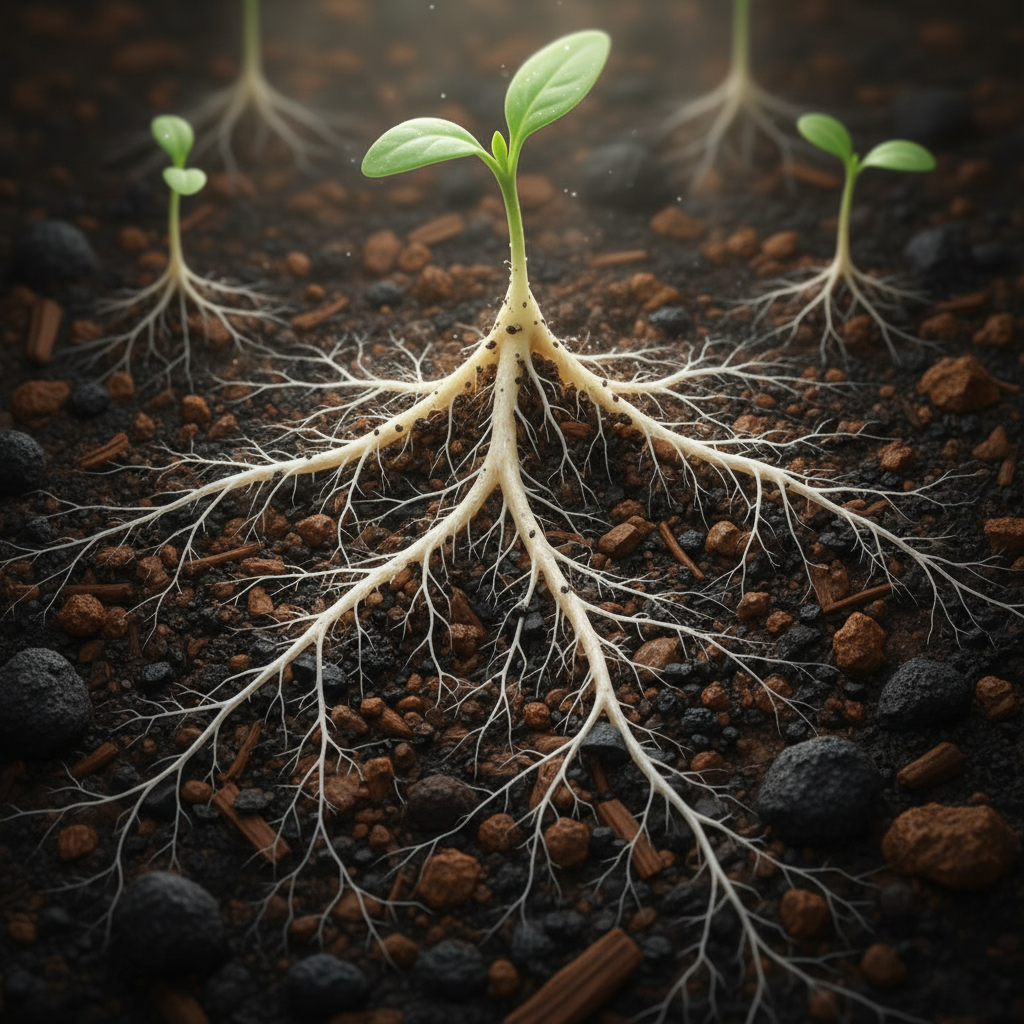
The word “mycorrhiza” literally means “fungus-root.” When fungal threads — called hyphae — attach to plant roots, they form a living extension of the root system. This network can increase a plant’s effective surface area by up to 700 times. Some studies show that mycorrhizal inoculation can improve nutrient uptake by as much as 1000%.
That’s not a typo. One thousand percent more phosphorus, zinc, copper, and water delivered to your plants — without a single synthetic input.
The fungi benefit too. They receive sugars and carbohydrates from the plant. It is a perfectly balanced exchange. This is precisely the kind of ancient wisdom your soil is still waiting to rediscover.
Before you dive deeper, it helps to understand what your soil is actually doing right now. Our guide on reading and fixing your dirt without a lab is a great first step to know what you’re working with.
How Indigenous Farmers Used Fungal Networks Without Knowing It
Indigenous farming communities didn’t use the words “mycorrhizal inoculation.” But they practiced it intuitively, generation after generation.
Several traditional methods unknowingly preserved and spread beneficial fungi:
- Forest-edge planting: Many traditional gardens were placed near woodland borders, where fungal spore density is highest.
- Transplanting with intact soil balls: Moving seedlings with a clump of native soil carried the fungi with them.
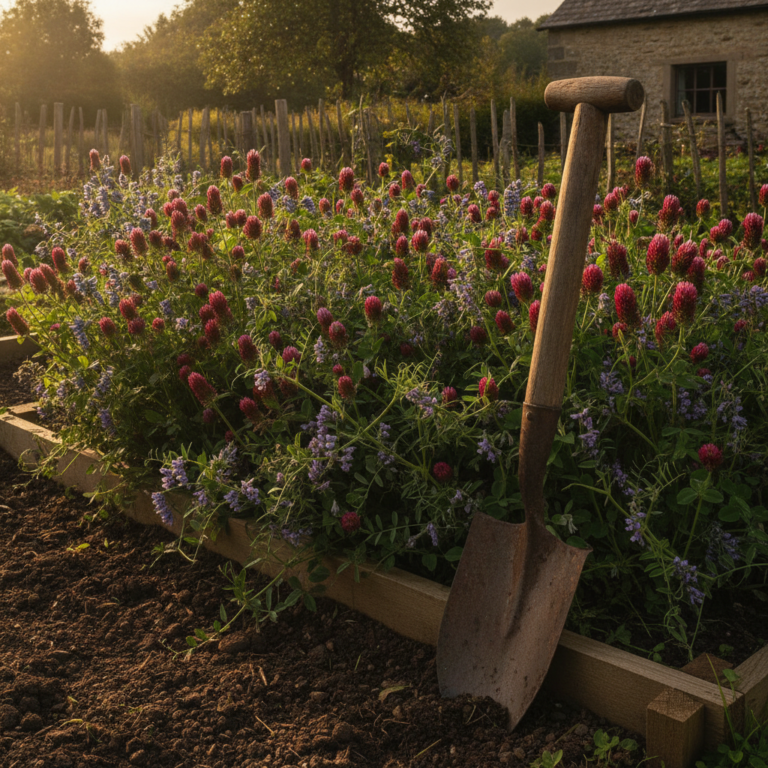
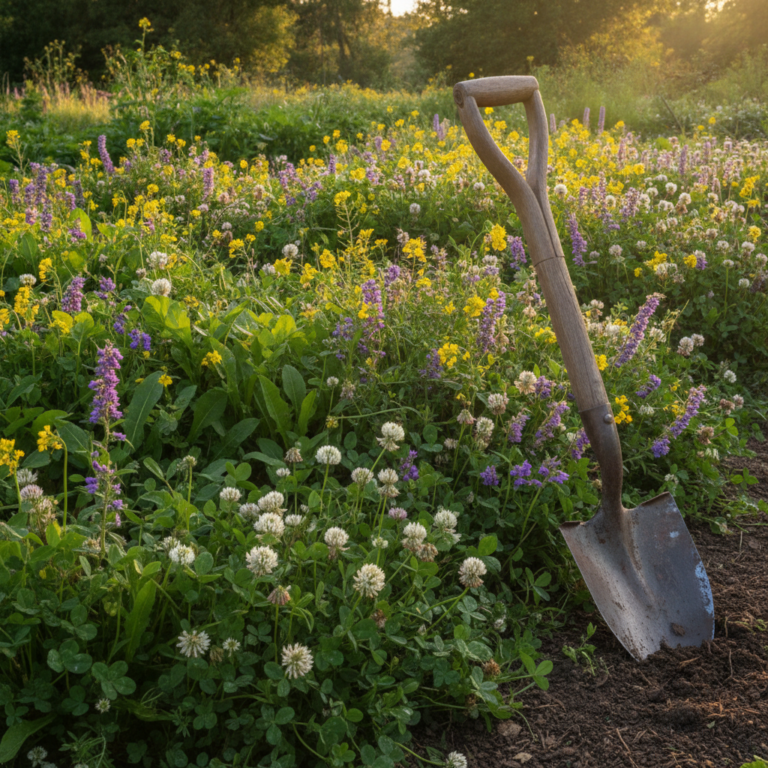
- Cover cropping: Many traditional cover crops — including clovers and vetches — are strong mycorrhizal hosts that inoculate the soil naturally.
- Avoiding deep tillage: Indigenous farmers disturbed soil minimally. Deep plowing destroys fungal threads. They didn’t plow. The fungi thrived.
These weren’t accidents. They were evolved systems of observation passed down across generations. Modern gardens have unlearned all of it.
The Enemies of Your Fungal Network
Before you introduce beneficial fungi, you need to stop killing the ones you already have. Several common garden practices devastate mycorrhizal networks.
Synthetic phosphorus fertilizers are the biggest offenders. When plants are flooded with artificial phosphorus, they stop “paying” the fungi with sugars. The relationship collapses. The fungi die off. The plant becomes dependent on you and your bag of fertilizer forever.
Fungicides, heavy tillage, and leaving soil bare over winter also destroy fungal threads. Even some organic pesticides can reduce fungal populations significantly.
The good news? Fungi are resilient. Stop disrupting them, and they bounce back. Give them a little help, and your garden transforms.
Three Simple Mycorrhizal Inoculation Methods You Can Try This Season
1. Forest Soil Inoculation — The Ancient Way
This is the oldest and most natural method available. Walk to the nearest healthy woodland. Collect a few handfuls of soil from just beneath the leaf litter layer — ideally within the first 4 to 6 inches of depth.
This soil is teeming with mycorrhizal spores. Mix it into your planting holes at a ratio of roughly one part forest soil to ten parts garden soil. Do this at transplanting time, so the fungi make immediate contact with roots.
Important note: Only collect from areas you have permission to access. Never strip large areas of forest floor.
2. Spore Powders — The Modern Shortcut
Commercially produced mycorrhizal spore powders are now widely available. They concentrate multiple fungal species into a dry, shelf-stable form. When you’re sourcing growing supplies and seeds for the season, look for mycorrhizal inoculant products from reputable organic suppliers — True Leaf Market carries quality growing supplies that pair well with this kind of soil-building approach.
To apply spore powder correctly:
- Dust it directly onto moist root surfaces at transplant time.
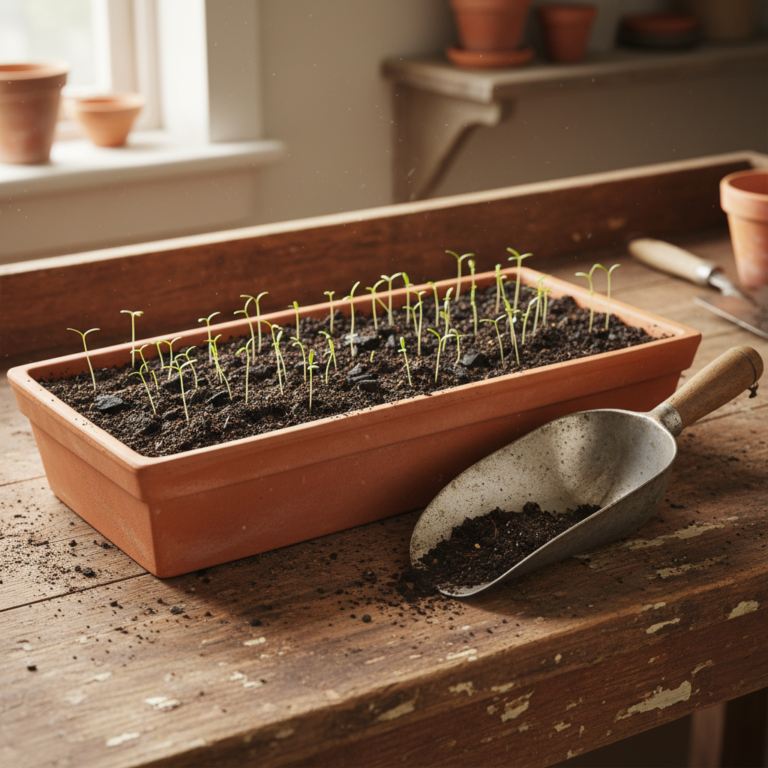
- Mix it into seed-starting mix before sowing.
- Sprinkle into planting holes before setting in transplants.
The key is direct root contact. Fungi won’t colonize from a distance. They need to be right there, touching the root surface, from the moment the plant goes into the ground.
3. Companion Planting as Fungal Relay — Your Great-Grandmother’s Trick
This method is subtle and brilliant. Plant a known mycorrhizal host crop — like leeks, sunflowers, or sweet basil — alongside your new transplants. The established fungi on the host plant’s roots will gradually extend their network to colonize your new plants too.
This is almost certainly what your great-grandmother was doing when she “always” planted certain things together. She may not have called it mycorrhizal inoculation, but the fungi didn’t care about the name. They just got to work.
Building a diverse companion planting system also ties neatly into designing a biodiverse edible space. If that interests you, our microforest planner for small spaces gives you a complete blueprint to work from.
Which Plants Benefit Most From Mycorrhizal Fungi?
The great majority of food crops — over 80% — form mycorrhizal partnerships. That includes tomatoes, peppers, squash, cucumbers, beans, fruit trees, herbs, and most flowers.
However, a few common vegetables do not form mycorrhizal relationships. These include:
- Brassicas (cabbage, broccoli, kale, radishes)
- Spinach and beets
- Lupins
Don’t waste your inoculant on these crops. Focus your effort on the heavy feeders — tomatoes, peppers, melons, and fruit trees — where the fungi will have the most dramatic impact.
Feeding and Protecting Your Fungal Network Long-Term
Introducing mycorrhizal fungi is just the beginning. Keeping them thriving requires consistent support.
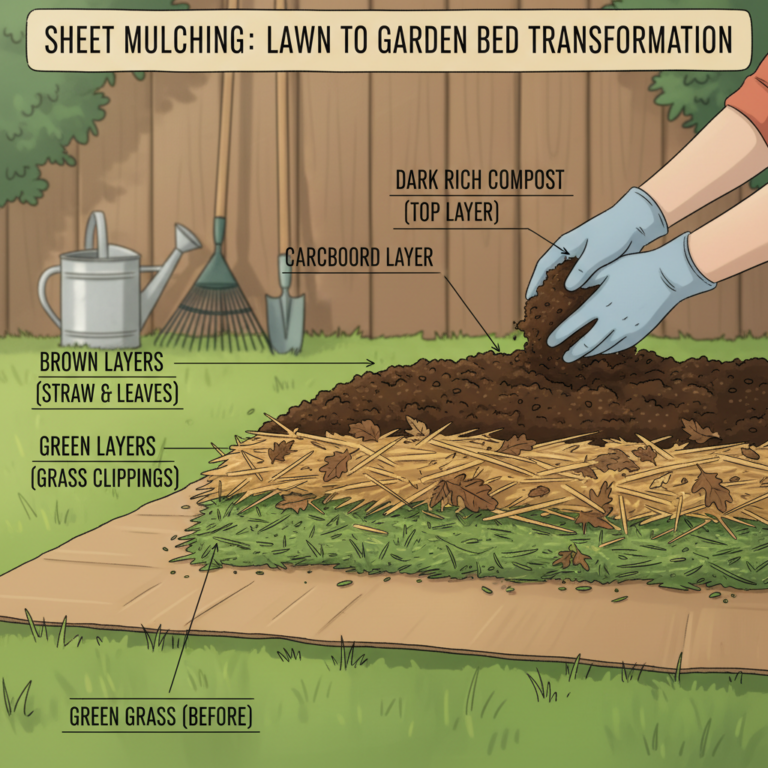
Mulch generously. A 3-inch layer of wood chip or straw mulch regulates soil temperature and moisture. Both are critical for fungal survival. Fungi hate dry, bare, baked soil.
Switch to low-phosphorus organic fertilizers. Use compost, worm castings, or rock dust instead of synthetic plant foods. These feed the soil ecosystem without short-circuiting the fungal partnership.
Minimize tillage. Every time you turn the soil deeply, you sever the fungal threads that took months to grow. Shift toward no-dig or minimal-dig methods wherever possible.
Plant year-round hosts. Even in winter, keeping a living root in the soil — through cover crops or perennials — gives fungi something to connect to. A bare garden in winter is a dead garden underground.
If you’re building toward a more resilient, low-input growing system overall, our article on building a low-input perennial garden walks you through exactly how to structure that.
A Simple First-Season Mycorrhizal Inoculation Plan
You don’t need to overhaul everything at once. Start here:
- Week 1: Stop using synthetic phosphorus fertilizers entirely.
- Week 2: Collect a jar of forest soil or order a mycorrhizal spore powder.
- Week 3: At your next transplant session, apply the inoculant directly to root surfaces.
- Week 4: Mulch all inoculated beds with 3 inches of wood chip or straw.
- Ongoing: Plant mycorrhizal host companions throughout your garden.
That’s it. Four weeks, no expensive equipment, no complex chemistry. Just you, some fungi, and a decision to work with the soil instead of against it.
The Bigger Picture: Fungi as the Foundation of Everything
Every thriving natural ecosystem — every ancient forest, every wildflower meadow, every productive indigenous garden — is built on an invisible fungal foundation. Modern agriculture stripped that foundation away in a single generation. We are the generation that gets to rebuild it.
Mycorrhizal inoculation is not a fringe experiment. It is a return to the way plants were always meant to grow. The knowledge was never lost, really. It was just waiting in the soil for someone to remember it.
Your garden is ready. The fungi are ready. Now so are you.
Want to track how your fungal inoculation experiments perform season to season? Our guide to small-scale garden experiments shows you exactly how to set up meaningful trials — even in a tiny plot.