The Perennial Playbook: Build a Low-Input Garden That Keeps Flourishing With You
4-Season Perennial Strategy for a Low-Input Garden
This practical guide offers a year‑round framework for building a low‑input perennial garden that thrives with minimal maintenance. It blends seasonal actions, beginner‑friendly plant picks, and simple design principles to help both new and seasoned gardeners create a resilient landscape that keeps blooms year after year.
Why Perennials Make the Most of Low Input
Perennials return season after season, reducing replanting effort and preserving soil life. A well‑chosen perennial garden uses mulch, smart spacing, and drought‑tolerant varieties to deliver color and structure with minimal inputs. Native and regionally adapted perennials support pollinators and require less water and fewer replacements than annual plantings.
Key Traits of Low‑Input Perennials
- Deep, resilient root systems that survive drought and temperature swings
- Low water needs and drought tolerance with minimal irrigation
- Compact maintenance demands such as reduced deadheading
- Good disease resistance and natural pest resilience
- Compatibility with gradual soil improvement and mulching strategies
Season-by-Season Action Plan
Winter — Planning, Pruning, and Prep
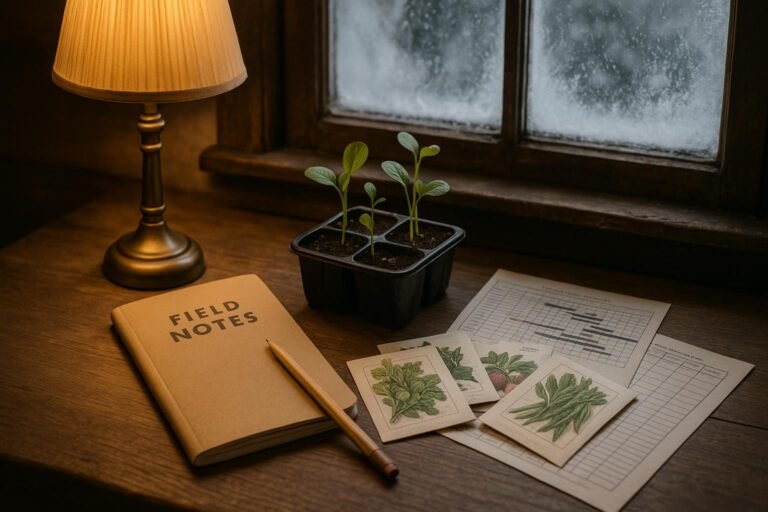
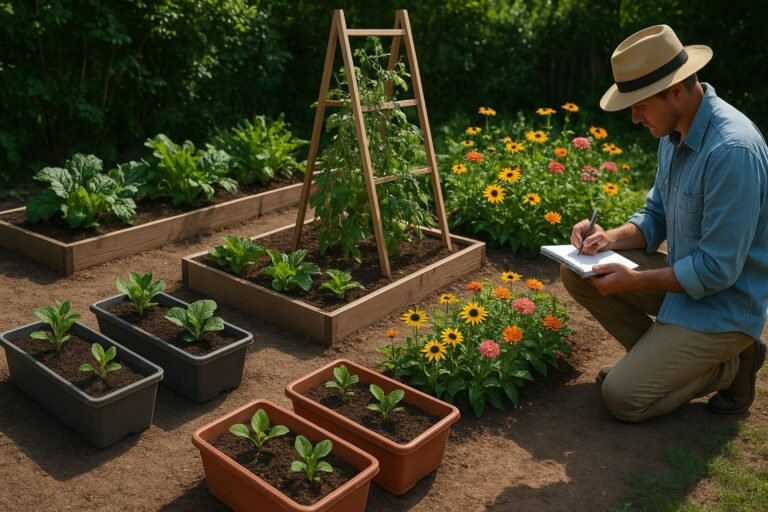
- Assess sun exposure, soil type, and space; sketch a simple palette of natives and drought‑tolerant perennials
- Prune out deadwood and tidy borders to shape spring growth
- Prepare beds: clean debris, amend with compost sparingly, and set up a simple mulch plan and irrigation layout
Spring — Planting and Establishment
- Choose beginner‑friendly perennials such as Echinacea, Coreopsis, Sedum, and Hellebore alongside native options
- Plant after the last frost, grouping plants by light and moisture needs for easy maintenance
- Water deeply to encourage deep roots; start a simple drip or soaker hose irrigation plan
Summer — Mulching, Watering Wisely, and Simple Pest Control
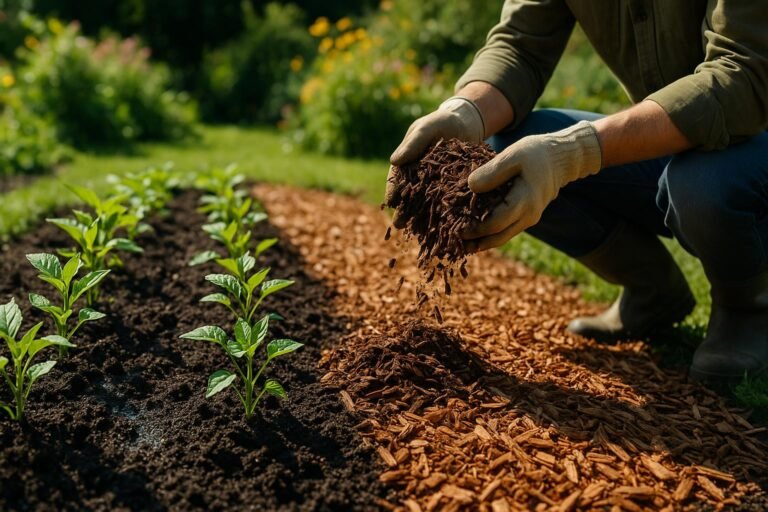
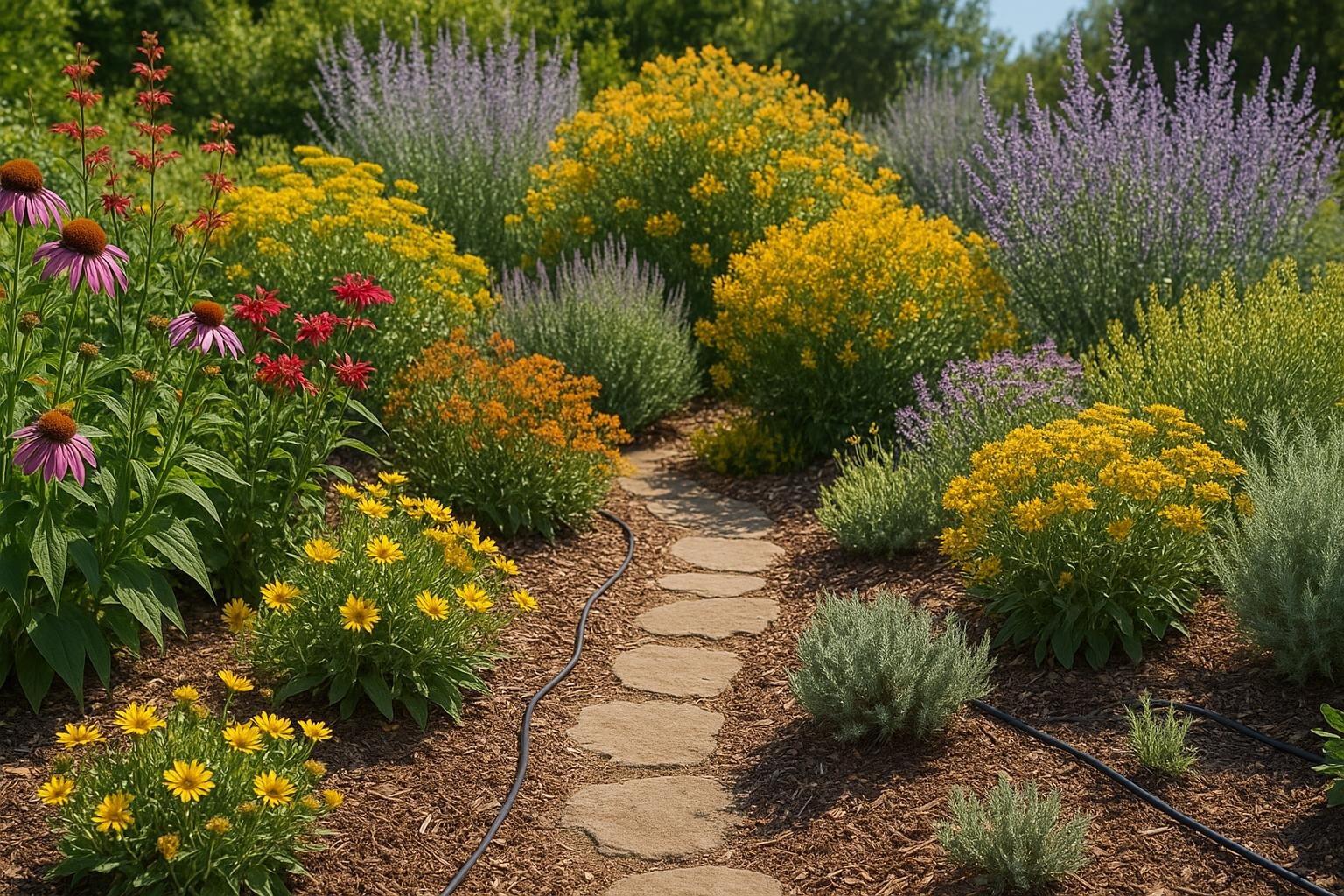
- Mulch beds with 2–3 inches to conserve moisture and suppress weeds
- Water at the base of plants and avoid wetting foliage to reduce disease pressure
- Use early‑season scouting and non‑chemical controls for common pests; address issues before they spread
Fall — Division, Cleanup, and Year‑End Prep
- Lightly divide crowded clumps to maintain vigor and space for new growth
- Remove spent blooms and tidy beds; mulch for winter protection
- Plan next year’s palette and jot notes on what worked well
Plant Picks: Native and Drought‑Tolerant Perennials
Native Options for Your Region
Start with region‑native perennials that support local pollinators and require less water once established. Examples include coneflowers, black‑eyed Susans, true grasses, and meadow‑style fillers.
- Echinacea (coneflower)
- Rudbeckia (black‑eyed Susan)
- Gaillardia (blanketflower)
- Achillea (yarrow)
- Penstemon (beardtongue)
Drought‑Tolerant, Low‑Water Perennials
- Sedum (stonecrop) varieties
- Lychnis coronaria (rose campion)
- Stachys (betony)
- Gaillardia (blanketflower) and Heliopsis (false sunflower)
- Salvia and Eryngium (sea holly)
Design and Maintenance Tips for a Minimal‑Work Garden
Layering, Mulch, and Irrigation Strategy
- Plant tallest specimens toward the back and shorter ones at the front to reduce weeding and create depth
- Apply 2–3 inches of mulch to conserve moisture and stabilize soil temperature
- Implement a simple irrigation plan (drip or soaker hose) to water deeply and efficiently
Troubleshooting and Next Steps
If growth stalls, recheck sun exposure, drainage, and soil fertility. Incrementally add drought‑tolerant perennials to fill gaps and maintain a light maintenance routine to preserve bloom through the seasons.
Tools and Resources for Beginners
Consult your local extension service, native plant societies, and reputable catalogs for regionally appropriate varieties. Essential tools include sharp pruners, a trowel, a long‑handled cultivator, good gloves, and a water timer for drip irrigation.