Garden Experiments: 3 Safe, Small-Scale Trials That Grow Your Gardening Confidence
Why small, safe experiments build gardening confidence for beginners and seasoned gardeners alike
Trying new ideas in the garden doesn’t have to be risky. These small-scale garden experiments let you observe real conditions in your space, build data driven habits, and tailor your plan with confidence. This spring, three beginner friendly trials reveal your plants needs and keep you on track for year round growth. Perfect for garden experiments for beginners, seed germination test at home, and soil drainage test at home.
The three trials at a glance
Trial 1 — Soil drainage and moisture test: setup, data to collect, and interpretation
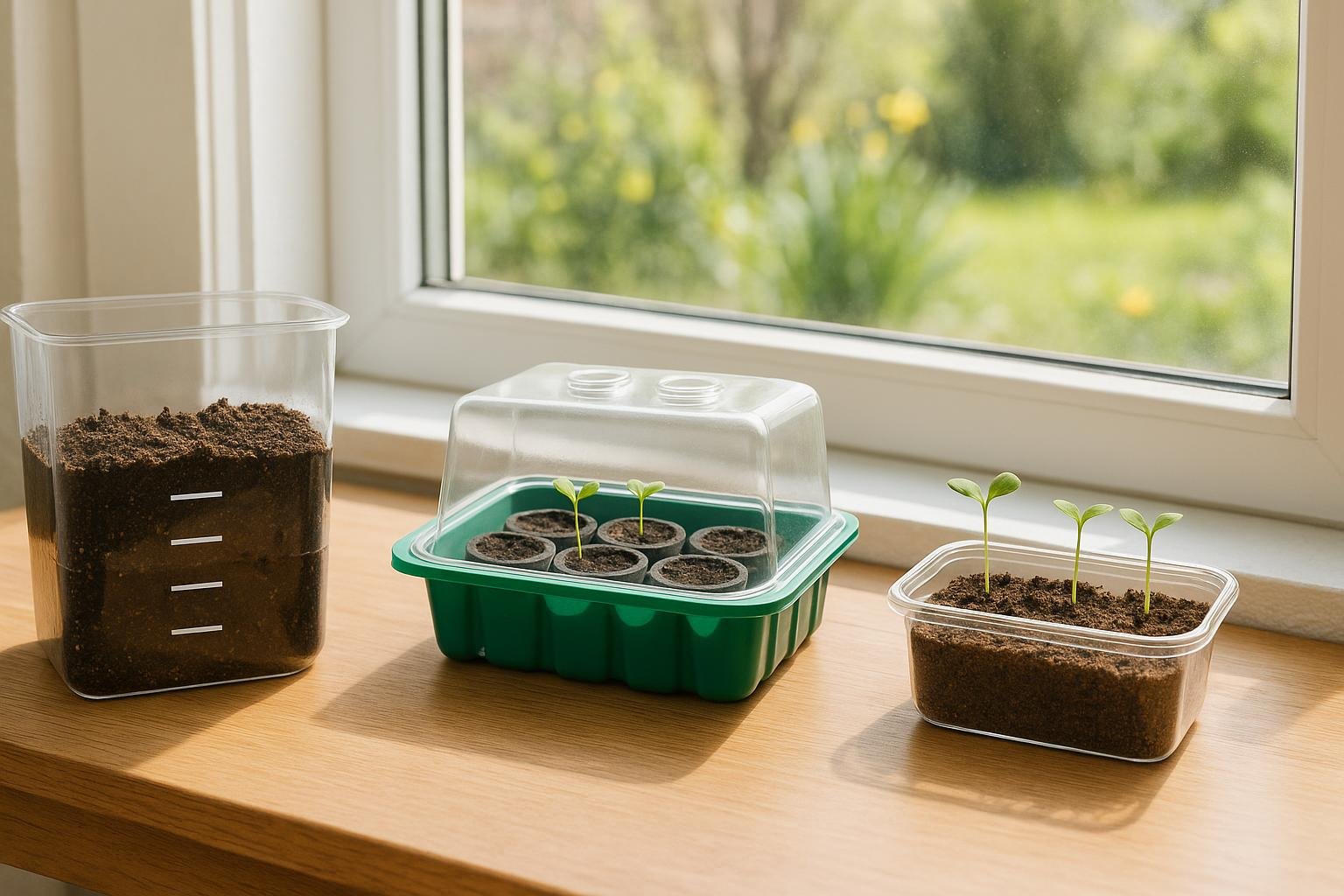
Setup: Use two identical pots with drainage holes and the same potting soil. Fill each pot to the same depth. Water until you see excess drain, then time how long the surface stays wet before drying to a light moisture level. You can use a simple moisture meter if available.
- Data to collect: drain time in minutes, surface moisture at 1, 4, and 8 hours, approximate soil moisture level on a 0 to 5 scale.
- Interpretation: Faster drainage means lighter soil. Slow drainage points to compacted soil or a heavy mix. If drainage is slow, improve aeration by adding perlite or sand and mixing in organic matter.
Trial 2 — Seed germination under controlled moisture and depth: setup, data collection, and interpretation
Setup: Choose a seed variety and create two depth conditions (shallow and deeper) with consistent moisture. Use seed trays or a simple paper towel method for easy observation.
- Data to collect: number of seeds germinated per trial, days to first sprout, and moisture level at observation.
- Interpretation: Compare germination across depths and moisture. The combination that yields faster or higher germination indicates the best starting conditions for your soil and climate.
Trial 3 — Light exposure and container sizing for a chosen plant: setup, data, and interpretation
Setup: Pick a plant you want to grow and plant identical starts in containers of three sizes. Place them in areas with different light exposure, from full sun to partial shade. Keep watering and feeding consistent.
- Data to collect: plant height and leaf count every few days, vigor notes, and any signs of stretching or yellowing.
- Interpretation: If larger containers and brighter light improve growth, plan for bigger pots and sunnier spots. If smaller containers perform similarly, you can optimize for space in a compact setup.
How to record results, compare outcomes, and apply lessons to your garden plan
Keep a simple garden data journal. Create a three column note sheet: Trial, Observation Date, Key Result. Add a one line takeaway for your garden plan. Compare outcomes across trials to identify the best conditions for your plants and use those findings to guide spring planning and year round growth:
- Adjust soil mixes and drainage based on Trial 1 results for future beds or containers.
- Choose seed varieties and sowing depths that showed better germination in Trial 2.
- Plan container sizes and light placement in Trial 3 to optimize space and growth in your garden.