Smart Starts: A 4-Week Skill-Build Plan for Complete Garden Beginners
Why a 4-Week Plan Works for Garden Beginners
A structured four-week plan helps new gardeners gain confidence, reduce overwhelm, and achieve tangible progress with clear weekly milestones. The plan is adaptable to small spaces and different climates, with practical checklists you can tailor to your situation.
Week-by-Week Breakdown for Spring Planting
Follow a simple, progressive sequence. Week 1 covers Foundations (Tools, Site, and Soil Prep); Weeks 2–4 focus on Seed Starting, Planting, Watering, Mulching, and ongoing Maintenance. Use the included checklists to customize the plan for your space and climate.
Week 1 — Foundations: Tools, Site, and Soil Prep
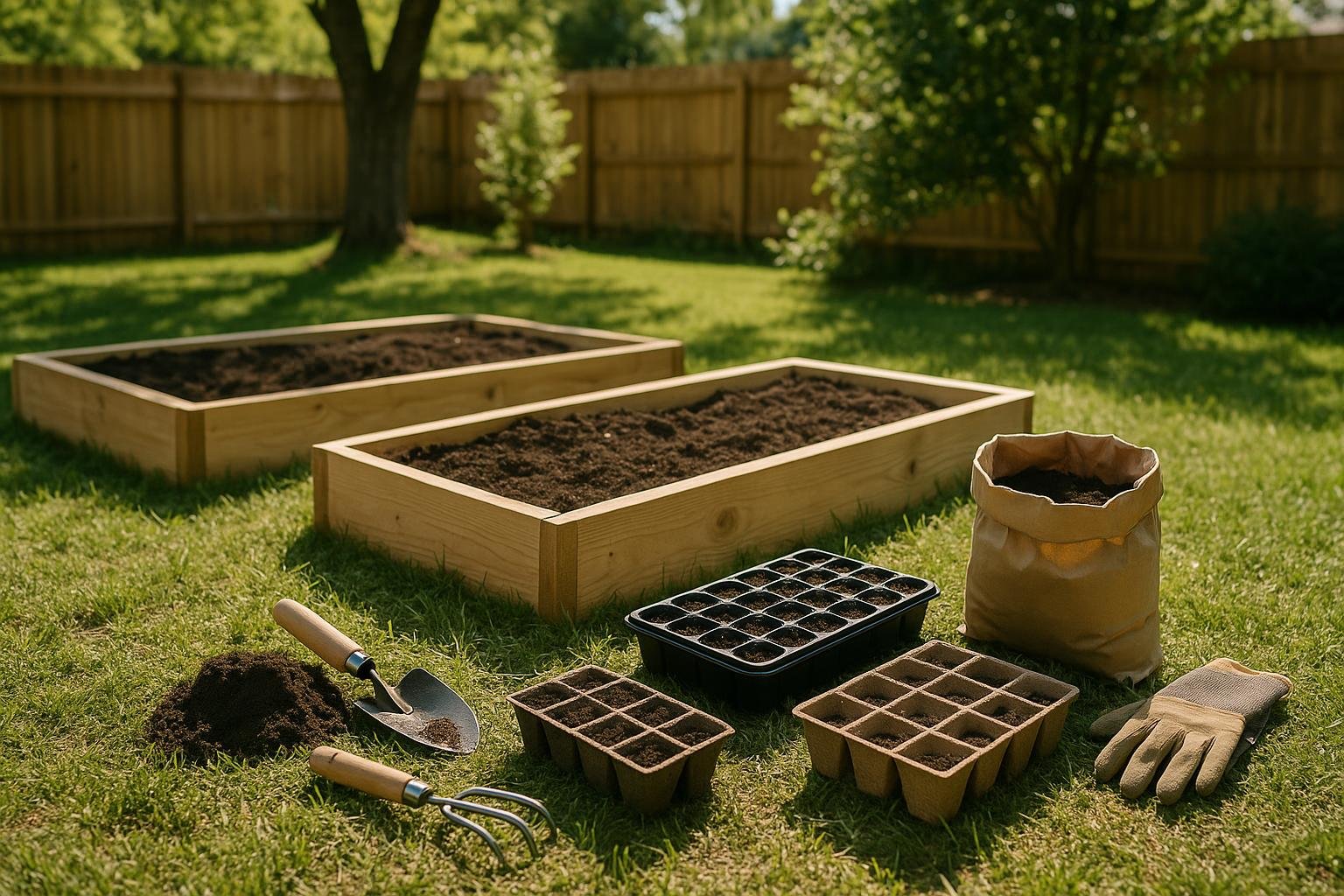
- Tools and gear: audit your basics and assemble a starter kit (hand trowel, shovel or spade, cultivator, pruners, watering can or hose with spray nozzle, gloves, and a kneeling pad).
- Site and sun: map your space, observe sun exposure for several days, and note light patterns to guide plant choices.
- Soil testing and amendments: perform a simple soil check if possible; add compost, aged manure, or soil conditioner to improve texture and fertility.
- Bed layout and planning: sketch a basic plan with paths for access; assign spaces for sun-loving and shade-tolerant plants and consider simple companion strategies.
- Starter seeds and transplants: decide what to grow based on climate, space, and season; start seeds indoors or in seed trays as needed.
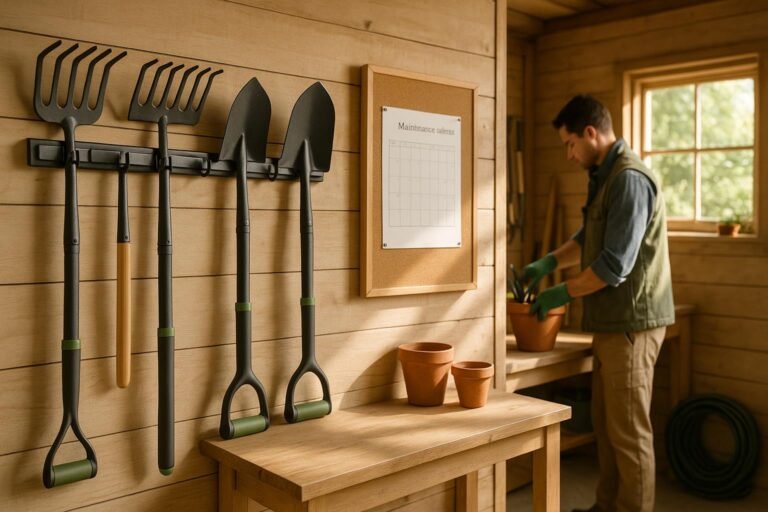
- Safety and maintenance: clean and sharpen tools, establish a weekly garden upkeep routine, and keep a small garden journal.
Week 2–4 — Seed Starting, Planting, Watering, Mulching, and Maintenance
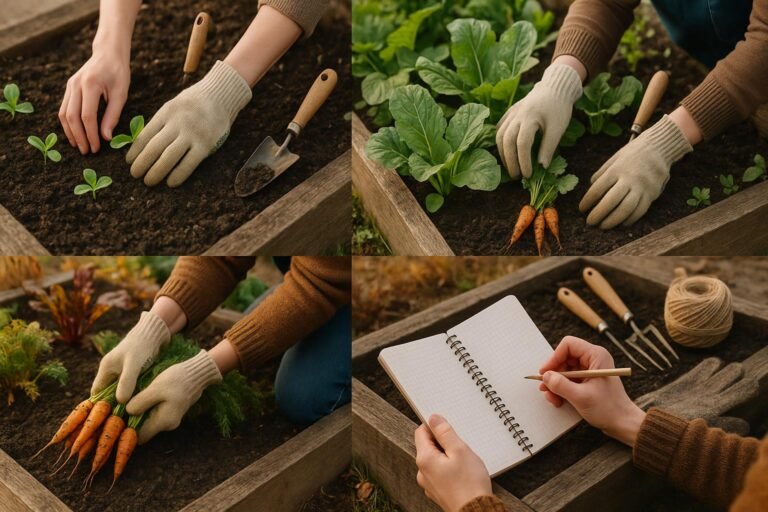
- Week 2: Seed starting and transplant readiness — set up seed trays, provide light and steady moisture, maintain gentle warmth, label seedlings, and monitor germination progress.
- Week 3: Planting and spacing — harden off or transplant seedlings as weather allows; follow recommended depth and spacing; water after planting and label rows.
- Week 4: Watering, mulching, and ongoing maintenance — establish a regular watering schedule based on soil moisture; apply mulch to conserve moisture and suppress weeds; inspect for pests and diseases and adjust care as needed.