Tools That Grow with You: Durable Gear and Smart Maintenance for Every Skill Level
Why durable tools matter for gardeners of all skill levels
Durable garden tools are the quiet backbone of a productive growing season. When gear stands up to rain, soil, and day-to-day use, you spend less time replacing gear and more time tending plants. This guide helps gardeners from first-timers to seasoned pros select tools that scale with their garden and their skills. It emphasizes features that extend tool life, such as modular designs, replaceable parts, and rust resistant finishes. Pair these with smart maintenance and your toolkit becomes an investment that grows with your garden.
What makes a tool durable
Durability is a combination of materials, construction and design. Look for:
- Rugged construction that can handle regular use without bending or breaking
- Replaceable parts so a tool can be repaired instead of discarded
- Rust resistant finishes or corrosion proof metals for outdoor storage and wet conditions
- Modular designs that allow you to swap grips, blades, or heads as your needs change
- Ergonomic handles and well balanced weight to reduce fatigue
Seasonal realities and tool wear
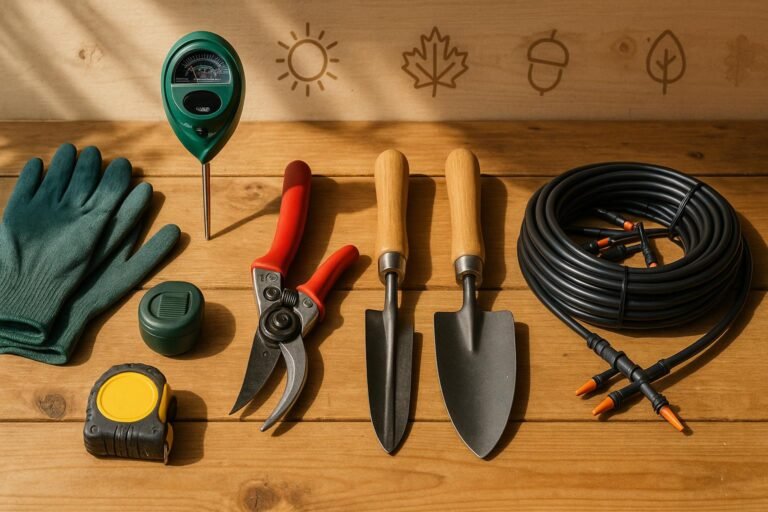
Every season brings different demands on tools. Spring chores expose tools to fresh soil, moisture and day-to-day use; summer adds heat and more frequent tasks; autumn adds leaves and debris; winter invites cold, rust and storage considerations. By anticipating how each season wears your gear, you can plan smart maintenance and swaps before a problem becomes a breakdown. A durable toolkit supports this plan by offering components that can be replaced or upgraded, rather than discarded at the first sign of wear.
Core features to look for
When building or updating your toolkit, prioritize these features that signal long life and adaptability:
- Modular designs that let you add, remove, or reconfigure components as your needs change
- Replaceable parts for blades, springs, grips and other moving pieces
- Rust resistant finishes and corrosion proof coatings on metal parts
- Sturdy, comfortable handles for long sessions—full tangs, hardwood or powder coated grips
- Quality blade steel or heat treated metals for sharpness and edge retention
- Reinforced joints and fasteners that resist loosening with use
- Easy maintenance compatibility tools that are simple to clean, sharpen and oil
- Good warranties and accessible service or replacement parts
Season by season toolkit overview
A toolkit built for durability scales with your garden by aligning gear choices with seasonal tasks. The goal is to keep tools useful year after year, even as your garden and your skill evolve. Below are season focused considerations to help you assemble a durable, adaptable set.
Spring toolkit: prepping and planting
Spring is a time of fresh soil, early pruning and bed establishment. Durable garden tools in this season should be ready for damp soil and heavy activity. Prioritize gear that can stand up to frequent cleaning after soil contact and that can be reconfigured as beds change shape.
- Hand trowels with replaceable blades or reinforced necks to resist bending
- Transplanting forks and cultivators with modular handles or interchangeable heads
- Pruning shears with replaceable blades and spring mechanisms that do not jam in sap
- Root knives or digging forks with corrosion resistant finishes
- Sturdy kneeling pads and ergonomic gloves to reduce wear on joints
- A lightweight, durable wheelbarrow or collapsible cart to move soil and mulch
Summer toolkit: tending and harvesting
Summer tasks emphasize growth management, weeding, irrigation and harvest. Tools that stay reliable in heat and humidity are essential. Look for corrosion resistance and grip comfort that remains stable under sweaty hands.
- Pruners with rust resistant blades and cushioned grips for long sessions
- Weeders, hoes and cultivators with reinforced heads and replaceable tips
- Soil moisture meters and measuring tools with weatherproof casings
- Mulching and planting tools with modular handles that adjust for height
- Harvesting knives with sharp, easily replaceable blades
Tip: Clean tools after use, dry thoroughly and apply a light coat of oil to prevent rust during humid months. A modular toolkit makes it easier to swap in a longer reach attachment or lighter head when plants are dense.
Autumn toolkit: clearing and winter prep
Autumn brings leaves, spent growth and the approach of dormancy. Durable tools should withstand damp leaf litter and heavier debris while staying in good repair for winter storage.
- Rakes with sturdy tines and rust resistant shafts
- Leaf blowers or vacuums with replaceable wear parts and accessible service
- Broad head shears and loppers with replaceable blades for pruning cleanup
- Storage bags or racks that protect tools from moisture
- Small hand tools with reinforced grips for clearing beds and compost prep
Tip: Use autumn as a service window for deep cleaning, sharpening and inspecting handles for cracks. By taking care now you reduce the risk of rust or breakage over winter.
Winter toolkit: storage and planning
Winter emphasizes careful storage and planning for next year. Tools that tolerate cold and humidity, or that can be disassembled for compact storage, help you preserve life and performance.
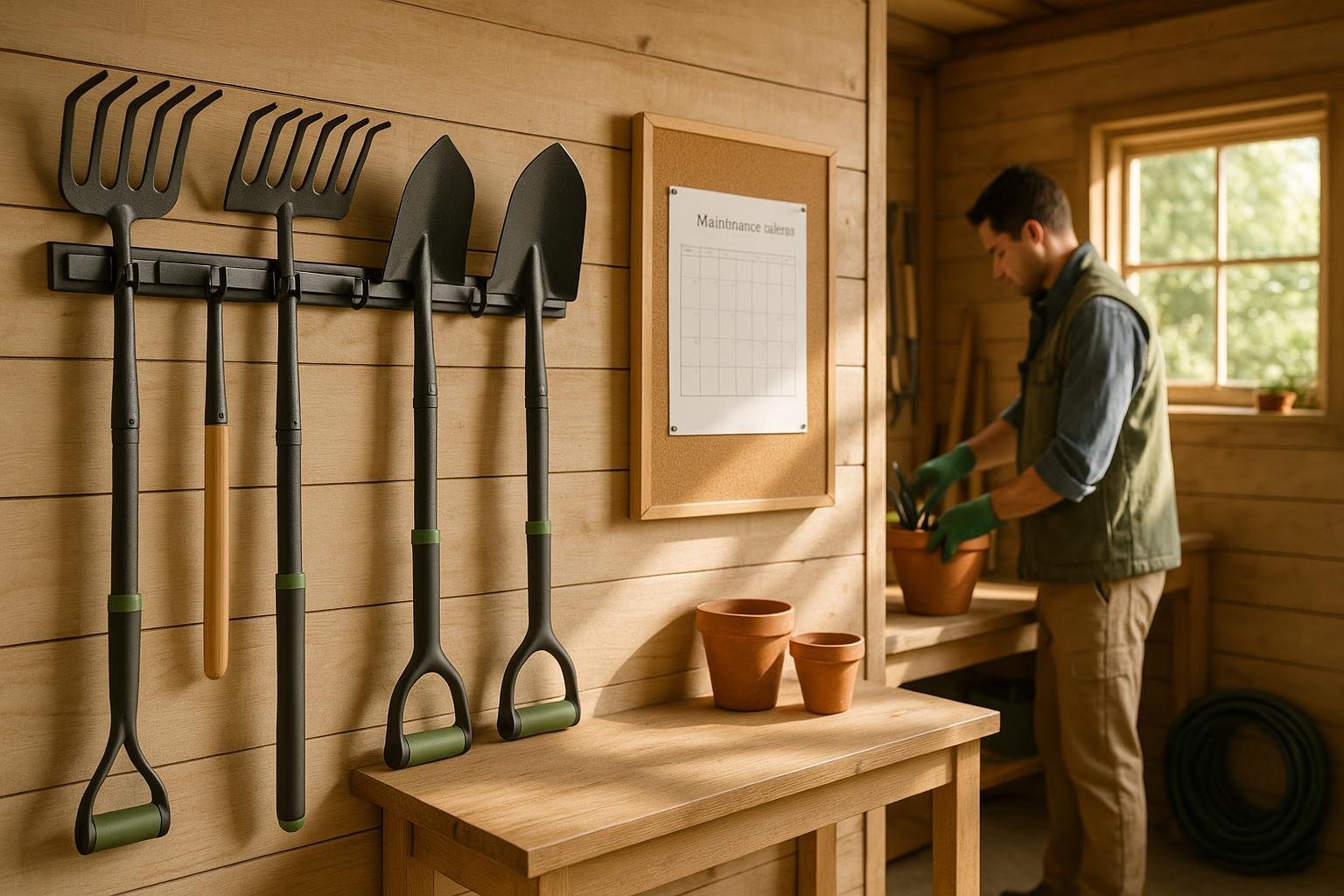
- Toolboxes or wall mounted racks that keep gear dry and organized
- Oil; rust inhibiting sprays; and clean rags for seasonal maintenance
- Small repair kits with spare parts for common failures
- Labels and inventory cards to track wear and planned upgrades
- Weatherproof covers for bulkier items to protect from condensation
Tip: Inspect every tool before putting it away. Tighten hardware, sharpen edges and replace worn parts so spring readiness is quick and easy.
Maintenance calendar a practical schedule
A practical maintenance calendar helps you keep tools in peak condition without guesswork. The monthly plan below provides a steady rhythm for inspection, sharpening, cleaning and storage. Adjust frequency to climate and workload, but aim for a consistent routine.
- January deep clean dry completely and apply a protective oil coating to metal parts; inspect for rust cracks or bent components; organize storage space
- February inventory spare parts; replace worn grips or hinges; check blade alignment; plan a spring tune up schedule
- March spring readiness; sharpen blades; clean moving parts; lubricate joints; tighten fasteners; inspect handles for wear
- April confirm tool heads and attachments fit your current beds and plan; clean trowels hoes and cultivators; test balance and weight distribution
- May pruning gear check; inspect springs and blades; replace fatigued components; wash tools after use to remove sap or soil
- June mid year check; remove rust with light abrasion if needed; re oil metal surfaces; tighten all hardware; store clean tools properly between uses
- July heat season maintenance; protect wooden handles with a safe oil; check for heat induced loosening; keep tools dry to prevent corrosion
- August humidity control; re lubricate moving parts; confirm rust inhibitors remain effective; inspect tool belts or pouches for wear
- September fall prep; sharpen blades de rust lightly if needed inspect rake tines prune shears and other cutting tools; tighten any loose joints
- October end of season cleanup; perform a thorough wash, dry completely and apply preservative to metal surfaces; organize storage for winter
- November winterization; drain or remove batteries from powered tools where applicable; store tools in a dry ventilated space; replace worn parts if possible
- December long term storage planning; update your toolkit list for the next season; consider upgrades to modular components that adapt to improving garden needs
By following this calendar you reinforce the habit of treating your tools as living components of your garden. Durable garden tools and the smart maintenance that accompanies them help you avoid downtime, extend life and stay aligned with growing ambitions.
Putting it all together a scalable toolkit
You will use this framework to build a toolkit that expands as your garden grows and your skills improve. Start with a core set of modular, replaceable parts and rust resistant finishes. As you gain experience you can add more specialized heads longer handles or higher grade steel blades without replacing your entire line of tools.
- You will begin with a small interchangeable set that covers basic tasks such as weeding planning pruning and harvesting
- Keep spare parts on hand to minimize downtime and extend tool life
- Choose tools with comfortable grips and balanced weight to support longer sessions
- Regularly revisit the maintenance calendar to catch wear before it becomes a problem
- Invest in gear with a warranty or accessible service to protect your long term investment
With a durable toolkit the garden becomes less about replacing gear and more about growing your skills. You will find yourself tackling new tasks confidently, learning faster, and enjoying a more resilient productive garden season after season.