Layered Learning: A Gardener’s Progressive System That Grows with You
Introduction to Layered Learning in Gardening
Layered learning for gardening is a scalable framework that grows with you. It invites beginners to start with a solid soil foundation and gradually take on more complex tasks as seasons shift and skills deepen. The idea is simple: build a practical, stepwise path that matches where you are today and where you want to be tomorrow.
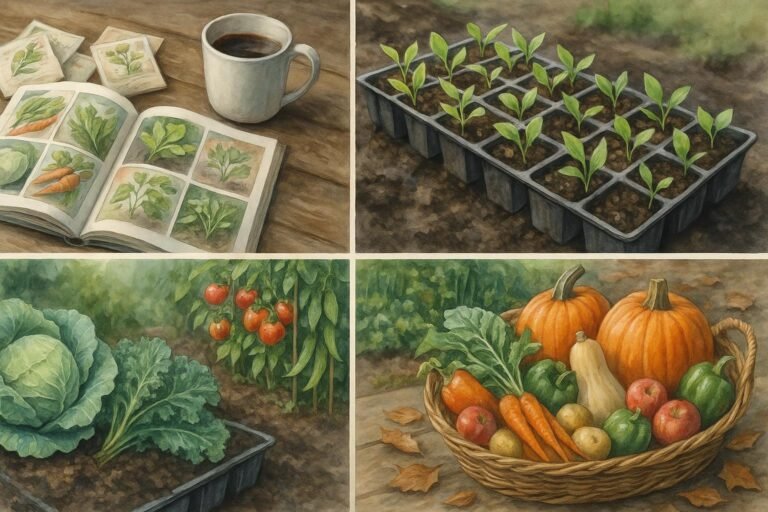
In practice, layered learning for gardening organizes growing into four progressive layers. Each layer builds on the discoveries of the previous one, while adding its own tasks, habits, and decisions. The result is a garden plan that feels doable—one that respects seasons, soil, plant needs, and your time.
This post introduces the concept, outlines the four progressive layers, and provides a practical path and checklists you can implement in any garden. It’s designed for My Garden Green readers who want a plan that grows with them, regardless of current skill level. You’ll find clear steps, simple checks, and small wins that compound into real gardener confidence over time.
By embracing layered learning for gardening, you create a repeatable rhythm: build, align, refine, and master. Each season becomes actionable guidance rather than a long to-do list. And because the plan scales, you can start right now with a single bed or a windowsill herb garden and extend it as you gain experience.
The Four Progressive Layers You Can Grow Through
Layer 1 — Foundations: Soil Health, Sunlight, Water, and Basic Tools
The first layer focuses on the basics that make every other task possible: healthy soil, simple tools, and a gentle introduction to garden life. Without a solid foundation, even the best ideas struggle to take root. Layer 1 reduces risk by focusing on what your soil tells you and which tools help you work with it, not against it.
Why Foundation matters
A thriving garden starts with soil that drains, feeds, and breathes. Good soil holds moisture in dry periods, releases nutrients when plants demand them, and supports beneficial organisms that help fight pests and diseases. Basic tools make maintenance efficient, enjoyable, and less intimidating for first-timers.
What to do in this layer
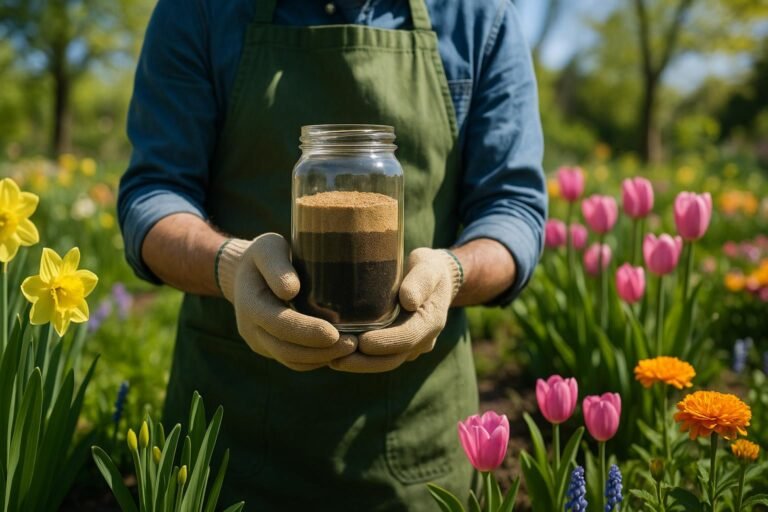
- Assess your soil: test pH, texture, drainage, and organic matter. Note how it behaves after rain or irrigation.
- Improve structure gently: add compost or well-rotted manure, mulch to conserve moisture, and avoid heavy tillage that disrupts soil life.
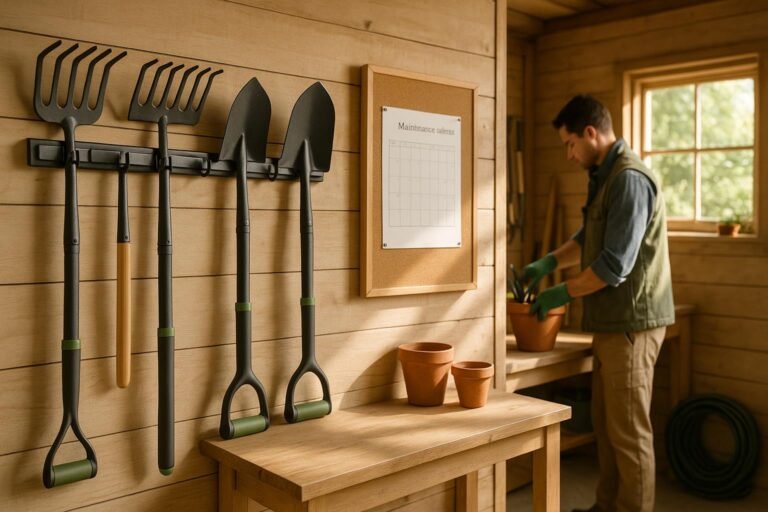
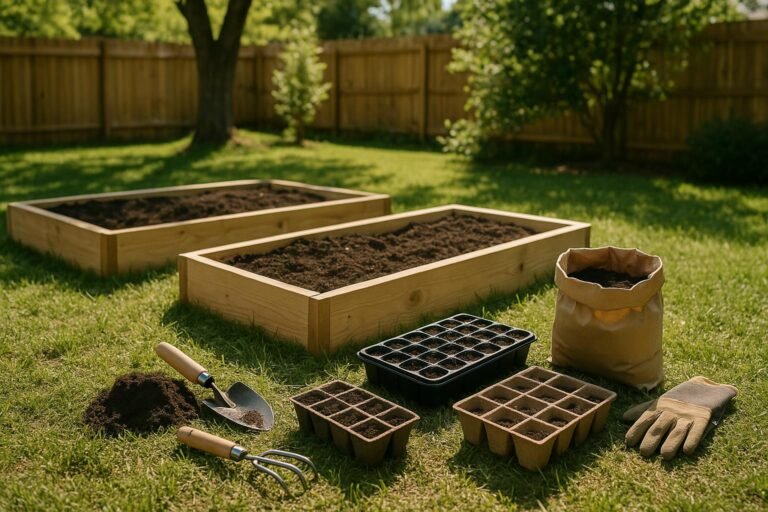
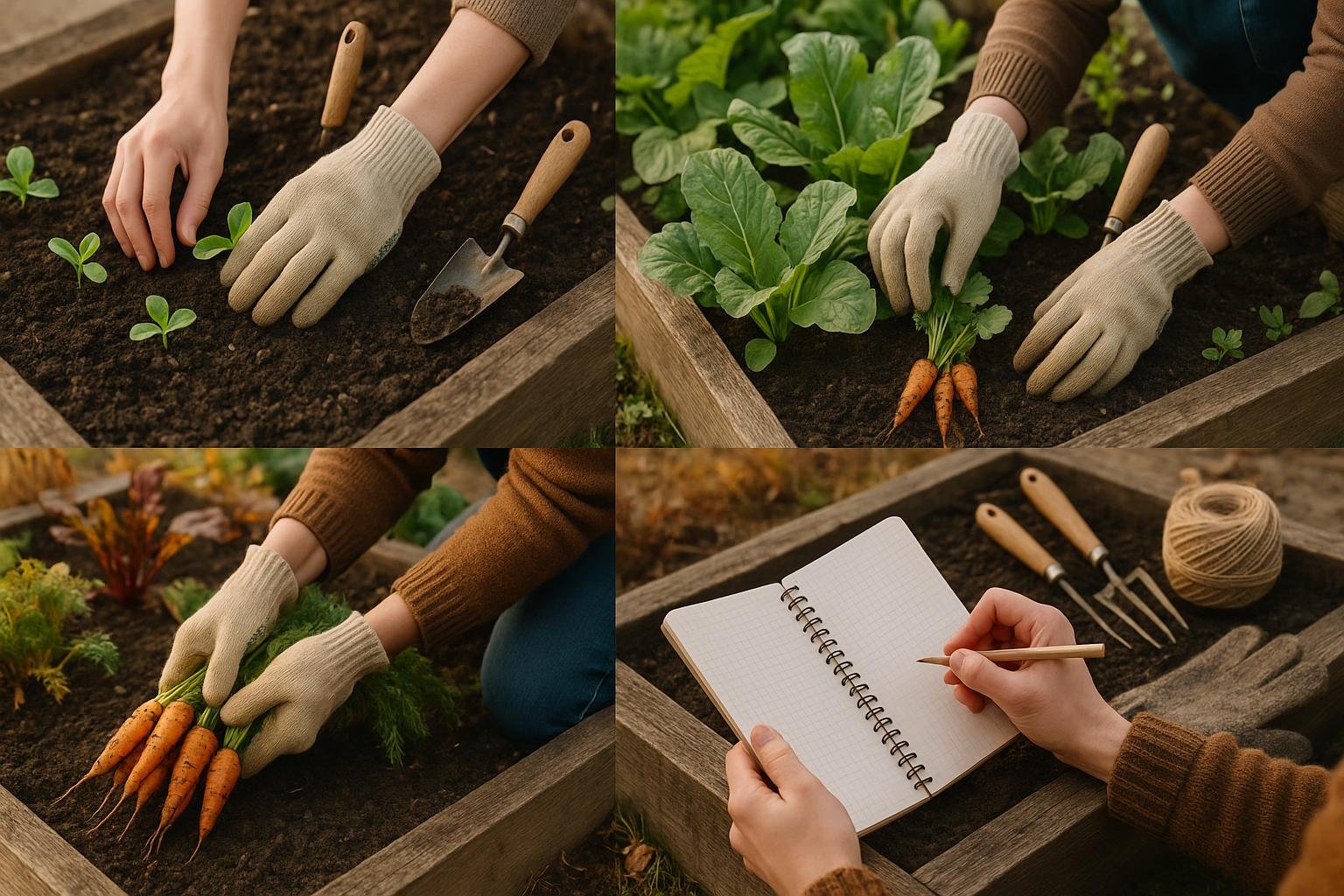
- Identify essential tools: hand trowel, weeding fork, watering can or gentle hose, gloves, and a kneeling pad. Keep tools accessible near the beds you’ll use most.
- Set up a basic watering plan: choose between drip irrigation, soaker hoses, or surface irrigation. Establish a simple routine and observe how quickly beds dry after watering.
- Create a simple bed map: mark sun exposure, existing perennials, and where you’ll place your first vegetables or herbs.
Practical path for Layer 1
- Week 1: Run a soil test (or estimate soil type) and record the results in a garden notebook.
- Week 2: Amend soil with a modest compost layer and apply a 2–3 inch mulch on bare soil to retain moisture and suppress weeds.
- Week 3: Gather and organize essential tools; establish a dedicated tool station near the growing area.
- Week 4: Create a simple watering schedule based on local weather and plant needs. Begin with a weekly check-in to adjust as needed.
- Ongoing: Observe bed drainage after watering, note any areas that stay soggy or dry, and adapt your approach.
Layer 1 Checklist
- Soil test or soil-type assessment completed
- Organic matter added and mulch installed
- Essential tools assembled and organized
- Watering plan in place and monitoring routine established
- Basic bed map created for planning future plantings
Layer 2 — Early Care: Seed Selection, Sowing, Transplanting
The second layer aligns planting windows with your garden’s sun and seasonal rhythm. It translates calendar pages into sowing and transplanting decisions, helping crops get the warmth, light, and space they need while minimizing waste.
Why Early Care matters
Early care minimizes stress on young plants and stretches your garden’s productivity across the season by pairing crop choice with light, temperature, and moisture realities.
What to do in this layer
- Track local frost dates, heat buildup, and daylight hours to identify reliable sowing windows.
- Group plants by light needs: full sun, partial shade, and shade-tolerant varieties.
- Plan succession crops: fast-growing greens, followed by longer-season crops as temperatures shift.
- Schedule tasks around seasonal cues: soil warming in spring, pruning after flowering, and mulching before heat peaks.
- Protect young plants with simple strategies: row covers for seedlings, shade cloth during heat waves, and sturdy supports for climbing plants.
Practical path for Layer 2
- Month-by-month planting calendar tailored to your climate, created using a simple online frost date calculator or local extension guidance.
- Experiment with two to four small, sun-loving crops in spring; observe germination, growth rate, and pest pressure.
- Rotate crops within beds to reduce disease buildup and improve soil health over time.
- Develop a microclimate plan: use reflective surfaces, wind breaks, or shade to modulate extremes.
- Record outcomes: what worked, what didn’t, and why for future seasons.
Layer 2 Checklist
- Local seasonal calendar identified and used
- Plant groupings by light and space determined
- Succession planting schedule drafted
- Seasonal protection measures implemented
- Crop rotations planned for beds
Layer 3 — Growing Practices: Pruning, Pest Basics, Fertilization, Watering
With foundations set and seasonal windows established, Layer 3 builds practical gardening skills through consistent maintenance and careful observation. This layer isn’t about chasing complex techniques; it’s about turning routine tasks into habits that reduce failure, improve yields, and nurture a garden that responds to feedback from soil and plants alike.
Why maintenance and monitoring matter
Regular care prevents problems from piling up. Small, timely actions—like weeding when beds are still manageable, checking for pests early, or pruning for airflow—keep plants healthier and less stressed. Monitoring creates a feedback loop: you learn what your garden tells you and adjust quickly.
What to do in this layer
- Weed regularly to minimize competition for water and nutrients.
- Mulch to regulate moisture and temperature and to reduce weed pressure.
- Water deeply and less often to promote deep roots; adjust for rainfall and heat.
- Monitor for pests and diseases: catch early and choose least-toxic interventions first.
- Practice light pruning and training to improve airflow and resource allocation.
- Keep a simple garden journal: dates, weather, tasks completed, and plant responses.
Practical path for Layer 3
- Establish a weekly maintenance rhythm: weeding, watering check, and mulch replenishment as needed.
- Adopt a pest-monitoring routine: inspect leaves, stems, and soil for signs of trouble.
- Practice pruning and staking on two or three easy plants to build confidence.
- Update your garden journal after each major task or harvest.
- Adjust watering and mulch based on observed soil moisture and heat exposure.
Layer 3 Checklist
- Weeding schedule established and followed
- Mulch in place and soil moisture monitored
- Deep, infrequent watering implemented
- Pest and disease monitoring routine in place
- Garden journal kept with notes on weather, tasks, and outcomes
Layer 4 — Mastery and Stewardship: Seasonal Planning, Harvest, Preservation, Sharing Knowledge
The final layer is where you begin to see yourself as a seasoned gardener who can diagnose problems, optimize soil health, save seeds, and contribute to the garden community. Layer 4 emphasizes stewardship: sustainable practices, resilience, and sharing knowledge as your confidence expands. Mastery doesn’t mean perfection; it means evolving habits that keep your garden productive and joyful year after year.
Why mastery matters
Mastery brings autonomy. You’ll be able to troubleshoot unexpected events, adapt to weather shifts, and create a garden that thrives through cycles of abundance and rest. Sharing what you’ve learned spreads benefits beyond your own plot and reinforces your own growth as a gardener.
What to do in this layer
- Diagnose common issues: nutrient deficiencies, water stress, or pest pressure, using a simple troubleshooting framework.
- Build soil health continually: add compost, cover crops, and diverse organic matter to enrich the feedstock for plants.
- Save seeds from your best-performing varieties to maintain adapted traits over time.
- Practice integrated pest management with a preference for non-toxic, resilient solutions.
- Plan harvests for flavor, storage, and seed-saving potential; celebrate and document harvest notes.
- Mentor a fellow gardener or contribute to a local garden club or the My Garden Green community.
Practical path for Layer 4
- Identify two to three target crops to optimize soil health and varietal stability.
- Experiment with seed saving from at least one crop, documenting traits and storage conditions.
- Develop a simple pest-management protocol that emphasizes prevention and observation over chemistry.
- Host a harvest sharing session: swap surplus produce with neighbors or fellow gardeners.
- Contribute to the garden community: share tips, invite feedback, and help others begin their layered learning journey.
Layer 4 Checklist
- Soil health plan ongoing, with new amendments and cover crops as appropriate
- Seed-saving practice implemented for select crops
- Integrated pest management approach established
- Harvest plan optimized for storage, flavor, and seed potential
- Community involvement and mentorship underway
Bringing it all together
Each layer of layered learning for gardening builds on the last, creating a cohesive journey from soil to season. By starting with Layer 1, you establish a dependable foundation. Layer 2 helps you synchronize your crops with the calendar and light patterns. Layer 3 turns care routines into reliable habits, and Layer 4 elevates your practice into stewardship and shared knowledge. The practical path and checklists in each layer are designed to be friendly to beginners while offering a clear path for ongoing growth. Whether you’re tending a single raised bed, a balcony planter, or a larger plot, this four-layer framework scales with you. The goal isn’t to complete every task at once, but to complete the right task at the right time, then move forward with growing confidence. If you’re looking for a plan that grows with you, you’ve found it in layered learning for gardening. Ready to start? Begin with Layer 1 today, keep a simple journal, and watch how small, steady steps add up to a thriving, seasonal garden you can be proud of. And if you’d like more guided inspiration, check back for seasonal prompts, practical tips, and community challenges crafted for My Garden Green readers who want a plan that evolves with their garden—and with them.
Year-Round Application: Aligning Each Layer with Spring, Summer, Fall, and Winter
Turn the four layers into a living calendar. Use the seasons as your rhythm: spring is about laying foundations and starting seeds, summer focuses on growing practices and early harvest, fall centers on pruning, seed-saving, and soil-building, and winter becomes planning, learning, and reflection. This approach keeps tasks manageable, aligned with weather, and scalable as your garden grows.
- Fall: finish harvest, seed-saving for Layer 4, refine soil health through composting and cover crops, and rotate crops for next year.
- Winter: review outcomes, update your garden journal, plan for Layer 2 and Layer 3 refinements, and set goals for Layer 4 stewardship and mentorship.
How to Implement Your Personal Layered Learning Plan: Checklists, Habits, and Progress Tracking
Ready to build your own layered garden plan? Start with a simple, repeatable cycle: choose a layer to focus on this month, set a small habit, and track progress in a garden journal or app. Use the seasonal map above to guide tasks and celebrate small wins as they compound into confident gardening.
Suggested starting steps
- Choose Layer 1 to begin. Establish the basic soil, tools, and watering routine within the first month.
- Create a monthly habit: one soil check, one seed-start session, one weed/mulch day, and one simple harvest note.
- Keep a garden journal to record weather, tasks, and plant responses; review monthly to adjust plans.
- Move to Layer 2 as you settle into Layer 1, following the practical paths and checklists in each layer.
With this approach, layered learning becomes a flexible, stepwise journey you can repeat year after year. Begin with Layer 1 today, stay curious, and watch your garden grow in rhythm with the seasons.
If you’d like more guided inspiration, check back for seasonal prompts, practical tips, and community challenges crafted for My Garden Green readers who want a plan that evolves with their garden—and with them.