Plant Selection Spectrum: A Tiered Crop Guide That Scales with Your Gardening Skill and Climate
Introduction: What is the Plant Selection Spectrum and why it matters for every skill level
The Plant Selection Spectrum is a practical, scalable framework by My Garden Green that grows with you—linking gardener skill to climate suitability and seasonal timing. It translates general gardening advice into zone‑aware, actionable steps, helping you move from simple, low‑risk crops to more ambitious picks without overwhelm. It’s a flexible grid that maps what you can grow today and what you can aim for tomorrow as confidence and knowledge expand.
With this approach, you’ll build a personalized crop palette you can reuse year after year. It guides season‑by‑season decisions to maximize harvests while minimizing wasted effort, resulting in a plan that adapts to your climate and your growing skill—and never the other way around.
Use the Plant Selection Spectrum as a living resource that you revisit as you learn more about your site, discover microclimates, and refine your goals—from quick satisfaction to long‑term resilience and abundance.
The Tiered Crop Guide: Aligning Skill, Climate, and Seasonality
The spectrum is a flexible map, not a fixed ladder. Start with beginner‑friendly crops that tolerate variable conditions and quick feedback. As your confidence grows, you layer in crops that require more planning and microclimate management. At the top, expert crops test your knowledge of soils, season length, and protected growing practices. Move at your own pace while honoring climate realities that govern success.
Key ideas across the spectrum include:
- Zone‑aware selection that respects frost dates, heat tolerance, and rainfall patterns
- Seasonal timing aligned with your local climate window for each crop
- Scaled complexity—from direct‑sown greens to crops needing trellising or season‑extension techniques
- A personalized crop palette that evolves with your garden and your goals
Below are the four tiers with practical examples and how your choices may evolve over time.
Tier 1 — Starter Crops for Absolute Beginners: easy‑to‑grow varieties and quick wins
Starter crops are very reliable, fast, and forgiving—perfect for building confidence and mastering basics like sowing, germination, watering, and pest monitoring.
- Lettuce, spinach, arugula, radishes, green onions, bush beans, cilantro, dill, mint, chives
Tier 2 — Easy Staples for Consistent Harvests: reliable vegetables and herbs
Growing crops require moderate care and timing. They reward careful scheduling, frost protection, and mindful soil management.
- Tomatoes (early varieties), peppers, cucumbers, zucchini, bush squash, green peas, carrots, beets, parsley, oregano
Tier 3 — Flexible Crops for the Middle Ground: crops tolerating wider conditions
Experience with microclimates and soil health helps you broaden your palette.
- Broccoli, kale, cabbage, cauliflower, fennel, okra (in warm zones), eggplant, sweet corn (longer seasons), corn salad (in milder areas)
Tier 4 — High‑Reward Crops for Experienced Gardeners: nutrient‑dense or high‑yield options
These crops reward advanced planning, precise harvest windows, and strong resource management.
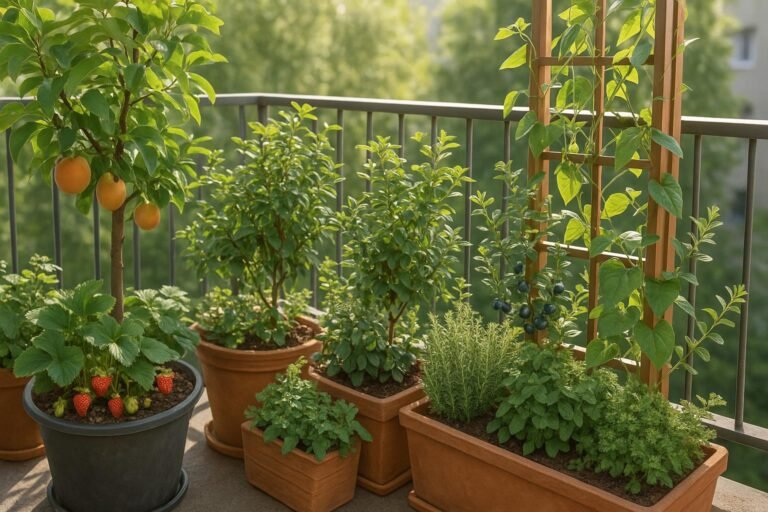
- Artichokes, perennial berries (strawberry, blueberry with planning), asparagus, rhubarb, rhizome crops, protected‑culture peppers, high‑density tomato systems, premier pears or apples in suitable climates
Tier 5 — Climate‑Smart and Specialty Crops for Pros: climate‑adapted choices and advanced techniques
Climate‑smart options and specialty crops push your knowledge of season extension, protected growing, and soil fertility.
- Peppers or tomatoes in protected space, cool‑season herbs, frost‑tighting varieties; season‑extension techniques like row covers or high tunnels; perennial fruits where appropriate
Seasonal Planning for a Northern Hemisphere Garden
Plan with the seasons in mind to maximize harvests year‑round. The spectrum helps you sequence crops to bridge seasons, optimize space, and reduce labor.
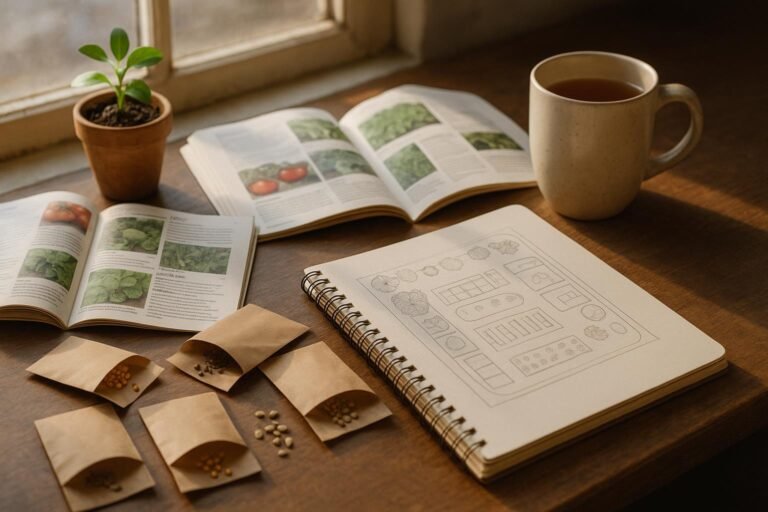
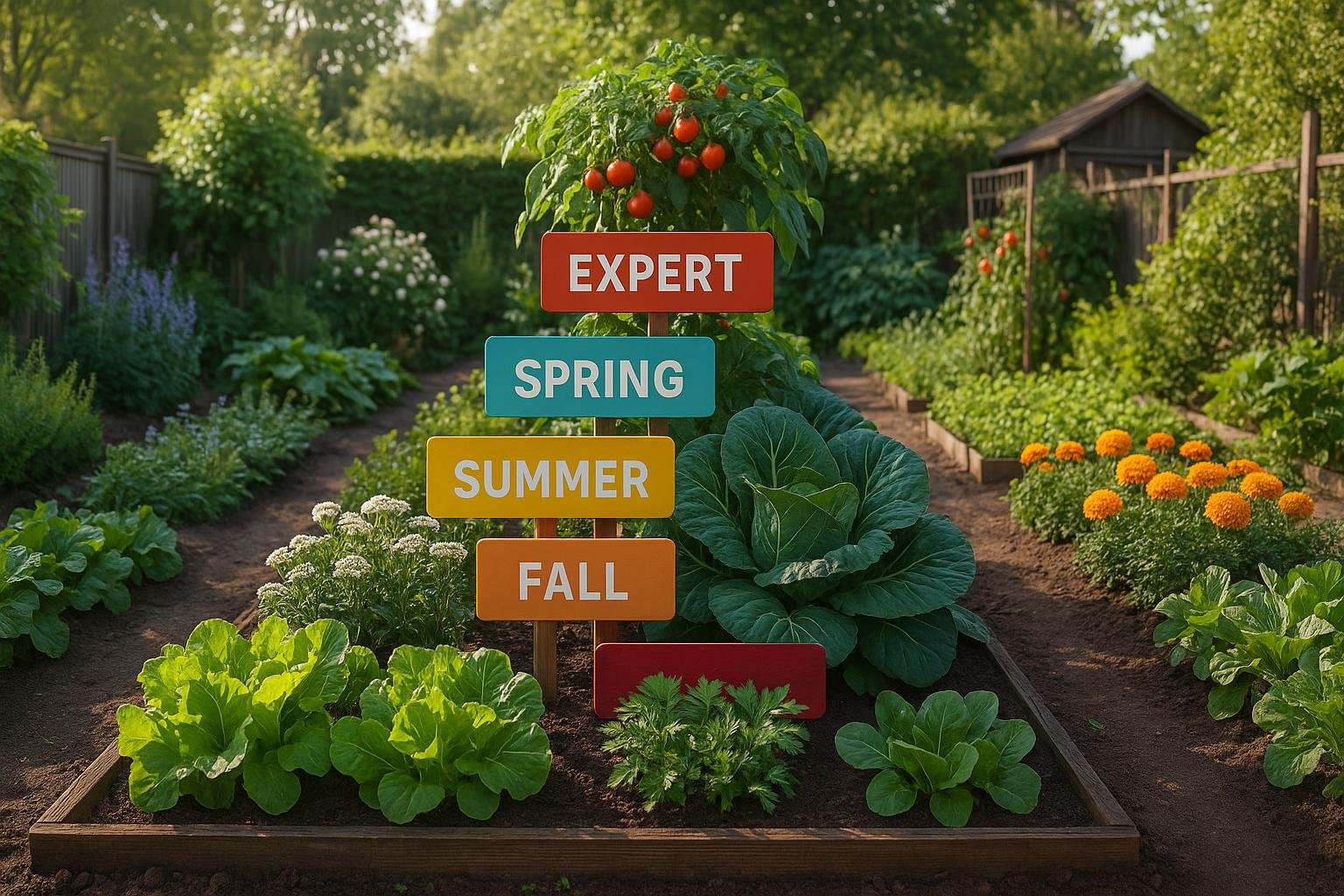
- Spring: seed starting, planning windows, soil prep
- Summer: watering strategies, mulching, pest management, succession planting
- Fall: harvest timing, preserving produce, soil building for next season
- Winter: indoor seed starting, tool care, off‑season planning
Building Your Personal Crop Palette: Practical steps to apply the spectrum
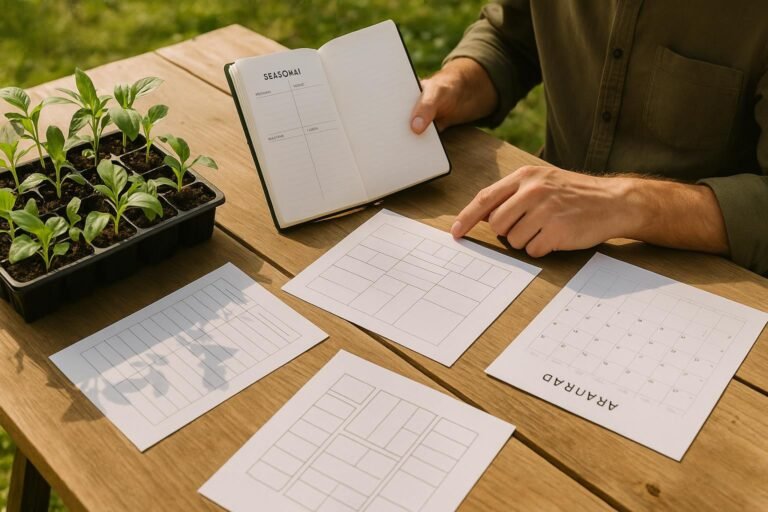
Follow these steps to craft a personalized crop palette you can reuse year after year.
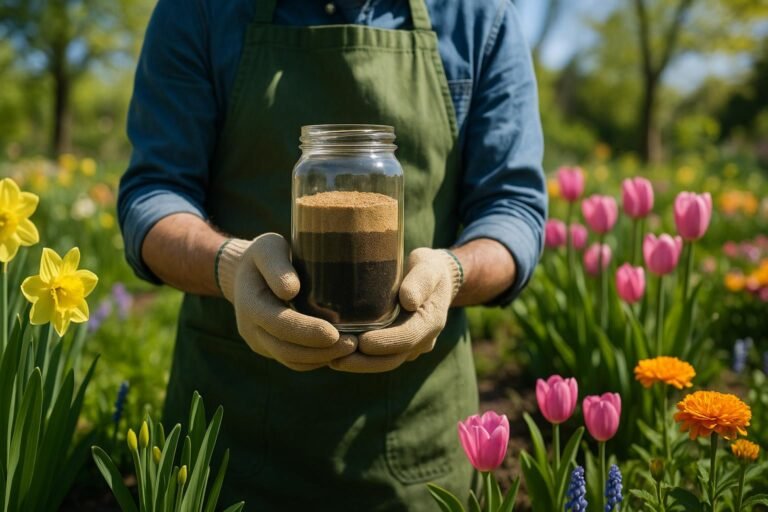
- Assess your climate zone and microclimates
- Create a year‑round rotation and fall‑back options