Field Notes to Flourishing: Templates and Prompts to Track Growth, Mistakes, and Milestones
Introduction: Winter planning sets up a flourishing garden
Winter is a strategic pause for gardeners. It translates observations into action, helps you plan with intention, and sets the stage for spring growth. With a field notes framework, you can track how your garden evolves, learn from missteps, and celebrate small wins. This post offers winter-focused garden journal templates and prompts designed to move you from beginner habits to expert planning, building a repeatable journaling routine you can reuse year after year.
Why winter planning matters for growth
In winter, growth slows, but your garden’s potential speeds up. Downtime lets you map variables, assess soil health, and design a smarter spring sequence. Documenting outcomes now creates a feedback loop that informs next year’s decisions.
- Clarifying goals for the season, from crop choices to space constraints and soil improvements
- Identifying past mistakes so you can avoid repeating them when the ground thaws
- Preserving momentum by setting small, actionable micro-goals you can complete on a weekend
- Creating a baseline you can reference to measure progress
A well-kept winter notebook also reduces decision fatigue. When spring arrives, you won’t be guessing what to plant or when to start seeds—you’ll have a plan with data and notes to guide you.
A winter toolkit: templates and prompts
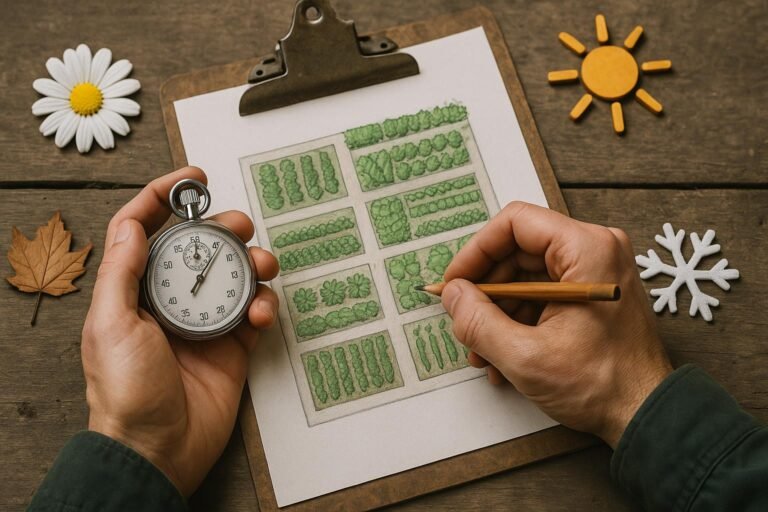
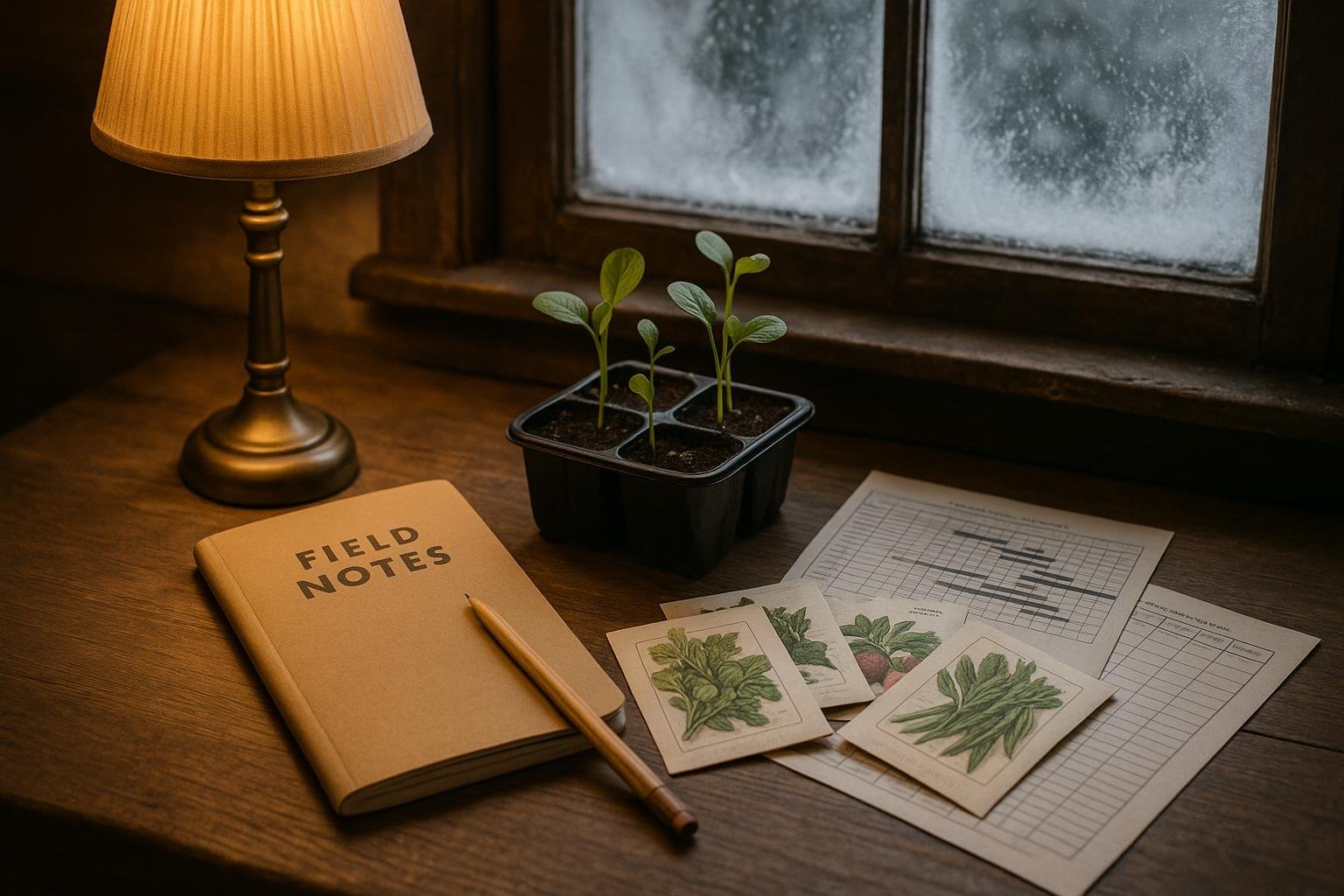
Think of winter planning as assembling templates you can reuse year after year. The field notes framework centers on three core logs plus a spring plan: growth, mistakes, and milestones. Each template is designed to be simple, quick to fill, and easy to adapt as you gain experience. These templates function as a winter garden planning template you can reuse year after year.
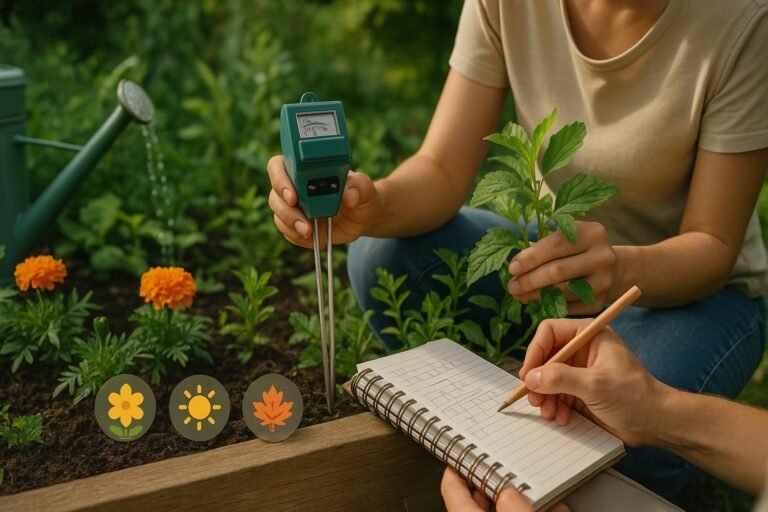
- Growth log template: growth tracking prompts with fields for date, weather, germination rate, plant height or leaf area, vigor notes, photos or sketches, notes on sun exposure and watering
- Garden mistakes log template: date, situation, what happened, root cause, corrective action, outcome, future prevention
- Garden milestone journal: milestone, date attained, impact on plan, resources used, follow-up steps
- Spring plan template: crops or beds, starting windows, planting order, spacing, companion ideas, resource needs
- Seasonal calendar: seed starting, transplant windows, frost dates, soil amendments, compost turning, mulch applications
- Reflection prompts: weekly or monthly questions to close each entry and keep momentum
These templates aren’t rigid rules; they are scaffolds you can customize as you learn what information helps you plan best for your space and climate. If you like digital notes, you can copy these fields into a note app. If you prefer paper, keep a compact field journal with labeled sections for growth, mistakes, and milestones.
To get started, you can also jot down a few prompts you’ll answer weekly, such as: What growth surprised me this season, Which mistake taught me the most, and What’s one spring task I can complete this weekend?
From beginner to expert: a growth journey
The winter planning framework grows with you. Each stage builds on the previous one, increasing your ability to predict outcomes and optimize results.
- Beginner: Establish a simple journaling habit and use straightforward fields—date, weather, one sentence on growth, one lesson learned. The goal is consistency, not perfection.
- Intermediate: Start correlating weather patterns with plant performance. Add measurements such as germination rate, transplant success, and pests observed. Use the logs to spot trends across seasons.
- Expert: Run structured experiments in your beds. Use the milestone log to track deliberate changes—soil amendments, rotating crops, or testing mulch depth. Build a repeatable plan that scales as your confidence grows.
As you advance, your templates become living documents. You’ll refine prompts, adjust fields, and develop a more precise language for describing outcomes. The goal is a robust, nuanced record that guides smarter decisions in spring and beyond.
Building a repeatable journaling habit for spring
The real value of this winter planning framework is a repeatable habit you can carry into spring. The following steps help you turn planning into practice, day after day.
- Set a weekly ritual: Schedule a 15–20 minute window in late winter or early spring to review growth logs, update the milestone list, and refine the spring plan.
- Choose your format: Decide whether you prefer a digital notebook, a printable binder, or a hybrid approach. The important part is consistency and easy retrieval of past notes.
- Keep entries focused and brief: Short, specific notes beat long, vague entries. Capture what happened, why it matters, and what you’ll do next.
- Review and reflect monthly: Look for patterns across weather data, growth responses, and task completion. Use insights to adjust upcoming weeks and set new micro-goals.
- Celebrate milestones, big and small: Acknowledging progress keeps motivation high. Note planting successes, new skills learned, or improved soil health.
- Make it shareable: A short weekly digest you can share with a gardening buddy or a local club can reinforce accountability and bring in fresh ideas.
With these habits, your winter planning becomes a gentle, repeatable rhythm that propels you forward into spring with clarity and confidence. And because the core workflow revolves around garden journal templates, you’ll always know where to find the right prompts, logs, and checklists when you need them.
Seasonal checklists and next steps: preparing for spring
Use these practical checklists to close the winter planning loop and prepare for a thriving spring garden.
- Review last season against your goals and note key lessons
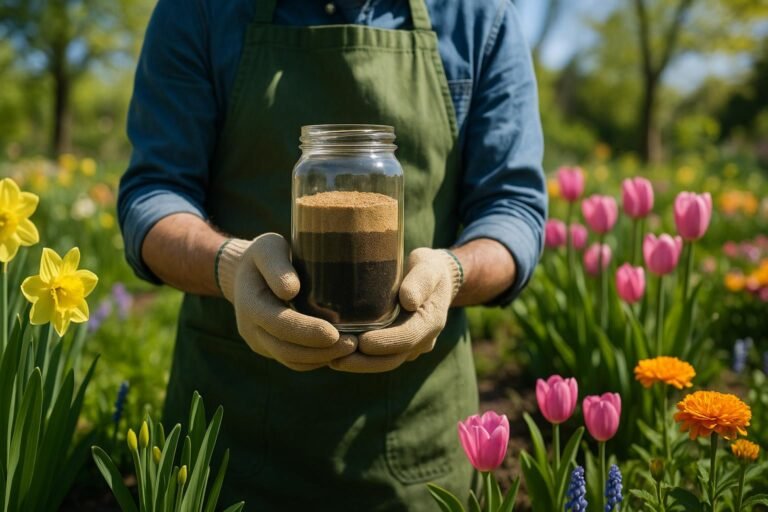
- Refresh soil health with amendments and compost
- Finalize spring seed starting windows and transplant plans
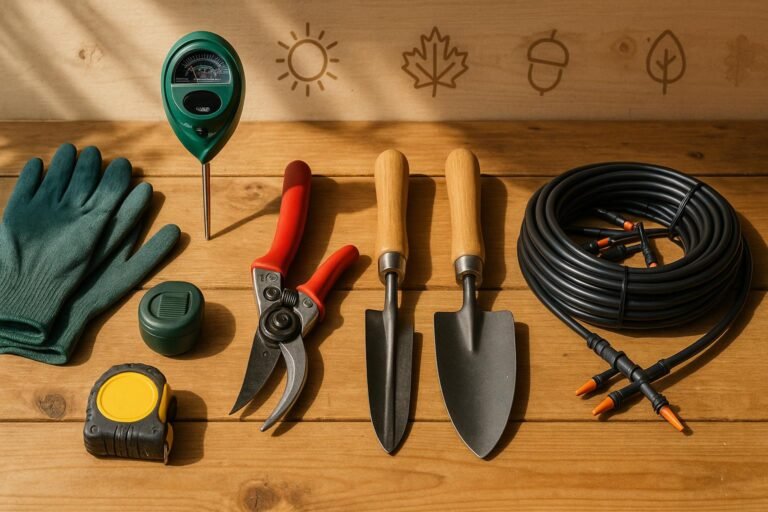
- Organize tools, beds, and starter supplies for quick action
- Set your weekly planning ritual to carry momentum into spring
These steps create a clear path from winter reflection to spring action, supported by the garden journal templates you already know and trust.