Garden Journaling for Mastery: Ready-to-Use Templates and Prompts to Track Your Progress
Why a Year-Round Garden Journal Drives Mastery
A thriving garden depends on attentive observation and informed decisions across every season. A year-round garden journal turns those habits into a repeatable process you can lean on, not a random collection of notes. With ready-to-use templates and prompts, you log seasonal tasks, growth milestones, and fresh insights in a consistent format. The result is clearer patterns, smarter decisions, and steady progress toward mastery, no matter your starting point.
How to Use the Ready-to-Use Templates
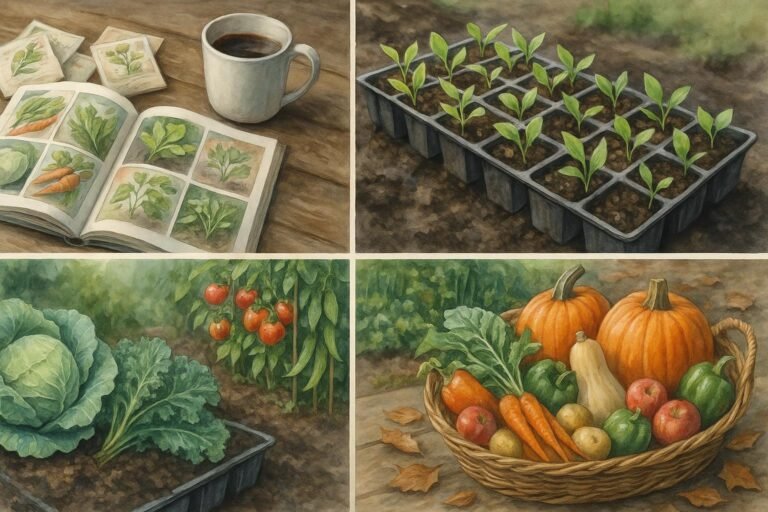
Designed for gardeners who want to learn from every season, this system blends structure with flexibility. You’ll find templates and prompts that guide you from planning in spring through care in summer, harvesting in fall, and reflection in winter. It isn’t about perfection on day one; it’s about building a reliable habit of recording what matters and using it to improve year after year.
Seasonal Task Trackers (Spring to Winter)
Each season has a purpose in a garden journal. The templates are designed to be immediately useful, so you can start logging without a long setup.
Spring: planning and seed-starting template
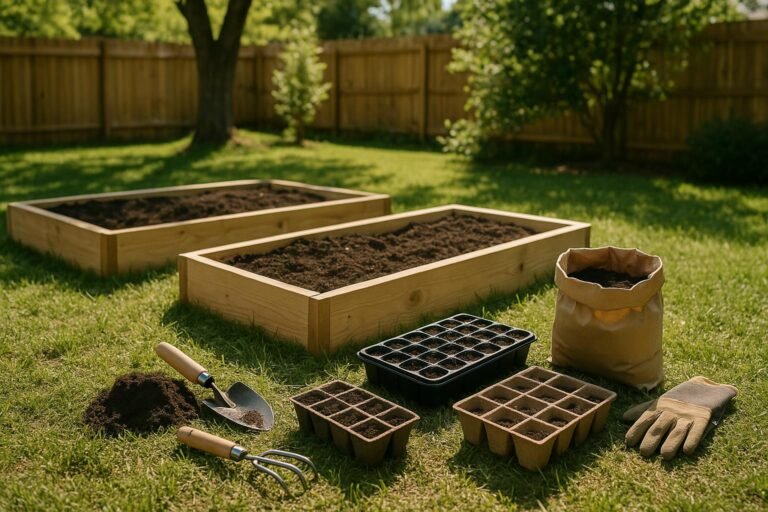
- Seed inventory and ordering checklists
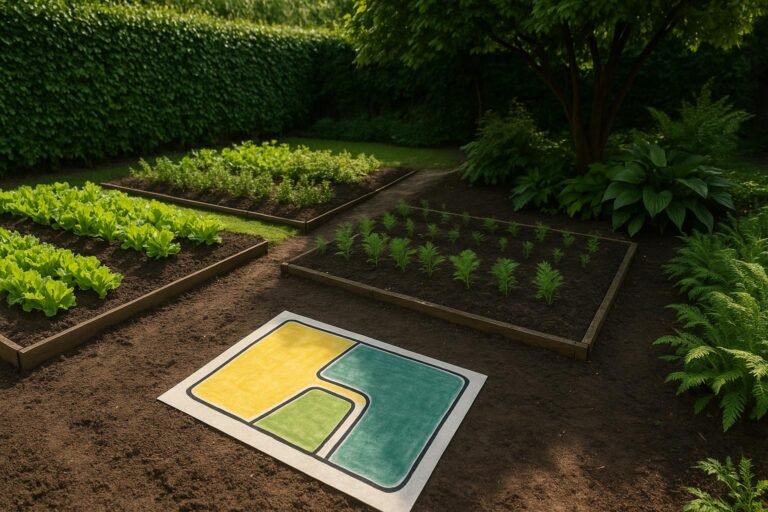
- Bed map and crop pairing notes
- Planting calendar with dates and a succession plan
- Soil prep tasks and cover crops to consider
- Germination tracking and early growth observations
- Risk notes for frost dates, late freezes, and pest expectations
- Season goals and quick-start tasks
Summer: care and maintenance template
- Weekly watering log and soil moisture notes
- Pest and disease tracking with intervention records
- Mulching, trellising, pruning, and support schedules
- Shade management and microclimate observations
- Fertilization and composting actions with results
- Harvest readiness indicators and flavor notes from taste tests
Fall: harvest and storage template
- Harvest log by bed, variety, and date
- Yield totals and quality notes
- Storage methods, shelf-life, and recipe ideas
- Crop rotation and soil replenishment plan
- Compost and waste management decisions
- Seed-saving considerations for next year
Winter: reflection and future plans template
- Season summary: what worked and what didn’t
- Lessons learned and adjustments for next year’s plan
- Long-term goals for soil health, biodiversity, and efficiency
- Seed-start list and ordering plan for the coming spring
- Tool maintenance and infrastructure upgrades
Prompts that spark insight
Use these prompts across seasons to turn notes into actionable knowledge. They’re quick to answer and highly actionable.
- What worked well this season, and why did it succeed?
- Which beds or crops underperformed, and what changes will you make next year?
- How did weather patterns influence growth, pests, or harvests?
- Which soil improvements delivered the biggest payoff?
- What was the most time-efficient task, and how can you replicate it?
- Which plant combinations thrived together or competed?
- What irrigation or water-saving method yielded the greatest benefit?
- What did you learn about seed quality and germination rates?
- Which pests appeared, what were early warning signs, and how effective were the controls?
- What spacing, timing, or variety changes would you try next year?
- Which harvests surprised you with flavor, yield, or storage longevity?
- How can you streamline tasks to reduce waste and conserve resources?
Templates at a glance
Here is a quick overview of core templates you’ll reuse throughout the year. Each is ready to print or copy into a digital note system and includes a compact prompt set.
- Spring Planning Template — seeds, beds, planting calendar, and goals
- Summer Care Template — irrigation, maintenance, and pest tracking
- Fall Harvest Template — yield, storage, and crop rotation notes
- Winter Reflection Template — lessons learned and goals for next year
- Growth Milestones Log — track progress and key boosts to garden performance
- Weather Snapshot — seasonal climate notes that explain growth fluctuations
- Pest/Disease Tracker — what emerged, responses, and results
- Seed Inventory & Order List — ensure you have what you need for spring
- Garden Journal Summary — concise yearly recap for quick reference
Getting started: a simple 7-day sprint
Jump-start a year-round garden journaling habit with a simple week-long sprint.
- Day 1: Set up your garden journal structure in your preferred format (digital or paper).
- Day 2: Choose your spring planning template and customize it for your beds and goals.
- Day 3: Inventory seeds, tools, and materials; note any gaps.
- Day 4: Create a bed map and start a basic planting calendar with frost-safe dates.
- Day 5: Record current soil health indicators and immediate care steps (amendments, compost, mulch).
- Day 6: Log expected spring weather patterns and set top three priorities.
- Day 7: Review notes, refine templates, and commit to a weekly journaling rhythm.
Why journaling leads to smarter decisions
Garden journaling turns memory into data you can trust. With consistent logging, you’ll identify patterns not obvious from memory alone and make smarter, more intentional decisions.
- Data over guesswork: rely on concrete observations rather than vibes about what worked.
- Seasonal context: see how weather and microclimates affect growth and harvest timing.
- Resource efficiency: track water use, soil amendments, and inputs to minimize waste and maximize results.
- Progress tracking: compare year-to-year performance and celebrate milestones.
- Learning momentum: prompts surface actionable insights to apply next season.
Conclusion: start today and grow toward mastery
Mastery in the garden is a steady cadence of planning, care, harvesting, and reflection. A year-round garden journal makes that cadence tangible, turning every season into a learning opportunity. With ready-to-use templates, thoughtful prompts, and a simple week-by-week path, you can build a resilient, smarter gardening practice that compounds year after year. Begin with spring, keep logging through summer, harvest with intention in fall, and refine your approach in winter. Your future harvests will thank you.