The Skill-Driven Garden Roadmap: How to Pick Plants, Tools, and Tasks That Grow With You
Why a Skill-Driven Garden Roadmap Matters
A skill-driven garden roadmap helps you grow your plant palette, tool kit, and task list in lockstep with your evolving skills and the seasons. Instead of chasing quick wins or buying gear you’ll rarely use, you build a sustainable plan that scales with you, keeping gardening practical, seasonal, and repeatable year after year.
This structured approach lets you anticipate what to plant, which tools to invest in, and which tasks come next—especially in the Northern Hemisphere, where seasonal rhythms guide seeds, transplanting, pruning, and winter prep. Use this practical, season-aware guide today.
What a skill-driven garden roadmap is
A skill-driven garden roadmap is a curated sequence of steps that aligns your growing abilities with the plants you choose, the tools you need, and the tasks you schedule. The goal is to evolve from a beginner to a proficient gardener who can plan ahead, optimize space, and sustain a resilient landscape.
Key benefits include:
- Clarity: know exactly which actions belong to which stage.
- Progression: build new skills in a manageable order, reducing overwhelm.
- Seasonality: time tasks to the Northern Hemisphere’s spring, summer, fall, and winter cycles.
- Resource efficiency: invest in tools and plants you will truly use as you grow.
- Ownership: create a personal garden log that records what worked and why.
The 5-Stage Roadmap
Stage 1: Seedling Start
Time frame: late winter to early spring in most Northern Hemisphere climates. Focus: confidence, basic systems, and soil health.
What to do:
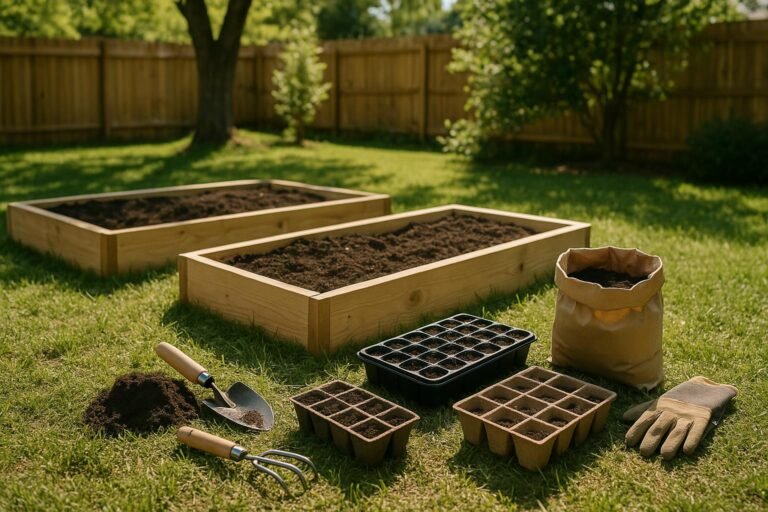
- Define your space: container garden, a small raised bed, or a dedicated patch.
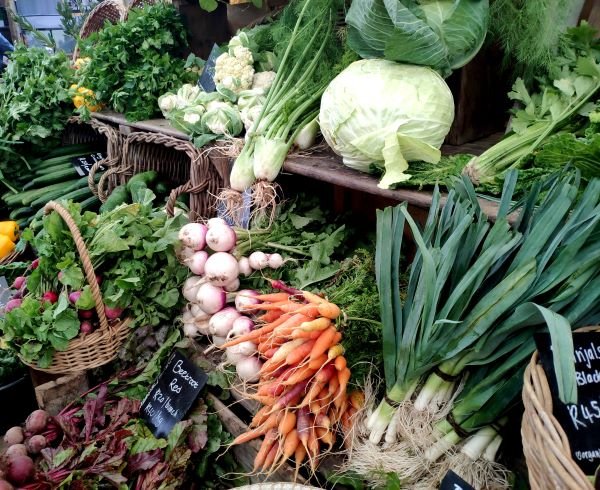
- Choose 1–2 beginner crops: fast-growing greens (lettuce, spinach), culinary herbs (basil, parsley), and maybe a tomato or pepper if you’re feeling ambitious.
- Tools to acquire: a trowel, a small watering can, plant labels, a hand pruner, and basic gloves.
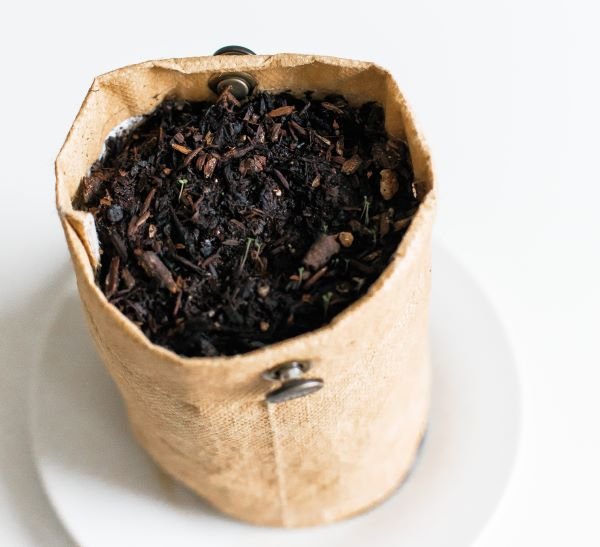
- Soil and seed basics: use a ready-to-use potting mix for containers or a simple raised-bed soil blend; start from seed or transplant resilient starters.
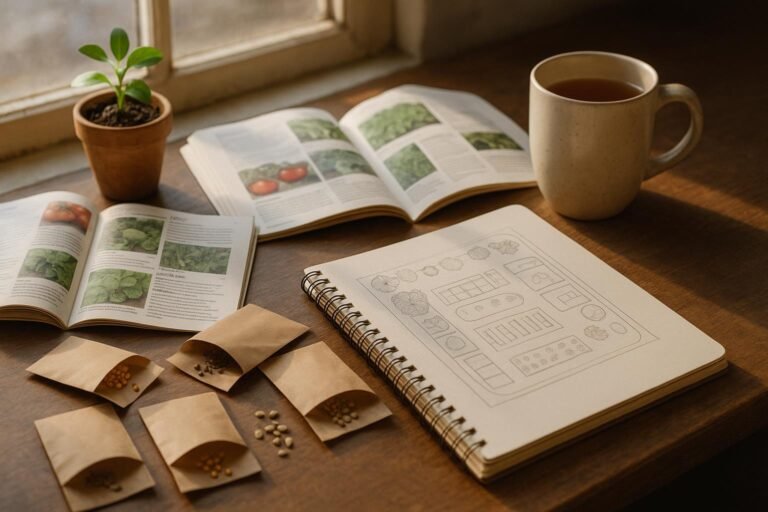
- Foundational tasks: set up a simple watering routine, lay out a weekly garden journal, and label everything clearly.
Expected outcomes: a functional starter space, a track record of germination and growth, and the first taste of harvests you can celebrate.
Stage 2: Groundwork and Foundations
Time frame: spring into early summer. Focus: soil, moisture management, and sturdier plantings.
What to do:
- Expand your palette with hardy vegetables and perennials that tolerate cool temps or partial shade.
- Improve soil structure: add compost, mulch for moisture retention, and consider a simple composting bin if you don’t have one.
- Tools to add: a sturdy pair of gloves, a hand rake, a small trowel, and a watering schedule that avoids over-wetting foliage.
- Task cadence: start a basic seedling transplant plan, map out succession planting, and implement a drip or soaker hose if feasible.
- Relatable example: move herbs into deeper pots or raised beds, and give space to quick-growing greens that keep harvests coming between longer crops.
Expected outcomes: healthier soil, steadier harvests, and a clear sense of what you can sustain without burning out.
Stage 3: Palette Expansion
Time frame: late spring through midsummer. Focus: diversifying plant types, attracting pollinators, and expanding edible options.
What to do:
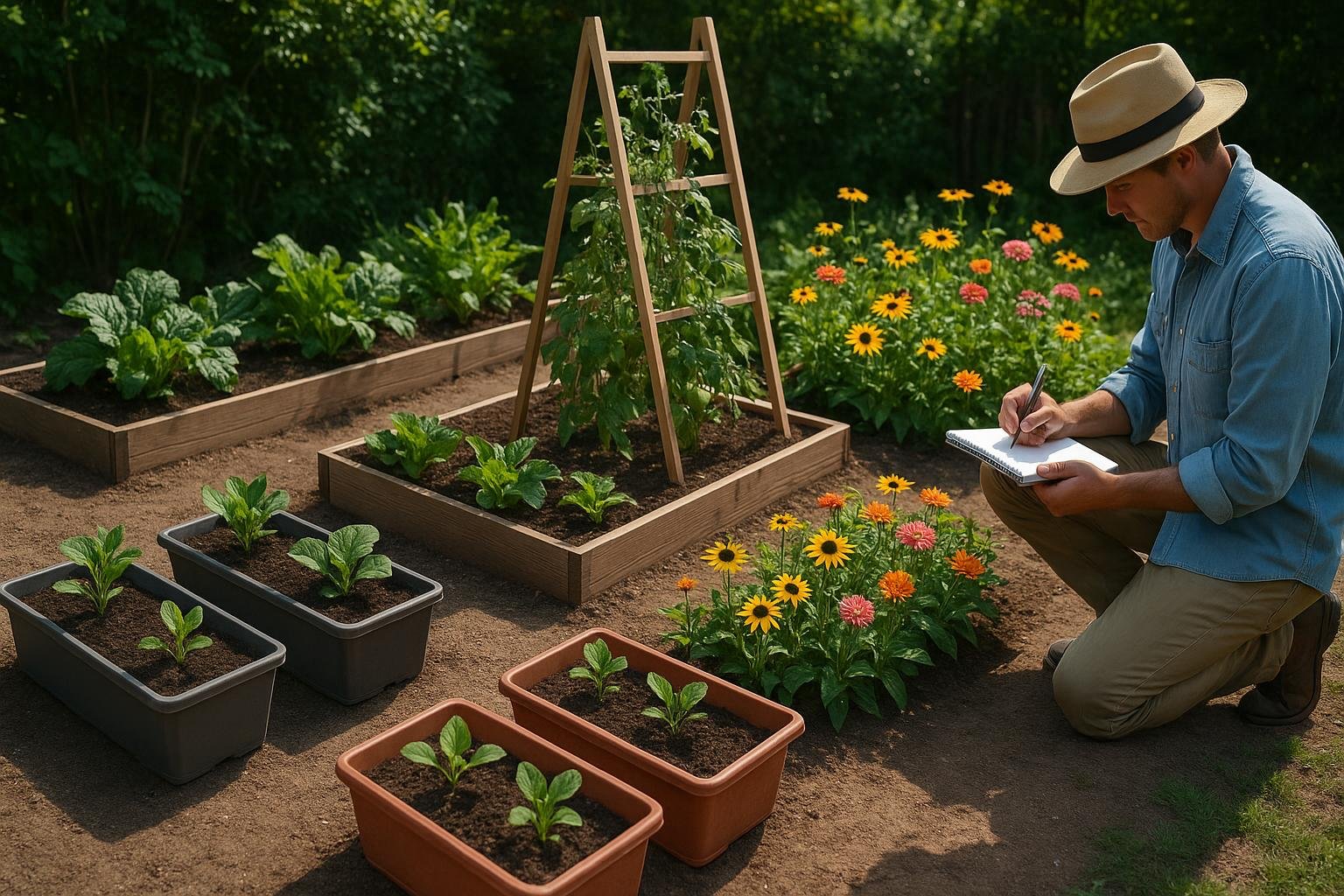
- Add flowers and pollinator-friendly plants to support beneficial insects and natural pest control.
- Introduce fruiting crops or berries where space allows, and trellising for vining plants to maximize vertical space.
- Tools to consider: a soil pH tester, plant support structures, and mulch to reduce weed pressure.
- Tasks: plan for succession planting, monitor pests with natural methods, and begin simple seed saving for next season.
- Relatable example: a reader adds strawberry pots and a small herb border, increasing both aesthetics and harvestability.
Expected outcomes: a more resilient, multi-layered garden that yields more consistently and teaches you how different plants interact in the same space.
Stage 4: Refinement and Automation
Time frame: late summer to early fall. Focus: efficiency, water stewardship, and plant maintenance.
What to do:
- Optimize water use: install a simple drip system or smart timer if possible; reinforce mulch and ground covers to cut evaporation.
- Prune and divide perennials to keep beds productive and prevent overcrowding.
- Automation tools: consider a basic irrigation controller or a rain gauge that helps tailor watering to real conditions.
- Tasks: harvest with intention, begin preserving excess crops, and plan for winter crops or cool-season greens.
- Relatable example: you streamline irrigation, compost more efficiently, and prune away tired growth to encourage fresh blooms come spring.
Expected outcomes: a leaner, more reliable system that saves time and reduces waste, plus a sense of mastery over seasonal cycles.
Stage 5: Mastery and Mentorship
Time frame: fall through winter. Focus: sharing knowledge, expanding your network, and sustaining momentum.
What to do:
- Record lessons in a garden journal or blog; note what worked, what didn’t, and why.
- Offer a small seed library or plant cuttings to neighbors; host a mini-workshop or swap event.
- Invest in higher-level tools as needed: long-handled pruners, a more robust compost system, or a lightweight gardening bench.
- Tasks: plan next year’s big moves, evaluate your space for potential expansion, and mentor a new gardener using the same roadmaps.
- Relatable example: you run a local seed swap and share your stage-by-stage plan so others can replicate your progress.
Expected outcomes: confidence as a teacher and learner, a thriving community around your garden, and a sustainable system you can refine for years to come.
Seasonal mapping for the Northern Hemisphere
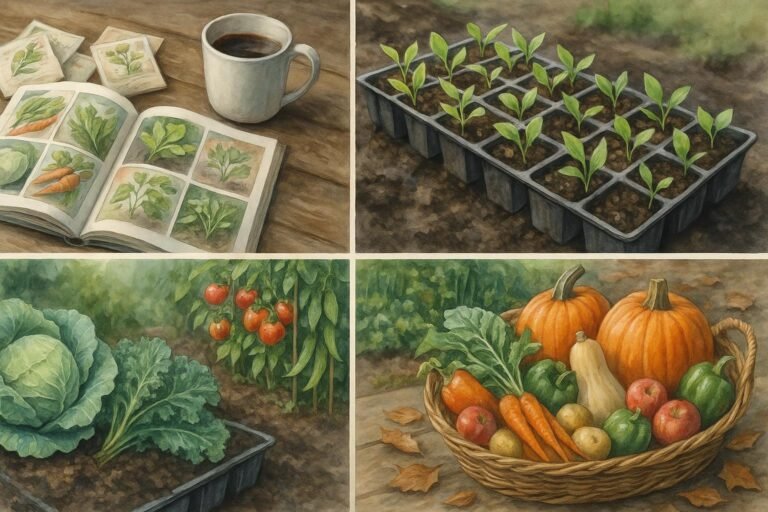
To make the roadmap practical, align each stage with the typical seasonal rhythm:
- Stage 1 aligns with late winter to early spring: seed starting, space planning, and soil preparation.
- Stage 2 aligns with spring: soil improvement, early transplanting, and establishing a watering rhythm.
- Stage 3 aligns with late spring to summer: plant diversification, trellising, and pollinator-friendly additions.
- Stage 4 aligns with late summer to early fall: refinement, water optimization, and harvest planning.
- Stage 5 aligns with fall to winter: reflection, mentorship, and preparation for next year.
Templates you can use today
Dig into practical tools that help you implement the roadmap with less guesswork.
- Seed Starter Template: Plant, Start Date, Transplant Date, Sun Exposure, Water Needs, Notes.
- Tool Kit by Stage Template: Stage 1 tools, Stage 2 tools, Stage 3 tools, Stage 4 tools, Stage 5 tools.
- Task Cadence Calendar Template: monthly tasks and whispered reminders tied to seasonal cues.
- Plant Palette Expansion Plan Template: add 1–2 new plants per stage with goals for pollinators, edible value, and space requirements.
- Quick-Start Project Template: a simple 6-week mini-project that demonstrates progression from Stage 1 to Stage 2.
Real-world examples from a hobbyist gardener
Louisa started with a south-facing balcony in February, growing a handful of herbs and a lettuce mix. By Stage 2, she introduced a small raised bed with carrots and radishes, plus a compost bin she built from pallets. In Stage 3, she added echinacea and calendula for pollinators, and a trellis for cucumbers. Stage 4 brought a drip irrigation line and a compact pruning routine that kept perennials tidy. In Stage 5, she hosted a neighborhood seed swap and kept a shared garden journal with tips for newcomers. Her journey illustrates how the five stages scale from a simple balcony to a productive, community-centered plot.
Quick-start plan for the next season
Use this mini-roadmap to kick off your first steps now.
- Choose your stage: if you’re a beginner, start with Stage 1 elements today.
- Set a small space goal: one container or one raised bed with a clear harvest target.
- Pick 1–2 beginner crops and 1 pollinator-friendly plant to introduce this season.
- Publish or log your plan: a simple note or a photo diary helps you track progress.
- Schedule a monthly review: what worked, what surprised you, and what you’ll tweak next month.