Color-First Gardening: Build Vibrant Beds and Containers That Scale From Beginner to Expert
What is color-first gardening and why it benefits gardeners at every level
What is color-first gardening?
Color-first gardening is a planning approach that places color harmony at the design stage. Instead of choosing plants reactively, you map how rhythm, brightness, and contrast will appear across beds and containers before a single seed is sown. This method uses color theory—analogous, complementary, and triadic schemes—to create cohesive, vibrant landscapes from the start. The great thing is that color-first gardening scales with your skill: you can begin with simple palettes and grow into more nuanced combinations as your confidence and knowledge expand.
Benefits for gardeners at every level
Color-first gardening offers practical advantages whether you’re new to the garden or refining a seasoned plot. Key benefits include:
- Clear design goals that reduce indecision and impulse planting
- Consistent color rhythm across beds and containers for a polished look
- A framework that adapts as your experience grows, from beginner-friendly choices to more complex palettes
- Better bloom timing and seasonal interest, so color persists throughout the year
- Improved pollinator appeal by coordinating flowering windows and plant heights
How color-first gardening scales with skill
The beauty of this approach is its modular nature. Start with one color story and a single block of color, then expand to additional blocks as you gain experience. Helpful steps include:
- Begin with a small, three-color palette (one dominant color, one supporting color, and a neutral or accent)
- Test a compact, modular block that can slide into existing beds or containers
- Track bloom times and adjust plant choices to maintain color continuity
- Gradually incorporate more plant forms, textures, and heights to deepen the look
Practical steps from seed starting to maintenance
Following a color-first framework from seed to season end keeps color vibrant while building confidence. The steps below blend planning with hands-on care.
Seed starting for color-first beds
Seed-starting decisions set the stage for color. Plan for color blocks that begin at the seedling stage and continue through maturity. Practical tips:
- Choose seeds and seedlings with clear color signals that align to your palette
- Start indoors 6–8 weeks before your last frost for tender annuals and fast color bursts
- Label varieties by color and bloom time to help with later garden mapping
- Use seed trays with uniform spacing so color blocks grow evenly
- Transplant with care to preserve root systems and ensure quick establishment
Designing with modular color blocks
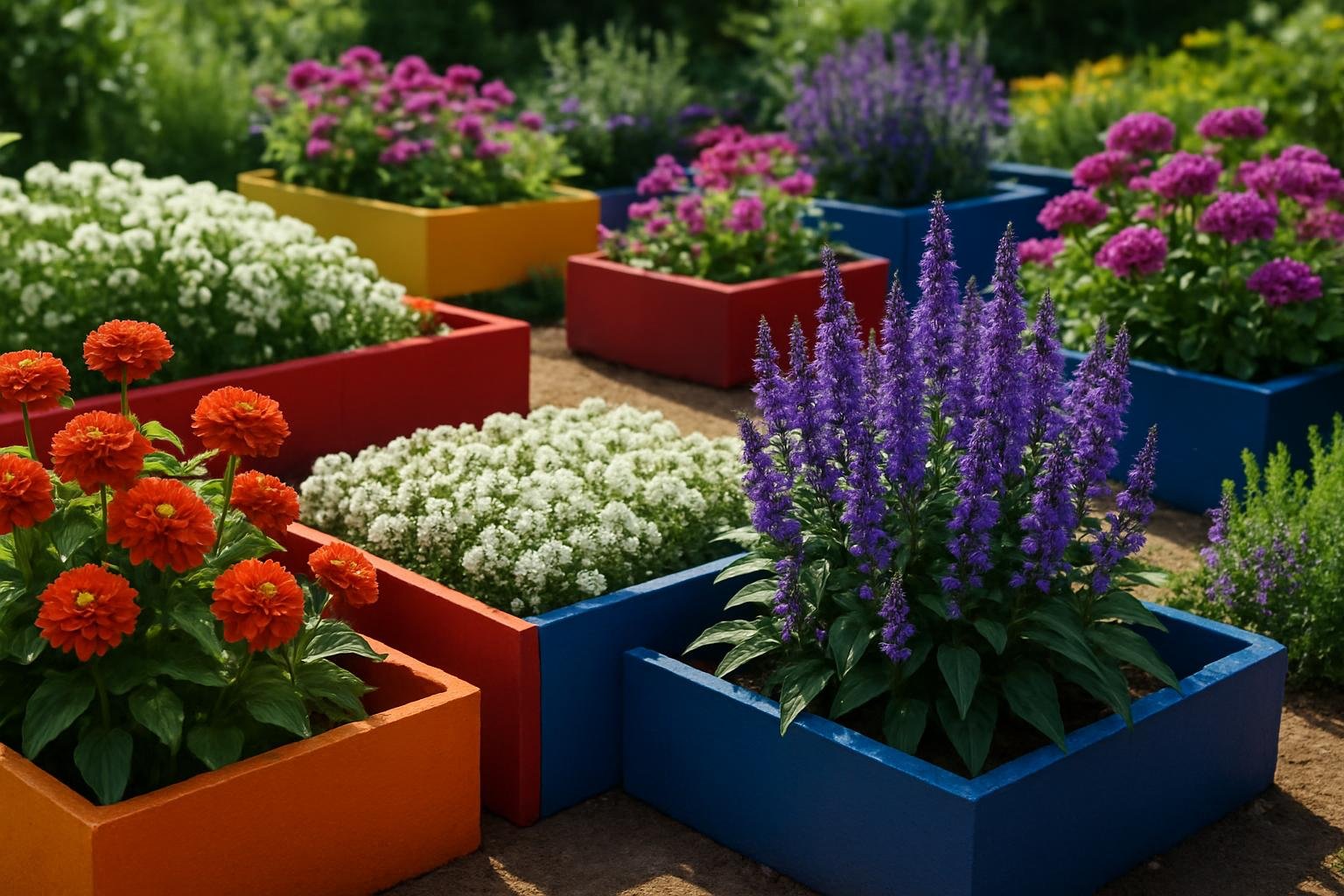
Modular color blocks are the backbone of color-first gardening. Visualize your space as a patchwork of color modules that can be rearranged as needed. How to implement:
- Define 2–4 color blocks per bed, each occupying a distinct visual zone
- Assign a focal plant within each block to anchor the color story
- Group plants by bloom time so color persists across seasons
- Use a unifying element—like a repeated foliage color or a common container style—to tie blocks together
Choosing beginner-friendly plants that still offer depth
You don’t have to sacrifice resilience for color. Start with easy options and gradually sample more complex textures and forms as you grow. Beginner-friendly plant ideas by block:
- Dominant color block: zinnias, nasturtium, marigolds in vivid reds and oranges
- Supporting color block: salvias and bachelor’s buttons in blues and purples
- Accent or neutral block: white or pale cream flowers (alyssum, verbena, daisies) to lighten and unify
- Year-round interest: evergreen foliage or winter-blooming selections to maintain color structure in off-season
As you gain experience, replace or mix in more nuanced varieties—often with deeper forms of color, variegated foliage, or unique flower shapes—to add complexity without losing cohesion.
Season-aware planning: mapping color across the year
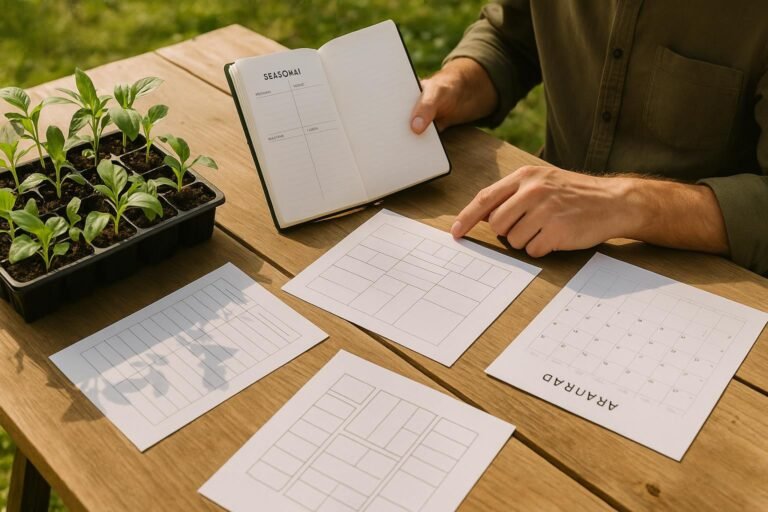
Color-first gardening thrives on season-aware planning. Build a calendar that aligns color blocks with bloom windows and foliage changes. Strategies include:
- Pair early-spring blooms with late-winter foliage for an extended color presence
- Choose warm-toned colors for bold spring impact and cool-toned shades for calm summer evenings
- Introduce foliage interest—variegated leaves, silver-toned greens, or burgundy foliage—to carry color when blooms fade
- Plant succession groups so a block transitions smoothly from one color story to the next
From bed to container—expanding color-first strategy
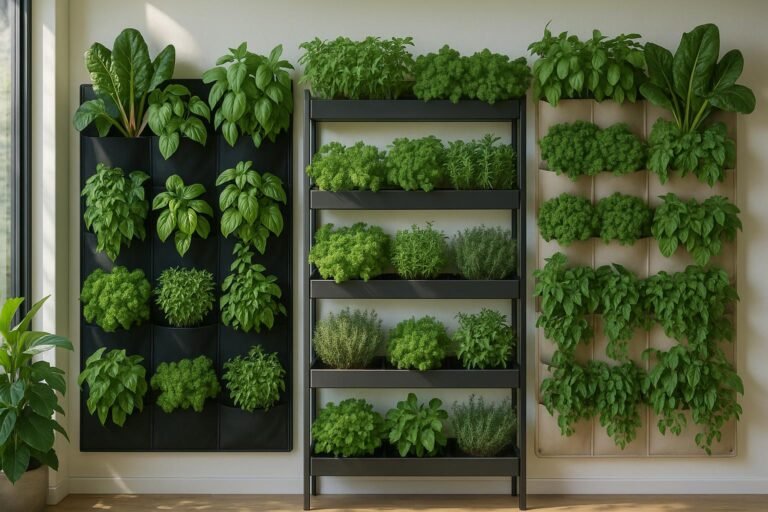
Color-first gardening translates well to containers, which are ideal for testing palettes or creating mobile color blocks. Tips for containers:
- Use a single, cohesive color story across several pots, or create complementary block palettes in one planting area
- Choose compact cultivars and trailing selections that maximize visible color in small spaces
- Replicate soil, sun, and moisture conditions across containers to simplify care
- Group pots by color theme to form portable color islands you can rearrange
Maintenance and growth: keeping color vibrant over time
Maintenance is the quiet engine that sustains color-first beds. A steady routine protects bloom effort and confers long-term confidence. Core practices:
- Water deeply and consistently to prevent stress that dulls color
- Deadhead faded flowers to encourage repeat bloom and a tidy color block
- Mulch to conserve moisture and suppress weeds that steal light and color
- Schedule light pruning to shape form without sacrificing color integrity
- Fertilize according to plant needs and season, focusing on balanced nutrition that supports flowering
Troubleshooting common color alignment issues
Even well-planned color-first gardens face challenges. Quick fixes include:
- If colors clash, reassess the color wheel relationships and swap one block’s plant to align with the harmony
- When blooms stagger or fade, adjust plant selection to tighten color windows or introduce a contrast bloom earlier or later in the season
- Heat waves can dull color; choose heat-tolerant varieties or provide shading during peak sun
- Pests and disease can mute color; monitor early and treat with targeted, least-disruptive methods
Practical quick-start checklist
For readers eager to begin color-first gardening immediately, here is a compact starter checklist:
- Define a simple color story (e.g., warm tones: red, orange, yellow)
- Draft two to four modular color blocks for your primary bed or container group
- Select beginner-friendly plants that fit your climate and sun exposure
- Plan bloom timing to maintain color continuity across seasons
- Start seeds or install sturdy plug plants and label everything clearly
- Establish a routine: weekly observation, monthly pruning, seasonal soil care
Inspiration and next steps
Color-first gardening invites you to see color as a design material rather than a random outcome. Start with simple palettes, test changes in small blocks, and slowly scale up as your confidence grows. Keep a garden color journal—note which combinations pleased you, which colors held strongest, and how bloom windows shifted year to year. Over time, your beds and containers will become living demonstrations of color harmony that evolve with you, from seed to mastery.