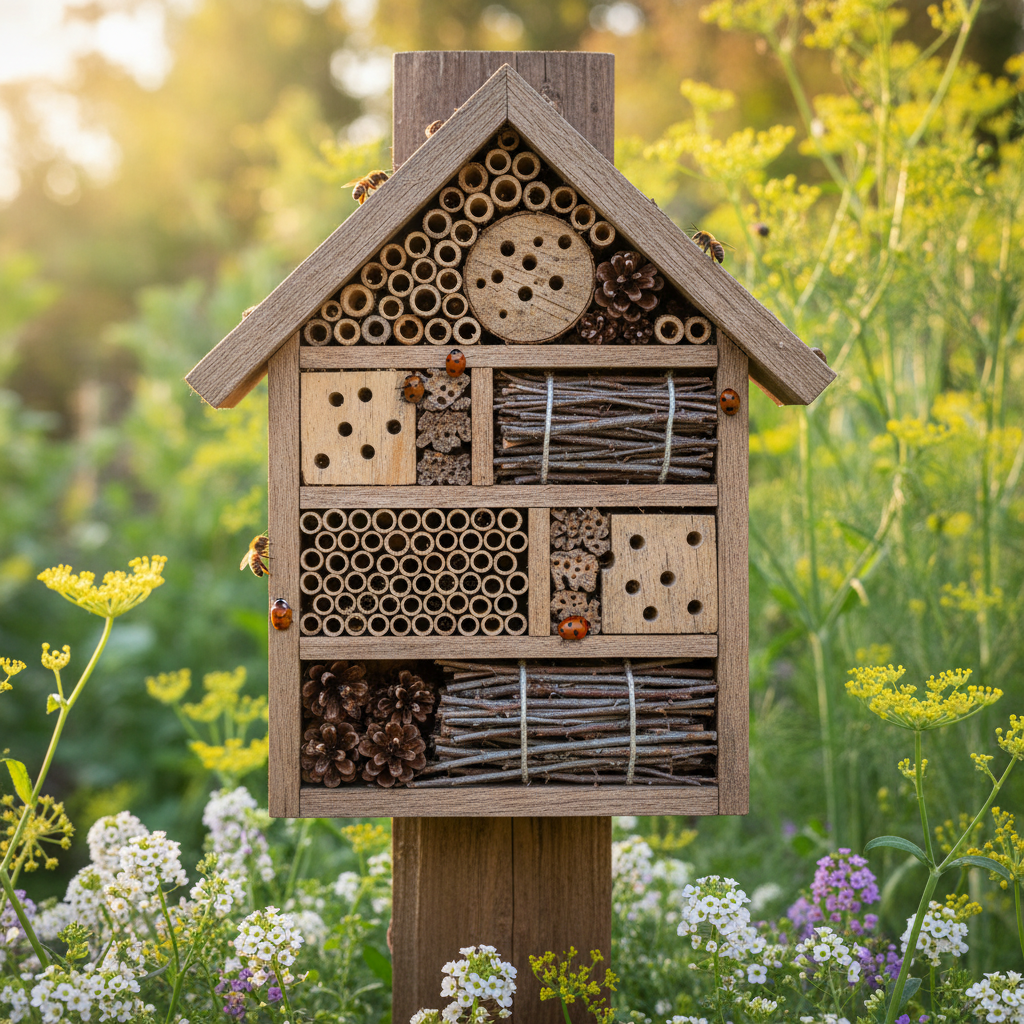
Beneficial Insect Hotels: Attract Natural Pest Control Partners
Creating beneficial insect hotels transforms your permaculture garden into a thriving ecosystem where nature handles pest control for you. These simple structures provide shelter for predatory insects, pollinators, and other helpful creatures that naturally manage garden pests while supporting biodiversity.
Building insect hotels isn’t just about pest management-it’s about working with nature’s intricate web of relationships. When you provide habitat for beneficial insects, you’re investing in a sustainable, long-term solution that grows stronger each season.
Understanding Your Beneficial Insect Allies
Before building your beneficial insect hotels, it’s essential to know which insects you’re inviting. Different beneficial insects require specific materials and conditions, making habitat diversity crucial for success.
Predatory insects like ladybugs, lacewings, and ground beetles actively hunt aphids, caterpillars, and other garden pests. Meanwhile, parasitoid wasps lay eggs in pest insects, providing excellent biological control without harming you or your plants.
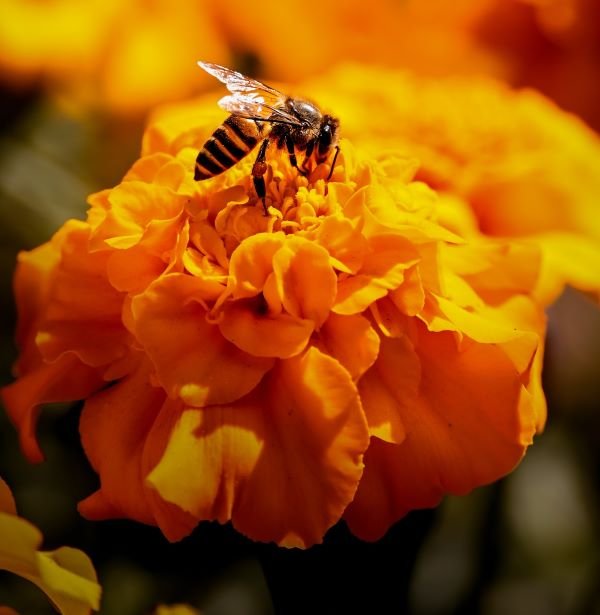
Pollinators such as native bees, including mason bees and leafcutter bees, boost fruit and vegetable production. These solitary bees don’t form colonies like honeybees but are incredibly efficient pollinators for your garden crops.
Additionally, beneficial predators like spiders and earwigs help maintain pest balance, though they require different habitat features than flying insects.
Essential Materials for Beneficial Insect Hotels
The materials you choose directly influence which beneficial insects will colonize your hotels. Natural, untreated materials work best and provide the specific textures and cavity sizes different species prefer.
Bamboo tubes cut to 6-8 inches long attract mason bees and leafcutter bees. Choose tubes with internal diameters between 6-10mm for optimal occupancy. Similarly, hollow plant stems from plants like elderberry, sumac, or dried sunflower stalks provide similar nesting opportunities.
Drilled wood blocks create excellent nesting sites when you bore holes of varying diameters (4-12mm) about 6 inches deep. Use hardwoods like oak or maple, avoiding treated lumber that could harm beneficial insects.
Pine cones, bark pieces, and bundled twigs offer shelter for predatory insects like lacewings and beneficial beetles. These materials create the irregular spaces and hiding spots that ground-dwelling predators prefer.
For moisture-loving beneficial insects, include some slightly damp materials like moss or rotting wood in protected sections of your hotel.
Design Principles for Effective Insect Hotels
Successful beneficial insect hotels follow specific design principles that mimic natural habitat conditions. These guidelines ensure your structures attract and retain beneficial insects throughout the growing season.
Size and structure matter. Build hotels at least 12 inches tall and 8 inches deep to provide adequate protection from weather and predators. Create multiple compartments using different materials to attract diverse beneficial species.
Ensure proper drainage by angling your hotel slightly forward and including drainage holes in the bottom. This prevents water accumulation that could harm developing beneficial insects or create mold problems.
Ventilation is crucial but shouldn’t create drafts. Leave small gaps between sections while ensuring the overall structure remains weatherproof. A slanted roof protects the interior while maintaining airflow.
Consider the structural integrity carefully. Just like choosing durable garden tools, your beneficial insect hotels need sturdy construction to withstand multiple seasons of use.
Strategic Placement for Maximum Impact
Where you place your beneficial insect hotels significantly affects their success in attracting pest control partners. Location determines both occupancy rates and the effectiveness of biological pest control in your garden.
Morning sun exposure is ideal for most beneficial insects, as it helps them warm up quickly and become active. However, avoid all-day direct sun that could overheat the hotel interior.
Place hotels 3-6 feet above ground level to provide security from ground predators while remaining accessible for maintenance. Secure mounting prevents wind damage and maintains stable conditions for developing beneficial insects.
Proximity to diverse plantings increases hotel effectiveness. Beneficial insects need nectar sources, hunting grounds, and varied habitat nearby. Creating microforest systems provides this diversity naturally.
Install multiple smaller hotels throughout your garden rather than one large structure. This distributed approach provides pest control coverage across your entire growing area.
Seasonal Management and Maintenance
Proper maintenance ensures your beneficial insect hotels remain effective pest control partners year after year. Different seasons require specific care approaches to support beneficial insect lifecycles.
Spring preparation involves gentle cleaning and inspection. Remove any damaged materials and replace them with fresh options. This timing allows beneficial insects to emerge naturally while providing clean habitat for the new season.
During summer, monitor for signs of beneficial insect activity without disturbing active nests. Look for sealed tube entrances indicating successful nesting, and note which materials attract the most beneficial species.
Fall maintenance focuses on weather protection rather than cleaning. Many beneficial insects overwinter in your hotels, so avoid disturbing materials during this crucial period.
Winter offers planning time for next season’s improvements. Using garden planning templates helps track which hotel locations and materials proved most successful.
Integrating Hotels with Companion Planting
Beneficial insect hotels work best when integrated with strategic companion planting that supports beneficial insect lifecycles. This approach creates a complete habitat system rather than isolated shelter.
Nectar-rich flowers provide adult beneficial insects with essential energy sources. Plant alyssum, fennel, dill, and yarrow near your hotels to support predatory and parasitoid species.
Include native flowering plants that bloom at different times throughout the season. This extended bloom calendar ensures consistent food sources for your beneficial pest control partners.
Pest-prone plants strategically located near insect hotels create hunting opportunities for predatory species. This placement maximizes biological control where you need it most.
When selecting seeds for companion plants around your hotels, choose varieties specifically known for attracting beneficial insects, focusing on heirloom and native species that provide the best habitat support.
Troubleshooting Common Challenges
Even well-designed beneficial insect hotels sometimes face challenges that reduce their effectiveness. Understanding common problems helps you maintain successful pest control partnerships.
Poor occupancy rates often indicate placement or material issues. Try moving hotels to different locations or experimenting with various materials to find what works in your specific microclimate.
If pest insects rather than beneficial species colonize your hotels, evaluate nearby plant health and diversity. Stressed plants attract pests, while healthy, diverse plantings support beneficial insects.
Weather damage can be minimized through proper construction and strategic placement. Ensure adequate protection while maintaining the accessibility beneficial insects need.
Some gardeners worry about creating pest habitat instead of beneficial insect shelter. This concern highlights the importance of understanding local insect identification and maintaining overall garden health through proper soil management and diverse plantings.
Building Your First Beneficial Insect Hotel
Starting with a simple, small-scale beneficial insect hotel allows you to learn what works in your garden while providing immediate habitat for pest control partners.
Begin with basic materials you likely have available: bamboo tubes, drilled wood blocks, and bundled twigs. This approach keeps costs low while you experiment with design and placement.
Create a simple frame using untreated wood scraps, then fill compartments with different materials. Label sections to track which materials attract beneficial insects in your specific location.
Start small and expand gradually as you gain experience and observe results. This approach aligns with safe garden experimentation principles that build confidence through manageable projects.
Document your observations throughout the first season, noting which beneficial insects you attract and how effectively they control pest populations in nearby garden areas.
Building beneficial insect hotels represents a fundamental shift toward working with nature’s pest control systems. These simple structures create habitat for the allies that naturally maintain garden balance, reducing your need for interventions while supporting biodiversity. Start with one small hotel this season, and watch as beneficial insects transform your garden into a self-regulating ecosystem where pest control happens naturally.