Shrub Layer Secrets: Mid-Story Plants That Multitask
The shrub layer is the unsung hero of productive food forests, bridging the gap between towering canopy trees and ground-hugging herbs. These hardworking mid-story plants don’t just fill space-they multitask like garden superstars, providing food, medicine, habitat, and structural support all in one package.
Most gardeners focus on the flashy canopy or the easy-to-grow ground cover, but savvy permaculture practitioners know the shrub layer holds the secret to a truly productive ecosystem. When chosen wisely, these versatile plants become the backbone of your food forest, working year-round to support everything around them.
Why the Shrub Layer Matters in Food Forest Design
Think of the shrub layer as your garden’s middle management team. These plants typically range from 3 to 15 feet tall, creating crucial habitat niches while producing abundant yields. Unlike annual vegetables that need constant replanting, established shrubs provide decades of harvests with minimal input.
The shrub layer also plays a vital ecological role. It creates windbreaks that protect smaller plants, provides nesting sites for beneficial birds, and helps cycle nutrients from deep soil layers up to the surface. This natural infrastructure makes your entire garden more resilient and productive.
Moreover, shrubs excel at creating beneficial microclimates within your garden space. They can provide afternoon shade for heat-sensitive plants or act as living mulch producers, dropping leaves that feed the soil biology below.
Food-Producing Shrub Layer Champions
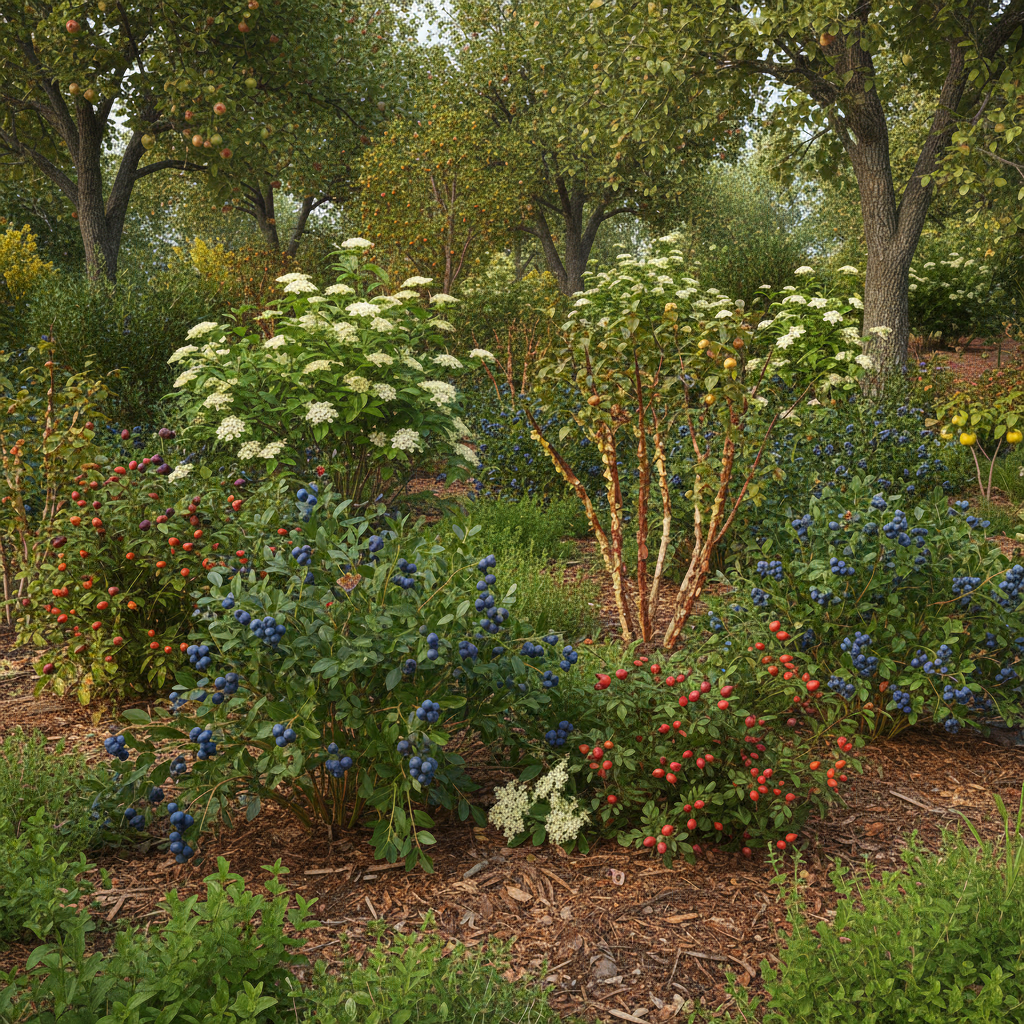
Berry bushes reign supreme in the edible shrub category. Blueberries offer spring flowers, summer fruit, and stunning fall color while preferring acidic soil that many other plants struggle with. Elderberries provide immune-boosting berries and edible flowers, plus they tolerate wet conditions where other shrubs fail.
Currants and gooseberries deserve more attention in American gardens. These European favorites produce abundant fruit in partial shade, making them perfect for planting under fruit trees. Red currants offer tart berries perfect for jams, while black currants provide vitamin C powerhouses.
Don’t overlook hazelnuts for protein production. These compact shrubs produce nuts within 3-5 years and fix nitrogen in the soil. Plant multiple varieties for better pollination and extended harvest seasons.
Aronia berries (chokeberries) handle harsh winters and poor soils while producing antioxidant-rich fruits. They’re incredibly low-maintenance once established, making them ideal for beginning food forest designers.
Medicinal Shrub Layer Powerhouses
The shrub layer excels at medicine production too. Echinacea forms beautiful flowering shrubs that support pollinators while providing immune system support. The roots, leaves, and flowers all have medicinal applications.
Rose hips from rugosa roses offer vitamin C through winter months. These tough shrubs handle salt spray, harsh winds, and neglect while producing fragrant flowers and nutritious hips. They also create impenetrable barriers when planted as hedgerows.
Spicebush thrives in shade where few other useful shrubs grow. Native Americans used every part of this plant-leaves for tea, berries as allspice substitute, and twigs for medicinal preparations. It’s also a host plant for spicebush swallowtail butterflies.
American witch hazel provides late-season interest with its distinctive yellow flowers appearing after leaf drop. The astringent properties of bark and leaves make it valuable for natural first aid preparations.
Structural Support and Wildlife Habitat
Smart shrub layer planning creates living infrastructure. Serviceberries (Juneberries) grow quickly into small trees, providing early season flowers for pollinators and sweet berries for humans and birds. Their fall color rivals any ornamental tree.
Ninebark offers year-round interest with exfoliating bark, spring flowers, and persistent seed heads. It handles wet or dry conditions and provides dense nesting habitat for songbirds. The white flower clusters support dozens of beneficial insect species.
Native viburnums like American cranberry bush produce edible berries while creating crucial habitat structure. These shrubs support over 100 species of moths and butterflies as caterpillar host plants.
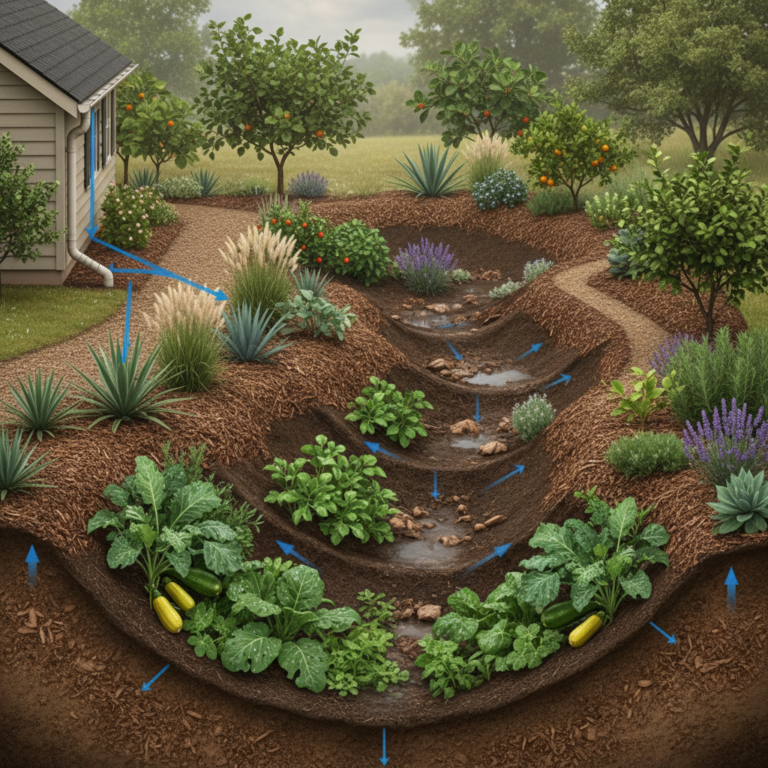
Consider incorporating strategic placement techniques when designing your shrub layer for maximum ecological benefit.
Design Strategies for Maximum Impact
Successful shrub layer design starts with understanding your site conditions. Assess your soil type, drainage, and sun exposure before selecting plants. Group shrubs with similar water and nutrient needs together for easier management.
Create diversity in height, bloom time, and harvest seasons. Early-flowering shrubs like spicebush feed emerging pollinators, while late-season producers like rose hips provide wildlife food through winter. Stagger your plantings to extend harvest windows and visual interest.
Plan for mature sizes when spacing shrubs. Most gardeners plant too closely, creating overcrowded conditions that reduce air circulation and increase disease pressure. Research mature spread and plant accordingly, even if it looks sparse initially.
Use the shrub layer to solve garden problems. Plant elderberries in wet areas where other shrubs struggle. Use thorny roses or barberries as living fences to exclude deer or define property boundaries.
Getting Started with Your Shrub Layer
Begin small with proven varieties suited to your climate zone. Native plants typically require less maintenance and provide better wildlife support than exotic species. Contact your local extension office for region-specific recommendations.
Spring planting gives shrubs a full growing season to establish before winter stress. However, fall planting works well in milder climates and often results in better root development. Prepare planting sites by improving drainage and adding compost to heavy clay soils.
Consider starting with faster-establishing shrubs like elderberry or ninebark for quicker results, then add slower-growing but longer-lived species like hazelnuts or blueberries. This approach provides immediate habitat and food while permanent plantings mature.
Most shrub layer plants benefit from mulching and regular watering during their first year. After establishment, many become drought-tolerant and require minimal maintenance beyond annual pruning and harvest.
Common Mistakes to Avoid
Resist the urge to overfertilize newly planted shrubs. Excessive nitrogen encourages soft growth susceptible to winter damage and pest problems. Instead, focus on soil health improvement through compost and mycorrhizal inoculants.
Don’t ignore pruning requirements. Many fruiting shrubs produce better on younger wood and benefit from annual thinning. Research specific pruning needs for each species rather than applying one-size-fits-all approaches.
Avoid monocultures in your shrub plantings. Diversity provides insurance against pest outbreaks and disease problems while supporting broader wildlife populations. Mix species with different bloom times, growth habits, and ecological functions.
The shrub layer transforms ordinary gardens into productive ecosystems that work harder with less input. These multitasking plants provide the structure and diversity that make food forests successful, proving that the middle story deserves top billing in sustainable garden design. Start planning your shrub layer today, and watch your garden ecosystem flourish for decades to come.