Guild Gardens: 3 Plant Communities That Support Each Other
Transform your garden into a thriving ecosystem with guild gardens – carefully designed plant communities where each species supports the others. Instead of struggling with pest problems and poor soil, you’ll create self-sustaining partnerships that naturally improve growing conditions and boost yields.
Guild gardens represent the heart of permaculture design, mimicking nature’s way of growing diverse plants together for mutual benefit. When you understand these plant relationships, your garden becomes more productive while requiring less maintenance.
What Makes Guild Gardens So Powerful?
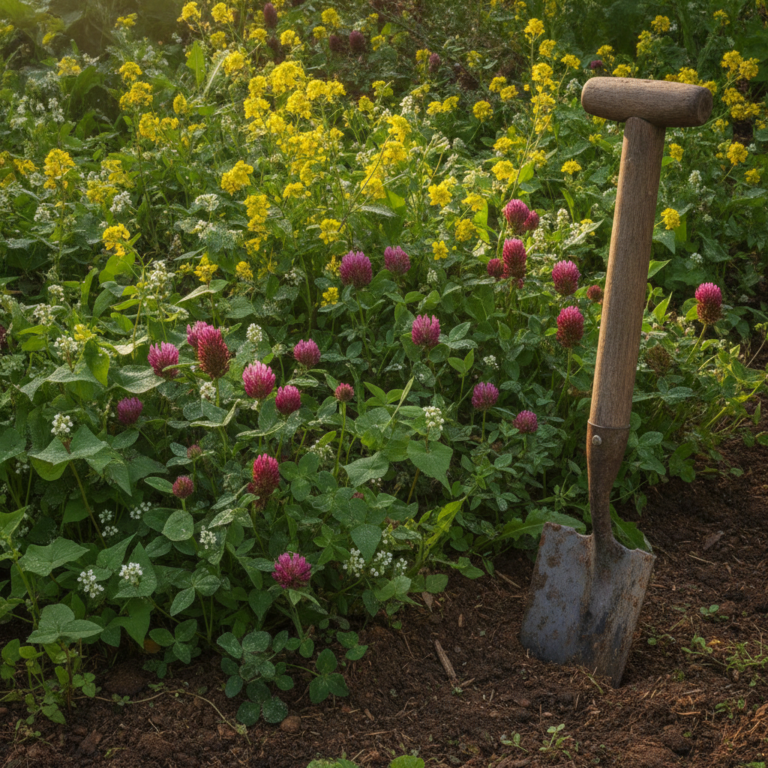
In nature, plants rarely grow alone. They form communities where deep-rooted trees bring up nutrients for shallow-rooted herbs, nitrogen-fixing plants feed their neighbors, and aromatic plants repel each other’s pests. Guild gardens harness these natural partnerships.
The magic happens when you combine plants with complementary needs and offerings. For example, while one plant attracts beneficial insects, another might improve soil structure, and a third provides natural pest control. Together, they create a balanced system that’s greater than the sum of its parts.
This approach reduces your workload significantly. Instead of constantly fighting problems, you prevent them by designing plant communities that naturally maintain health and fertility.
Guild Garden #1: The Classic Apple Tree Community
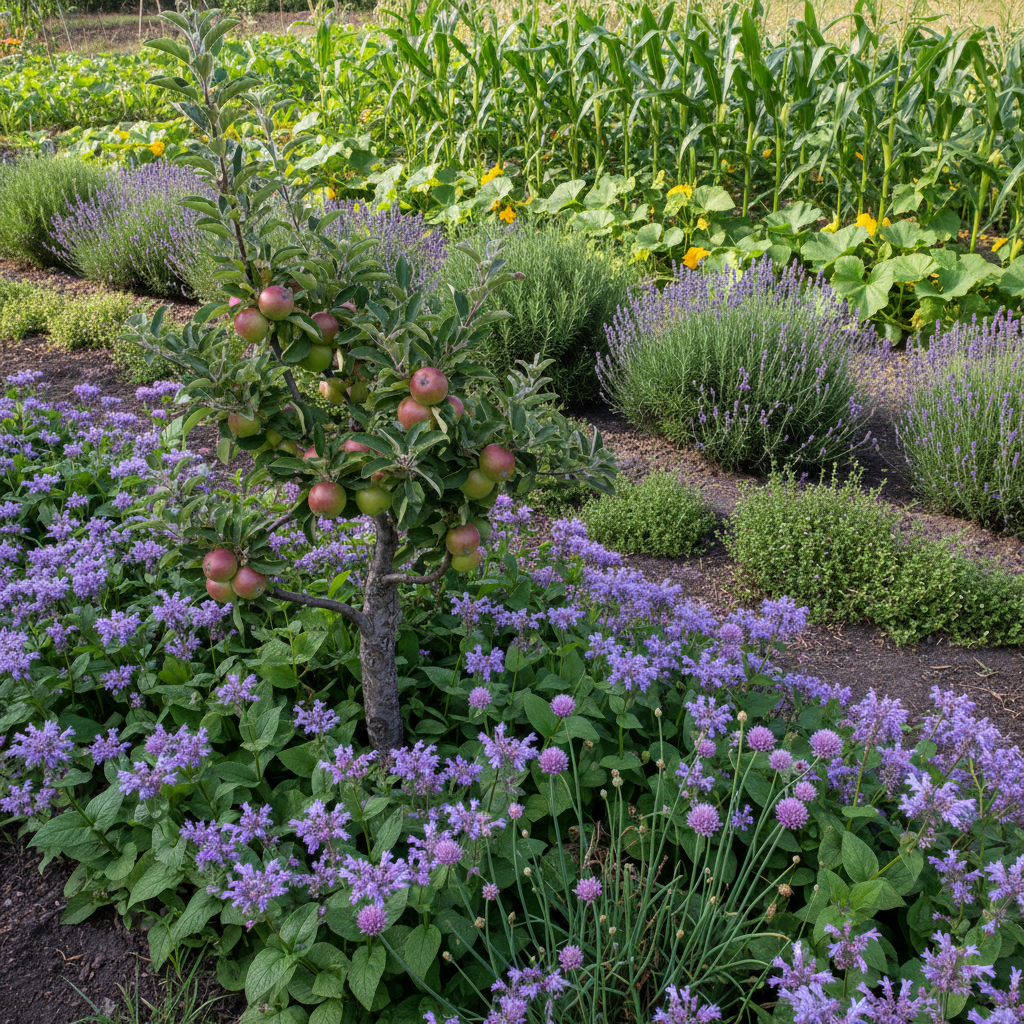
The apple-comfrey-chives guild remains the gold standard for guild gardens because it demonstrates perfect plant cooperation. This time-tested combination works in most temperate climates and provides food, medicine, and soil improvement.
The Apple Tree (Centerpiece)
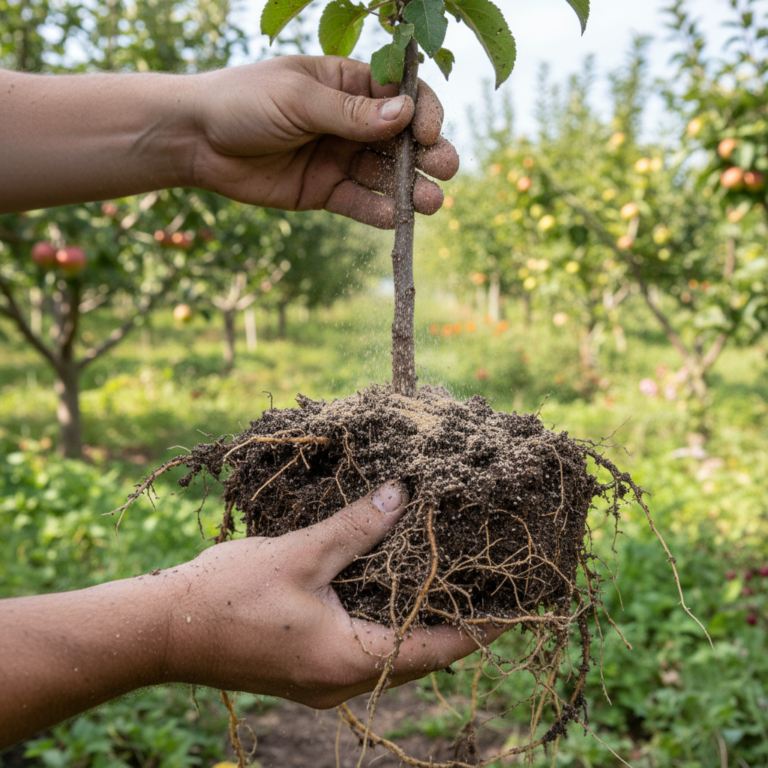
Your apple tree serves as the guild’s anchor, providing structure and long-term food production. Choose disease-resistant varieties suited to your climate – this foundation decision impacts your entire guild’s success.
Comfrey (Dynamic Accumulator)
Plant comfrey in a ring around your apple tree, about 6 feet from the trunk. Its deep taproot pulls nutrients from far below, then concentrates them in leaves you can harvest as mulch. Comfrey also attracts beneficial insects and improves soil structure.
Chives (Pest Management)
Scatter chives throughout the guild, especially near the tree’s drip line. Their sulfur compounds naturally repel aphids and other pests that commonly attack apple trees. Plus, you’ll harvest fresh chives for cooking while protecting your tree.
Supporting Cast
Add nasturtiums for additional pest control and edible flowers. Plant daffodils to deter rodents from damaging roots. Include strawberries as a living mulch that produces food while suppressing weeds.
Guild Garden #2: The Mediterranean Herb Alliance
Perfect for sunny, well-drained areas, this guild combines culinary herbs that thrive together while creating natural pest management. This community works especially well in containers or raised beds.
Rosemary (The Protector)
Position rosemary as your guild’s backbone plant. Its strong aroma deters many garden pests, while its evergreen structure provides year-round presence. In cold climates, grow rosemary in containers you can move indoors.
Lavender (Beneficial Insect Magnet)
Plant lavender nearby to attract pollinators and beneficial predatory insects. Its flowers provide nectar while its scent confuses pest insects. Harvest the flowers for cooking, crafts, or natural pest deterrents.
Thyme (Ground Cover)
Use thyme varieties as living mulch around taller plants. Different thymes offer various flavors while suppressing weeds and retaining soil moisture. Many varieties spread naturally to fill gaps.
Supporting Players
Add oregano for additional pest control and cooking herbs. Include sage for its antimicrobial properties and ability to improve nearby plants’ flavor. Plant marigolds at the edges for nematode control and bright color.
Guild Garden #3: The Nitrogen-Fixing Vegetable Patch
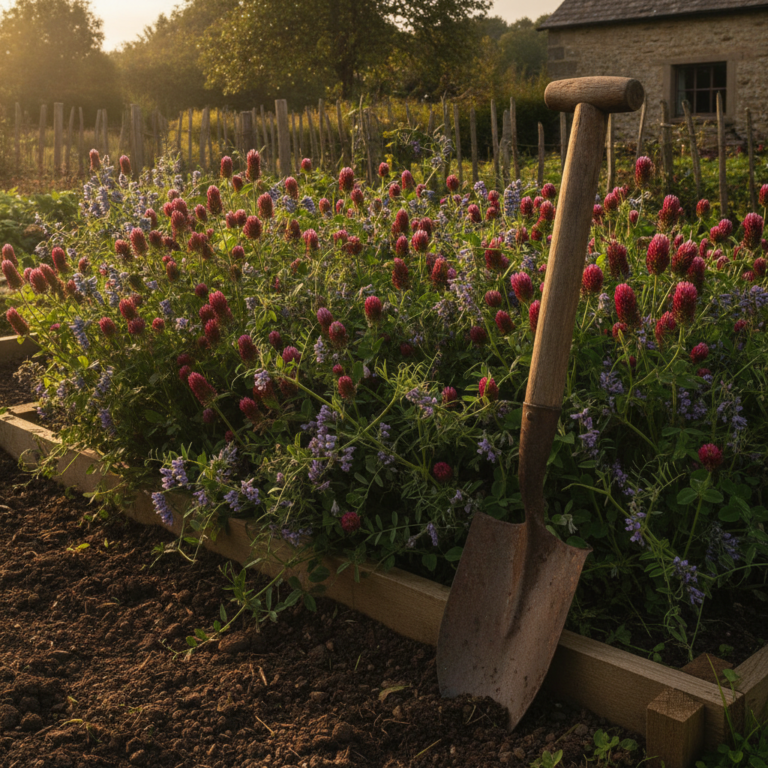
This productive guild gardens combination focuses on vegetables that support each other’s growth while providing diverse harvests throughout the season. It’s perfect for annual vegetable production with permaculture principles.
Beans (The Soil Builders)
Plant climbing beans as your guild’s nitrogen source. Their root nodules fix atmospheric nitrogen, feeding surrounding plants. Use sturdy supports like corn stalks or trellises for vertical growing.
Corn (Living Support)
Grow tall, sturdy corn varieties to support climbing beans. The corn benefits from the nitrogen the beans provide, while offering structure for vertical growth. Choose open-pollinated varieties for seed saving.
Squash (Living Mulch)
Plant winter squash to spread between corn and bean plantings. Large squash leaves shade soil, retain moisture, and suppress weeds while producing food. Their prickly stems also deter some pests.
Complementary Additions
Interplant with sunflowers for additional height and beneficial insect habitat. Add basil near the edges to repel pests and provide cooking herbs. Include calendula flowers for pest management and edible petals.
Adapting Guilds to Your Space and Climate
Successfully implementing guild gardens requires matching plant communities to your specific growing conditions. Start by understanding your garden’s unique characteristics before selecting guild combinations.
First, assess your climate zone, rainfall patterns, and growing season length. The Mediterranean herb guild thrives in hot, dry conditions but struggles in humid climates where fungal diseases pressure these plants. Conversely, the apple guild works well in temperate areas with distinct seasons.
Consider your available space carefully. The three sisters guild needs room for spreading squash vines, while the herb alliance works perfectly in compact areas. You can scale any guild up or down by adjusting plant quantities and spacing.
Soil conditions matter tremendously. Before establishing any guild, take time to understand your soil’s characteristics and needs. Some guilds improve poor soil over time, while others require good drainage from the start.
Getting Started with Your First Guild Garden
Begin your guild garden journey with a small, manageable project rather than transforming your entire landscape at once. Choose one guild that matches your climate, space, and interests, then expand your knowledge through hands-on experience.
Start planning in late winter or early spring, giving yourself time to source plants and prepare the site properly. Consider beginning with small experimental plots to test plant combinations before committing to larger installations.
Success comes from observing how your plants interact and adjusting based on what you see. Keep detailed records of what works well and what challenges arise – this information becomes invaluable for expanding your guild garden system.
Most importantly, remember that guild gardens develop over time. Your first year focuses on establishment, while years two and three reveal the true magic of plant cooperation. Be patient as your ecosystem matures into the self-sustaining paradise you’re creating.
Guild gardens offer an exciting pathway to more productive, sustainable gardening. By understanding how plants support each other, you’ll create thriving ecosystems that work with nature rather than against it. Start with one guild this season and watch your garden transform into a cooperative community of plants working together for abundant harvests.