Edge Zones: Double Your Growing Space With Transition Areas
Edge zones represent one of permaculture’s most powerful design principles, offering gardeners the opportunity to dramatically increase productivity by utilizing transition areas between different garden spaces. These unique microenvironments create specialized growing conditions that can literally double your garden’s output while enhancing biodiversity and system resilience.
In nature, edge zones are where the most life exists. Think about where a forest meets a meadow, or where a pond transitions to dry land. These areas buzz with activity because they combine resources and conditions from both adjacent ecosystems, creating opportunities for plants and animals that wouldn’t thrive in either zone alone.
Understanding Edge Zones in Your Garden Design
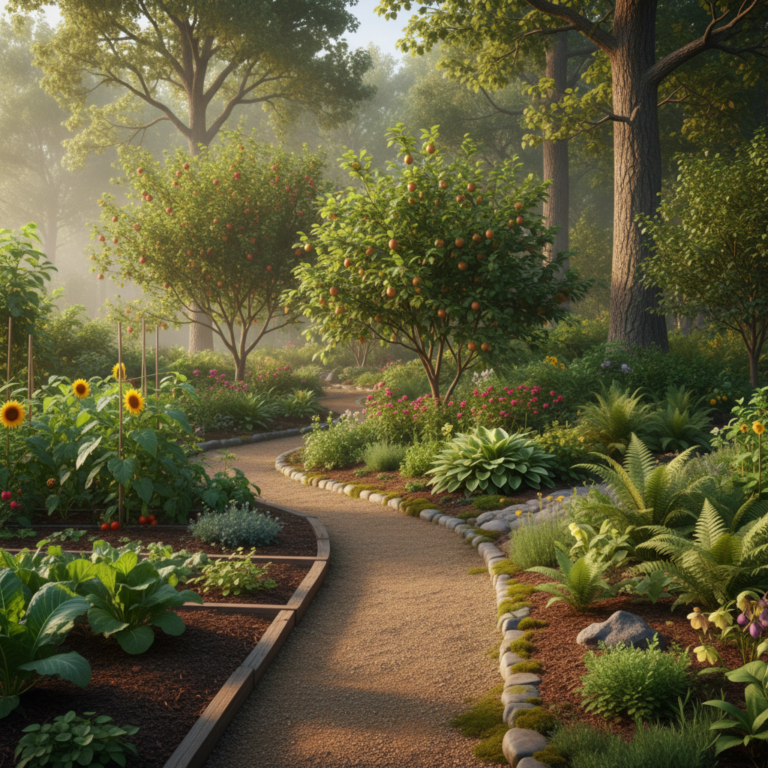
Edge zones in your garden are the transition areas between different microclimates, plant communities, or functional spaces. They might exist where your sunny vegetable patch meets the shade of your fruit trees, where your herb spiral transitions to your lawn, or where your compost area borders your flower beds.
These transitional spaces often receive overlooked attention, yet they offer incredible potential for increasing your garden’s productivity. Moreover, they create natural buffers that protect more sensitive plants while providing diverse growing conditions for specialized crops.
The key to maximizing edge zones lies in understanding that these areas naturally create gradient conditions. Rather than having abrupt changes from sun to shade or wet to dry, you get a gradual transition that opens up planting possibilities for a wider range of plants.
Identifying Natural Edge Zones in Your Space
Start by walking your garden with fresh eyes, looking for existing transition areas. Common edge zones include:
The border where your lawn meets planted beds creates an edge zone perfect for low-growing herbs or ground covers. The transition from your sunny patio to shaded seating areas offers opportunities for container plants that appreciate partial sun.
Furthermore, vertical edges exist too. The space beneath your fruit trees creates an edge zone between the canopy above and open ground elsewhere. These understory areas can support shade-tolerant herbs, berry bushes, or nitrogen-fixing plants that benefit the trees above.
Water edges present another opportunity. If you have a rain garden, pond, or even just areas where rainwater naturally collects, the surrounding zones offer unique moisture gradients perfect for plants with varying water needs.
Creating Artificial Edge Zones for Maximum Impact
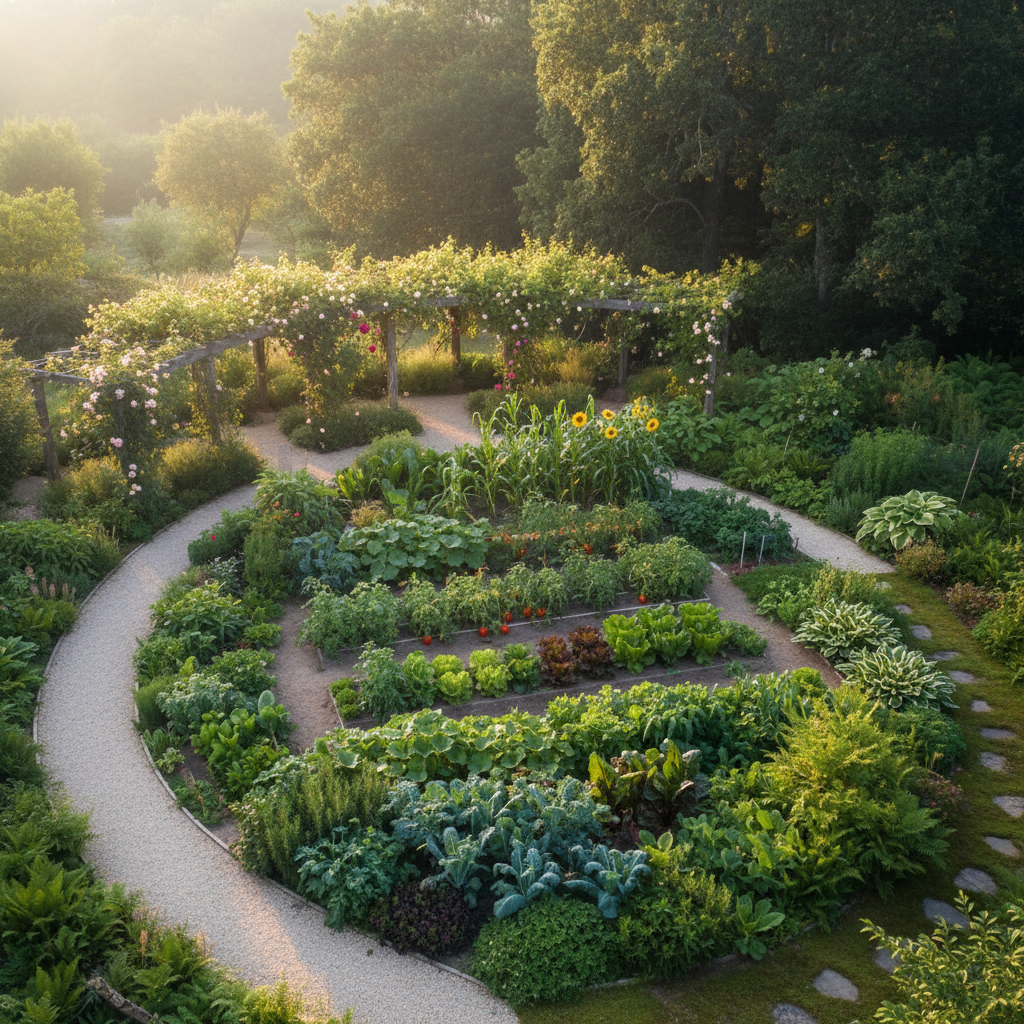
While natural edge zones are valuable, you can also create artificial ones to multiply your growing opportunities. Building raised beds creates instant edge zones along their borders where conditions differ from both the bed interior and surrounding areas.
Installing windbreaks or hedgerows generates new edge zones on both sides. The windward side might be drier and receive more wind, while the leeward side stays more protected and humid. Each side supports different plant communities.
Additionally, varying your garden’s topography creates multiple edge zones. A simple mound or depression changes drainage, sun exposure, and wind patterns, creating new microclimates. Even small changes in elevation can have significant impacts on growing conditions.
Consider using structures like trellises, pergolas, or garden walls to create edges. These features cast shadows, block wind, and create support for climbing plants while generating new growing zones around their bases.
Plant Selection Strategies for Edge Zone Success
Successful edge zone planting requires understanding how different plants respond to gradient conditions. Start by observing which plants naturally thrive in transitional areas, then build your plant communities around these observations.
For sun-to-shade edge zones, consider plants that appreciate morning sun but afternoon shade, or those that can adapt to changing light conditions throughout the day. Many herbs, including parsley, cilantro, and chives, perform beautifully in these transitional spaces.
Meanwhile, wet-to-dry edge zones call for plants with flexible water requirements. Mediterranean herbs often excel in these areas, as they can handle both occasional moisture and drier periods. Native plants are particularly valuable here, as they’ve evolved to handle local climate variations.
When planning your microclimate planting strategy, remember that edge zones often support plants that wouldn’t survive in more extreme conditions. This makes them perfect testing grounds for expanding your plant palette.
Maximizing Productivity Through Edge Zone Design
To truly double your growing space with edge zones, think vertically and horizontally. Layer your plantings to take advantage of different heights and growing habits. Tall plants can provide structure and microclimates for shorter ones, while ground covers maximize soil usage.
Companion planting becomes especially powerful in edge zones. The gradient conditions allow you to create plant partnerships that wouldn’t work in more uniform environments. For example, you might plant sun-loving basil on the sunny side of an edge zone while tucking shade-tolerant lettuce on the shadier side, with both benefiting from improved pest resistance.
Furthermore, edge zones are perfect for succession planting. As conditions change throughout the season, you can move crops through the gradient to optimize their growing conditions. Cool-season crops might start in sunny spots during spring, then move to shadier edges as summer heat intensifies.
Understanding your soil conditions becomes crucial in edge zones, as soil characteristics often change across transition areas. Test different areas within your edge zones to understand how nutrients, pH, and drainage vary.
Maintenance and Management of Edge Zone Gardens
Edge zones require thoughtful management because they’re dynamic spaces where conditions constantly shift. Regular observation helps you understand how these areas change throughout seasons and years, allowing you to adjust your planting and care strategies accordingly.
Watering edge zones requires attention to the varying needs across the transition area. Drip irrigation or soaker hoses work well because you can adjust flow rates to match different moisture requirements within the same zone.
Moreover, edge zones often serve as corridors for beneficial insects and wildlife, so maintaining them with organic practices supports the broader ecosystem. Avoid harsh chemicals that could disrupt the delicate balance these transitional areas provide.
Pruning and maintenance in edge zones should consider how your actions affect the gradient conditions. Removing lower branches from trees might increase light penetration, changing the character of the understory edge zone below.
Seasonal Considerations for Edge Zone Success
Edge zones change dramatically with seasons, offering different opportunities throughout the year. Spring edge zones might be perfect for cool-season crops that appreciate the moderate conditions, while summer brings opportunities for heat-loving plants that benefit from partial protection.
Fall edge zones often provide excellent conditions for extending growing seasons. The moderated temperatures and varied moisture levels help plants transition through seasonal changes more gradually than they would in more extreme locations.
Winter edge zones shouldn’t be forgotten either. Many offer protection for overwintering plants or provide opportunities for season extension techniques like cold frames or row covers.
As you develop your skills with progressive garden planning, edge zones become increasingly valuable tools for expanding your capabilities and confidence.
Troubleshooting Common Edge Zone Challenges
While edge zones offer tremendous opportunities, they can present unique challenges. Competition between adjacent plant communities can be intense, requiring careful management to ensure all plants receive adequate resources.
Drainage issues often arise in edge zones, particularly where different soil types or grades meet. Installing French drains or adjusting soil composition can resolve most drainage problems while maintaining the beneficial gradient conditions.
Additionally, edge zones can become pathways for pests moving between different garden areas. Strategic plantings of pest-deterrent plants or beneficial insect habitat can help manage these challenges while maintaining the zone’s productivity.
Edge zones represent one of the most underutilized opportunities in home gardening. By recognizing, creating, and thoughtfully managing these transition areas, you can dramatically increase your garden’s productivity while building a more resilient and diverse growing system. Start small, observe carefully, and gradually expand your edge zone strategies as you gain experience with these powerful garden design principles.