Small-Space, Big Harvest: Pro Tactics for Containers, Raised Beds, and In-Ground Plots
Winter Planning, Spring Bounty: Pro Tactics for Small-Space Containers, Raised Beds, and In-Ground Plots
Winter may feel quiet, but it’s the season when the most important work happens for small-space gardeners. In small-space gardening, success hinges on smart planning that translates a few containers, raised beds, and a patch of in-ground soil into a continuous, pro-level harvest. By starting indoors, choosing the right crops for restricted spaces, and prepping soil during the off-season, you turn a cold season into a spring surge of productivity. This winter-focused guide lays out a practical plan you can implement now to bridge your current space limits with a bountiful, high-quality harvest come spring.
Define your spring goals
Clarity beats wishful thinking. In a compact garden, every square foot counts, so set concrete goals that guide your decisions.
- How many meals per week should your harvest supply?
- Which harvests matter most in your climate (greens, herbs, early root crops, compact fruiting crops)?
- What spaces do you have for seed starting, transplanting, and soil work?
- What resources (lights, heat mats, pots, compost) are already on hand, and what must you acquire?
Write these goals down and attach a rough timeline. If you know you want salads from January greens and early herbs by February, you’ll tailor container choices and indoor setups accordingly. This is the essence of small-space gardening discipline: precise aims plus practical, space-smart execution.
Indoor seed starting: timing, space, and light
Starting seeds indoors is the fastest path from winter to a strong spring harvest in tight spaces. The goal is to get healthy transplants before the outdoor season begins, without wasting precious space.
- Plan around your last frost date, then back up 6–8 weeks for indoor starts. Use a simple calendar to map when each crop should germinate and when it’s ready for transplant.
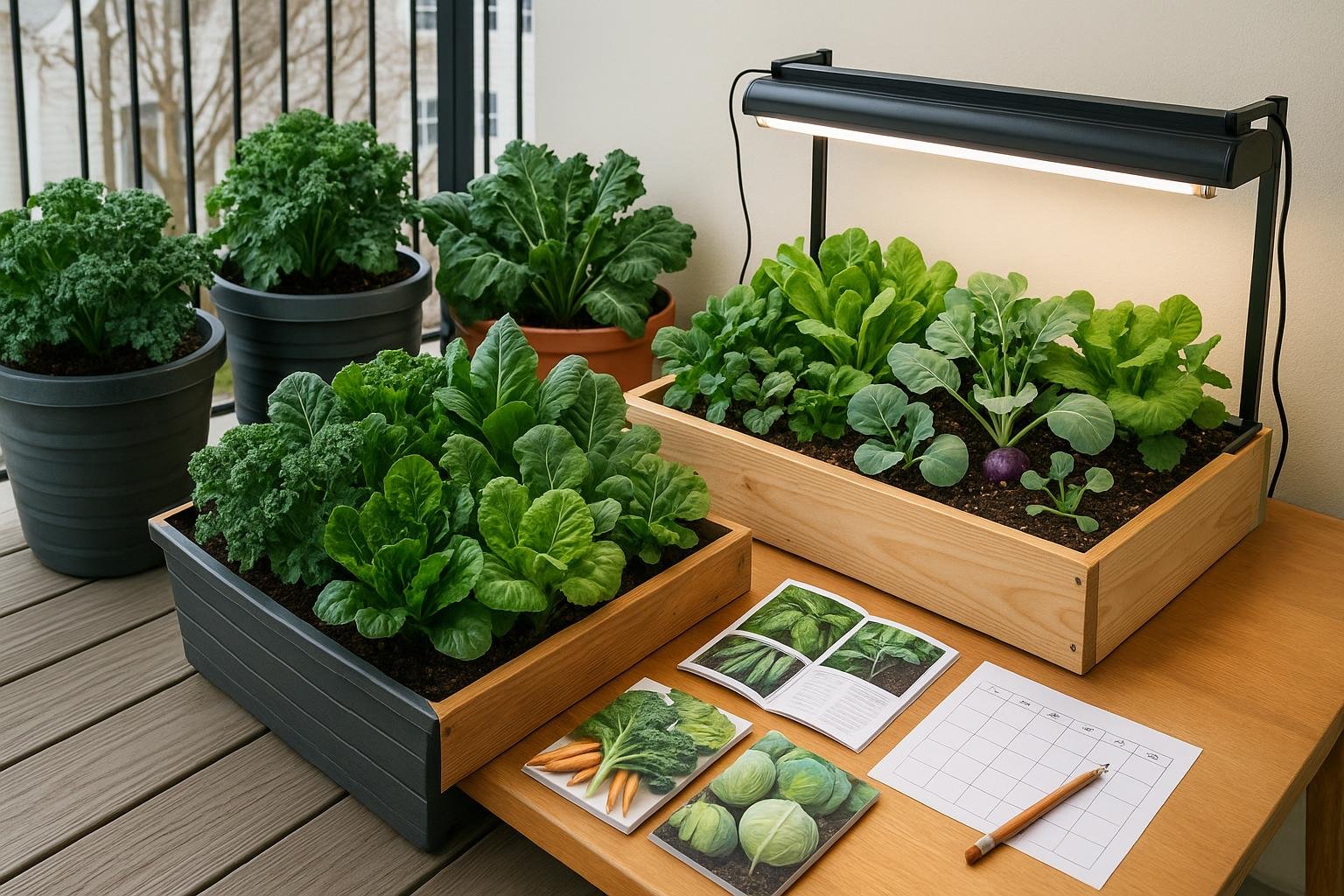
- Light matters more than you might think. If you don’t have a sunny southern window, invest in a compact LED grow light or a shelf setup with 2–4 square feet of reliable light. Aim for 12–16 hours of light per day for most seedlings.
- Temp and humidity control are your silent allies. Most seedlings like 65–75°F (18–24°C) during germination and a slightly cooler night. If you’re starting in a damp space, monitor humidity to prevent damping-off disease.
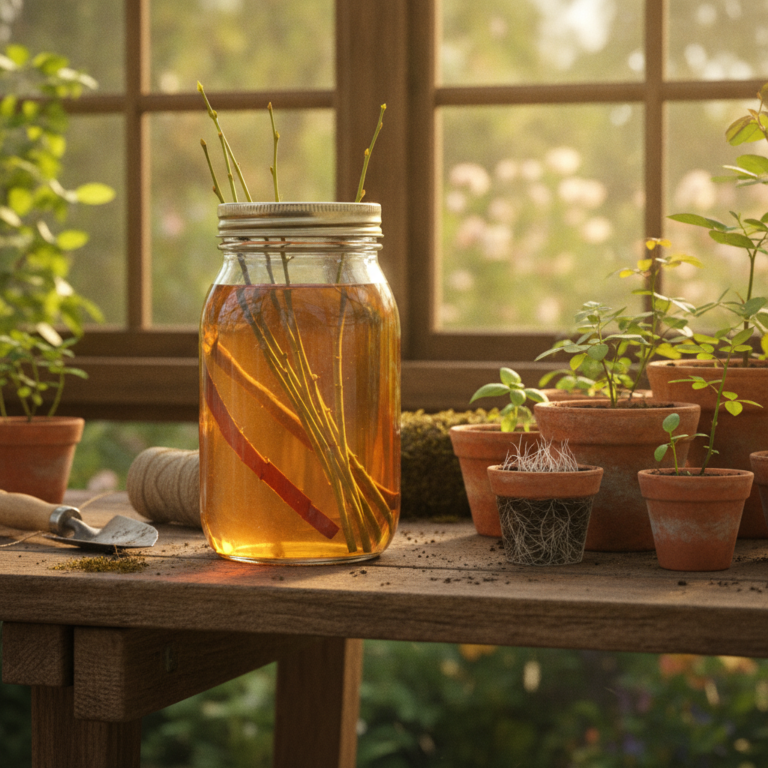
- Space-smart seed-starting methods. Use tiered racks, shallow trays, and stackable seed trays to maximize vertical space. Use pre-mixed seed-starting soil and lightweight pots or cells that fit under lights.
- Which crops to start indoors? Leafy greens (lettuce, spinach, arugula), herbs (basil, cilantro, parsley), brassicas (kale, small broccoli, cabbage), and short-season favorites (radish, baby carrots, and peas) often thrive with indoor starts. Plan a staggered schedule so you have a continuous flow of transplantable greens and herbs as soon as growing weather allows.
Keep notes on germination times and transplant readiness. A simple seed-starting log with a column for crop, days to germination, days to transplant, and preferred light height will save time next season and keep your small-space gardening efforts efficient.
Crop selection for containers, raised beds, and in-ground plots
Choosing the right crops for each space is essential when you’re working with limited room. Think in terms of space efficiency, yield, and how quickly a crop can be harvested to free up space for the next crop.
- Containers (small, movable spaces): Choose compact, space-efficient crops that tolerate container culture well. Good bets include compact lettuce varieties, baby greens, herbs, radishes, and bush peas. For fruiting crops, look for dwarf or determinate varieties that stay productive in 5–15 gallon pots. Cherry tomatoes or compact peppers can work in the right container setup if you provide strong light and steady moisture.
- Raised beds (primary growing area): Raised beds are ideal for cool-season crops and early-season succession plantings. Plant leafy greens (spinach, kale, arugula), radishes, beets, carrots, and onions in this space. You can also accommodate a few broccoli or broccoli rabe plants if your bed is deep enough and your season is cool rather than hot.
- In-ground plots (long-term, durable foundations): Plan for succession crops that stretch the season, such as lettuce mixes, extensive herb plantings, perennial greens if your climate supports them, and root crops like potatoes or garlic in the right regions. In-ground space lets you push a more robust harvest later in the season, with the benefit of natural soil biology at work.
Succession planning is your secret weapon in small-space gardening. Rather than planting all at once, space crops a few weeks apart to maintain a steady stream of harvests. A simple rule: plant new seeds or transplants every 2–4 weeks for continuous production, adjusting for your local climate and frost risk.
Winter soil prep: feed the soil to feed the plants
Healthy soil in winter pays dividends in spring. Even if you can’t plant yet, you can build a foundation that yields better germination, faster root growth, and stronger transplants once the soil thaws.
- Test and amend wisely. If you have access to a soil test, use it to guide amendments. For most home gardens, working toward a balanced organic mix—compost, a modest amount of well-rotted manure or a balanced organic granular fertilizer, and a bit of mineral amendments as needed—keeps soil biology thriving.
- Add compost and mulch. Layer finished compost into beds and containers to improve structure and moisture-holding capacity. Use a winter mulch (straw, leaf mold, or shredded leaves) to preserve soil warmth and slow nutrient loss through freeze-thaw cycles.
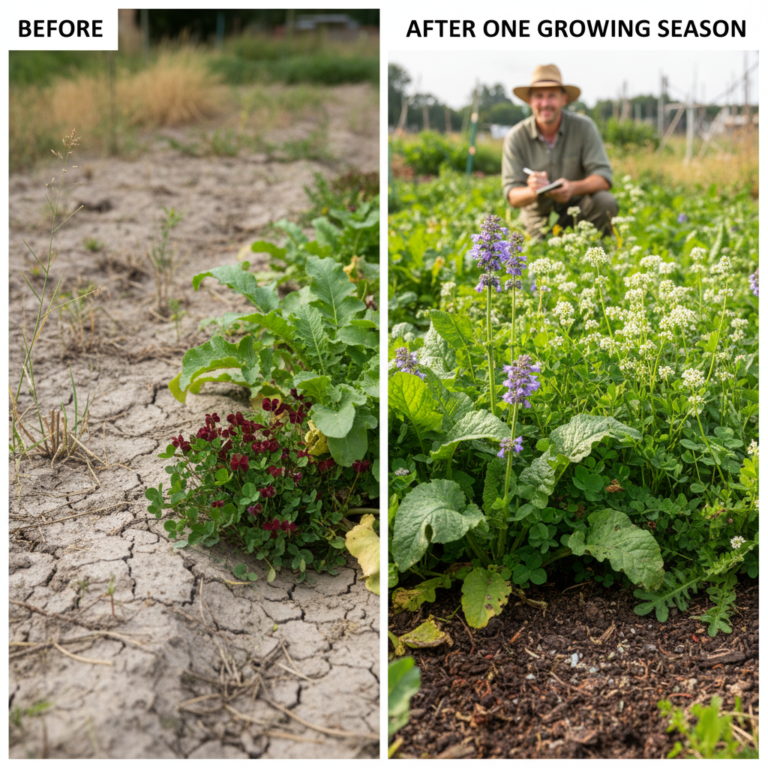
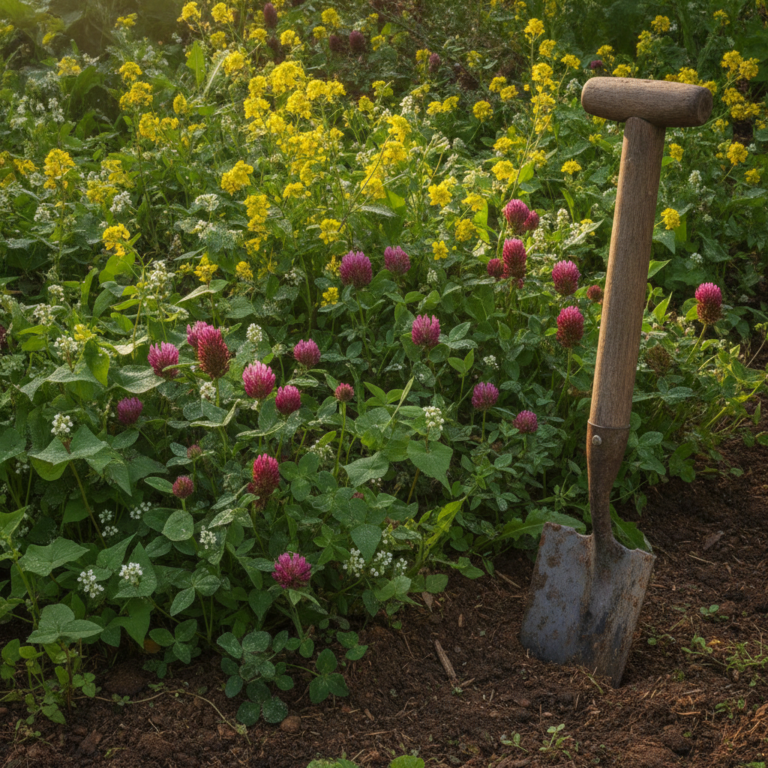
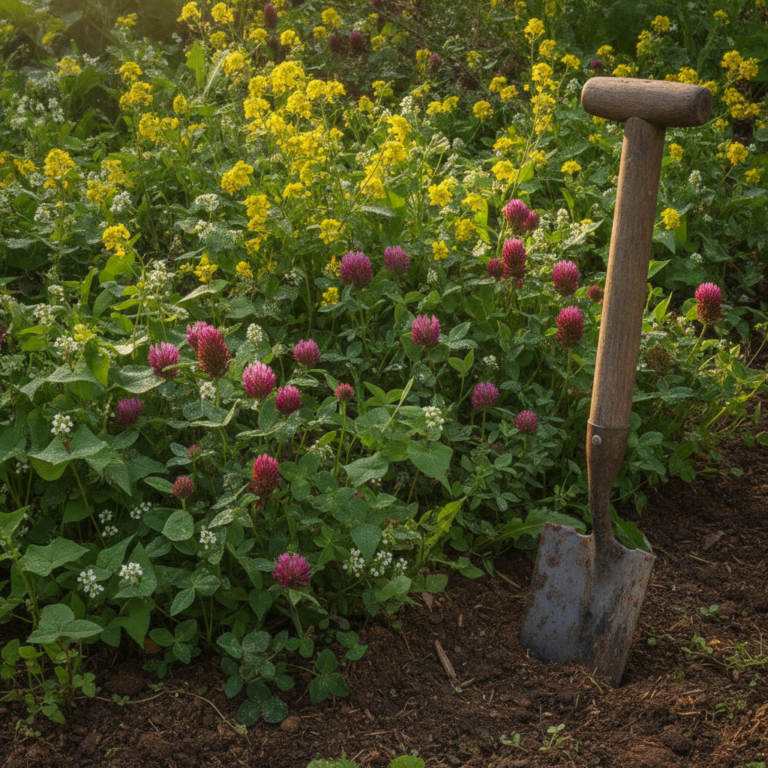
- Embrace cover crops when practical. If you have a true off-season bed, sow a winter cover crop like field peas, vetch, rye, or crimson clover to fix nitrogen and protect against compaction. In small spaces, green manures can be grown in spare containers or a dedicated bed section when possible.
- No-till and minimal disruption. When you prep beds in winter, avoid heavy turning. Gentle aeration with a broad fork or a light raking to break crusts helps embed organic matter and fosters soil life without destroying soil structure.
- Plan for spring soil readiness. By late winter, you’ll want to prepare for transplanting by loosening beds, scoping out drainage, and laying down fresh compost or top-dressings to feed roots as soon as soils warm.
Healthy winter soil is the backbone of successful spring plantings in small-space gardening. It supports faster germination, stronger transplants, and less overall pest or disease pressure when spring rolls around.
From plan to practice: building a practical, season-appropriate plan
A robust plan translates ideas into action. Use a simple, repeatable framework so you can adapt year after year while maintaining a pro-level approach to small-space gardening.
- Create a lightweight calendar. Mark last-frost dates, seed-start windows, transplant dates, and key maintenance tasks (watering, feeding, pruning, harvest windows). A 12–16 week outline works well for most temperate climates.
- Assign crops to space. List each crop and decide whether it belongs in a container, raised bed, or in-ground plot. Note the expected size, staking needs, and spacing so you avoid overcrowding later.
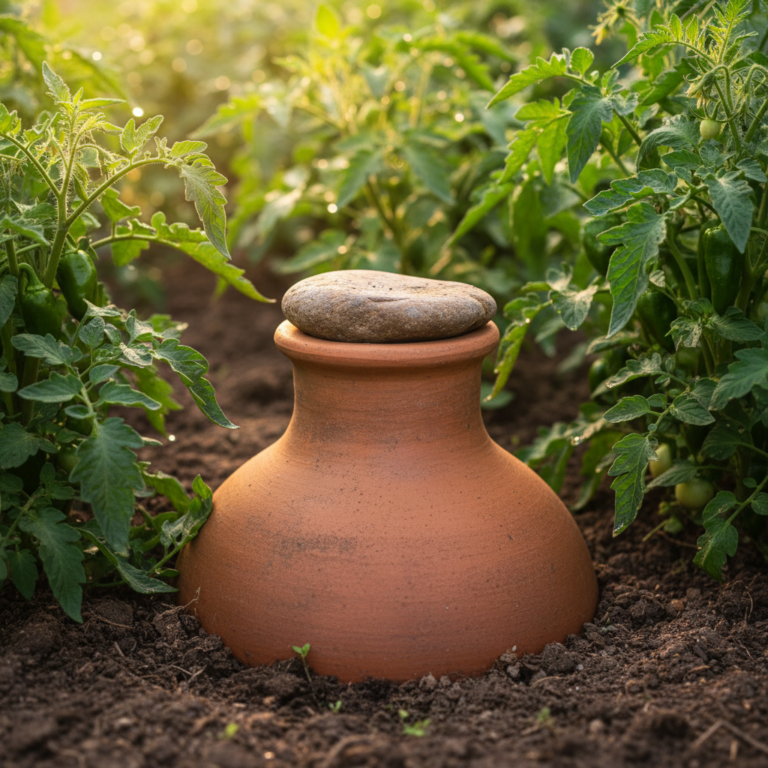
- Set a watering and fertilization rhythm. Smaller spaces dry out quickly, so plan a consistent schedule. Use self-watering containers or moisture meters for containers to prevent over- or under-watering.
- Track your progress. Maintain a simple garden log with sowing dates, germination rates, transplant success, and harvests. This data helps you refine your winter planning for the next season.
- Prepare for contingencies. Frost warnings, extended cloudy periods, or an unusual warm spell can disrupt plans. Build flexible buffers into your schedule so you can pivot without losing momentum.
With a winter planning mindset, you translate space constraints into concrete, achievable steps. Your goals become a calendar, your crops become layout decisions, and your soil becomes a living asset that pays dividends in spring and beyond.
A practical starter plan you can implement now
Here’s a compact, action-oriented outline you can adapt to your climate and space. It emphasizes indoor seed starting, smart crop selection, and winter soil prep to set the stage for spring abundance.
- Month 1 (December/January): inventory and seed order. Check what containers exist, what lights are available, and what soil amendments you’ll need. Place orders for a staggered seed-starting plan that yields a steady stream of transplants.
- Month 2 (January/February): seed starting workspace setup. Arrange lights, heat mats if needed, and a simple shelf system. Start greens, herbs, and quick-germinating crops. Maintain a tight transplant schedule so you don’t overcrowd.
- Month 3 (February/March): seedling care and space management. Move seedlings closer to light to prevent leggy growth. Prepare containers and raised beds with fresh compost or soil amendments. Begin hardening off cool-season crops for early outdoor transplant if you’re in a milder climate.
- Pre-spring (late February–March): soil refresh and bed prep. Apply a top-dressing of compost and mulch in beds. If you’re using cover crops, establish them now in any fallow patches. Double-check drainage and irrigation setups for when steady outdoor work begins.
- Spring readiness (early to mid-spring): transplant hardened seedlings to containers and raised beds. Space plants according to plan, monitor moisture, and adjust fertilization as growth accelerates. Maintain a rotating schedule to prevent harvest gaps.
By following this starter plan, you’ll bridge winter planning with concrete, step-by-step action. You’ll move from vague intentions to an organized, practical rhythm that supports continuous harvests—precisely what small-space gardening aims for.
Putting it all together: a concise winter-to-spring checklist
Use this concise checklist to keep your winter planning focused and actionable:
- Clarify spring harvest goals and space allocations.
- Set up a dedicated indoor seed-starting nook with adequate light and ventilation.
- Choose crops by space and season: greens and herbs for containers, leafy vegetables for raised beds, and compact root crops for in-ground plots.
- Prep soil now: compost, mulch, and optionally cover crops to protect and feed soil biology.
- Draft a 12–16 week calendar with transplant dates, sowing windows, and maintenance tasks.
- Record and adjust. Keep a simple log of what works, what doesn’t, and what you’d change next season.
Winter planning may seem like a quiet activity, but it is the difference between a garden that struggles and a garden that thrives in small spaces. By focusing on indoor seed starting, careful crop selection for containers and raised beds, and deliberate winter soil prep, you can ensure a robust, pro-level harvest when spring arrives. This approach helps you maximize every square inch and keep your small-space gardening goals on track all year long.