Plant Health Playbook: Quick Diagnostics for Beginners and Seasoned Gardeners
Seasonal spring health checks to set up plants for success
Spring is a critical window for plant health. As soils warm and daylight lengthens, plants wake up, start new growth, and lay the foundation for a thriving season. This plant health playbook delivers a concise, repeatable quick-diagnostics routine you can use to spot issues early and act fast. It’s designed for beginners and seasoned gardeners alike, helping you stay ahead of problems rather than chasing them later.
Use these five essential checks as your go-to routine throughout spring. Each check is quick, practical, and adaptable to garden beds, containers, and raised beds. Adopt a short, repeatable cadence—a quick pass once a week during peak season can boost vigor, yield, and resilience.
1) Soil moisture and drainage
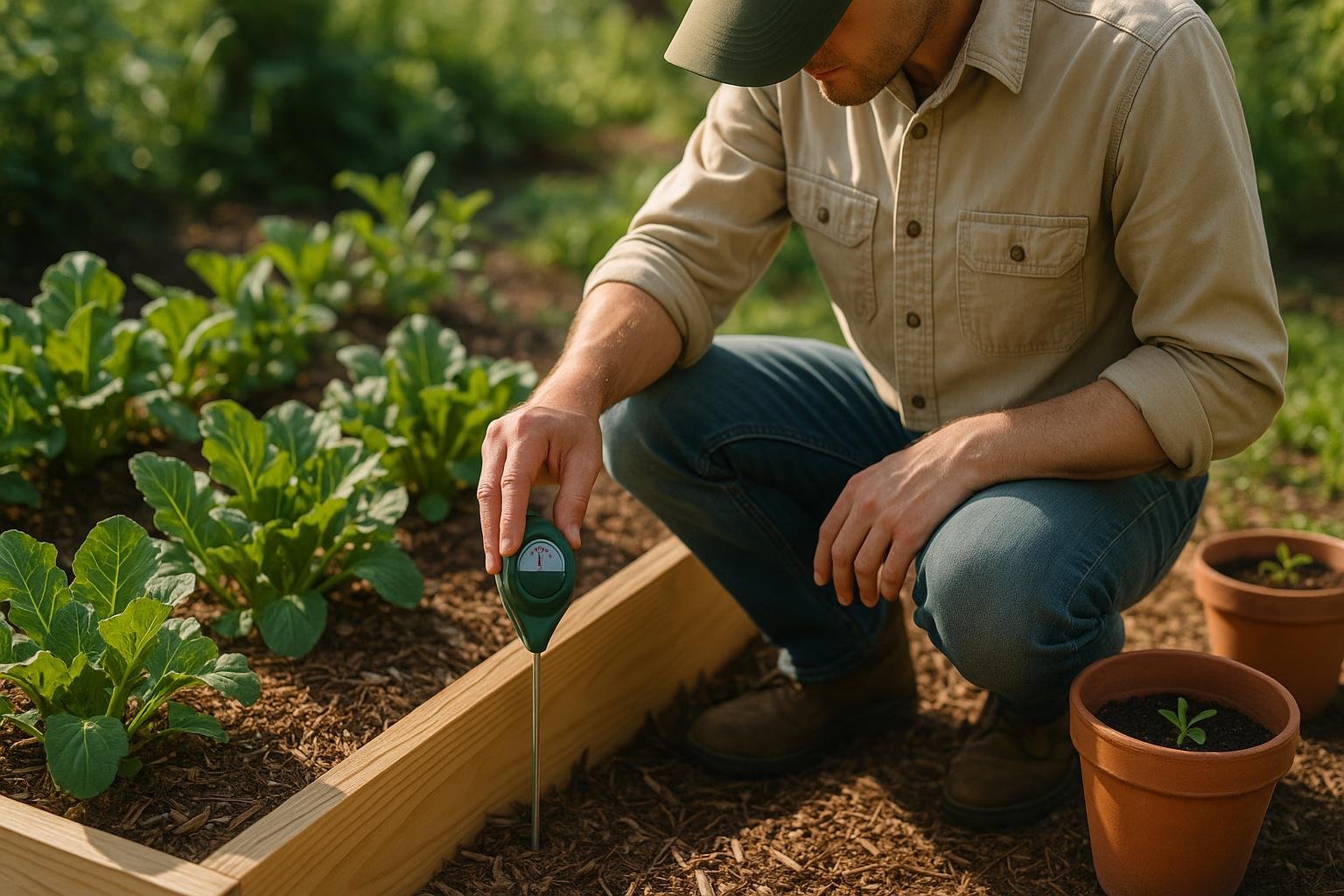
Healthy soil moisture and good drainage are the foundation of plant health. If roots sit in water or stay dry for too long, plants can’t pull up the nutrients they need. Start by checking both moisture and drainage so the plant health playbook works season after season.
- Check moisture: insert a finger about 2 inches into the soil. If it feels moist, wait before watering; if dry, water deeply.
- Note drainage: dig a small hole near a plant and observe how quickly water exits. Standing water or soggy soil signals drainage problems.
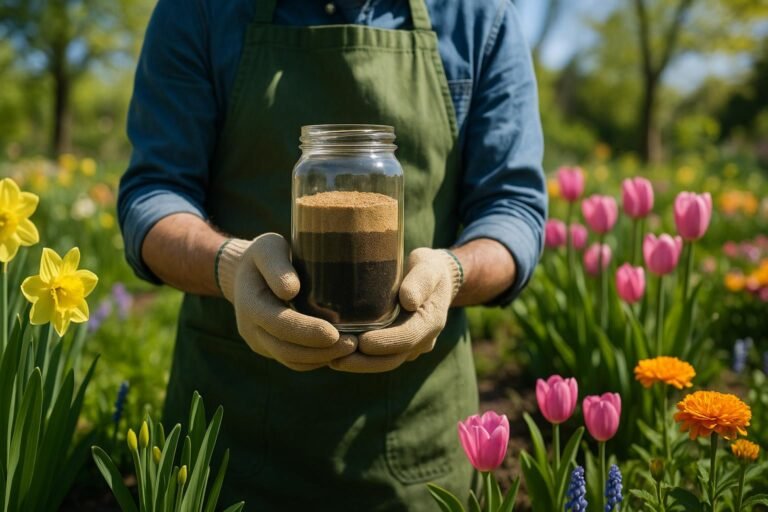
- Assess soil texture and structure: nutrient-rich, well-structured soil holds water without becoming waterlogged. If drainage is slow, amend with organic matter (compost, shredded leaves) and mulch on the surface.
- Container check: ensure pots have drainage holes and use a light, well-draining potting mix. Re-pot if roots are circling or potting mix compacts.
- Record and adjust: log moisture and drainage notes after each rain or irrigation, then tailor watering to plant type and stage (seedlings vs. established perennials).
Action steps: If soil dries quickly, increase watering frequency slightly or switch to deeper, less frequent soakings. If drainage is slow or pooling occurs, add organic matter and consider adjusting planting or container size. The goal is consistently moist, not waterlogged, soil that cushions roots and supports nutrient uptake.
2) Leaves, stems, and growth cues
Vigorous growth is a visible signal. Inspecting leaves, stems, and new growth helps you detect nutrient issues, water stress, and early pests or diseases before they become severe. A quick visual and tactile scan should become part of your weekly routine with the plant health playbook.
- Look for color changes: yellowing, pale patches, or dark spots can indicate nutrient imbalances, water stress, or disease.
- Check leaf edges and tips: browning, curling, or crispy edges signal sun scorch, dehydration, or salt buildup from over-fertilization.
- Examine the undersides: pests such as aphids, mites, or whiteflies often hide there. Check stems for stiffness or weak growth patterns.
- Monitor growth rate: unusually slow or stunted growth can hint at root problems, soil issues, or nutrient deficiencies.
- Assess stems and joints: new shoots should be upright and firm. Weak, leggy growth may indicate insufficient light or humidity imbalance.
Next steps: remove obvious pests by hand or with a gentle spray, rinse leaves to remove dust and debris, and adjust watering and feeding as needed. If deficiencies persist, consider a targeted, balanced fertilizer or soil test. Document observations to track progress over weeks. Early intervention saves time and resources later in the season.
3) Light exposure and placement
Light fuels growth. Spring days are longer, but not every plant thrives with the same amount of sun. Assess both quantity and quality of light to ensure each plant sits in its best spot for its growth phase.
- Evaluate hours of direct sun: most vegetables and many flowering plants prefer 6–8 hours; leafy greens may tolerate a bit less.
- Check intensity: south-facing or open-bed locations usually receive the strongest light; shaded corners can limit growth and encourage leggy stems.
- Rotate and reposition: as plants grow, adjust their position to prevent uneven shading and ensure uniform development.
- Seedlings and starting plants: use reflectors or grow lights if natural light is insufficient.
- Monitor for sun stress: signs like leaf scorching or surface heat on hot days indicate the need for shade or cooler microclimates.
Action steps: move a plant to a brighter spot, prune growth that blocks light, or supplement with a grow light if indoors. If light exposure is excessive for tender plants, provide temporary shade during peak hours. The right light balance supports photosynthesis, sturdy stems, and healthy growth.
4) Temperature and microclimates
Spring temperature swings, lingering frosts, and microclimates around your garden require attention. Understanding temperature exposure helps protect new growth and reduces stress that drains plant health.
- Track temps: record daytime highs and nighttime lows in vulnerable spots (low spots, exposed edges, sunny walls can differ from the general area).
- Watch for frost risk: late frosts can damage new growth. Use row covers or cloches to protect seedlings on chilly nights.
- Identify drafts and heat pockets: cold air can pool along walls; hot sun can create rapid heating in exposed corners. Adjust placement accordingly.
- Acclimate newcomers: harden off indoor starters gradually by extending outdoor exposure each day before transplanting.
Note: If you’re growing in containers, temperature can swing quickly; group plants with similar temperature needs to simplify care.
What to do after the check: cover vulnerable plants on cold nights, choose protective fabrics with air exchange, and avoid temperature shocks by delaying transplanting if forecasts aren’t stable. Document temperature-related setbacks to refine spacing, timing, and protection for next year.
5) Pests, diseases, and beneficials
Early detection of pests and diseases is a cornerstone of the plant health playbook. A proactive, observation-based approach minimizes damage and reduces the need for harsh interventions later in the season. The goal is to know what’s normal, what’s new, and how to respond quickly and effectively.
- Look for telltale signs: sticky residue (honeydew), fine webs, speckled leaves, holes, or unusual webbing can signal pests or disease.
- Scan for disease symptoms: spots, powdery coatings, or damp, rotting tissue may point to fungal or bacterial issues needing action.
- Count beneficials: ladybugs, lacewings, and parasitic wasps indicate a healthy natural balance. Encourage their presence through diverse plantings and minimal disturbance.
- Record and compare: note when problems begin, where they appear, and the plant type. A simple garden journal helps you spot patterns across weeks or seasons.
- Plan gentle interventions: start with targeted, least-toxic options—wash leaves, introduce beneficial insects, or use organic-approved sprays only when necessary and labeled for the crop.
Action steps after scouting: physically remove pests by hand when feasible, prune affected growth to prevent spread, and consider environmental tweaks such as reflecting light, spacing, or adjusting irrigation to deter pests. If disease pressure grows, isolate affected plants, sanitize tools, and rotate crops to disrupt life cycles. The plant health playbook emphasizes timely, measured responses over reactive, heavy-handed treatments.
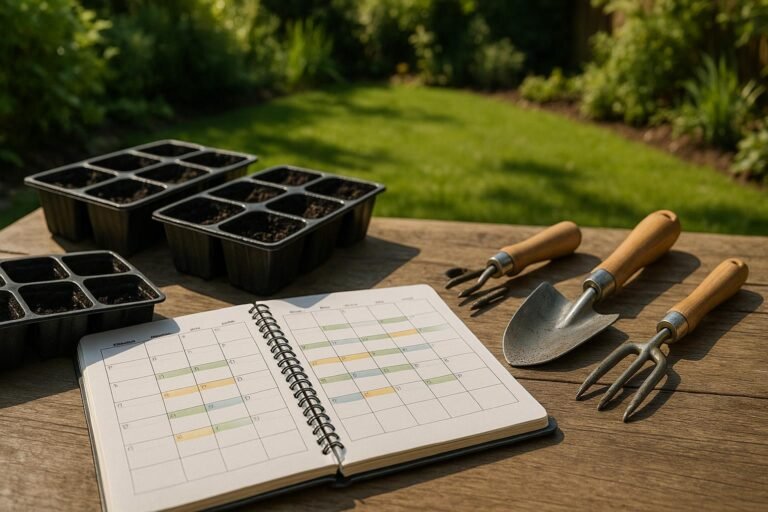
Throughout spring, consistency matters. Set a regular cadence—a quick 10–15 minute check once a week—and keep notes. A simple notebook, notes in a garden app, or a dedicated calendar entry can become your trusted companion as the season unfolds. By following these five essential checks, you’ll build resilience in your garden, minimize setbacks, and improve yields and beauty year after year.
In short, this plant health playbook turns spring into a series of small, actionable steps you can repeat with confidence. A little daily attention goes a long way in preventing problems, catching stress early, and guiding your garden toward a strong, healthy growing season and year ahead.