From Seed to Supper: A Flexible Garden Calendar that Scales with Your Skills
Introduction: Why a flexible, season-aware calendar matters for gardeners of all levels
nn
Gardening follows the seasons and weather. A seasonal garden calendar is not a rigid plan; it is a flexible framework that scales with your skills, climate, and space. Starting from seed with curiosity, a calendar that grows from simple to advanced tasks helps you move from seed starting to harvest without feeling overwhelmed.
nn
Why adopt a season-aware approach? It aligns your work with nature’s timing, turning guesswork into guided action. You’ll build confidence as you master indoors-to-outdoor steps, watering, pest management, and harvest planning—so you enjoy steady progress and fewer gaps in your harvest calendar. It also accommodates imperfect years: late frosts, heat waves, or busy periods. The calendar flexes, not fails.
nn
This seasonal, skill-scaled blueprint is designed for real gardeners with real spaces. It maps year-round tasks to four seasons, offering beginner-friendly steps and advanced options that scale as confidence grows. With practical templates, checklists, and tips you can customize for space, climate, and goals, it works for a balcony plot, a community bed, or a few raised beds. Start small, grow steadily, and harvest with intention.
nn
Core ideas you will find in a seasonal garden calendar:
n
- n
- Seasonal alignment: tasks that fit spring, summer, autumn, and winter dynamics, so you work with nature, not against it.
- Skill scaling: clear, beginner-friendly steps that graduate into more advanced options as you gain experience and confidence.
- Practical templates: editable calendars, seed-start schedules, transplant timelines, and harvest trackers you can print or use digitally.
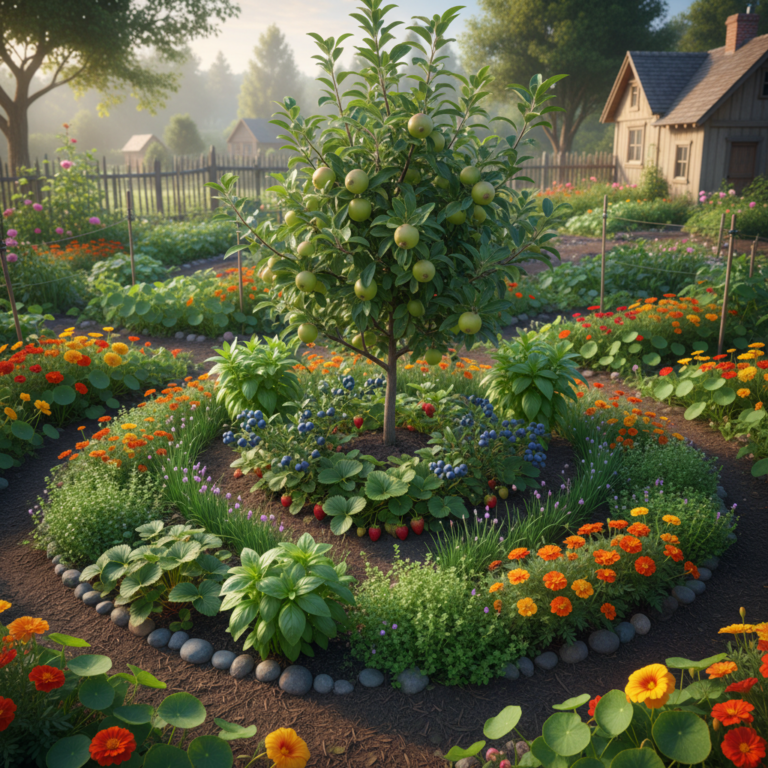
- Space and climate customization: guidance that adapts to small urban setups, larger plots, or microclimates within your yard.
- Progress-focused planning: achievable milestones that keep motivation high, even when weather disrupts a plan.
n
n
n
n
n
nn
To get the most from this approach, begin with the assumption that tomorrow’s tasks should be visible today. A well-structured seasonal garden calendar makes that true: it shows you what to do, when to do it, and how to adjust if conditions change. The result is less wasted time, more consistent care, and a more resilient garden that can weather the twists of each season.
nn
Now, let’s look at how this calendar works in practice. The season-by-season blueprint translates into concrete actions you can take, organized so you can start at whatever level feels right and climb as your skills deepen. The goal is to help you move from seed starting to harvest with a clear path, not a pile of scattered tasks.
nn
Season-by-season blueprint (beginner-friendly steps with scalable options):
nn
- n
- Springn
- n
- Beginner: focus on soil preparation and easy starter crops. Start a small number of seeds indoors (beans, lettuce, herbs) and direct-sow hardy greens outdoors as the soil warms. Harden off seedlings gradually to minimize transplant shock.
- Advanced: implement succession sowing for continuous harvests, start a broader range of crops (tomatoes, peppers, cucumbers) with staggered timelines, and fine-tune transplant timing based on frost dates and microclimates.
n
n
n
- Summern
- n
- Beginner: establish a simple, reliable watering routine; mulch to conserve moisture; monitor for pests and diseases with a basic scouting checklist.
- Advanced: optimize irrigation with timing schedules and drip lines; plant heat-tolerant varieties; experiment with shade cloth and row covers to manage pests and sun exposure; plan for continuous harvest with overlapping plantings.
n
n
n
- Autumnn
- n
- Beginner: harvest and compost; clean up beds, remove spent plants, and prepare soil for winter with simple amendments; plant cool-season greens for a late-season harvest.
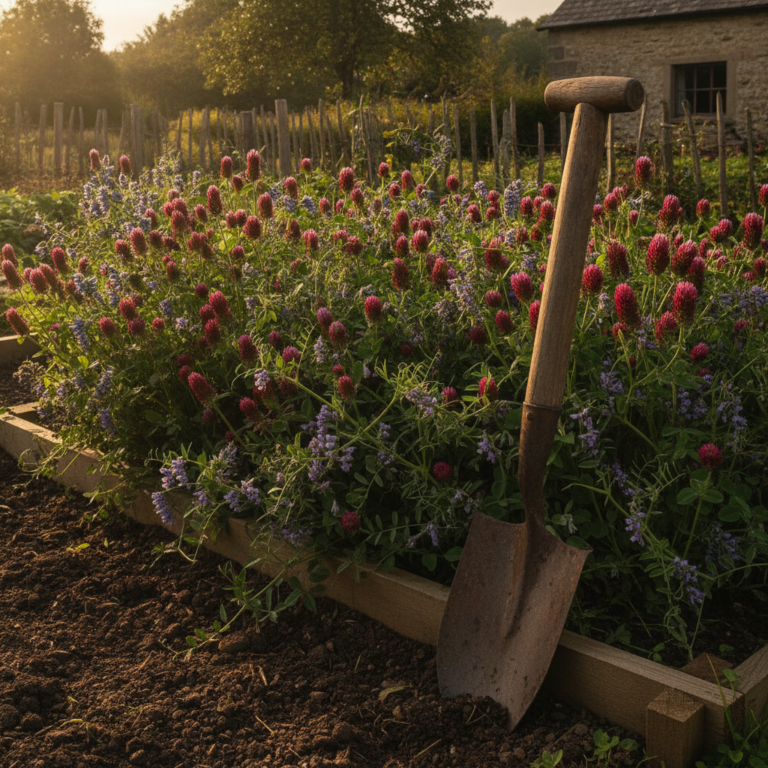
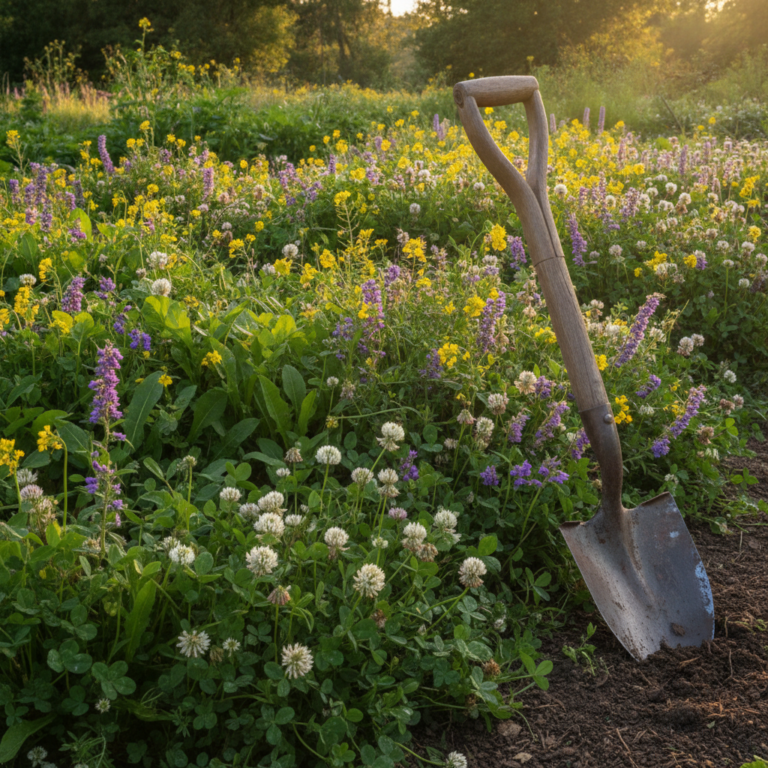
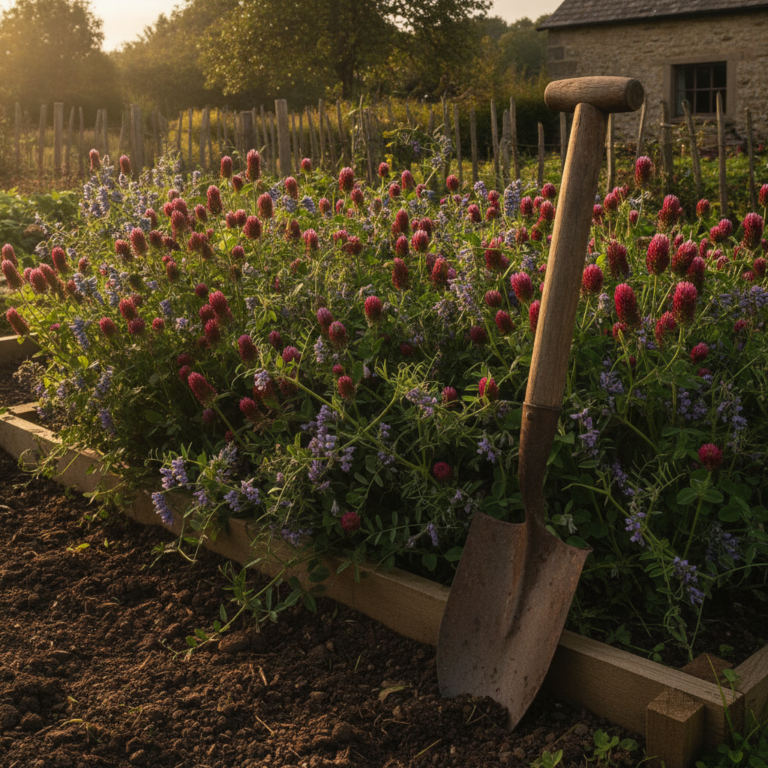
- Advanced: use cover crops to protect and enrich soil; extend the growing season with season extenders (cold frames, row covers); run a soil test and tailor amendments for next year’s plan.
n
n
n
- Wintern
- n
- Beginner: plan next year’s garden using catalogs, online resources, and your notes from the previous seasons; refine your seed-start calendar and create a lightweight to-do list for the coming spring.
- Advanced: design crop rotations based on nutrient needs, map out a more sophisticated succession plan, and evaluate tools and infrastructure (storage, irrigation, soil health practices) to support bigger yields next year.
n
n
n
n
n
n
n
nn
These season-by-season actions are intentionally modular. You can pick a starting point that matches your current skill level and scale up as confidence grows. The calendar is meant to be a living document—revisit, revise, and refine as you learn what works best in your space and climate.
nn
Templates, checklists, and tips you can adapt right away:
nn
- n
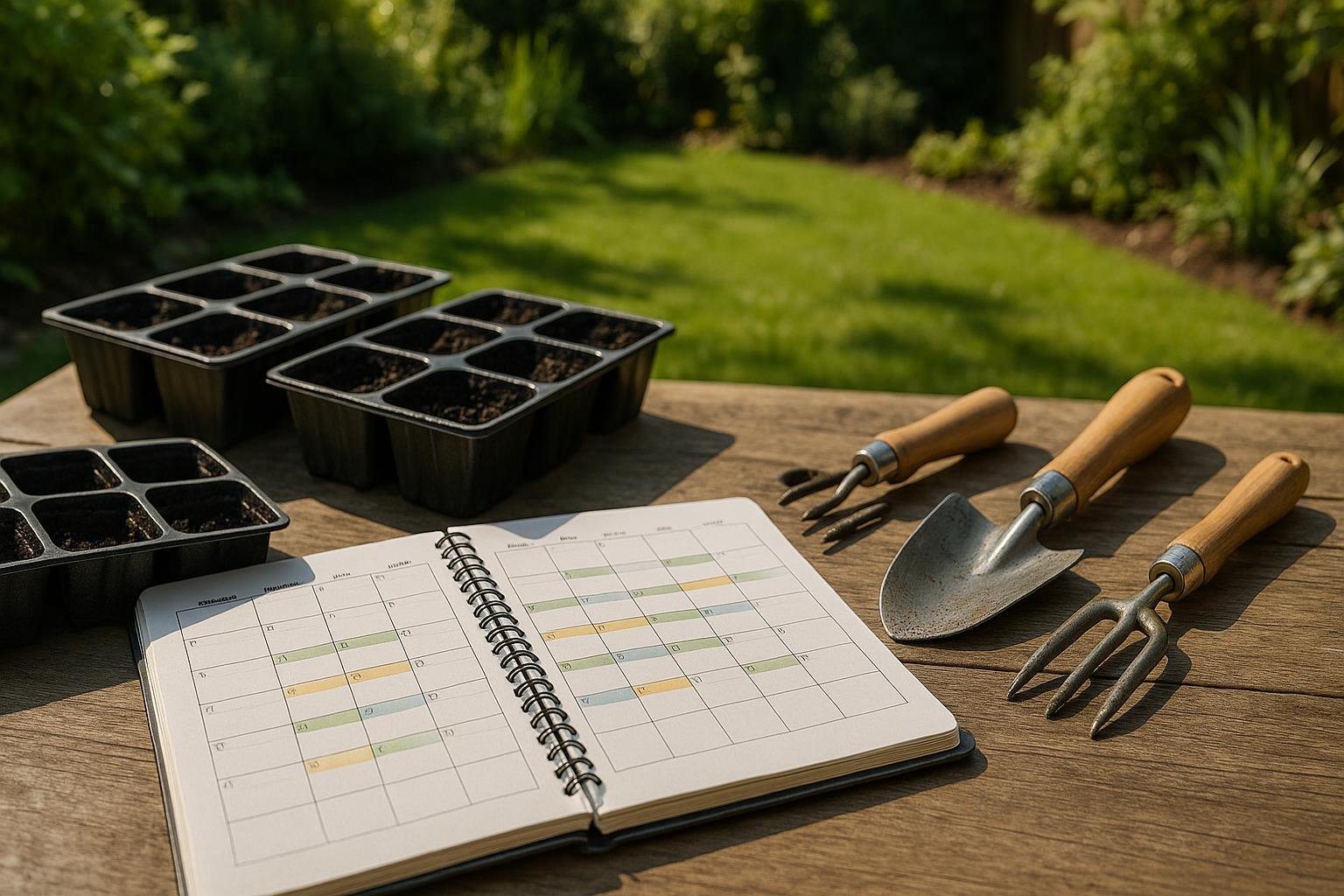
- Seed-start calendar template: dates for indoor starts, transplant windows, and last-frost deadlines tailored to your region.
- Planting and harvest checklist: a month-by-month list that you can customize with your crops and varieties.
- Watering and irrigation plan: a simple schedule that adapts to weather patterns and soil moisture.
- Pest and disease quick-picks: a starter guide to common issues and practical, low-effort controls for each season.
- Soil and bed prep tracker: seasonal tasks for soil health, cover crops, composting, and amendments.
n
n
n
n
n
nn
How to customize the calendar for your space, climate, and goals:
nn
- n
- Identify your climate zone and microclimates in your space (sun exposure, wind breaks, shade). Use those observations to adjust frost dates, planting windows, and crop choices.
- List your available space and sunlight hours. Cadence your crops by bed or container type, aligning root depth and watering needs with your setup.
- Define your goals (fresh greens, maximum yield, pollinator habitat, low-maintenance gardening). Map crops to those goals and adjust the workload accordingly.
- Start with a minimal viable calendar. Set one or two high-impact tasks per season, then expand as you gain confidence and time.
- Leave space for weather surprises. Build in buffer days for frost delays or heat waves, and plan quick, fallback crops for busy weeks.
n
n
n
n
n
nn
Practical tips to make this calendar work in real life:
nn
- n
- Keep a simple garden journal—notes on what worked, what didn’t, and any unusual weather. This becomes your best guide for refining the calendar year after year.
- Use color-coding or icons in your templates to distinguish seasons, beginner tasks, and advanced options. Visual cues speed up planning and execution.
- Pair tasks with routines. For example, set a weekly 20-minute seed-start check-in or a monthly soil health review. Consistency beats intensity in the long run.
- Share your plan with a gardening buddy or a local community garden group. Accountability and fresh ideas can keep you motivated during slow weeks.
- Keep the templates editable. Save multiple versions for different spaces (small balcony vs. large yard) and easily adapt as goals shift.
n
n
n
n
n
nn
Incorporating a seasonal garden calendar into your routine isn’t about rigid deadlines; it is about creating a predictable rhythm that reduces guesswork and builds skill. With each season, you gain a clearer path from seed to supper, a sense of accomplishment as tasks are completed, and the flexibility to bend the plan when weather or life demands it. The result is a garden that feels attainable, educational, and satisfying—year after year.
nn
As you begin using the seasonal garden calendar, remember that the aim is progress, not perfection. Start small, stay curious, and let the calendar grow with you. If you are looking for a practical, garden-tested framework that combines seasonality with scalable skill-building, you’re already on the right track. With the templates and checklists provided, you can customize a year-round plan that turns seeds into harvests and makes cultivation a source of confidence and nourishment.