Water-Wise Gardens: 5 Drought-Resistant Design Tricks
Creating beautiful, productive water-wise gardens doesn’t mean sacrificing lush greenery or abundant harvests. With rising water costs and unpredictable weather patterns, smart gardeners are discovering that drought-resistant design actually creates more resilient, low-maintenance landscapes. These permaculture-inspired strategies will transform your garden into a thriving oasis that conserves water naturally.
Whether you’re dealing with water restrictions, high utility bills, or simply want to garden more sustainably, these five design tricks will help you build a garden that flourishes with minimal irrigation while supporting local wildlife and reducing your environmental footprint.
Understanding Water-Wise Garden Fundamentals
Before diving into specific techniques, it’s essential to understand what makes a garden truly drought-resistant. Water-wise gardening goes beyond simply planting cacti and succulents. It’s about creating an integrated system that captures, stores, and efficiently uses every drop of available moisture.
The key lies in working with natural water cycles rather than against them. This means understanding your garden’s microclimates and designing landscapes that mimic nature’s own water-conservation strategies.
Successful water-wise gardens typically combine drought-tolerant plants with smart design elements that maximize water efficiency. The result? Gardens that actually become more beautiful and productive over time, requiring less intervention from you.
Trick #1: Master the Art of Mulching
Mulching is your first line of defense against water loss. A well-applied mulch layer acts like a protective blanket, reducing evaporation by up to 70% while regulating soil temperature and suppressing weeds that compete for moisture.
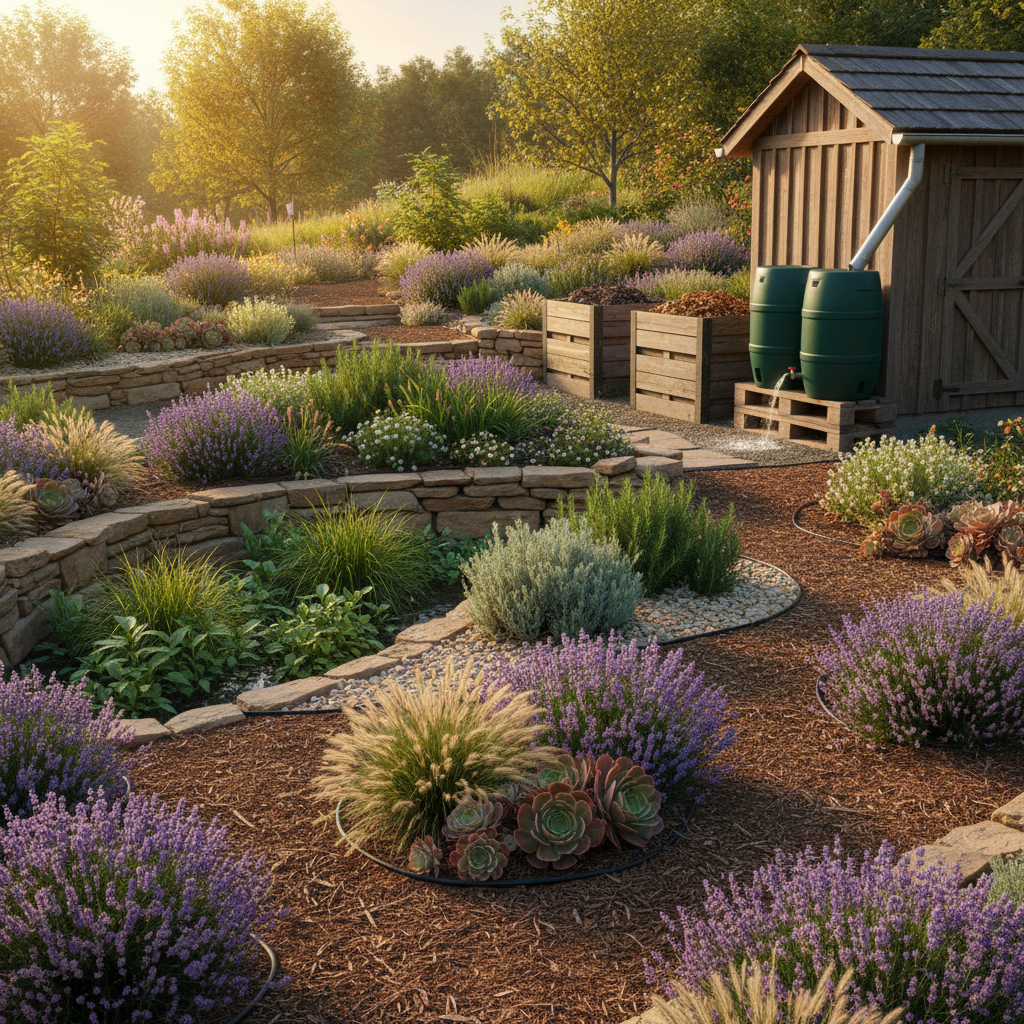
Choose organic mulches like wood chips, straw, or shredded leaves for best results. Apply a 3-4 inch layer around plants, keeping mulch a few inches away from plant stems to prevent rot. As organic mulches decompose, they improve soil structure and water retention capacity.
Consider living mulches too. Low-growing groundcovers like creeping thyme or oregano create natural mulch while providing additional benefits like pest control and pollinator habitat. This approach aligns perfectly with healthy soil practices that build long-term garden resilience.
Pro Mulching Tips
Refresh organic mulch annually in spring. Create mulch pathways to prevent soil compaction. Use gravel mulch around Mediterranean plants that prefer excellent drainage. Always source mulch locally when possible to support your regional ecosystem.
Trick #2: Design Swales and Rain Gardens
Transform your landscape’s natural contours into water-catching features. Swales are shallow depressions that capture and slowly infiltrate rainwater, while rain gardens are planted depressions designed to handle runoff from roofs, driveways, or slopes.
Start by observing how water moves through your property during rain events. Mark areas where water naturally collects or flows. These become prime locations for water-harvesting features that turn problems into opportunities.
Dig gentle depressions 6-8 inches deep and plant them with water-loving natives like sedges, native grasses, or moisture-tolerant wildflowers. During dry periods, these areas provide extra water reserves for surrounding plants.
Even small properties can benefit from mini-swales or simple berms that direct water toward planted areas. This technique works especially well when combined with climate-aware planting strategies that consider seasonal water availability.
Simple Swale Construction
Dig contour swales on slopes to slow water flow. Make swales three times wider than they are deep. Connect multiple swales to create a water-harvesting network throughout your landscape.
Trick #3: Choose Plants That Actually Want Less Water
The secret to successful water-wise gardens lies in selecting plants that are naturally adapted to your local climate and rainfall patterns. Native plants have evolved over thousands of years to thrive in your specific conditions, requiring minimal supplemental irrigation once established.
Focus on plants from Mediterranean climates, prairie ecosystems, or desert regions. These often offer surprising beauty and productivity. Lavender, rosemary, and sage provide culinary herbs while requiring minimal water. Native grasses create stunning textural displays while supporting beneficial insects.
Group plants with similar water needs together, a technique called hydrozoning. This prevents overwatering drought-tolerant plants while ensuring water-loving species get adequate moisture. Place thirstiest plants in naturally moist areas or near water sources.
Don’t overlook edible options. Many herbs, beans, and root vegetables are naturally drought-tolerant. Mediterranean vegetables like tomatoes, peppers, and eggplants actually develop better flavor when grown with less water.
Top Drought-Resistant Plant Categories
Succulents and cacti for extreme drought tolerance. Native grasses for low-maintenance groundcover. Mediterranean herbs for culinary and aromatic benefits. Deep-rooted perennials for long-term stability.
Trick #4: Build Soil That Holds Water Naturally
Healthy soil is nature’s best water reservoir. Soil rich in organic matter can hold up to 20 times its weight in water, creating a natural irrigation system that feeds plants gradually over time.
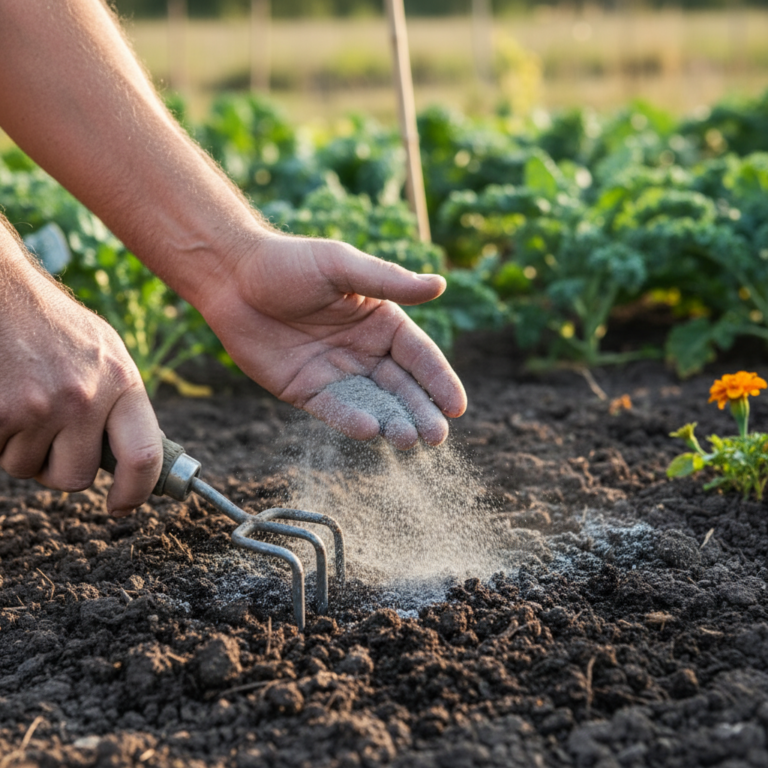
Focus on building soil organic matter through regular additions of compost, aged manure, or leaf mold. These amendments improve both water retention in sandy soils and drainage in heavy clay soils, creating the ideal moisture balance for most plants.
Avoid tilling whenever possible, as this disrupts soil structure and mycorrhizal networks that help plants access water more efficiently. Instead, practice no-till methods like sheet mulching or direct seeding.
Consider creating hugelkultur beds – raised beds built around buried logs and branches. As the wood decomposes, it acts like a sponge, storing water during wet periods and releasing it slowly during dry spells.
Soil-Building Strategies
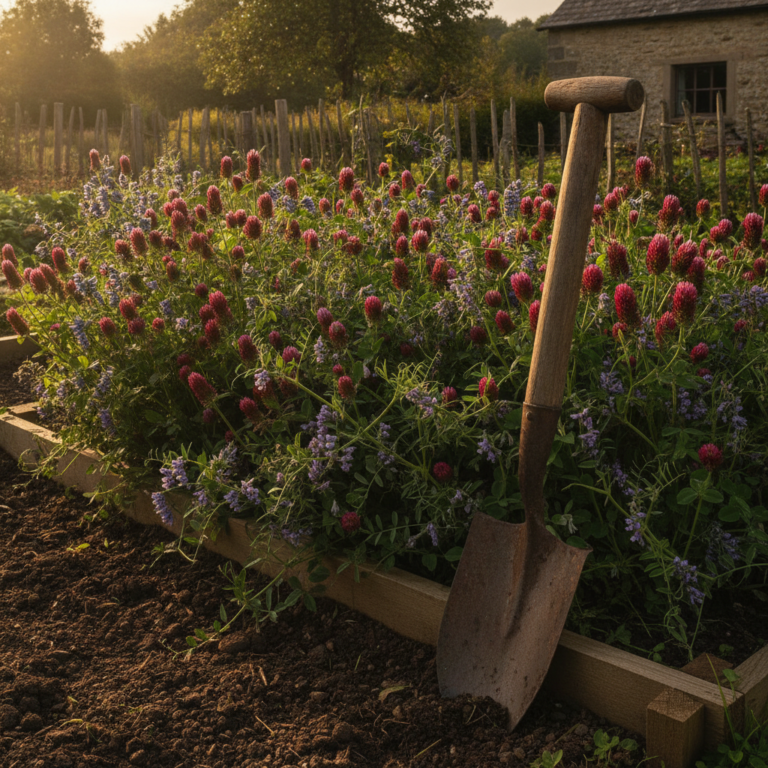
Add compost annually to maintain organic matter levels. Plant cover crops during off-seasons to protect and nourish soil. Create living soil food webs with beneficial microorganisms through regular organic matter additions.
Trick #5: Install Simple Water Harvesting Systems
Capture and store rainwater with simple, low-cost systems that reduce reliance on municipal water supplies. Even basic rainwater harvesting can provide significant irrigation water during dry periods.
Start with rain barrels connected to downspouts. A single inch of rain on a 1,000-square-foot roof yields about 600 gallons of water. Position barrels strategically near gardens for easy watering access.
Upgrade to larger cisterns if space and budget allow. Underground storage keeps water cool and reduces evaporation. Connect multiple containers with overflow pipes to maximize storage capacity.
Don’t forget about greywater systems. Simple laundry-to-landscape systems can irrigate established trees and shrubs with soapy water from washing machines, reducing both water waste and irrigation needs.
Water Storage Solutions
Food-grade barrels for drinking water safety. Mosquito-proof covers to prevent breeding. Gravity-fed distribution systems for easy watering. First-flush diverters to improve water quality.
Putting It All Together: Your Water-Wise Garden Action Plan
Creating effective water-wise gardens requires integrating all these strategies into a cohesive design. Start small with one area of your landscape, then expand successful techniques throughout your property.
Begin by mapping your property’s water flows and microclimates. Identify areas that stay naturally moist and those that dry out quickly. This information guides plant placement and water-harvesting installation decisions.
Phase your project over multiple seasons. Focus on soil building and mulching first, as these provide immediate water-conservation benefits. Add plants gradually, allowing each to establish before expanding planted areas.
Track your progress and water usage over time. Many gardeners find their water bills drop significantly within the first growing season, with even greater savings in following years as plants mature and soil health improves.
Remember that water-wise gardens become more beautiful and productive over time. Native plants develop deeper root systems, soil organic matter increases, and natural water cycles establish themselves. The result is a resilient landscape that thrives with minimal intervention.
Beyond Water Savings: Additional Benefits
Water-wise gardens offer benefits beyond reduced water bills. They typically require less maintenance once established, saving time and energy. Native plants support local wildlife, creating habitat for beneficial insects, birds, and small mammals.
These gardens also perform better during extreme weather events. Deep-rooted, drought-adapted plants are more likely to survive unexpected dry spells or water restrictions. They’re also more resilient during heavy rains, as improved soil structure prevents erosion and waterlogging.
From a permaculture perspective, water-wise gardens represent sustainable design in action. They work with natural systems rather than against them, creating positive feedback loops that improve conditions over time while reducing external inputs.
Start implementing these water-wise garden strategies today, and watch your landscape transform into a beautiful, productive, and resilient outdoor space that conserves our most precious resource while providing years of gardening enjoyment.