5 Easy Companion Plants Every Beginner Should Try
Starting your journey with companion plants doesn’t have to be complicated. These natural partnerships between different plant species can transform your garden from struggling seedlings to a thriving ecosystem. When you understand which plants help each other grow, you’ll unlock nature’s secret to healthier soil, fewer pests, and bigger harvests.
Companion planting works because different plants offer unique benefits to their neighbors. Some fix nitrogen in the soil, others repel harmful insects, and many improve soil structure with their root systems. The best part? These relationships happen naturally, requiring no extra work from you once the plants are established.
Why Companion Plants Work So Well for New Gardeners
Traditional gardening often focuses on single-crop rows and chemical inputs. However, companion planting mimics how plants grow in nature – together, supporting each other through symbiotic relationships. This approach reduces your workload while increasing garden productivity.
New gardeners benefit enormously because companion plants create built-in protection systems. Instead of memorizing complex spray schedules or fertilizer ratios, you’re working with nature’s own pest control and soil improvement methods. Plus, these plant partnerships are forgiving – if one plant struggles, its companion often picks up the slack.
The science behind these relationships is fascinating yet simple. Root depths vary between species, preventing competition for nutrients. Some plants release compounds that deter specific pests, while others attract beneficial insects. When planned thoughtfully, as outlined in our 30-day microclimate planting plan, these interactions create resilient garden ecosystems.
1. Tomatoes and Basil: The Classic Companion Plants Duo
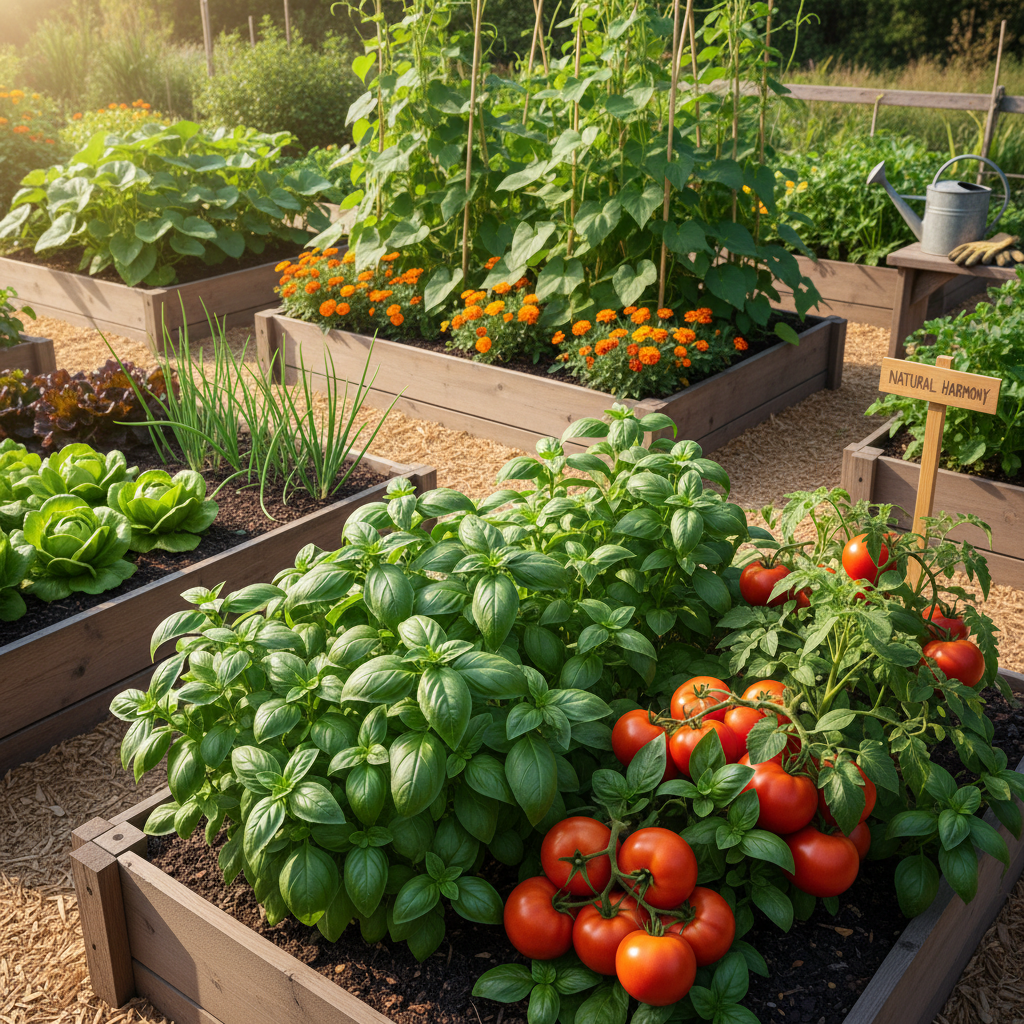
This famous pairing isn’t just culinary magic – it’s botanical brilliance. Basil naturally repels aphids, whiteflies, and hornworms that commonly attack tomato plants. The aromatic oils in basil leaves create an invisible barrier that pests find unpleasant, protecting your precious tomato harvest.
Beyond pest control, basil may actually improve tomato flavor. Many experienced gardeners swear their tomatoes taste sweeter when grown alongside basil. While the scientific jury is still out, the anecdotal evidence is compelling enough to try this combination yourself.
Planting tips: Space basil plants 6-12 inches from tomato stems. Plant basil after your last frost date, as it’s more cold-sensitive than tomatoes. Pinch basil flowers regularly to keep leaves tender and maximize the pest-repelling essential oils.
Care Requirements
Both plants prefer full sun and consistent moisture. Water at soil level to prevent fungal issues on tomato leaves. Harvest basil frequently to encourage bushy growth and continued pest protection throughout the growing season.
2. Lettuce and Chives: Perfect for Small Spaces
Chives offer excellent protection for lettuce crops by deterring aphids and other soft-bodied insects that love tender greens. The sulfur compounds in chives create a natural pest barrier while taking up minimal garden space with their upright growth habit.
This pairing works exceptionally well in containers or raised beds where space is limited. Chives are perennial in most climates, providing year-after-year benefits, while lettuce can be succession planted for continuous harvests throughout cool seasons.
Planting strategy: Plant chives around the perimeter of lettuce beds or intersperse them between lettuce rows. One chive plant protects roughly 2-3 square feet of lettuce growing area.
Seasonal Advantages
Spring and fall lettuce benefits most from chive companionship, as cool weather concentrates the sulfur compounds in chives. Summer heat may reduce effectiveness, but the partnership still provides some protection during moderate temperatures.
3. Carrots and Rosemary: Underground Protection
Rosemary’s strong fragrance masks the scent that attracts carrot flies, the primary pest threatening carrot crops. These flies lay eggs near carrot plants, and their larvae tunnel through developing roots, ruining entire harvests.
The deep taproot of carrots and the shallow, spreading root system of rosemary complement each other perfectly underground. Neither competes for the same soil nutrients or water sources, making this an efficient use of garden space.
Implementation: Plant rosemary at the ends of carrot rows or in corners of raised beds. One mature rosemary plant protects approximately 4-6 feet of carrot rows. Since rosemary is perennial and carrots are annual, plan your garden layout accordingly.
Long-term Benefits
Rosemary plants improve with age, becoming more aromatic and effective at pest deterrence. After establishing this companion pair, you’ll have a reliable carrot protection system for years to come.
4. Beans and Marigolds: Nitrogen Fixation Plus Pest Control
Beans naturally fix nitrogen from the atmosphere through root nodules, improving soil fertility for surrounding plants. Marigolds contribute by repelling nematodes, aphids, and other garden pests with their pungent scent and root exudates.
This combination creates a powerful soil improvement and pest management system. The nitrogen that beans add to soil benefits marigolds, while marigolds protect bean plants from root-damaging nematodes that can significantly reduce yields.
Variety selection: Choose French marigolds (Tagetes patula) for strongest nematode control. Bush beans work better than pole varieties in this partnership, as they don’t overshadow marigold flowers.
Timing Considerations
Plant both after soil temperature reaches 60°F consistently. Beans are frost-sensitive, while marigolds prefer warm soil for best germination. Consider our soil diagnostics guide to ensure optimal planting conditions.
5. Cucumbers and Nasturtiums: Natural Pest Traps
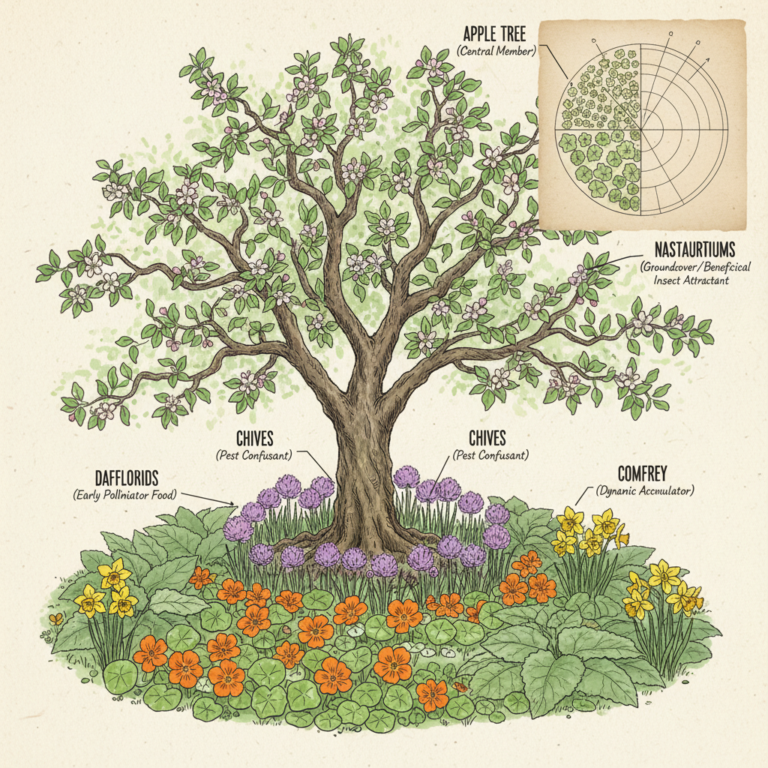
Nasturtiums act as trap crops for cucumber beetles, squash bugs, and aphids that typically plague cucumber plants. These colorful flowers attract pests away from your cucumber vines while simultaneously deterring others with their mustard-like compounds.
The sprawling growth habit of nasturtiums creates living mulch around cucumber plants, conserving soil moisture and suppressing weeds. Plus, nasturtium leaves and flowers are edible, adding peppery flavor to salads and providing additional garden yields.
Growing technique: Sow nasturtium seeds directly around cucumber hills or along trellised cucumber rows. Allow nasturtiums to sprawl freely – their seemingly chaotic growth is actually strategic pest management.
Maintenance Tips
Monitor nasturtiums for heavy pest infestations and remove affected plants if necessary. This sacrificial aspect protects your main cucumber crop while keeping beneficial insects in your garden ecosystem.
Getting Started with Your Companion Plants
Begin with just one or two companion plant combinations rather than attempting complex polyculture systems immediately. Choose pairings based on what you already enjoy eating and growing. Success with simple combinations builds confidence for more adventurous companion planting later.
Plan your garden layout before planting season arrives. Consider mature plant sizes, sun requirements, and harvest timing when positioning companion plants. Our four-week beginner garden plan provides structured guidance for new gardeners starting their companion planting journey.
Remember that companion planting is part art, part science. Keep simple records of what works in your specific climate and soil conditions. Every garden is unique, and your observations will guide future planting decisions.
Building on Your Companion Planting Success
Once you’ve mastered these five easy companion plant combinations, you’ll be ready to explore more complex relationships. The principles you learn – understanding plant families, recognizing beneficial interactions, and observing pest patterns – form the foundation for advanced permaculture techniques.
Consider companion planting as your entry point into sustainable gardening practices. These natural partnerships reduce dependency on external inputs while creating more resilient garden ecosystems. Your success with companion plants will naturally lead to curiosity about soil biology, beneficial insects, and integrated pest management.
Most importantly, enjoy the process. Gardening with companion plants connects you to traditional wisdom while providing practical benefits. Every season offers new opportunities to observe, learn, and improve your plant partnerships.