Seed Swapping Networks: Build Community Food Forests
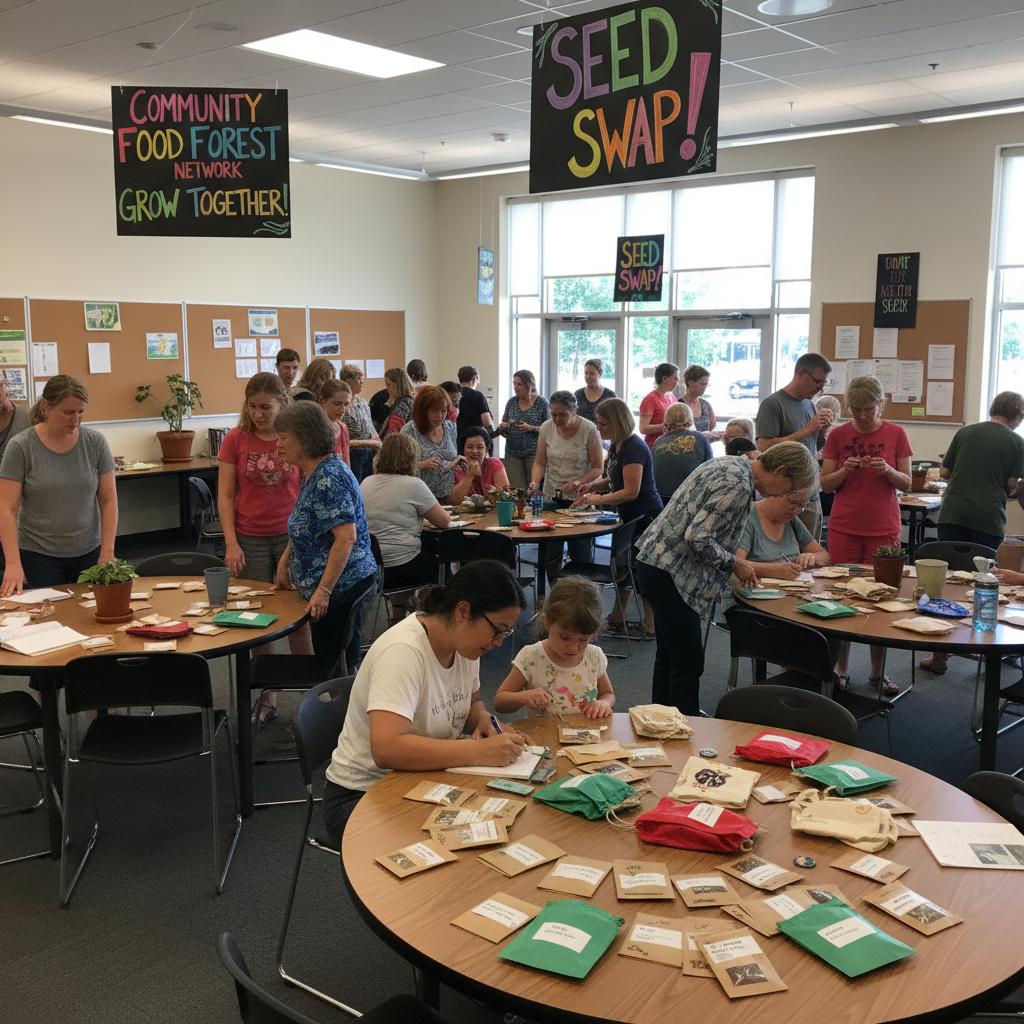
Imagine walking into a bustling community center where neighbors eagerly trade heirloom tomato seeds for rare berry varieties, creating connections that extend far beyond gardening. Seed swapping networks represent one of the most powerful ways to strengthen both genetic diversity and community bonds while building resilient food forests together.
These grassroots exchanges don’t just share plant genetics – they cultivate lasting relationships, preserve heritage varieties, and create a foundation for neighborhood-wide food security. Whether you’re a complete beginner or experienced grower, organizing local seed swaps can transform your community into a thriving ecosystem of knowledge and abundance.
Why Seed Swapping Networks Matter for Food Forests
Traditional seed companies offer limited varieties, often prioritizing shelf life over flavor or local adaptation. Community seed swapping networks flip this script entirely. They preserve genetic diversity that’s perfectly suited to your specific region and microclimate.
Local seeds carry genetic memory. Plants that thrive in your neighbor’s backyard for generations understand your soil, weather patterns, and seasonal rhythms. This adaptation creates more resilient food forests that require fewer inputs and produce more reliable harvests.
Furthermore, seed swaps build social capital. When Mrs. Johnson shares her grandmother’s bean varieties with the young family next door, she’s not just passing along genetics – she’s transferring decades of growing wisdom, seasonal timing knowledge, and cultural food traditions.
Getting Started: Your First Seed Swap Event
Starting a seed swapping network doesn’t require extensive experience or resources. Begin small with these simple steps:
Choose your venue wisely. Community centers, libraries, farmers markets, or even backyard gatherings work perfectly. Ensure adequate table space, good lighting for examining seeds, and comfortable seating for conversations.
Set a date and spread the word. Late winter through early spring works best when gardeners are planning their seasons. Use social media, neighborhood apps, library bulletin boards, and word-of-mouth to attract participants.
Create simple guidelines. Establish basic rules about seed quality, labeling requirements, and exchange protocols. This prevents confusion and ensures everyone leaves satisfied with their trades.
Essential Materials for Success
Gather these supplies before your first event:
- Small envelopes or paper bags for seed packaging
- Permanent markers for labeling
- Magnifying glasses for seed inspection
- Note-taking materials for tracking varieties
- Hand sanitizer and clean spoons for handling
Consider providing basic gardening tools for seed processing and simple storage containers for participants who arrive unprepared.
Safe Seed Collection and Storage Techniques
Teaching proper seed collection ensures your seed swapping network maintains high-quality genetics year after year. Share these fundamental practices with all participants:
Harvest at peak maturity. Seeds need complete development to remain viable. Tomato seeds should come from fully ripe fruits, while lettuce requires flowers that have completely dried on the plant.
Dry thoroughly before storage. Moisture causes mold and reduces germination rates. Spread seeds on screens or paper plates in well-ventilated areas for 1-2 weeks until completely dry.
Store in optimal conditions. Use airtight containers with silica gel packets or rice to absorb excess moisture. Label everything with variety names, harvest dates, and any special growing notes.
Testing Seed Viability
Before your swap event, test germination rates using this simple method:
Place 10 seeds between damp paper towels in a sealed plastic bag. Keep at room temperature for the species’ typical germination period. Count how many sprout to determine your germination percentage.
This information helps participants make informed trades and builds trust within your network. When you’re confident about seed quality, others will be too.
Building Lasting Community Connections
Successful seed swapping networks extend far beyond single events. They create ongoing relationships that support everyone’s gardening journey throughout the growing season.
Document participant contact information. Create a simple directory allowing members to connect directly for ongoing trades, questions, or garden visits during the growing season.
Establish mentorship pairs. Connect experienced growers with beginners. This knowledge transfer strengthens the entire network and ensures traditional practices continue to newer generations.
Plan follow-up gatherings. Summer harvest parties, fall preservation workshops, and winter planning sessions maintain momentum year-round. These events deepen relationships and expand knowledge sharing beyond just seeds.
Creating Resource Libraries
Develop shared resources that benefit all network members:
- Growing guides specific to your local climate
- Seasonal planting calendars customized for your region
- Preservation technique workshops for different crops
- Soil amendment strategies that work locally
Consider integrating these resources with microclimate awareness to help members optimize their specific growing conditions.
Expanding Your Network’s Impact
As your seed swapping network grows, consider these strategies to maximize community benefit:
Partner with local organizations. Schools, senior centers, food banks, and community gardens all benefit from seed sharing programs. These partnerships expand your reach and create meaningful social impact.
Focus on native and heritage varieties. Prioritize plants that support local wildlife and preserve cultural food traditions. This ecological approach strengthens entire food webs while maintaining genetic diversity.
Document variety performance. Track which plants perform best in different neighborhood microclimates. This collective knowledge becomes invaluable for optimizing everyone’s gardens over time.
Digital Tools for Growth
Simple technology can enhance your network’s effectiveness:
- Private Facebook groups for ongoing communication
- Shared spreadsheets tracking available varieties
- Photo documentation of successful harvests
- Calendar coordination for seasonal events
Keep technology simple and accessible to avoid excluding less tech-savvy community members.
Protocols for Healthy Seed Exchanges
Establish clear protocols that protect plant health and prevent disease transmission within your seed swapping network:
Quarantine new varieties. Encourage members to grow new seeds in isolated areas during their first season. This prevents potential disease spread while allowing observation of plant characteristics.
Share growing histories. Participants should disclose any disease issues, chemical treatments, or unusual growing conditions that might affect seed performance.
Inspect carefully before swapping. Look for obvious signs of damage, mold, or pest infestation. When in doubt, don’t trade – protecting the entire network is more important than individual exchanges.
Understanding your soil conditions helps you share more accurate growing information with fellow network members.
Year-Round Network Activities
Keep your community engaged beyond peak swapping season with these ongoing activities:
Monthly garden tours allow members to see how different varieties perform in various settings. These visits inspire new ideas and strengthen relationships.
Seasonal workshops covering topics like seed starting, preservation techniques, and small-space food forest design provide valuable learning opportunities.
Problem-solving circles where members discuss pest issues, weather challenges, and growing failures create supportive learning environments that benefit everyone.
These activities transform your seed swapping network from an annual event into a thriving year-round community that supports everyone’s gardening success.
Remember, building resilient food forests isn’t just about plants – it’s about people. When neighbors work together to preserve genetic diversity and share growing wisdom, they create something far more valuable than individual gardens. They build food security, environmental resilience, and lasting community bonds that nourish everyone involved.