
Electroculture Basics: Harness Earth’s Energy for Growth
Your great-great-grandmother might have known something about electroculture basics that modern agriculture forgot. Back in the 1700s, European farmers discovered they could boost plant growth by 30-50% using nothing more than copper wires, atmospheric electricity, and the earth’s own magnetic fields. This forgotten wisdom is making a comeback among home gardeners who’ve grown tired of chemical-heavy methods.
Before you dismiss this as pseudoscience, consider that electroculture was once mainstream agricultural practice. French and German farmers routinely used electrical stimulation to increase crop yields. Today, we’re rediscovering these techniques as simple, cost-effective ways to energize our gardens naturally.
What Is Electroculture and How Does It Work?
Electroculture harnesses natural electrical forces to stimulate plant growth. Plants are essentially living electrical circuits. They conduct electricity through their tissues, and this conductivity plays a crucial role in nutrient uptake, cellular division, and overall health.
The technique works by creating mild electrical fields around plants using simple materials like copper wires, magnets, or metal stakes. These fields can:
- Improve nutrient absorption in roots
- Enhance photosynthesis efficiency
- Stimulate faster seed germination
- Increase resistance to pests and diseases
- Boost overall plant vigor and yield
What makes electroculture basics so appealing is their simplicity. You don’t need expensive equipment or scientific training. Most setups cost under $20 and use materials you can find at any hardware store.
Simple DIY Electroculture Setups That Actually Work
Let’s start with three proven methods that beginning gardeners can implement immediately. These techniques complement traditional approaches you might learn in soil diagnostics or microclimate planning.
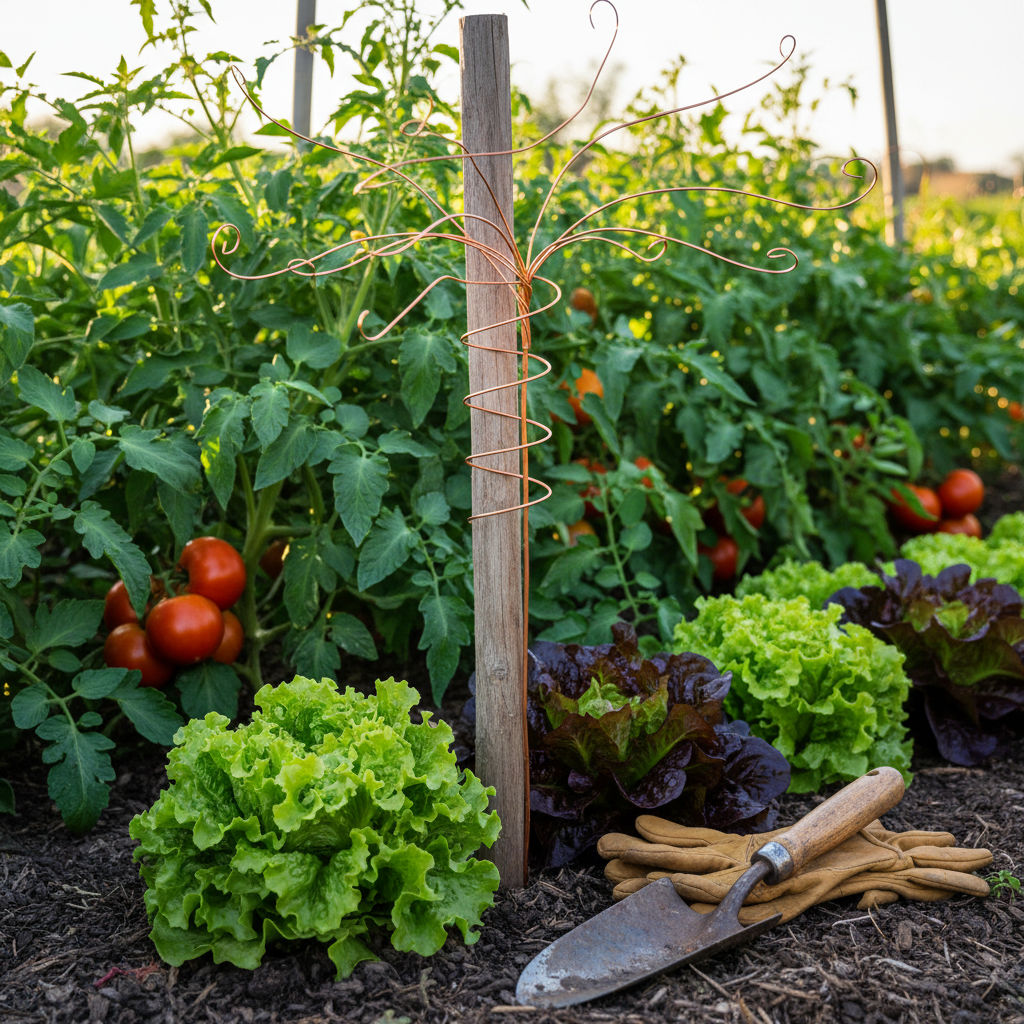
The Copper Wire Antenna Method
This is the most popular electroculture technique for good reason. It’s cheap, easy, and remarkably effective.
Materials needed:
- 20-gauge copper wire (avoid insulated wire)
- Wooden stakes or bamboo poles
- Wire cutters
Setup instructions:
Cut copper wire into 6-foot lengths. Wrap one end around the top of a wooden stake, leaving 3-4 feet of wire extending upward. Drive stakes into the ground near your plants, spacing them 3-6 feet apart. The copper wire acts as an antenna, collecting atmospheric electricity and directing it into the soil.
Many gardeners report seeing results within 2-3 weeks. Plants appear greener, grow faster, and produce more abundant harvests.
The Magnetic Field Generator
This method uses permanent magnets to create beneficial magnetic fields around plants.
Place small neodymium magnets (available online) around plant bases, positioning them with alternating poles. The magnetic fields reportedly improve root development and nutrient uptake. Space magnets 12-18 inches apart for best results.
The Pyramid Power Setup
While it sounds mystical, pyramid structures do create unique energy fields that can benefit plants.
Build simple copper or wooden pyramids over garden beds. The pyramid shape supposedly focuses and amplifies natural earth energies. Many electroculture enthusiasts swear by this method for seed starting and transplant recovery.
Understanding the Science Behind Electroculture Basics
Plants naturally generate and respond to electrical signals. Root tips carry negative charges, while shoot tips carry positive charges. This electrical gradient drives nutrient flow throughout the plant.
External electrical fields can enhance these natural processes. Research shows that mild electrical stimulation can:
- Increase calcium uptake in roots
- Improve chlorophyll production
- Accelerate enzyme activity
- Strengthen cell walls
- Boost natural disease resistance
The key is using gentle, low-level electrical fields that work with the plant’s natural systems rather than overwhelming them.
Cost-Effective Materials and Where to Find Them
Most electroculture setups cost less than a bag of fertilizer but can provide benefits all season long.
Essential materials:
- Copper wire: Hardware stores sell 20-gauge copper wire by the foot
- Wooden stakes: Use scrap lumber or buy inexpensive stakes
- Magnets: Order small neodymium magnets online
- Basic tools: Wire cutters and a hammer
Total investment typically runs $15-30 for materials to treat a 100-square-foot garden area. Compare that to ongoing costs of synthetic fertilizers and pesticides.
For quality seeds to test your electroculture experiments, look for heirloom varieties that haven’t been bred to depend on chemical inputs.
Measuring Your Electroculture Success
Track your results systematically to see if electroculture basics are working in your garden. Set up simple comparison trials using these methods from garden experiments.
What to measure:
- Plant height and vigor
- Leaf color and size
- Fruit production and quality
- Root development (check when harvesting)
- Pest and disease resistance
Keep detailed records in a garden journal. Document setup dates, weather conditions, and plant responses. This data will help you refine your techniques and identify what works best in your specific conditions.
Common Mistakes and How to Avoid Them
Even simple electroculture setups can fail if you make these common errors:
Using too much wire: More isn’t always better. Excessive electrical stimulation can stress plants. Start with minimal setups and observe results before expanding.
Poor placement: Position copper antennas where they won’t interfere with maintenance or harvesting. Avoid creating trip hazards in walking areas.
Neglecting basic care: Electroculture enhances plant growth but doesn’t replace good soil, adequate water, and proper nutrition. Use it alongside proven fundamentals.
Expecting instant miracles: Results typically appear after 2-4 weeks. Be patient and observe carefully.
Integrating Electroculture with Traditional Methods
The beauty of electroculture basics lies in their compatibility with other natural growing methods. Combine electrical stimulation with:
- Compost tea applications
- Rock dust soil amendments
- Companion planting strategies
- Biochar soil conditioning
- Natural mulching techniques
This integrated approach often produces the most dramatic results. You’re not just adding one beneficial input but creating synergistic effects between multiple natural techniques.
Starting Your Electroculture Journey
Begin with one simple technique in a small garden area. The copper wire antenna method offers the best combination of effectiveness and simplicity for beginners.
Choose healthy, established plants for your first trials. They’ll show results more quickly than stressed or newly transplanted specimens.
Document everything carefully. Photos, measurements, and detailed notes will help you understand what’s working and guide future experiments.
Remember that electroculture basics represent wisdom our ancestors knew but modern agriculture forgot. By rediscovering these techniques, you’re not just growing better plants – you’re connecting with centuries of agricultural knowledge that prioritized working with natural forces rather than against them.
Start small, observe carefully, and prepare to be amazed by what a few copper wires and natural electrical fields can do for your garden. Your great-great-grandmother would be proud.