No-Till Gardening: Build Healthy Soil Without Breaking Your Back
If you’re tired of spending hours digging and tilling your garden beds each spring, no-till gardening offers a revolutionary approach that builds healthier soil while saving your energy. This gentle, sustainable method works with nature’s processes to create thriving garden beds without ever breaking ground.
Traditional tilling disrupts soil structure, destroys beneficial microorganisms, and brings weed seeds to the surface. Meanwhile, no-till methods protect soil life, reduce weeds naturally, and create the rich, living earth your plants crave.
Why No-Till Gardening Works Better Than Traditional Methods
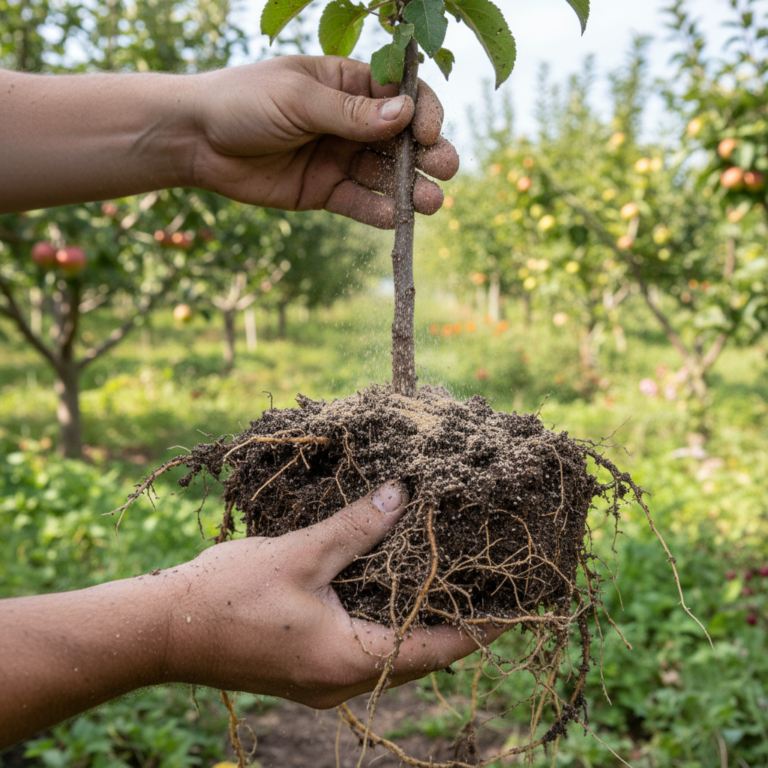
Your soil is a complex ecosystem teeming with life. Every time you dig or till, you’re essentially destroying underground cities of beneficial bacteria, fungi, and microscopic creatures that help plants thrive.
Furthermore, tilling creates hardpan layers beneath the surface. These compacted zones prevent water infiltration and root penetration. No-till methods, on the other hand, encourage natural soil aeration through earthworm activity and root channels.
The benefits extend beyond soil health. No-till gardening dramatically reduces labor, eliminates the need for expensive equipment, and actually increases your harvest over time as soil fertility improves.
Sheet Mulching: Your No-Till Foundation
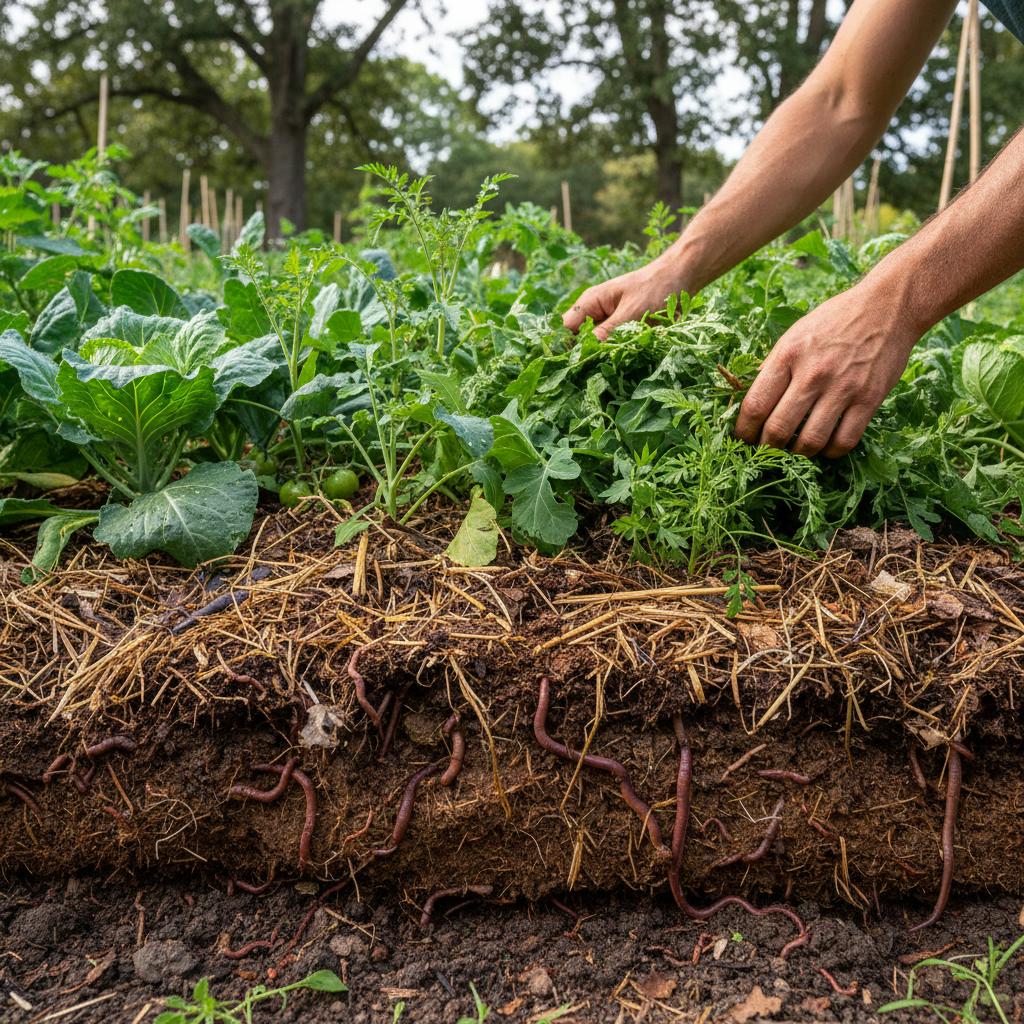
Sheet mulching, also called “lasagna gardening,” forms the cornerstone of most no-till systems. This technique layers organic materials directly on top of existing soil or even grass.
Start with cardboard or thick newspaper to suppress weeds and grass. Next, add a nitrogen-rich layer like fresh grass clippings or kitchen scraps. Follow with carbon-rich materials such as dried leaves, straw, or wood chips.
The magic happens as these layers decompose. Earthworms and soil organisms migrate upward, creating incredibly fertile soil naturally. Within 6-12 months, you’ll have rich, workable earth without ever picking up a shovel.
However, timing matters. Begin sheet mulching in fall for spring planting, or start in early spring for summer crops. The decomposition process needs time to work its magic.
Cover Crops: Living Soil Builders
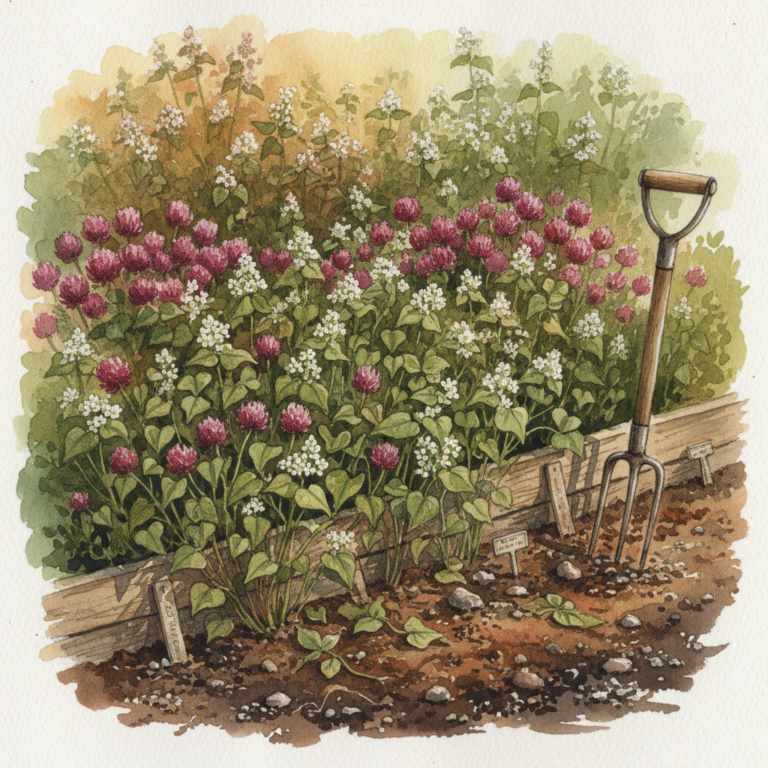
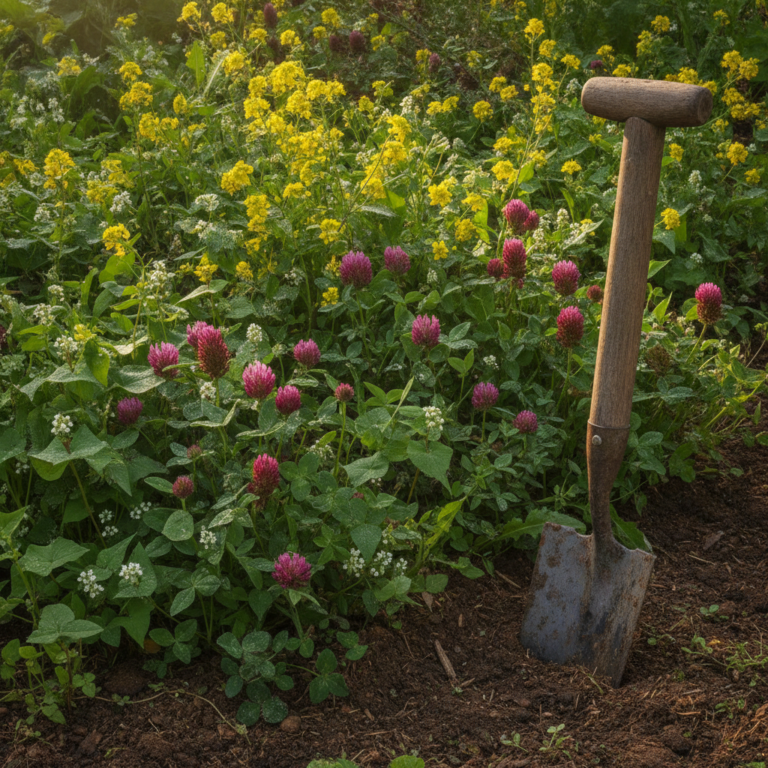
Cover crops represent another powerful no-till gardening strategy. These plants actively improve soil while your beds rest between growing seasons.
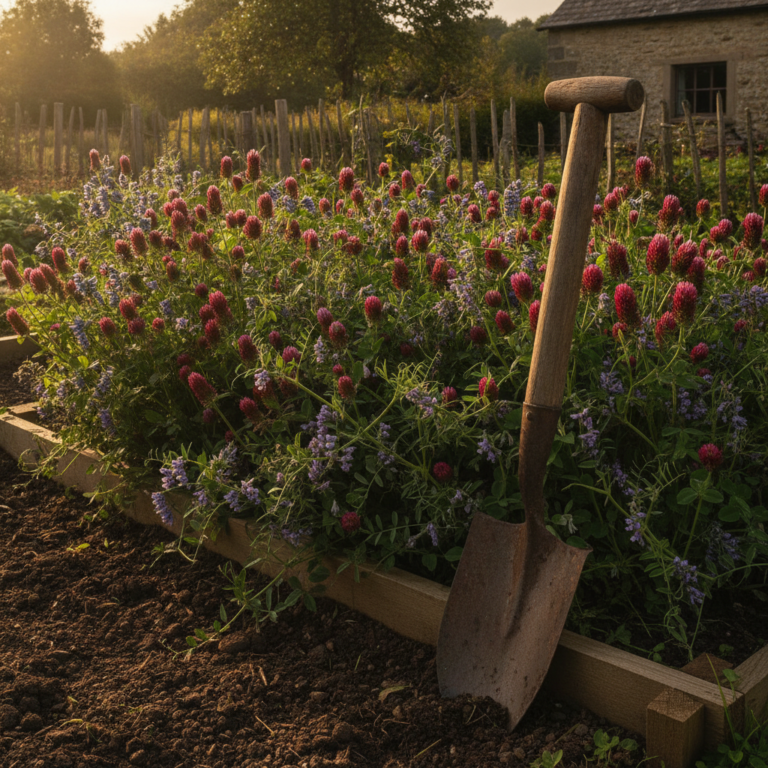
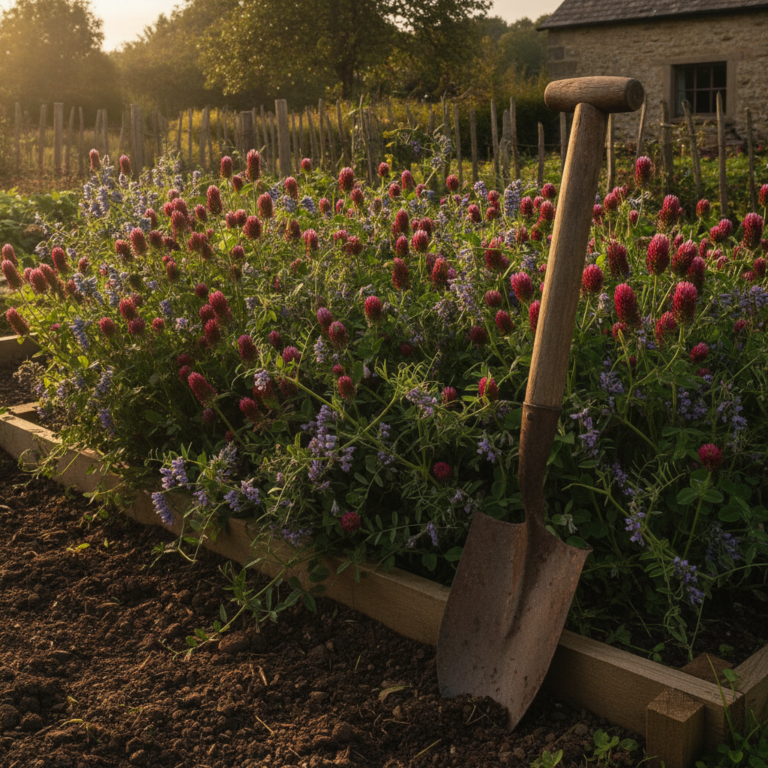
Nitrogen-fixing crops like crimson clover and winter peas add nutrients naturally. Deep-rooted species like daikon radishes break up compaction and bring minerals to the surface. Meanwhile, grasses like winter rye protect soil from erosion and add organic matter.
Plant cover crops in late summer or early fall. In spring, simply cut them down and plant directly through the residue. The decomposing cover crop feeds your vegetables all season long.
Additionally, cover crops suppress weeds better than bare soil. They also provide habitat for beneficial insects that control garden pests naturally.
Direct Seeding and Transplanting in No-Till Systems
Planting in established no-till beds requires slightly different techniques than traditional gardening. The good news? These methods are often easier and more successful.
For direct seeding, create small planting pockets by pulling back mulch. Plant seeds in the exposed soil, then lightly cover with compost or fine mulch. This targeted approach conserves seeds and reduces weeding.
Transplants work beautifully in no-till systems. Simply dig holes through the mulch layer and plant normally. The surrounding mulch provides instant weed suppression and moisture retention.
Moreover, the living soil in no-till beds often produces stronger seedlings with better root systems. If you’re just starting your gardening journey, consider checking out our four-week beginner garden plan for guidance on plant selection and timing.
Common No-Till Challenges and Solutions
Like any gardening method, no-till gardening presents some initial challenges. Understanding these upfront helps you succeed faster.
Slugs and snails love mulched environments. Combat them with diatomaceous earth, beer traps, or by encouraging natural predators like birds and beneficial insects.
Some crops, particularly root vegetables, may struggle in heavily mulched beds initially. Create designated areas with lighter mulch for carrots, radishes, and other finicky crops.
Nitrogen tie-up can occur when fresh wood chips decompose. Counteract this by adding nitrogen sources like blood meal or by composting wood chips before application.
For help diagnosing and fixing soil issues, our guide on reading your dirt without lab tests provides practical solutions for common soil problems.
Building Your No-Till Garden Step by Step
Starting your no-till transformation doesn’t require renovating your entire garden at once. Begin with one bed and expand your success gradually.
First, choose your highest-use area or most problematic spot. Problem clay soil or weedy areas actually benefit most from no-till methods.
Next, gather materials locally. Save money by collecting free cardboard from appliance stores, leaves from neighbors, and grass clippings from your own lawn.
Then, build your layers during favorable weather. Avoid working on frozen or waterlogged soil, which can cause compaction despite your best intentions.
Finally, be patient with the process. No-till gardens improve dramatically in year two and three as soil biology establishes. Consider keeping a garden journal to track your progress and celebrate improvements.
Advanced No-Till Techniques for Experienced Gardeners
Once you’ve mastered basic no-till gardening principles, several advanced techniques can further improve your results.
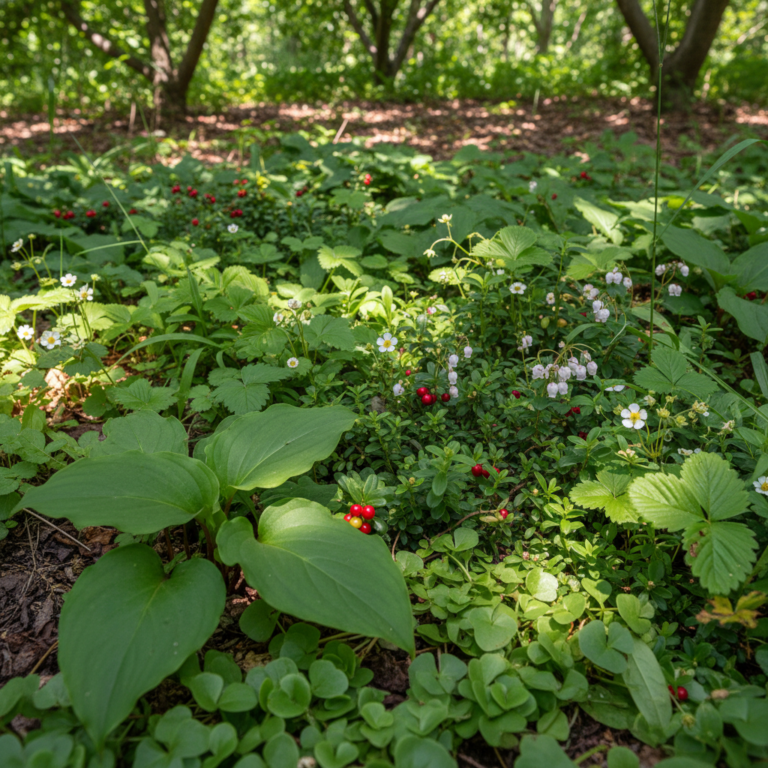
Companion planting works exceptionally well in no-till systems. The undisturbed soil allows beneficial plant relationships to develop fully. Similarly, perennial vegetables and herbs establish stronger root systems in stable soil.
Chop-and-drop pruning provides ongoing organic matter while maintaining living mulch. Cut back nitrogen-fixing plants and leave the clippings in place to feed surrounding crops.
Furthermore, integrating small livestock like chickens can enhance no-till systems. Their scratching naturally incorporates organic matter while adding fertility.
Maintaining Your No-Till Garden Through the Seasons
Seasonal maintenance in no-till gardens focuses on feeding soil life rather than mechanical cultivation. This approach actually requires less work than traditional gardening.
Spring tasks include refreshing mulch layers and adding compost to planting areas. Summer maintenance involves occasional weeding and mulch replenishment as materials decompose.
Fall brings the heaviest workload: planting cover crops, adding organic matter, and preparing beds for winter. However, winter requires virtually no work as soil organisms continue improving your garden underground.
This reduced maintenance schedule frees up time for other garden activities. You might explore microclimate gardening or expand into season extension techniques.
Starting Your No-Till Success Story
Transforming your garden with no-till gardening methods creates lasting benefits for both your soil and your schedule. These gentle techniques work with natural processes to build fertility while reducing labor.
Remember that soil building takes time. Start small, observe the process, and expand gradually as you gain confidence. Your future self will thank you for choosing methods that get easier and more productive over time.
Most importantly, embrace the learning process. Every no-till garden teaches valuable lessons about soil health, plant relationships, and sustainable growing practices that serve you for years to come.