Guild Gardens: Plant Communities That Work Together
Imagine walking through your garden and seeing every plant working together like a well-orchestrated team. Welcome to the world of plant guilds – nature-inspired communities where each plant supports its neighbors through shared resources, pest control, and nutrient cycling. This permaculture approach transforms your garden from isolated plants competing for space into a thriving ecosystem that practically manages itself.
Plant guilds mimic what happens naturally in forests and meadows. Instead of fighting against nature’s patterns, you’re working with them to create resilient, productive growing spaces that require less water, fewer inputs, and minimal pest management.
What Makes Plant Guilds So Effective?
Think of plant guilds as nature’s original neighborhood watch program. Each plant contributes something unique while benefiting from its companions’ gifts. Some plants fix nitrogen in the soil, others attract beneficial insects, and still others provide natural pest deterrents.
The magic happens underground too. Root networks at different depths tap into various soil layers, preventing competition while maximizing nutrient uptake. Deep-rooted plants bring minerals up from below, while shallow-rooted ones catch surface nutrients before they wash away.
Furthermore, this approach creates natural pest management. When you diversify your plantings, you make it harder for pests to establish themselves while providing habitat for their natural predators.
Understanding the Guild Structure: Nature’s Perfect Design
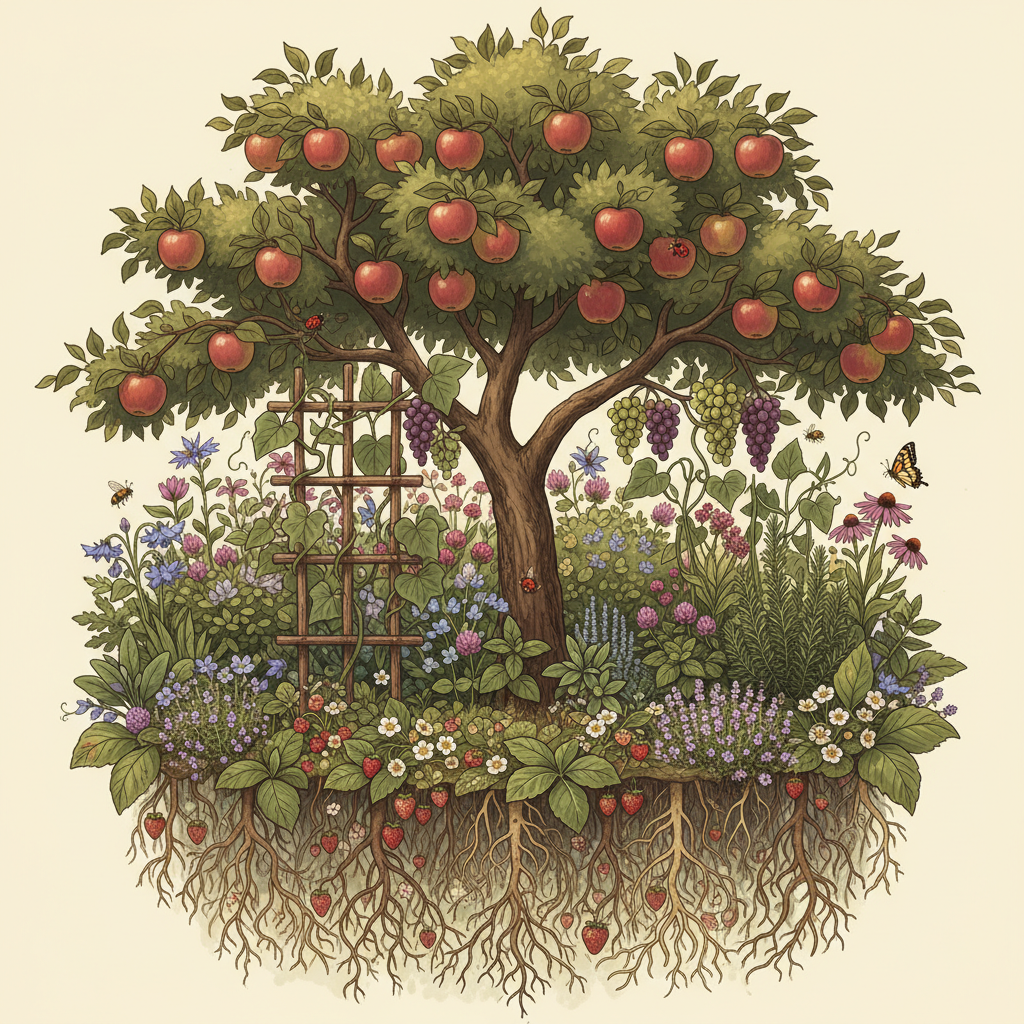
Every successful plant guild follows nature’s layered approach. At the top, you’ll have your canopy layer – typically a fruit tree or large shrub that provides structure and shade. Below that, smaller shrubs create the understory layer.
The herbaceous layer includes your perennial herbs and flowers, while ground covers spread across the soil surface. Don’t forget the root layer underground – bulbs, tubers, and root vegetables that store energy and add diversity.
Additionally, vertical climbers make use of every inch of space by growing up trellises, fences, or the main tree itself. This layered approach maximizes productivity while mimicking natural forest ecosystems.
Designing Your First Fruit Tree Guild
Start simple with an apple or pear tree as your guild anchor. These trees provide the perfect framework for a beginner-friendly plant guild that delivers both food and beauty.
Begin by planting nitrogen-fixing shrubs like autumn olive or elaeagnus about 6-8 feet from your tree. These plants feed the soil while producing their own harvest. Next, add comfrey as your dynamic accumulator – its deep roots mine nutrients and its leaves make excellent mulch.
For pest control, plant aromatic herbs like rosemary, thyme, and lavender around the tree’s drip line. These plants confuse harmful insects while attracting beneficial pollinators. Complete your guild with ground covers like wild ginger or ajuga that suppress weeds and retain soil moisture.
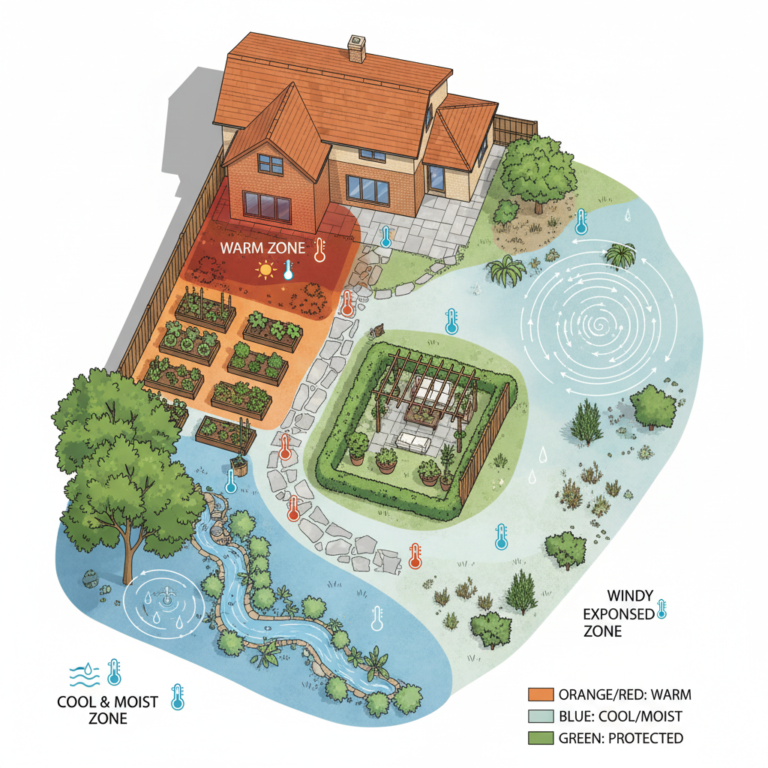
Remember to consider your specific growing conditions when selecting plants. If you’re still learning about your garden’s unique characteristics, check out our guide on mapping your garden microclimates to understand exactly what conditions each area offers.
Guild Plants by Function: Building Your Plant Team
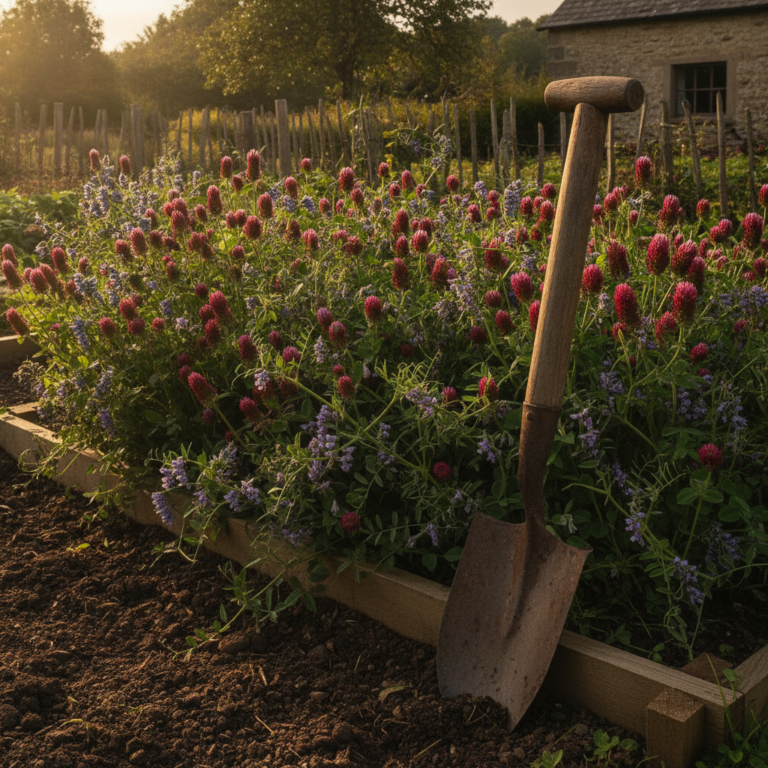
Every plant guild needs specific functional players. Nitrogen fixers like leguminous plants feed the entire community by converting atmospheric nitrogen into soil-available forms. Think beyond beans and peas – consider perennial options like American groundnut or winter-hardy shrubs like goumi.
Dynamic accumulators have deep roots that mine nutrients from the subsoil and concentrate them in their leaves. When these leaves decompose, they release nutrients in the root zone where other plants can access them.
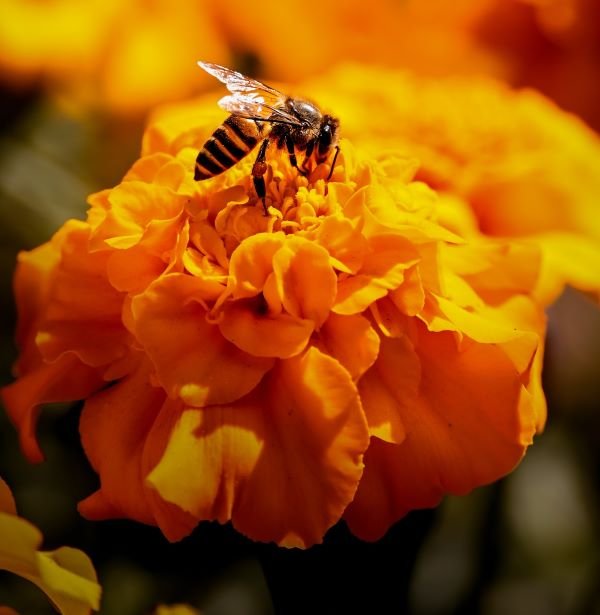
Pest deterrent plants use strong scents, sticky leaves, or chemical compounds to repel harmful insects. Meanwhile, pollinator attractors ensure your fruit trees and vegetables get the attention they need for successful reproduction.
Ground covers serve multiple functions: they prevent soil erosion, suppress weeds, moderate soil temperature, and often provide additional harvest opportunities.
Small Space Plant Guilds: Maximum Impact in Minimal Room
Don’t let limited space discourage you from creating plant guilds. Container plant guilds work beautifully on patios, balconies, and small yards. Start with a dwarf fruit tree in a large container, then surround it with smaller pots containing herbs, flowers, and trailing plants.
Vertical plant guilds make excellent use of walls and fences. Train a grapevine or hardy kiwi up a trellis, then plant shade-tolerant herbs and ground covers below. This approach maximizes your growing space while creating the same beneficial relationships as larger guilds.
For those interested in expanding their small-space growing, our microforest planning guide offers additional strategies for creating diverse, productive gardens in compact areas.
Common Mistakes and How to Avoid Them
The biggest mistake new guild gardeners make is overcrowding. Plants need room to grow and access to sunlight and air circulation. Start with fewer plants and add more as you learn how they interact in your specific conditions.
Another common error is ignoring your soil condition. Plant guilds work best in healthy, well-draining soil with good organic matter content. If you’re unsure about your soil quality, our soil diagnostic guide will help you assess and improve your growing medium.
Also, avoid the temptation to create complex guilds right away. Start with a simple three or four plant combination, observe how they grow together, then gradually add complexity as you gain confidence and experience.
Seasonal Care for Your Plant Guild
Plant guilds require different care throughout the year, but generally less maintenance than traditional gardens. In spring, add compost around the guild and prune any dead or crossing branches from your anchor tree.
Summer care focuses on water management. The diverse root systems in your guild help retain moisture, but newly established guilds may need supplemental watering during dry spells. Mulching with comfrey leaves or other organic matter helps conserve water and feed the soil simultaneously.
Fall is harvest time for many guild plants. After harvesting, chop and drop plant material to feed the soil over winter. This natural process mimics forest ecosystems where falling leaves continuously feed the soil community.
Expanding Your Guild Garden Success
Once your first plant guild is established and thriving, you can create additional guilds throughout your property. Each guild can have a different focus – perhaps a nut tree guild for long-term food security or a medicinal herb guild for natural wellness.
Connect your guilds with pathways lined with beneficial plants to create corridors for beneficial insects and wildlife. This approach turns your entire property into a interconnected ecosystem that supports both human needs and environmental health.
Document your guild’s progress and interactions in a garden journal. Recording what works well and what challenges arise helps you refine your approach and share knowledge with other gardeners.
Growing Your Guild Gardening Skills
Creating successful plant guilds is both an art and a science that improves with practice and observation. Start small, be patient with the establishment process, and remember that natural systems take time to mature and reach their full potential.
The investment in time and thoughtful planning pays off with gardens that become more productive and self-sustaining each year. Your plant guilds will evolve and adapt, teaching you valuable lessons about working with natural systems rather than against them.
Most importantly, enjoy the process of creating these living communities. There’s something deeply satisfying about watching plants support each other while providing you with food, beauty, and a deeper connection to natural growing methods.