Guild Planting: Build Plant Communities That Thrive
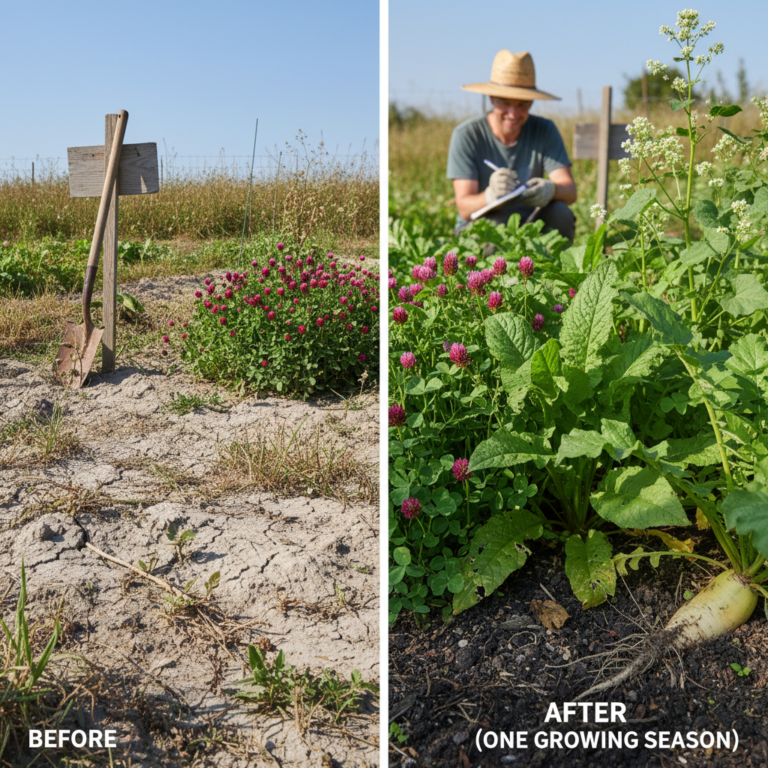
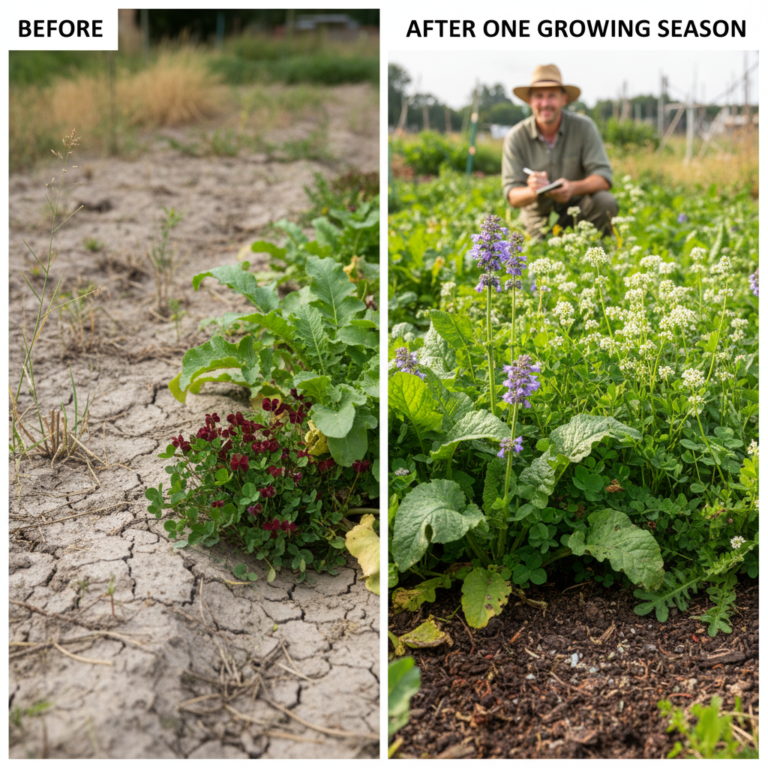
Imagine stepping into your garden and discovering that your plants aren’t just growing—they’re actively helping each other thrive. This is the magic of guild planting, a permaculture technique that creates beneficial plant partnerships far beyond traditional companion planting. By designing functional plant communities, you’ll transform your garden into a self-supporting ecosystem that works smarter, not harder.
Guild planting takes the guesswork out of garden planning. Instead of placing plants randomly, you’ll learn to create intentional partnerships that maximize nutrients, space, and natural pest control.
What Is Guild Planting and Why Does It Work?
Guild planting is a permaculture design strategy that groups plants together based on their complementary functions. Unlike simple companion planting, which pairs two plants for mutual benefit, guild planting creates entire communities of plants that support each other through multiple relationships.
These plant communities work because they mimic natural ecosystems. In nature, plants don’t grow in isolation. They form complex relationships where deep-rooted trees bring up nutrients for shallow-rooted plants, nitrogen-fixers feed heavy feeders, and aromatic herbs repel pests from vulnerable neighbors.
The key difference is intentionality. While companion planting might suggest growing basil near tomatoes, guild planting designs entire systems where every plant has multiple functions and relationships.
The Essential Elements of Every Plant Guild
Successful guild planting requires understanding plant roles within the community. Think of it as casting characters for a garden play—each plant needs a specific job to make the whole production successful.
Canopy and Support Layers
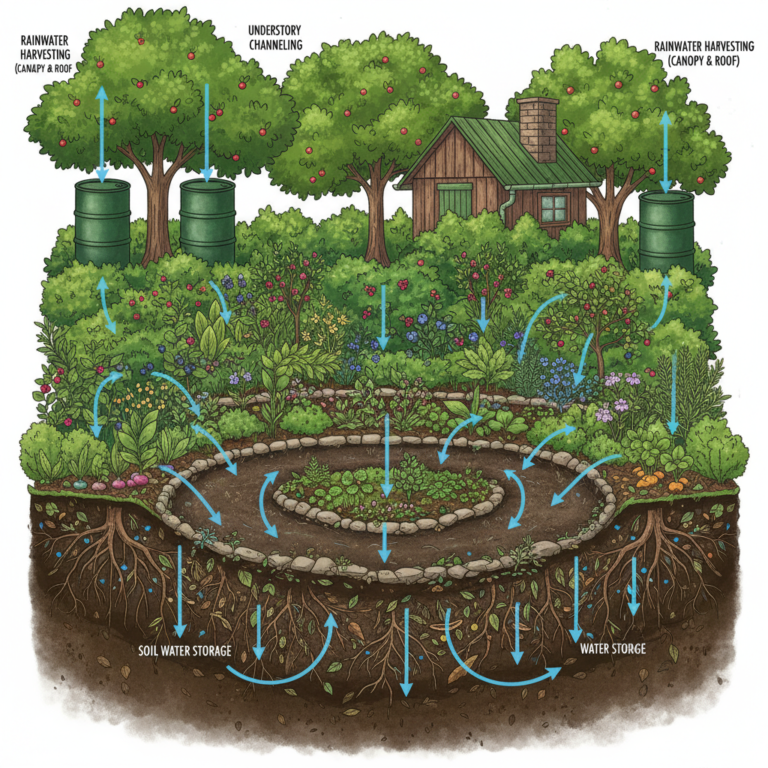
Start with your tallest plants as the guild’s backbone. These might be fruit trees, large shrubs, or even trellised vines. The canopy layer provides structure and creates microclimates for smaller plants below.
Next comes the understory—medium-height plants that thrive in partial shade. Berry bushes, herbs, and smaller fruiting plants often fill this role perfectly.
Ground Cover and Soil Builders
Low-growing plants serve as living mulch, suppressing weeds and retaining soil moisture. Creeping thyme, strawberries, and low-growing herbs excel in this role.
Meanwhile, nitrogen-fixing plants like beans, peas, and comfrey feed the entire community by converting atmospheric nitrogen into plant-available forms.
Dynamic Accumulators and Pest Deterrents
Some plants excel at mining specific nutrients from deep soil layers. These dynamic accumulators, like dandelions and plantain, bring nutrients to the surface when their leaves decompose.
Aromatic plants provide natural pest control. Marigolds, nasturtiums, and strongly-scented herbs create protective barriers around more vulnerable guild members.
Designing Your First Guild Planting System
Creating your first plant guild doesn’t require advanced permaculture knowledge. Start small and build confidence through hands-on experience.
The Classic Fruit Tree Guild
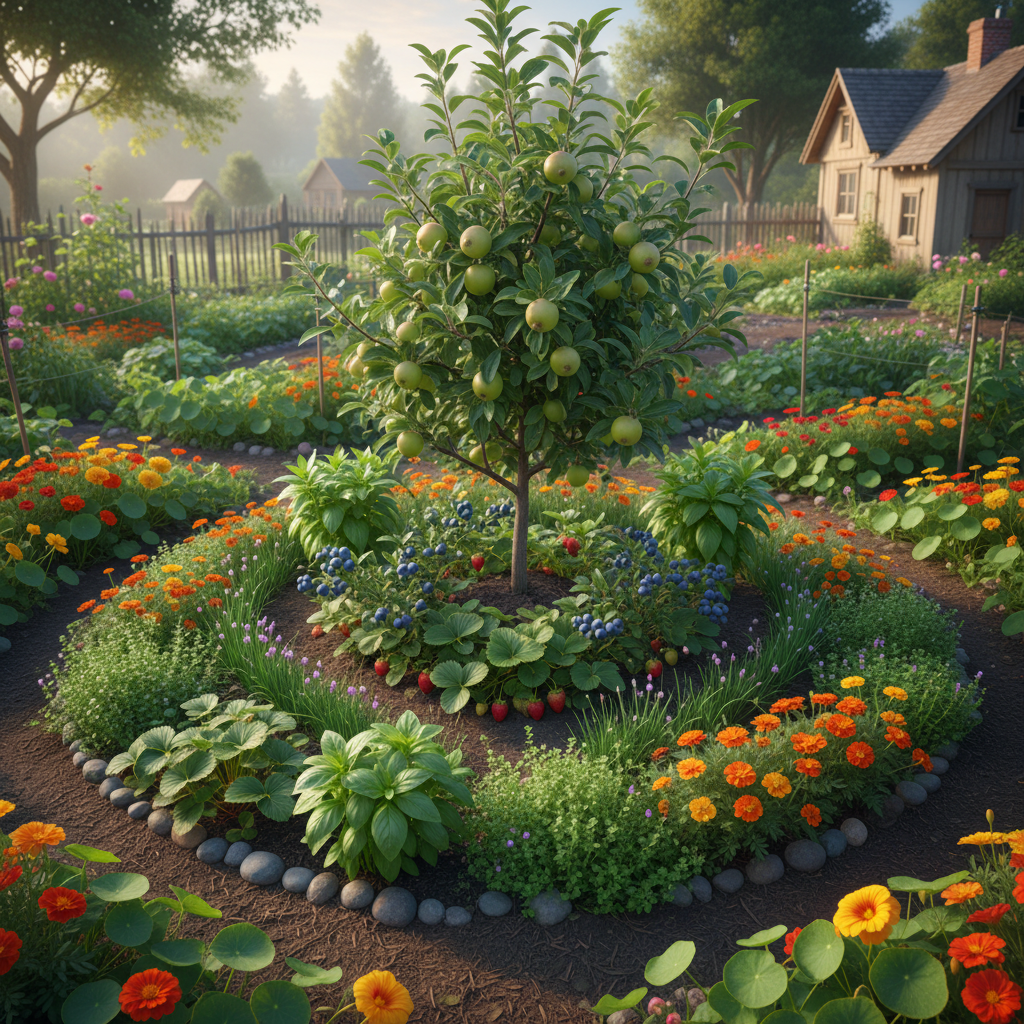
Begin with a dwarf fruit tree as your anchor plant. Apple, pear, or citrus trees work beautifully for beginners. Around this central element, add complementary plants in concentric circles.
Plant chives and comfrey near the tree trunk—they’ll improve soil health and deter pests. Add a ring of berries or currants at the tree’s drip line. Fill spaces with ground-covering herbs like thyme or oregano.
This simple guild provides fruit, herbs, pest control, and soil improvement in just a few square feet. Plus, it’s beautiful to look at throughout the growing season.
The Three Sisters Plus Guild
Expand the traditional Three Sisters planting (corn, beans, squash) into a fuller guild community. The corn provides structure for climbing beans, which fix nitrogen for the heavy-feeding corn and squash.
Enhance this classic combination by adding sunflowers for additional vertical support and bird habitat. Plant nasturtiums around the edges for pest control and edible flowers. Include some marigolds for soil health and pest deterrence.
This expanded guild produces multiple crops while improving soil health and creating habitat for beneficial insects.
Advanced Guild Planting Strategies
Once you’ve mastered basic guild concepts, you can create more complex plant communities that maximize every square inch of growing space.
Layered Food Forests
Design vertical guilds that utilize all growing layers from canopy to root zone. This approach works especially well in larger spaces or when creating microforests in small spaces.
Layer fruit trees over berry bushes over herbs over ground covers over root vegetables. Each layer occupies a different niche, reducing competition while maximizing production.
Seasonal Succession Guilds
Plan guild planting combinations that provide benefits throughout the growing season. Early spring flowers feed pollinators before main crops bloom. Cool-season vegetables occupy space before warm-season plants spread.
Summer herbs provide peak pest protection when vulnerable crops need it most. Fall-planted cover crops improve soil for next year’s guild.
Understanding your garden’s microclimates helps you place plants where they’ll thrive and support their guild partners most effectively.
Common Guild Planting Mistakes and How to Avoid Them
Even experienced gardeners make mistakes when transitioning to guild planting. Learning from common errors saves time and prevents frustration.
Overcrowding the Guild
Enthusiasm for guild planting often leads to cramming too many plants into small spaces. Remember that plants need room to grow and access to resources.
Start with fewer plants and add more as you observe how the guild develops. It’s easier to add plants than to remove established ones.
Ignoring Plant Timing
Not all guild plants should be planted simultaneously. Trees and shrubs need time to establish before adding understory plants. Fast-growing annuals might overwhelm slow-developing perennials.
Plan your guild installation over multiple seasons, allowing each layer to establish before adding the next.
Mismatching Plant Needs
Plants in the same guild must have compatible growing requirements. Don’t pair water-loving plants with drought-tolerant ones, or sun-lovers with shade plants.
Research each plant’s needs before designing your guild. Understanding your soil conditions helps you choose compatible plants that will thrive together.
Maintaining and Evolving Your Plant Guilds
Guild planting creates dynamic systems that change over time. Successful guild management involves observation, adaptation, and gentle intervention.
Monitor how plants interact within the guild. Some partnerships work better than expected, while others might need adjustment. Keep detailed records of what works and what doesn’t.
Prune and harvest strategically to maintain balance within the guild. Remove plants that become too aggressive or aren’t contributing to the community.
Allow your guild planting system to evolve naturally while guiding it toward your goals. The most successful guilds develop organically over several growing seasons.
Getting Started: Your First Guild This Season
Ready to try guild planting in your own garden? Start with a simple three-plant combination to build confidence and observe how plant partnerships work.
Choose one anchor plant (like a tomato or small fruit tree), one support plant (like basil or comfrey), and one ground cover (like creeping thyme or nasturtiums). Plant them together and observe their interactions throughout the growing season.
Document what you observe in a garden journal. Which plants seem to help each other? Where do you see pest problems or nutrient deficiencies? This firsthand experience provides the foundation for more complex guild planting projects.
Remember, guild planting is both an art and a science. Every garden is different, so what works for your neighbor might need adjustment for your conditions. Start small, observe carefully, and let your plants teach you how to create thriving garden communities.
With patience and practice, you’ll develop the skills to design plant guilds that transform your garden into a productive, self-sustaining ecosystem that grows more beautiful and bountiful each year.