Rainwater Harvesting for Small Gardens: Easy DIY Guide
Ready to slash your water bills while nourishing your plants with nature’s gift? Rainwater harvesting transforms every drop of precipitation into liquid gold for your garden. This sustainable practice not only reduces your environmental footprint but also provides your plants with chlorine-free, naturally soft water they absolutely love.
Whether you’re tending a tiny balcony garden or managing a modest backyard plot, capturing and storing rainwater is surprisingly simple. You don’t need expensive equipment or professional installation – just a few basic materials and some weekend DIY spirit.
Why Rainwater Harvesting Works Wonders
Before diving into the how-to, let’s explore why collecting rainwater makes perfect sense for home gardeners. First, rainwater is naturally soft and free from the chemicals found in municipal water supplies. Plants thrive on this pure H2O, often showing improved growth and fewer leaf burn issues.
Furthermore, rainwater harvesting significantly reduces your water bills during peak growing season. A single inch of rainfall on a 1,000-square-foot roof can yield approximately 600 gallons of harvestable water. That’s enough to keep a medium-sized garden flourishing for weeks!
Additionally, this practice helps manage stormwater runoff, reducing erosion and flooding around your property. You’re literally turning a potential problem into a gardening solution.
Simple Container Systems for Beginners
Starting your rainwater harvesting journey doesn’t require a hefty investment. Basic container systems offer an excellent entry point for beginners.
Rain Barrel Setup
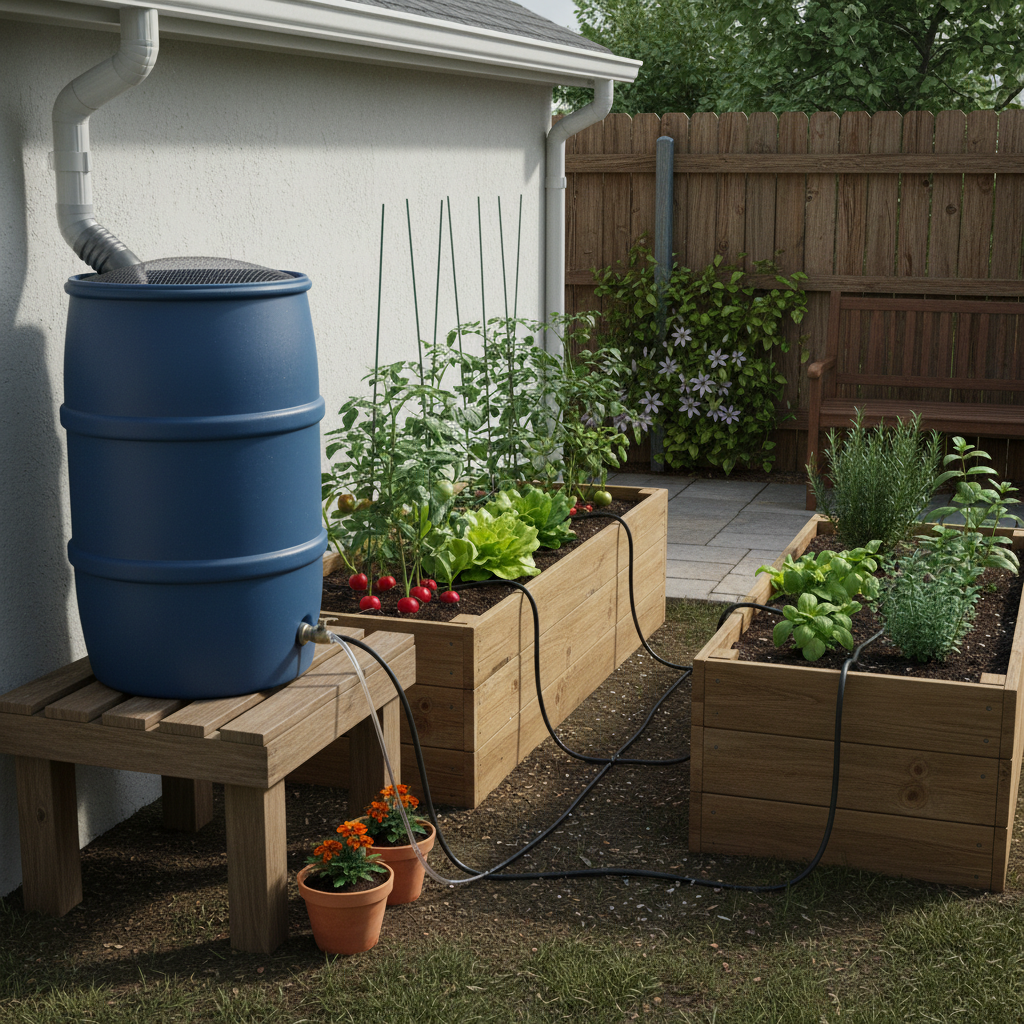
The classic rain barrel remains the most popular choice for small-scale water collection. Purchase a food-grade 55-gallon barrel or repurpose a large plastic container. Ensure it has a tight-fitting lid to prevent mosquito breeding and debris accumulation.
Position your barrel beneath a downspout from your roof’s gutter system. Install a simple diverter kit that allows the first flush of water to bypass your collection system, washing away roof contaminants before clean water enters your barrel.
Add a spigot near the bottom for easy water access and an overflow valve to direct excess water away from your foundation. Screen the top opening with fine mesh to filter out leaves and insects.
Multiple Container Networks
Once you’ve mastered the single-barrel system, consider connecting multiple containers for increased storage capacity. Link barrels together using flexible tubing at their base, creating a network that fills evenly.
This approach works particularly well when combined with microclimate optimization techniques that help you understand exactly where and when your plants need the most water.
Gravity-Fed Irrigation Solutions
Transform your stored rainwater into an efficient watering system using gravity-fed irrigation. This method eliminates the need for electric pumps while providing consistent moisture to your plants.
Elevated Storage Strategy
Raise your water storage containers on sturdy platforms, concrete blocks, or purpose-built stands. Every foot of elevation provides approximately 0.43 PSI of water pressure – enough to power simple drip irrigation systems.
For containers placed 3-4 feet high, you’ll generate sufficient pressure for soaker hoses or drip emitters covering areas up to 50 feet away from your storage point.
Distribution Network Setup
Connect your elevated storage to distribution lines using standard garden hose fittings. Install a main valve at the storage container to control water flow, then branch out to different garden zones using Y-connectors and additional valves.
Soaker hoses work exceptionally well with gravity-fed systems, providing slow, steady moisture directly to plant root zones. This method proves especially effective when integrated with seasonal planning strategies like those outlined in climate-aware planting approaches.
Budget-Friendly DIY Components
Creating an effective rainwater harvesting system doesn’t require breaking the bank. Many components can be sourced affordably or crafted from readily available materials.
Gutter Modifications
If your home lacks gutters, consider installing partial gutter sections only where needed for water collection. Focus on roof areas that shed the most water during typical rainfall events.
Create simple leaf guards using hardware cloth or gutter screen material. These inexpensive additions significantly reduce maintenance while keeping collection systems flowing freely.
Storage Alternatives
Beyond traditional rain barrels, explore alternative storage options. Large food-grade buckets, old livestock watering tanks, or even clean trash cans can serve as effective collection vessels.
For temporary or seasonal systems, consider using large tarps to direct roof runoff into portable containers. This method works particularly well for renters or gardeners testing rainwater collection before committing to permanent installations.
System Maintenance and Water Quality
Proper maintenance ensures your harvested rainwater remains clean and your system functions reliably year-round.
Regular Cleaning Schedule
Clean gutters and downspouts monthly during active collection seasons. Remove leaves, debris, and any organic matter that might contaminate your water supply or clog distribution lines.
Scrub storage containers annually with a diluted bleach solution, then rinse thoroughly before refilling. This prevents algae growth and eliminates bacterial buildup.
Winter Preparation
In freeze-prone regions, drain systems completely before winter arrives. Disconnect flexible tubing and store indoors to prevent cracking. Cover storage containers to prevent ice formation and potential structural damage.
Document your maintenance activities using garden planning tools similar to those discussed in comprehensive garden journaling systems.
Maximizing Collection Efficiency
Smart positioning and system design dramatically improve your rainwater harvesting efficiency.
Roof Surface Considerations
Metal and tile roofs provide the cleanest water collection, while asphalt shingles may introduce minor mineral content. Avoid collecting water from roofs with copper flashing or treated wood shingles, as these materials can release harmful compounds.
Calculate your potential collection capacity by multiplying your roof’s square footage by 0.623. This gives you gallons collected per inch of rainfall – valuable data for sizing your storage system appropriately.
Strategic Placement
Position collection systems to serve your highest-water-need garden areas first. Place storage containers within 100 feet of primary watering zones to maintain adequate gravity-fed pressure.
Consider seasonal sun patterns when placing containers, as excessive heat can promote algae growth and degrade plastic storage materials over time.
Getting Started This Season
Begin your rainwater harvesting journey with a simple single-barrel system this growing season. Start small, learn the basics, then expand your capacity as your confidence and garden size grow.
Most importantly, remember that every drop you collect reduces your reliance on treated municipal water while providing your plants with the pure hydration they crave. Your garden will thank you, your wallet will appreciate the savings, and you’ll gain valuable experience in sustainable growing practices.
Ready to dive deeper into water-wise gardening? Rainwater harvesting pairs beautifully with other sustainable practices that help create resilient, productive growing spaces year-round.