Green Manure Crops: The Plow-Under Secret
Long before synthetic nitrogen came in a bag, farmers already knew how to feed their soil. They grew green manure crops — specific plants raised not to eat, but to bury. Chop them down at the right moment, turn them into the earth, and let the soil feast. It’s one of the most powerful and most forgotten tricks in the gardening playbook. And the good news? You can start using it this season, in any size garden.
What Are Green Manure Crops, Exactly?
Green manures are plants grown specifically to improve soil, not to harvest. You let them grow until they hit a peak moment — usually just before or at flowering — then cut them down and dig them in. As they decompose, they release nutrients, build organic matter, and feed the entire underground ecosystem.
This is not the same as leaving dead plant material on top of the soil. The key is incorporation. Burying fresh, green plant material triggers a different kind of soil biology. Microbial activity surges. Nitrogen is released. Structure improves. It’s like giving your garden a living meal rather than a vitamin pill.
Farmers used this method for centuries across Europe, Asia, and the Americas. It only fell out of favor when synthetic fertilizers made it seem unnecessary. But those who kept doing it — and those rediscovering it now — consistently grow richer soil year after year.
If you’re just starting to understand your soil’s needs, the post Soil Sense Without the Lab: Read Your Dirt, Fix It Fast is a great companion read before you begin.
The Best Green Manure Crops to Grow
Not every plant makes a good green manure. The best choices are either nitrogen-fixers, fast biomass producers, or deep-rooted soil-breakers. Here are the most reliable options for home gardeners.
Legumes: Nature’s Nitrogen Factories
Legumes are the gold standard of green manure crops. Their roots host bacteria that pull nitrogen directly from the air and fix it in the soil. When you bury these plants, that nitrogen becomes available to whatever you grow next.
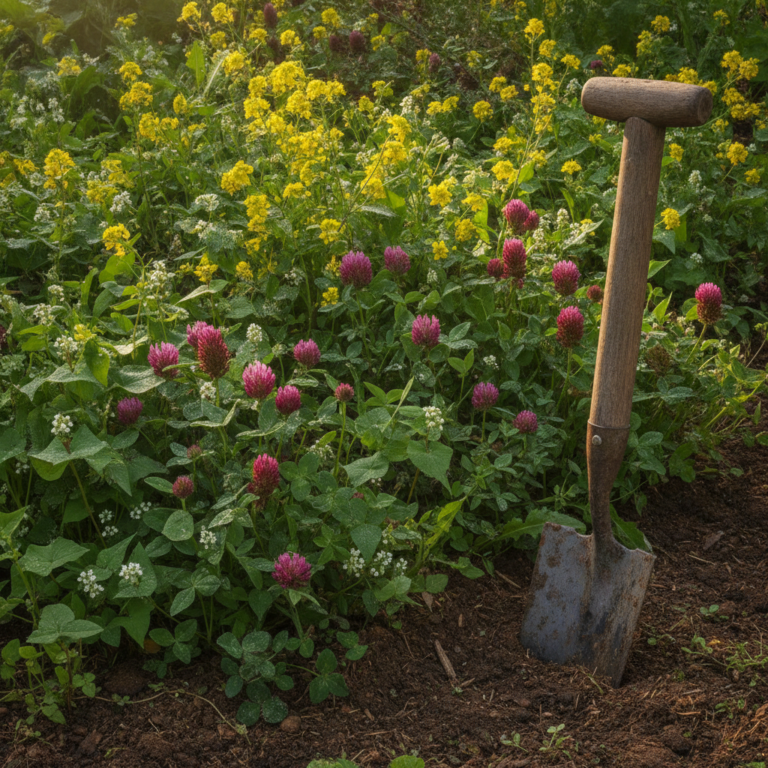
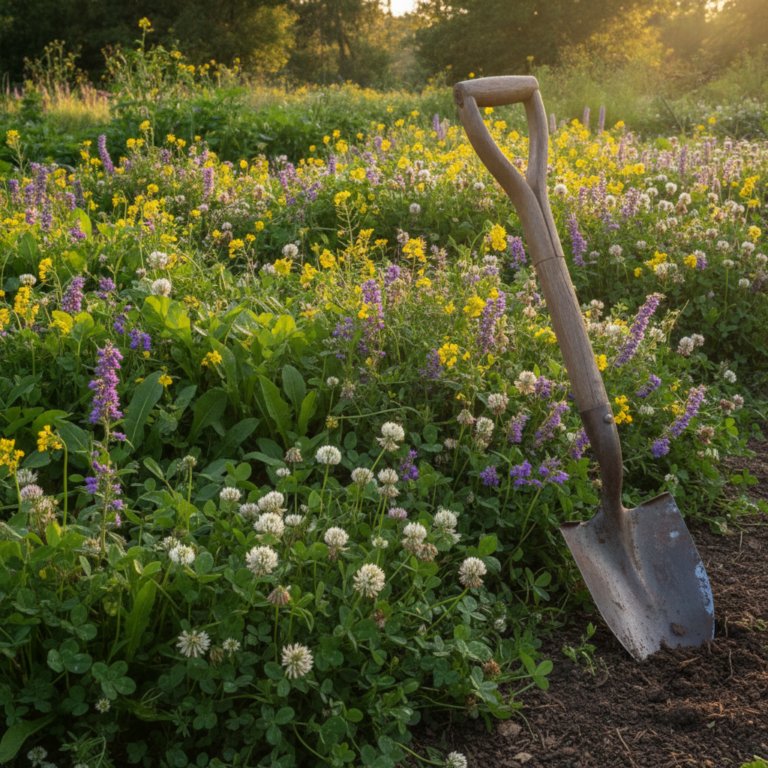
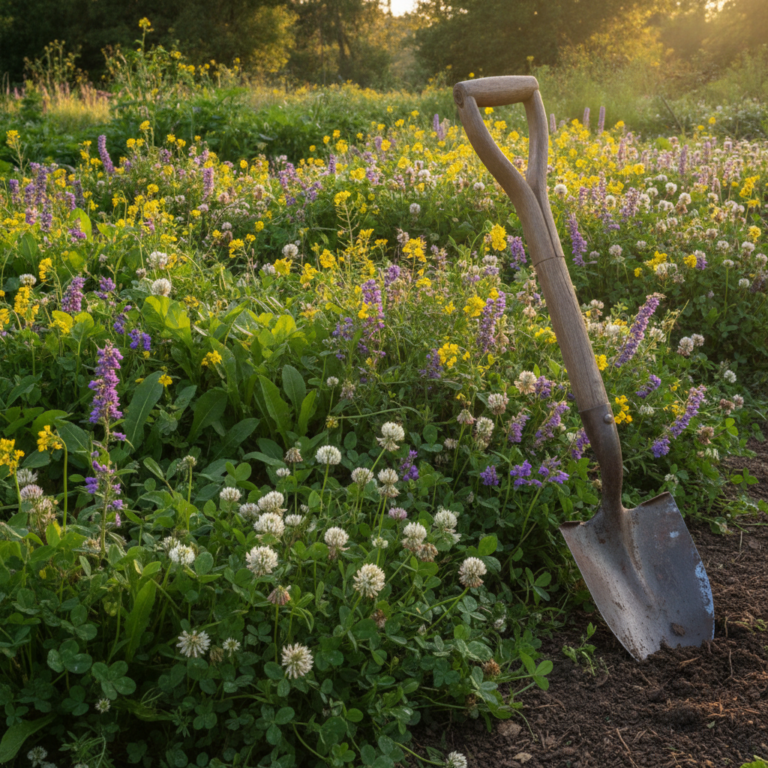
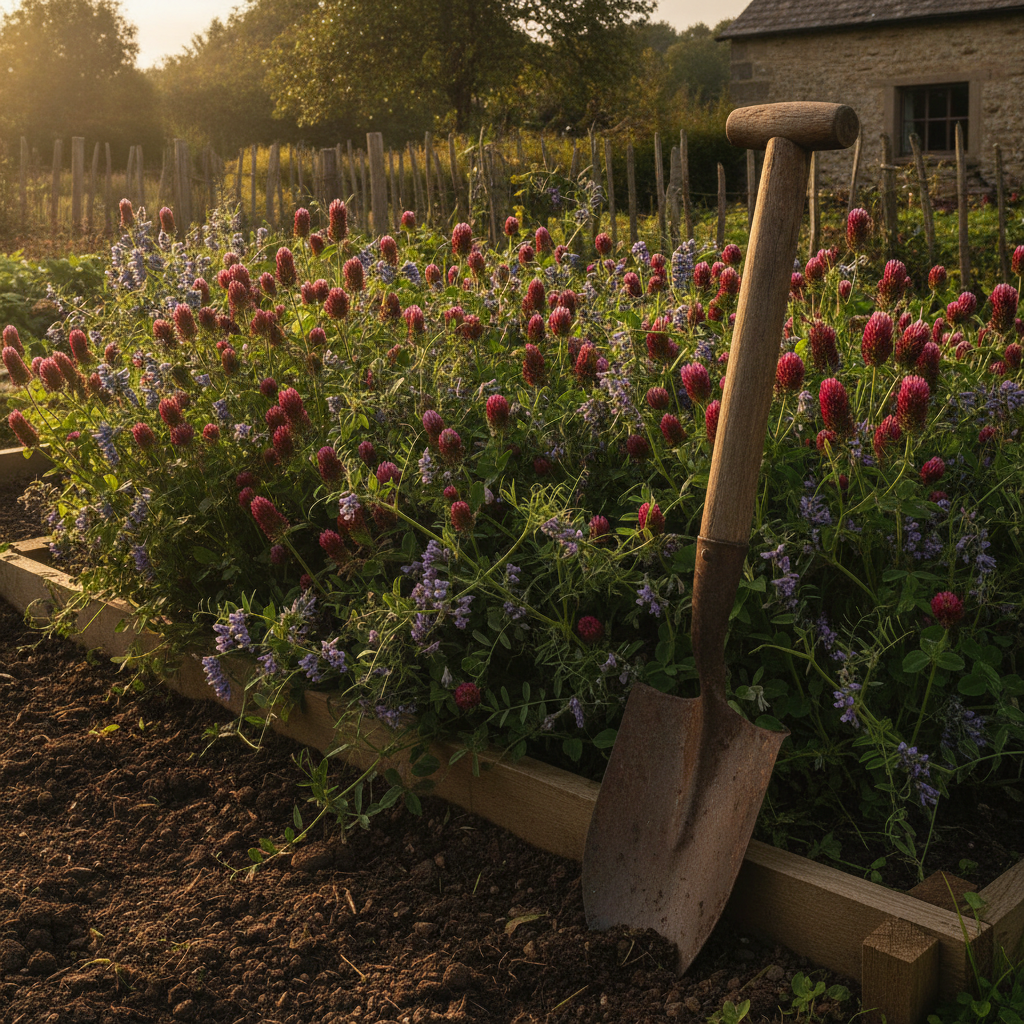
- Crimson Clover — Fast-growing, winter-hardy in many zones, and stunning in bloom. Fixes 70–150 lbs of nitrogen per acre.
- Winter Field Peas — Excellent for autumn planting. They decompose quickly and release nitrogen fast.
- Fava Beans — A powerhouse for cool seasons. Deep roots and heavy biomass make them one of the best choices available.
- Hairy Vetch — Incredibly vigorous. Works well paired with cereal rye to prevent matting.
Non-Legumes: Biomass and Structure Builders
Not all green manures fix nitrogen, but that doesn’t make them less valuable. These plants build organic matter, break up compaction, and support soil life in different ways.
- Buckwheat — Fast-growing in warm weather. Smothers weeds, attracts pollinators, and decomposes rapidly.
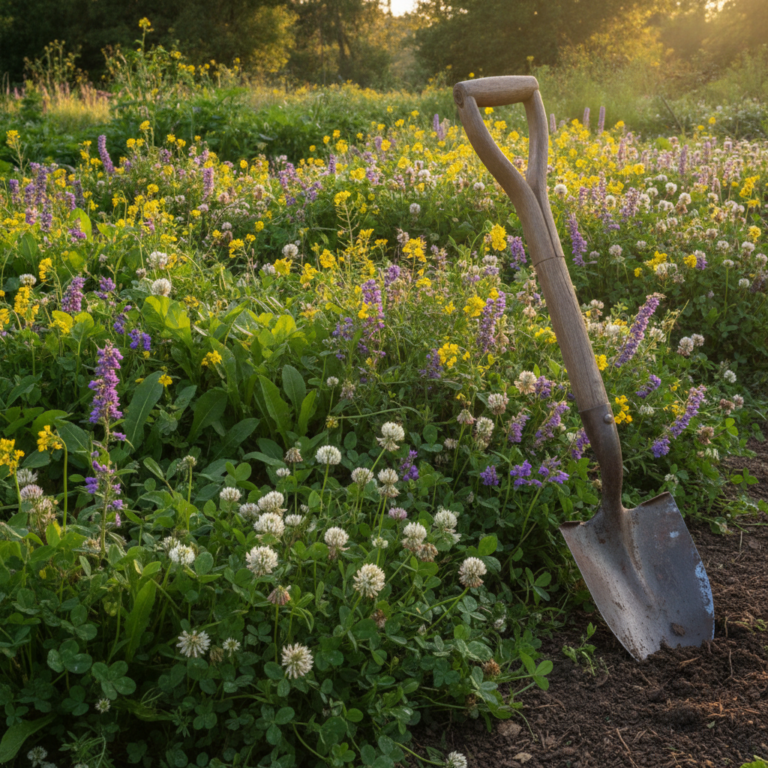
- Phacelia — A European favorite. Decomposes in as little as two weeks and adds excellent structure to heavy soils.
- Oats or Cereal Rye — Cold-hardy grasses that add significant carbon and help prevent erosion over winter.
- Mustard — Biofumigant properties help suppress soil pathogens and pests when chopped and incorporated.
Timing the Cut: When to Plow Under for Maximum Benefit
Timing is everything. Cut too early, and you lose biomass. Cut too late, and the plants go woody and take much longer to break down. The sweet spot is at or just before flowering.
At that stage, plants are at their peak nitrogen content. The cells are still soft and full of water, meaning they decompose fast once turned into the soil. Woody stems break down slowly and can temporarily tie up nitrogen rather than releasing it.
After you dig them in, wait at least two to three weeks before planting. This allows decomposition to proceed without harming young roots. In warm weather, three weeks is often enough. In cool spring soil, give it four weeks to be safe.
The Two-Week Rule
Here’s a simple rule to remember: chop at bud stage, wait two weeks minimum, then plant. For fast decomposers like phacelia or buckwheat, you may be ready in 10 days during summer heat. For heavy rye or vetch, lean toward four weeks.
You can speed breakdown by mowing or chopping the plants finely before turning them in. A sharp spade or broadfork works well. You don’t need a rototiller — in fact, minimal tillage keeps your soil structure healthier in the long run.
A Practical Green Manure Planting Calendar
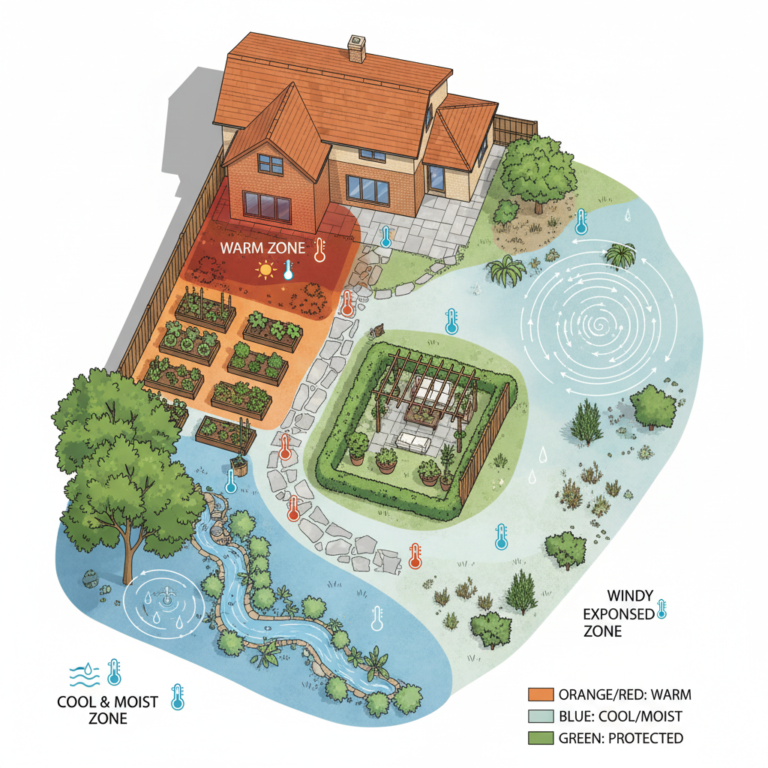
Here’s a simple seasonal guide you can adapt to your climate zone. Pair it with your local frost dates for best results. If you’re working with unusual sun, wind, or cold pockets in your yard, the post on Mapping Your Garden Microclimates: Turn Sun, Wind, and Shade into Higher Yields will help you refine timing.
Spring (March–May)
- Sow field peas or fava beans as soon as soil can be worked — 4 to 6 weeks before your main planting date.
- Sow phacelia in beds you won’t plant until late spring or early summer.
- Cut and incorporate 3–4 weeks before transplanting tomatoes, squash, or other warm-season crops.
Early Summer (May–June)
- Sow buckwheat in empty beds between successions. It matures in 30–40 days.
- Use buckwheat to fill gaps when a spring crop finishes and a fall crop isn’t ready to go in yet.
- Cut at bud stage, wait 10–14 days, then sow your next crop.
Late Summer (July–August)
- Sow crimson clover or hairy vetch after harvesting garlic, onions, or early beans.
- These will establish through late summer and carry into fall, fixing nitrogen throughout.
- Mow in early autumn before they set seed, then incorporate.
Autumn (September–November)
- Sow winter rye or hairy vetch as a winter-protecting, nitrogen-building cover.
- Leave it over winter to prevent erosion and weed pressure.
- Turn it in during early spring, at least three weeks before your first planting.
Why Green Manures Outperform Most Store-Bought Soil Conditioners
Bagged amendments have their place. But they rarely do what living green manures do. Here’s why the old-time method still wins:
They feed the whole soil web, not just the plant. Living organic matter nourishes bacteria, fungi, worms, and the entire underground community. Granular fertilizers largely bypass this.
They improve structure. The combination of root channels and decomposing biomass builds aggregates — those crumbly clumps that hold air and water perfectly. No bag of amendments does that.
They suppress weeds. Dense cover crops shade out weed seeds and physically crowd them out. That alone saves hours of work.
They cost almost nothing. A packet of clover seed or field peas costs a couple of dollars and covers a significant bed area. Compare that to bags of purchased compost or fertilizer.
If you want to experiment with this method in a low-risk way first, check out Garden Experiments: 3 Safe, Small-Scale Trials That Grow Your Gardening Confidence. Running a simple split-bed test — one half with green manure, one half without — is one of the most eye-opening things you can do in your garden.
Common Mistakes to Avoid
A few missteps can reduce results. Here’s what to watch for:
- Planting too close to your main crop date. Always give yourself at least two to three weeks after incorporation before planting.
- Letting legumes go to seed. Once seed sets, much of the nitrogen is locked up in the seeds. Cut before this happens.
- Using only one type of green manure. Rotating between legumes and non-legumes builds a more balanced soil over time.
- Skipping the chopping step. Turning in whole, tall plants without chopping slows decomposition significantly. Use shears, a mower, or a machete to break them up first.
Start Small, See the Difference
You don’t need to overhaul your whole garden. Start with one empty bed this season. Sow buckwheat, phacelia, or clover. Watch it grow. Cut it at the bud stage and turn it in. Then grow something in that bed and compare it to your other beds.
The results tend to be visible — darker soil, better drainage, stronger plant growth. Once you see it, it’s hard to go back to relying on bags alone.
Green manure crops are one piece of a larger system. If you’re building your soil knowledge from the ground up, the Layered Learning: A Gardener’s Progressive System That Grows with You resource gives you a structured path to follow through every season.
Your grandparents didn’t have access to synthetic nitrogen. But their gardens fed families. The plow-under secret was never really a secret — it was just common sense. And it still works.