Green Manure Crops: The Plow-Under Secret
Long before anyone ripped open a bag of synthetic fertilizer, farmers already knew how to feed hungry soil. They grew green manure crops — fast-growing plants raised purely to be chopped and buried. No bags. No labels. No chemistry lab required. Just seeds, patience, and a spade. If you have ever wondered why your grandparents’ kitchen gardens produced so abundantly without a trip to the garden center, this forgotten rotation trick is a big part of the answer.
What Are Green Manure Crops, Exactly?
A green manure crop is any plant grown specifically to be incorporated back into the soil before or shortly after it flowers. You are not growing it to eat. You are growing it to feed the ground beneath your feet.
When you chop and dig these plants in while they are still green and sappy, the soil microbes go to work immediately. They break down the soft tissue, releasing nutrients — especially nitrogen — directly where your future vegetables need them most.
This is not a new idea. Ancient Roman farmers used lupins this way. Chinese farmers buried vetch for centuries. It works because it aligns with how soil biology actually functions, rather than trying to override it.
If you are still getting a feel for how your soil behaves, the post Soil Sense Without the Lab: Read Your Dirt, Fix It Fast is a great companion read before you start.
Why Green Manure Crops Beat Store-Bought Amendments
Bagged fertilizers deliver nutrients in a single hit. Soil takes what it needs right now and loses the rest to runoff or evaporation. Green manures work differently.
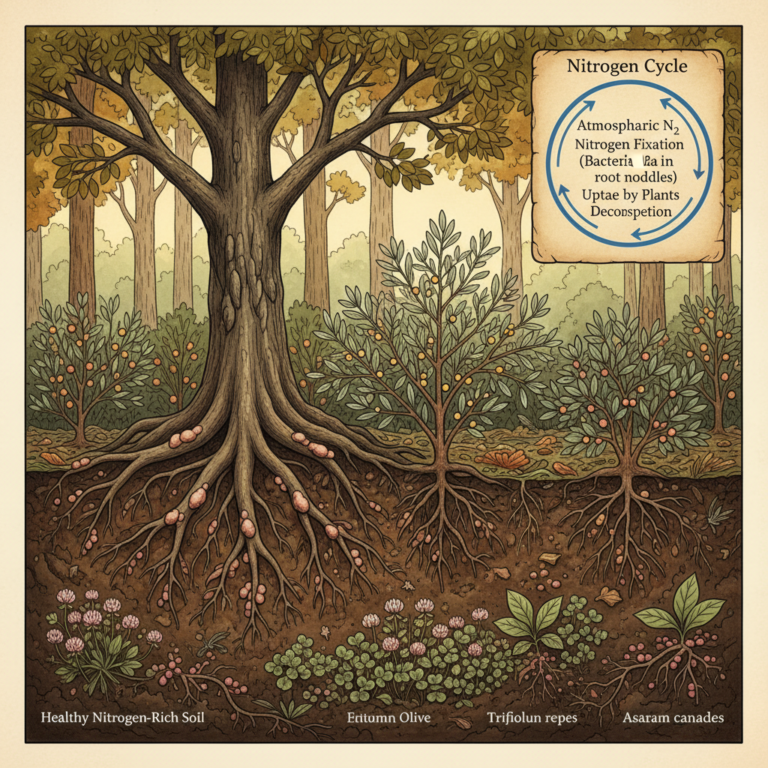
First, they add bulk organic matter — something no bottle of liquid fertilizer can replicate. That organic matter improves soil structure, water retention, and drainage all at once. Second, legume-family green manures actually manufacture nitrogen from the air through root bacteria called rhizobia. You are not applying nitrogen. You are growing it.
Third, green manures suppress weeds during the cover period, protect the soil surface from rain compaction, and host beneficial insects. One planting does four jobs simultaneously. No store-bought product comes close to that value.
The Best Plants to Use as Green Manures
Not every plant works equally well. The best choices depend on your season, your soil’s current needs, and how long you have before the bed is needed again.
For Nitrogen: The Legume Family
Legumes are the kings of green manure gardening. They fix atmospheric nitrogen into the soil through root nodules, making it available to the next crop you plant.
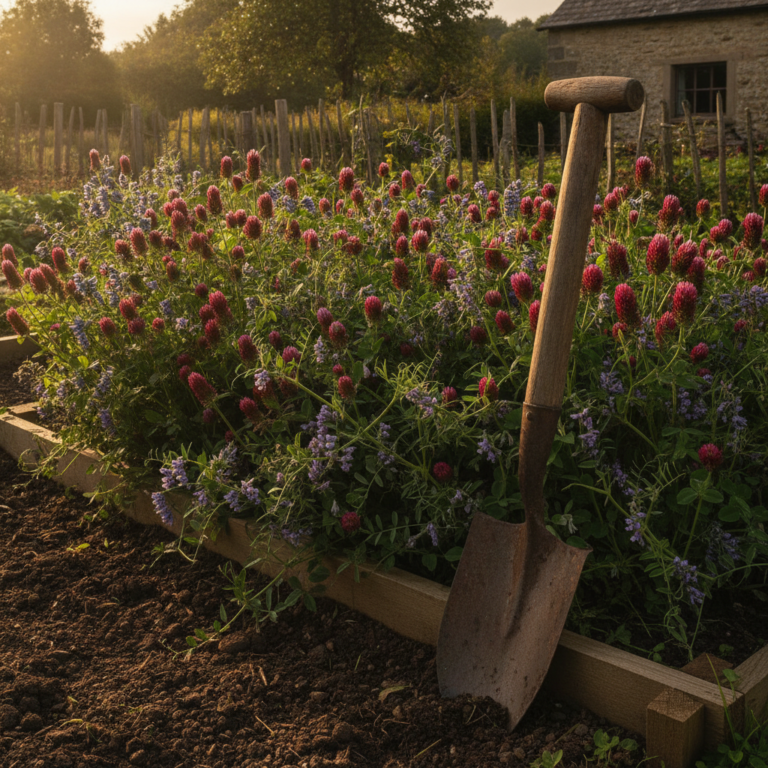
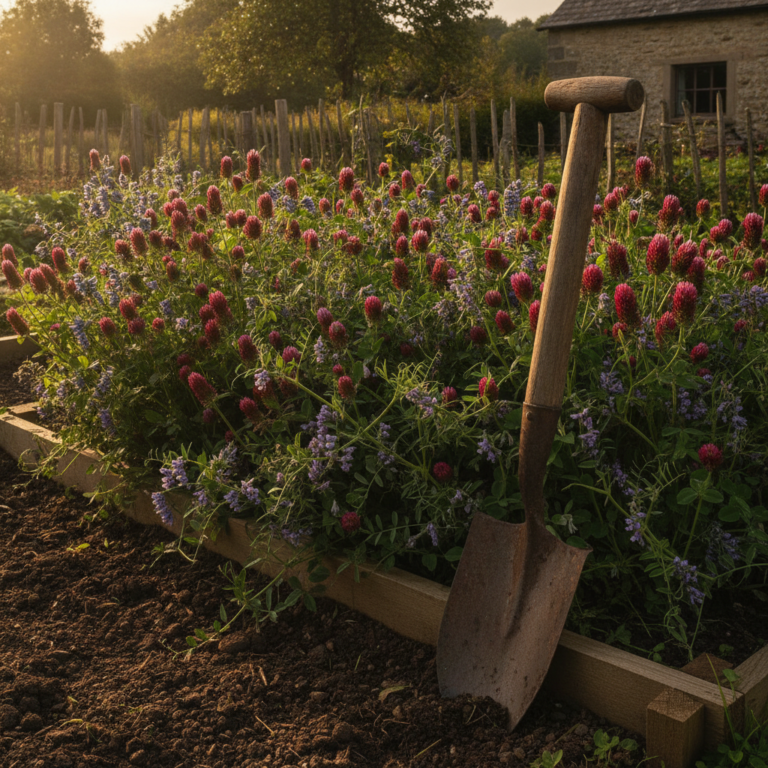
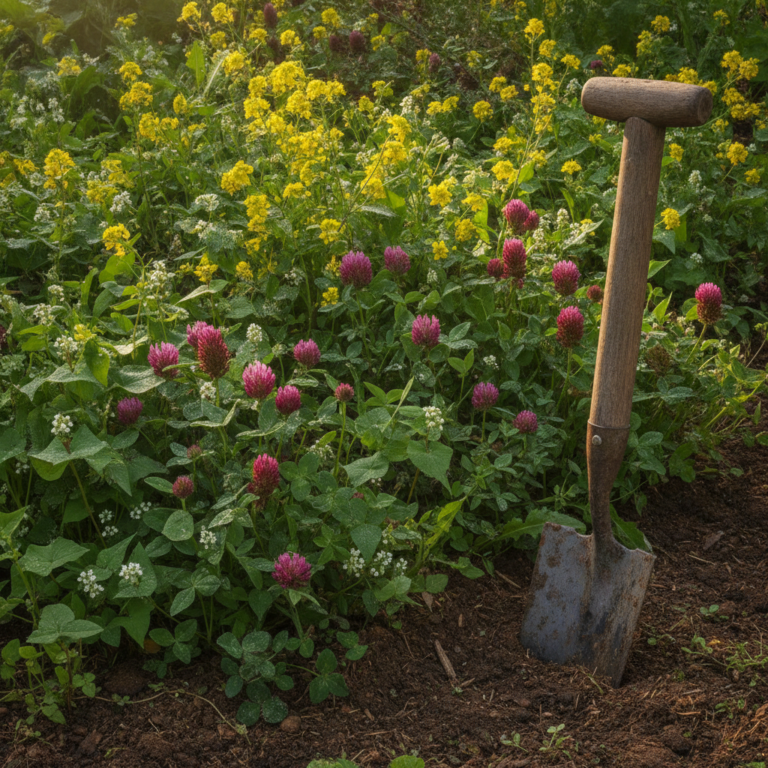
- Crimson Clover — Fast-establishing, cold-tolerant, beautiful in flower. Fixes up to 150 lbs of nitrogen per acre when managed well. Perfect for spring or autumn gaps.
- Field Beans (Vicia faba) — Excellent for heavy clay soils. Their deep roots break up compaction while fixing nitrogen. Sow in autumn for a late-spring incorporation.
- Winter Vetch (Vicia villosa) — Extremely cold-hardy, climbs readily, and fixes generous amounts of nitrogen. Ideal as an overwintering cover crop.
- Lupins — Deep taproots break hard subsoil and fix nitrogen simultaneously. Particularly useful on sandy or acidic ground.
For Organic Matter: The Fast Growers
If nitrogen is not your priority but bulk and biology are, these rapid growers build organic matter quickly.
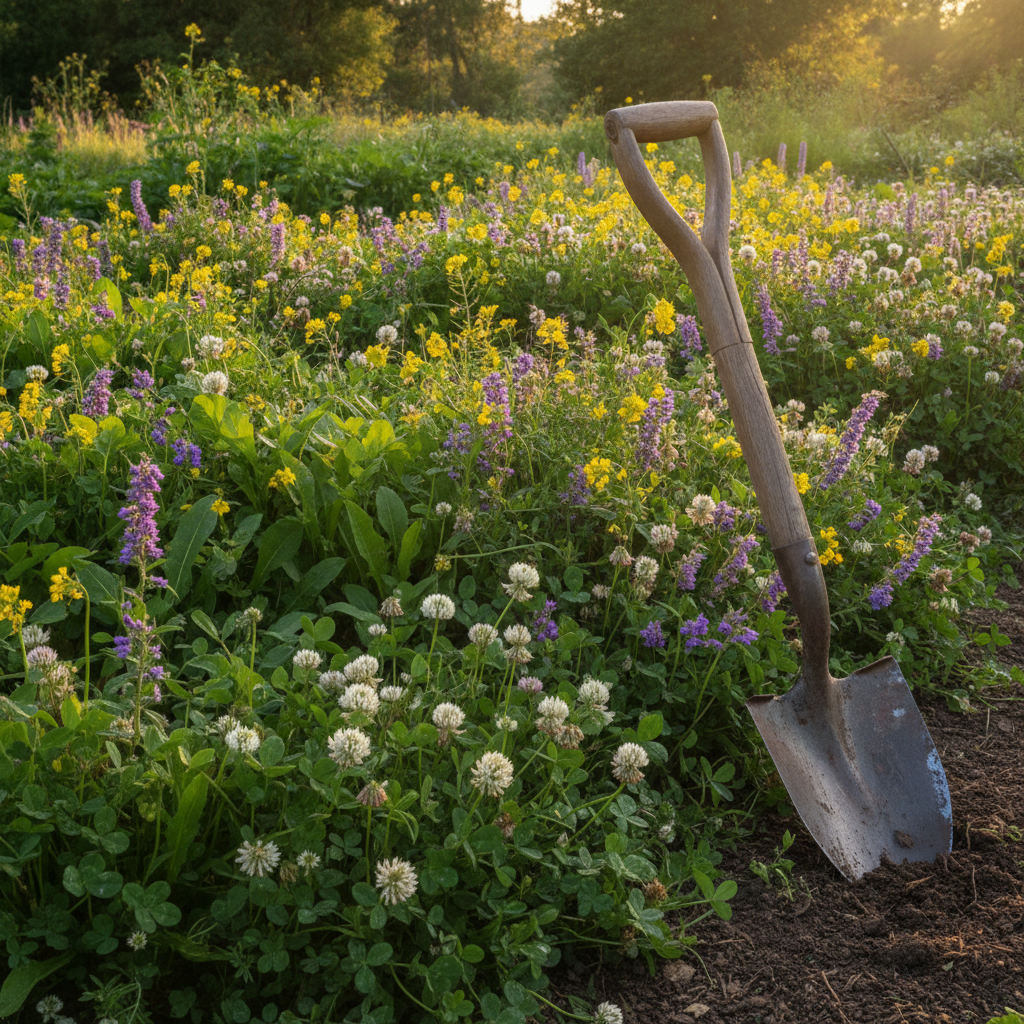
- Phacelia — Not a legume, but one of the fastest and most versatile green manures available. It decomposes quickly after digging and pollinators adore the flowers.
- Mustard — Excellent for suppressing soil-borne pests through a natural fumigation effect as it breaks down. Use it in beds that previously grew brassicas with disease problems.
- Buckwheat — A warm-season standout. Smothers weeds aggressively, mines phosphorus from deep soil layers, and decomposes fast. Perfect for summer gap-filling.
- Oats — Reliable cool-season bulker. Winter-killed by frost in most climates, which simplifies spring preparation.
Timing the Cut-and-Dig for Maximum Nitrogen Release
This is where most gardeners go wrong. They either cut too late — after the plant has set seed and toughened up — or they dig too close to planting time and burn tender seedlings with decomposing material.
The sweet spot is just before or at first flower. At this stage the plant is at its highest nitrogen concentration and its tissue is still soft enough to break down quickly. Waiting until seed set means the plant has pulled nitrogen back into the seeds and the stems become fibrous — slowing decomposition significantly.
After incorporation, wait two to four weeks before planting your main crop. This buffer lets decomposition begin and prevents any nitrogen immobilization — a temporary period where soil microbes tie up available nitrogen while processing carbon-rich material.
You do not need to dig deeply. Chopping the plants with a spade or sharp hoe and turning them into the top six to eight inches is sufficient. Deeper burial actually slows decomposition by reducing oxygen availability.
A Practical Green Manure Planting Calendar
Here is a simple season-by-season framework you can adapt to your own plot. If you want to align it with your local conditions more precisely, the guide Climate-Proof Your Crops: A 30-Day, Microclimate–Aware Planting Plan will help you adjust timings for your specific microclimate.
Early Spring (March–April)
Sow phacelia or crimson clover into any cleared bed not needed for six to eight weeks. These establish quickly in cool conditions and can be incorporated before summer crops go in.
Late Spring to Summer (May–July)
Buckwheat excels in warm conditions. Sow it in beds that finish early — after garlic harvest or first-cut salads, for example. It is ready to incorporate in four to six weeks.
Late Summer (August–September)
Sow winter vetch or field beans into beds cleared of summer crops. These will overwinter, fix nitrogen through autumn and early spring, and be ready to incorporate by late April or early May.
Autumn (October–November)
Oats sown now will provide excellent winter soil coverage. In mild climates they will remain green. In colder climates they will winter-kill, leaving a mulch of dead material that is easy to rake aside or dig in come spring.
Fitting Green Manures Into Your Rotation
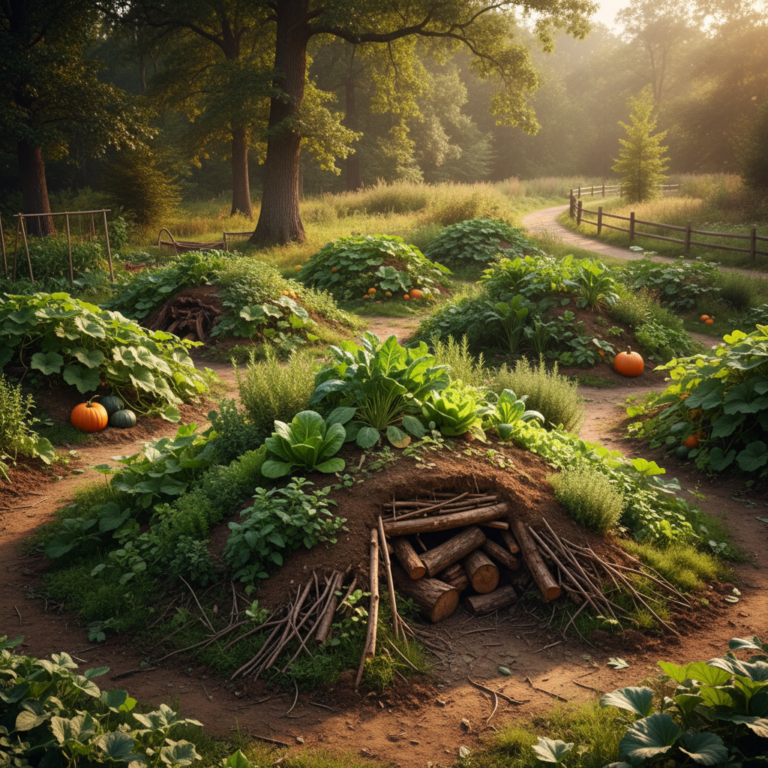
The key is thinking in gaps rather than empty beds. Any time a bed sits unused for more than three weeks, it is an opportunity for a green manure crop rather than bare soil.
Bare soil loses nitrogen to rain, grows weeds, bakes in sun, and compacts under foot. A green manure crop covering that same soil does the exact opposite on every count. It is one of those rare gardening choices where doing more work now creates genuinely less work later.
Green manures fit naturally into a layered approach to soil building. If you are working on developing a more structured gardening practice overall, the post Layered Learning: A Gardener’s Progressive System That Grows with You shows how soil-building techniques like this connect to broader seasonal rhythms.
For gardeners working with compact spaces or unconventional plots, pairing green manures with the ideas in Microforest in Small Spaces: A Step-by-Step Plan for Edible, Biodiverse Gardens can help you find creative ways to incorporate soil-resting periods without sacrificing growing space.
Common Mistakes to Avoid
Letting it flower and set seed. Once seed heads form, you have a potential weed problem waiting to happen. Cut before this point.
Digging in woody or stemmed material. Chop everything finely before incorporating. Large chunks decompose slowly and can interfere with transplanting.
Planting immediately after incorporation. Give the bed at least two weeks to settle. Decomposing material can inhibit germination if seeds come into direct contact with it.
Skipping inoculants for legumes. The first time you grow clover or vetch in a new bed, the rhizobia bacteria needed for nitrogen fixation may not be present. A legume inoculant powder — widely available and inexpensive — dramatically improves performance.
Your Soil Will Remember
The results of using green manure crops are not always dramatic in the first season. But by the second and third year of regular incorporation, gardeners consistently report richer, darker, more workable soil — soil that holds moisture better, drains more reliably, and grows more vigorous plants with fewer inputs.
That is not marketing language. That is soil biology doing exactly what it evolved to do when you give it organic matter, diversity, and time.
Your grandparents did not know the biochemistry. They just knew it worked. Now you know both — and you can start this season with a single packet of clover seed and a spare patch of ground.
The secret was never complicated. It was just buried.