Green Manure Crops: The Plow-Under Secret
Long before a bag of synthetic fertilizer ever sat on a store shelf, farmers already knew how to feed their soil. They grew green manure crops — specific plants raised not for harvest, but to be chopped and buried while still green and full of nutrients. It sounds almost too simple. But this buried-alive technique quietly built some of the most fertile farmland in history. And it still works today, right in your backyard.
If you’ve ever felt frustrated watching your soil stay thin and tired year after year, this old rotation trick might be exactly what you’ve been missing.
What Are Green Manure Crops — And Why Do They Work?
A green manure crop is any fast-growing plant you sow specifically to dig back into the ground before it sets seed. The plant grows, pulls nutrients and energy from sun and air, then gets turned under while still soft and nitrogen-rich.
Think of it as a living fertilizer factory you run for free.
When you bury that green mass, soil microbes get to work immediately. They break down the organic matter fast, releasing nitrogen, carbon, and trace minerals directly into the root zone. The result? Soil that feels alive — loose, dark, and teeming with microbial activity.
This is fundamentally different from adding bagged compost or store-bought amendments. You’re not feeding the soil from outside. You’re growing fertility from within. That distinction matters enormously for long-term soil health.
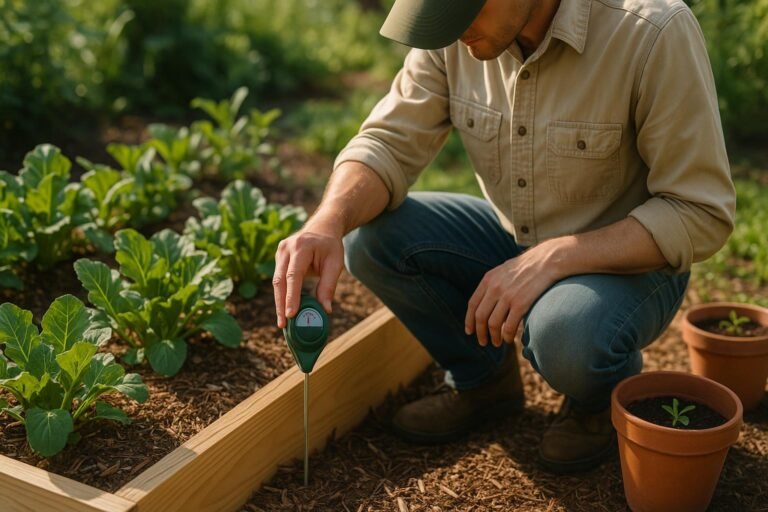
If you haven’t yet read Soil Sense Without the Lab: Read Your Dirt, Fix It Fast, do that first. Understanding what your soil already needs will help you choose the right green manure for your specific situation.
The Best Green Manure Crops for Home Gardeners
Not every plant makes a great green manure. You want fast growth, high nitrogen content, and easy decomposition. Here are the top performers that old-time farmers — and savvy organic growers — have relied on for generations.
Legumes: The Nitrogen Fixers
Legumes are the kings of green manure. Their roots host bacteria that pull nitrogen directly from the air and lock it into the soil. When you turn them under, that nitrogen becomes available to your next crop.
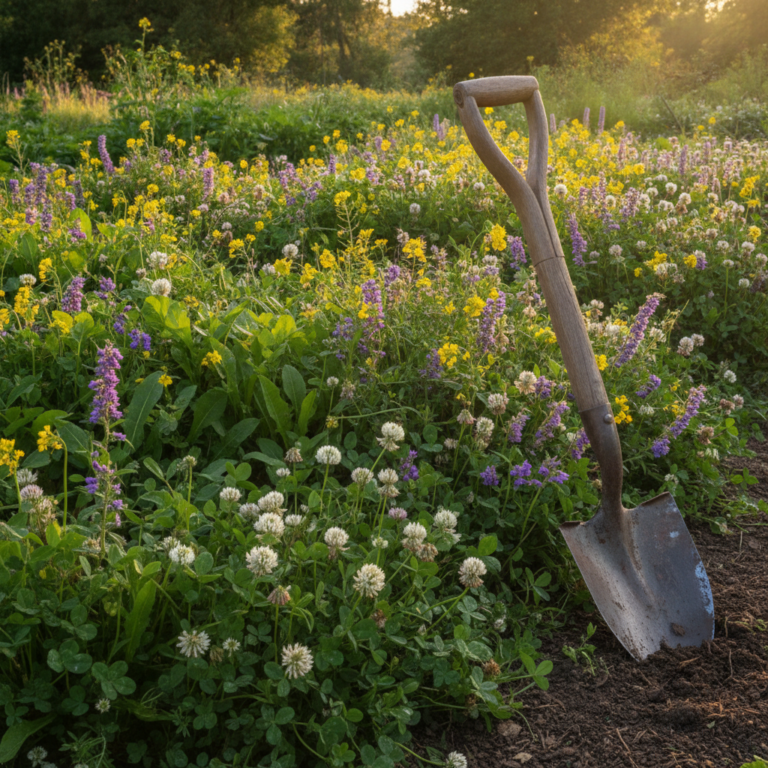
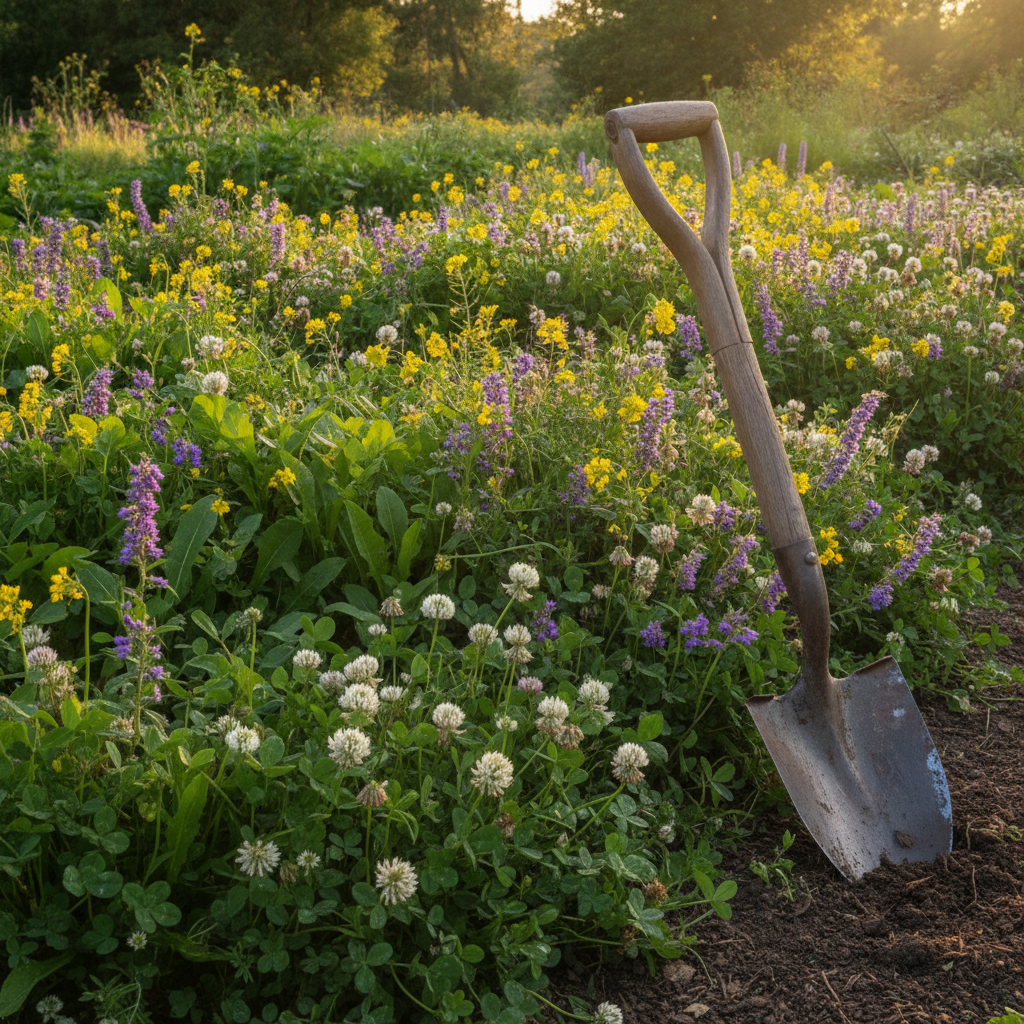
- Crimson clover — Fast-growing, beautiful, and extremely nitrogen-rich. One of the best all-around choices for home gardens.
- Hairy vetch — Hardy and vigorous. Excellent for fall planting. Can fix up to 200 pounds of nitrogen per acre in a season.
- Field peas — Quick to establish and easy to turn under. Great for spring or fall gaps in the garden.
- Fava beans — Work well in cooler weather. Also edible if you change your mind about digging them in.
Non-Legumes: The Organic Matter Builders
Not all green manures fix nitrogen, but they still add enormous value. These crops build organic matter, suppress weeds, and improve soil structure.
- Buckwheat — Grows incredibly fast in warm weather. Breaks down quickly once turned under. Also loosens compacted soil with its fine root system.
- Phacelia — A gardener’s secret weapon. Decomposes faster than almost anything else. Attracts pollinators while it grows, then feeds the soil when you dig it in.
- Winter rye — A powerhouse cover crop for fall. Adds massive organic matter and suppresses spring weeds. Takes a bit longer to break down, so allow 3–4 weeks before planting into it.
- Mustard — A natural soil fumigant. Helps reduce soilborne diseases and pests when turned under. A classic old-timer’s trick for tired garden beds.
How to Time the Cut-and-Dig for Maximum Nitrogen Release
Timing is everything with green manure crops. Dig too late and the stems get woody, slowing decomposition. Dig too early and there’s not enough bulk to make a difference. The sweet spot is just before or at the start of flowering.
Here’s the simple rule: turn your green manure under when it’s lush, soft, and just showing its first flowers. At this point, the plant is at peak nitrogen content and the tissues break down fast.
Use a sharp spade or garden fork to chop the plants down, then turn the whole mass into the top 6–8 inches of soil. Chop larger stems with a spade first — smaller pieces break down faster.
Then wait. Give the soil at least 2–3 weeks before planting your next crop. That resting period lets microbes do their work and prevents the decomposing plant material from competing with your seedlings for nitrogen during the initial breakdown phase.
If you’re working in a tight space and worried about timing, Climate-Proof Your Crops: A 30-Day, Microclimate-Aware Planting Plan can help you map out transitions between green manure phases and main crops without losing a single growing week.
A Practical Green Manure Planting Calendar
One of the most common questions home gardeners ask is: when exactly do I fit this into my rotation? The answer is simpler than you think. Green manure crops fill the gaps — the fallow weeks between your main crops when beds would otherwise sit bare and lose fertility.
Spring (March–May)
Sow field peas, crimson clover, or phacelia as soon as the ground can be worked. These grow quickly in cool weather. Turn them under by late May or early June — right before you plant warm-season crops like tomatoes, peppers, or squash.
Summer (June–August)
After you harvest early crops like peas or spring brassicas, sow buckwheat immediately. It establishes in days, grows lush in the heat, and can be turned under in as little as 5–6 weeks. Perfect for filling midsummer gaps.
Fall (September–October)
After your main summer crops finish, sow hairy vetch, winter rye, or a vetch-rye mix. These overwinter beautifully, suppress weeds through the cold months, and deliver a massive fertility boost when you turn them under in spring. This is arguably the most powerful green manure move you can make.
Winter (November–February)
In mild climates, fava beans or mustard can keep growing through winter. In colder zones, your fall-sown vetch and rye are dormant but alive underground, waiting for spring warmth to resume growth before their final turn-under.
Why This Outperforms Most Bagged Soil Conditioners
Here’s the honest truth about store-bought soil amendments: they’re convenient, but they’re often slow to integrate, expensive over time, and completely passive. You add them once and hope for the best.
Green manure crops, on the other hand, actively build soil biology. The living roots create channels for water and air. The decomposing plant matter feeds billions of beneficial microbes. The nitrogen they fix is released slowly and naturally — exactly when plant roots need it most.
Studies comparing green manure rotations to fertilizer-only systems consistently show better long-term results: more organic matter, better water retention, and healthier crops with fewer pest problems. Your grandparents didn’t need a study to know this. They watched it work year after year.
And if you want to layer this technique into a broader soil-building strategy, The Perennial Playbook: Build a Low-Input Garden That Keeps Flourishing With You is a great companion read. Combining green manures with perennial plantings creates a self-sustaining fertility cycle that practically runs itself.
Getting Started This Season
You don’t need to overhaul your whole garden to try this. Start with one bed. When you pull out your spent spring crops, scatter a packet of phacelia or buckwheat seed, water it in, and watch what happens. In six weeks you’ll have a lush green mass ready to turn under — and the difference in your soil will be noticeable by the next planting.
The best part? Seeds for green manure crops cost almost nothing. A single packet covers a large bed multiple times over. This is truly something for nothing — or close to it.
If you’re just finding your footing as a gardener and want to build these kinds of skills progressively, Smart Starts: A 4-Week Skill-Build Plan for Complete Garden Beginners is a wonderful place to layer this knowledge in from the very beginning.
The Bottom Line on Green Manure Crops
Green manure crops are one of the most underused, undervalued tools in the home garden. They’re cheap, they’re effective, and they connect you directly to thousands of years of farming wisdom that synthetic agriculture tried its best to bury — ironically, right along with the plants themselves.
Grow them. Chop them. Dig them in. Then stand back and watch what healthy, living soil can do for everything else you grow.
Your grandparents knew the plow-under secret. Now you do too.