Green Manure Crops: The Plow-Under Secret
Before synthetic nitrogen came in a bag, farmers had a smarter trick up their sleeve. They grew green manure crops — specific plants raised not for eating, but for burying. Chop them down, dig them in, and the soil feasted. This ancient rotation method fed the land for thousands of years, and it still outperforms most store-bought soil conditioners available today. If you’re skeptical of chemical fertilizers and curious about what your grandparents actually knew, this is the technique worth rediscovering.
What Are Green Manure Crops, Exactly?
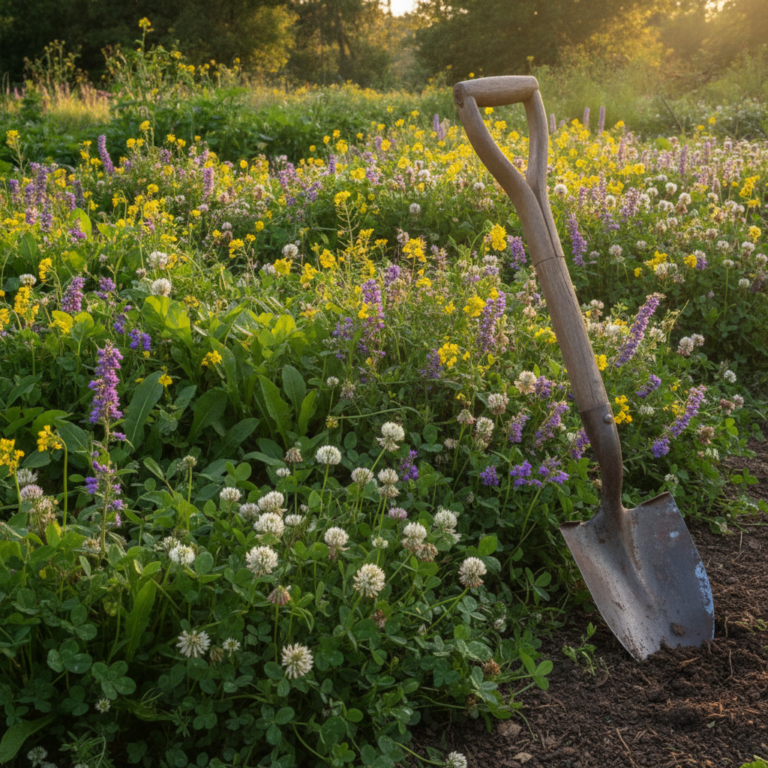
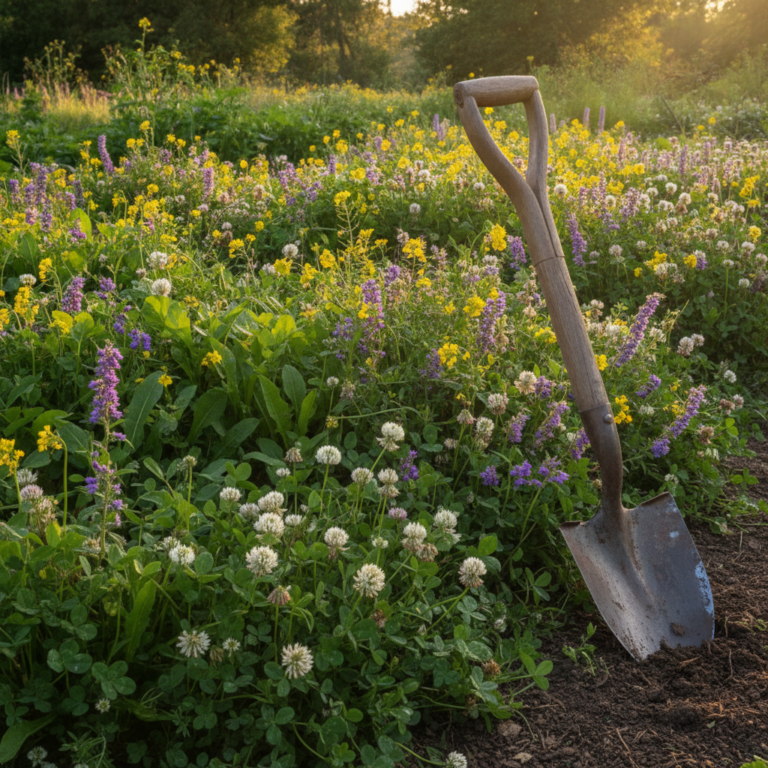
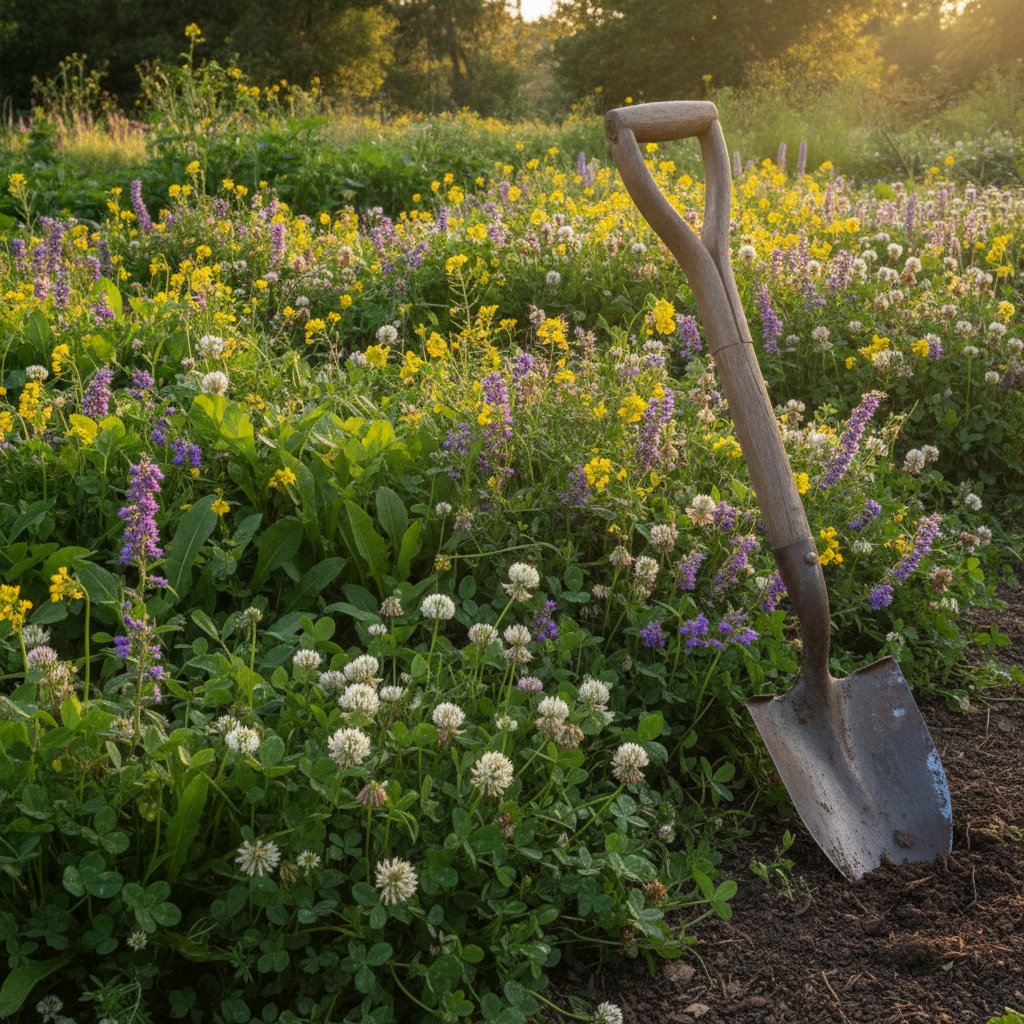
Green manure crops are plants grown specifically to be incorporated back into the soil while they’re still green and full of nutrients. Think of them as a living fertilizer factory you plant, tend briefly, then turn under before they go to seed.
The concept is elegantly simple. Growing plants pull carbon from the air and nitrogen from the soil. Leguminous green manures do something even better — they fix atmospheric nitrogen directly into the soil through root nodules and beneficial bacteria. When you bury those nitrogen-rich plants, that fertility stays right where your next crop will need it.
This isn’t fringe science. It’s the same principle that kept farms fertile for centuries before the Haber-Bosch process made synthetic fertilizer possible. Farmers in ancient Rome, China, and medieval Europe all practiced versions of this technique. Modern soil science simply confirms what they already knew.
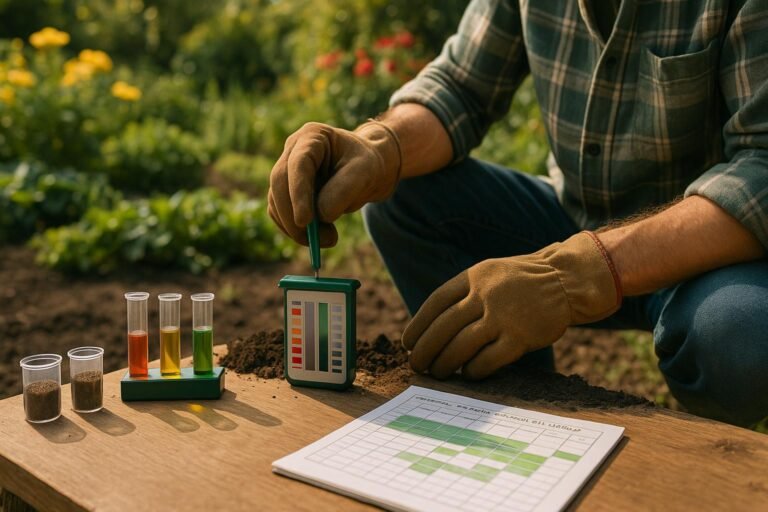
Before you plant anything new, it’s worth understanding what your soil is already telling you. Check out Soil Sense Without the Lab: Read Your Dirt, Fix It Fast to diagnose your starting point before choosing your green manure strategy.
The Best Green Manure Crops for Home Gardeners
Not all cover crops work equally well as green manures. The best choices balance fast growth, high nitrogen content, and easy incorporation into your existing garden rotation.
Legumes: The Nitrogen Fixers
These are the stars of any green manure program. Their root nodules host Rhizobium bacteria that literally pull nitrogen from the air and store it in the soil.
- Crimson Clover — Fast-growing, beautiful, fixes up to 150 lbs of nitrogen per acre. Easy to establish in spring or fall.
- Hairy Vetch — A powerhouse for cool seasons. Extremely hardy and one of the highest nitrogen-fixing legumes available to home gardeners.
- Field Peas — Quick and reliable. Adds nitrogen and organic matter fast, great for spring gap-filling before summer crops go in.
- Fava Beans — Cold-tolerant, deeply rooted, and exceptional nitrogen fixers. Perfect for fall planting in mild climates.
Non-Legumes: The Biomass Builders
These plants don’t fix nitrogen, but they add enormous amounts of organic matter, smother weeds, and improve soil structure when turned under.
- Buckwheat — Grows explosively fast in warm weather. Smothers weeds, scavenges phosphorus, and breaks down quickly after incorporation.
- Winter Rye — The workhorse of fall green manures. Deep roots break up compaction and add significant organic matter.
- Mustard — A natural biofumigant that suppresses soil pathogens while adding organic matter. Bonus: it’s beautiful in bloom.
- Phacelia — Incredibly fast-growing with feathery blue flowers. Breaks down rapidly after cutting, releasing nutrients within weeks.
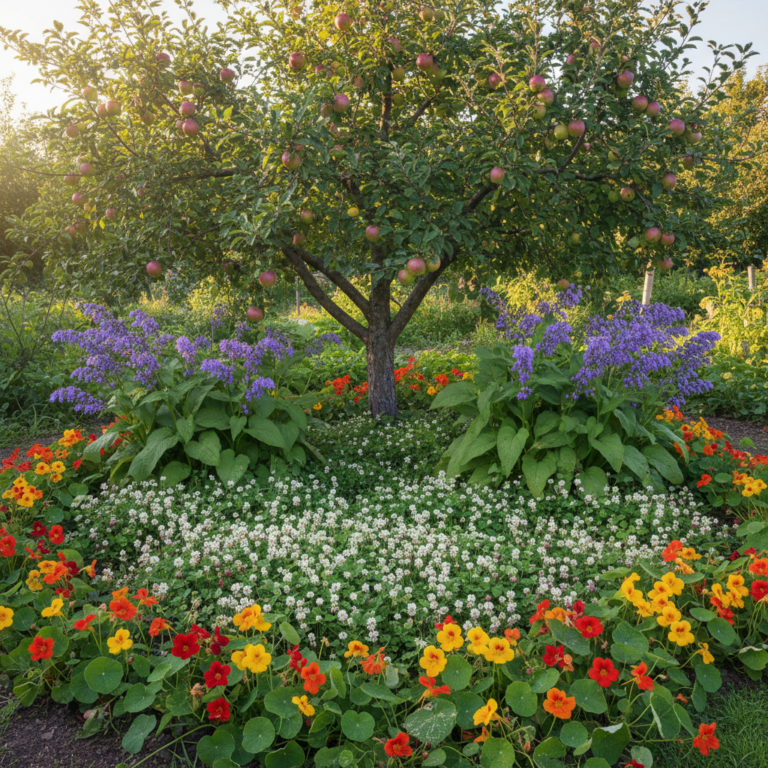
Mixing legumes and non-legumes together gives you the best of both worlds — nitrogen fixation plus serious biomass. A classic pairing is hairy vetch with winter rye, or crimson clover with field peas.
The Cut-and-Bury Timing Secret
Here’s where most gardeners go wrong. They either cut too early and lose maximum nutrient value, or wait too long and let plants set seed — creating a weed problem instead of a soil solution.
The golden window for incorporating green manure crops is just as the plants begin to flower, but before seed heads fully form. At this point, the plants are at peak nitrogen content. The stems are still soft enough to break down quickly in the soil, and they haven’t yet drawn energy back into seed production.
Here’s the practical timing breakdown:
- Chop and drop first. Use a sharp spade, scythe, or string trimmer to cut the plants at the base. Let the cuttings wilt for 24–48 hours. This makes incorporation easier and starts the breakdown process.
- Incorporate 2–4 inches deep. You don’t need to bury them deep. In fact, most soil biology works best in the top few inches. Use a fork or broadfork to turn cuttings into the upper soil layer.
- Wait 2–4 weeks before planting. Fresh green matter releases compounds as it decomposes that can inhibit seed germination. Give the soil time to digest its meal before planting your next crop.
Timing your cuts to align with your main crop planting schedule takes practice. A solid planting calendar helps enormously — the framework in Climate-Proof Your Crops: A 30-Day, Microclimate–Aware Planting Plan pairs well with a green manure rotation because it accounts for your specific growing conditions.
Why Green Manures Beat Bagged Fertilizers
Store-bought nitrogen is fast and convenient. But it’s also a shortcut that skips the most important part of soil fertility — the living biology underneath your feet.
When you apply synthetic nitrogen, you feed the plant directly. When you incorporate green manure crops, you feed the soil ecosystem. Bacteria, fungi, earthworms, and countless other organisms break down that organic matter and convert it into stable, slow-release nutrients. The result is a soil that holds moisture better, resists compaction, and grows stronger plants season after season.
Bagged amendments also do nothing for soil structure. Green manures improve tilth dramatically. The deep roots of winter rye or fava beans physically break up compacted layers. The organic matter they add creates the crumbly, moisture-retentive texture that plants love.
There’s also the economic argument. Seeds for a green manure crop cost a few dollars and cover a significant bed area. Compare that to the ongoing expense of purchased fertilizers, and the math is quickly obvious.
Your Seasonal Green Manure Planting Calendar
Incorporating green manure crops into your rotation doesn’t require a complicated plan. Here’s a simple seasonal guide to get you started this year.
Spring (March–May)
As soon as the soil is workable, sow field peas or crimson clover in any empty beds. These establish quickly in cool conditions. By the time you’re ready to plant summer crops in late May or June, your green manure will be ready to cut and incorporate with two to three weeks of decomposition time still available.
Summer Gap Planting (June–July)
After early crops like spinach, radishes, or peas finish, don’t leave beds bare. Sow buckwheat immediately. It establishes in warm soil within days, smothers weeds aggressively, and can be cut and turned under in as little as six weeks — leaving time for a late summer or fall crop.
Fall (August–October)
This is the most powerful green manure window for most gardeners. After summer crops are cleared, sow hairy vetch and winter rye together. These establish through fall, overwinter with minimal loss, and are ready to cut in early spring — delivering a massive nitrogen and organic matter boost right before your main growing season begins.
Winter (November–February)
In mild climates, fava beans and field peas can overwinter successfully and be incorporated in early spring. In cold climates, use this time to plan your spring sowing schedule. If you’re building your gardening skills overall, the progressive framework in Layered Learning: A Gardener’s Progressive System That Grows with You can help you weave green manure rotations into a broader year-round growing strategy.
Putting It All Together
The plow-under secret isn’t really a secret — it’s just forgotten knowledge waiting to be rediscovered. Growing green manure crops changes your relationship with soil fertility from reactive to proactive. Instead of responding to deficiencies with purchased amendments, you’re building a system that continuously regenerates its own richness.
Start small if this is new to you. Pick one empty bed this season, sow a handful of crimson clover or field peas, and watch what happens when you cut and bury them six weeks later. The difference in your soil texture and your next crop’s vigor will be the most persuasive argument you’ll ever encounter.
If you’re tracking your results season to season — which is one of the best ways to improve as a gardener — the tools at Garden Journaling for Mastery: Ready-to-Use Templates and Prompts to Track Your Progress make it easy to log what you planted, when you cut, and how your follow-on crops performed.
Your grandparents didn’t have access to bags of synthetic nitrogen. What they had was something arguably more powerful: the knowledge that a living soil feeds itself, if you just give it the right plants at the right time.
Now you have that knowledge too. Go bury something.