Green Manure Crops: The Plow-Under Secret
Long before synthetic nitrogen came in a bag, farmers already knew how to fill their soil with it. They grew green manure crops — fast-growing plants that were never meant to be harvested. Instead, they were cut down at just the right moment and turned back into the earth. That buried green mass broke down quickly, releasing nitrogen, building organic matter, and waking up the soil biology underneath. It cost almost nothing. It worked beautifully. And somewhere along the way, modern gardening forgot about it entirely.
This post brings it back. You’ll learn exactly which plants work best as green manures, how to time the cut for the biggest nitrogen payoff, and how to fit this old rotation trick into your garden this season — no chemistry degree required.
What Are Green Manure Crops, and Why Did Farmers Swear By Them?
A green manure is any crop grown specifically to be dug back into the soil while it’s still green. The goal isn’t a harvest. The goal is a soil transformation.
Before chemical fertilizers became widely available in the mid-20th century, this technique kept farmland productive for generations. Farmers understood something that soil scientists would later confirm: living plant matter feeds soil in ways that dried, processed amendments simply can’t match. When you bury a fresh, juicy mass of clover or vetch, you’re feeding millions of soil microbes a slow, complex meal. They multiply, they break things down, and they release nutrients that your next crop can actually use.
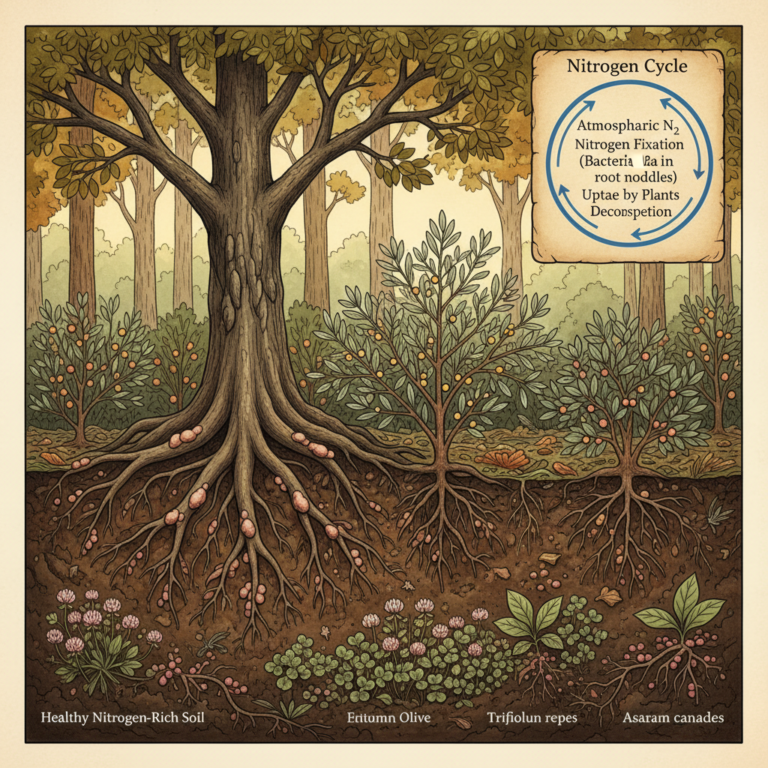
The most valuable green manures are legumes. Legumes form partnerships with nitrogen-fixing bacteria called rhizobia that live in nodules on their roots. These bacteria pull nitrogen right out of the air and convert it into a form plants can absorb. When you cut and bury a legume crop, all of that captured nitrogen gets released into the soil. It’s a biological system so elegant that nothing in a bottle can quite replicate it.
If you’re still figuring out what your soil actually needs before you start, the post Soil Sense Without the Lab: Read Your Dirt, Fix It Fast gives you a solid starting point without expensive testing.
The Best Green Manure Crops to Grow at Home
Not all cover crops make equally good green manures. Here’s a breakdown of the most practical options for home gardeners.
Crimson Clover
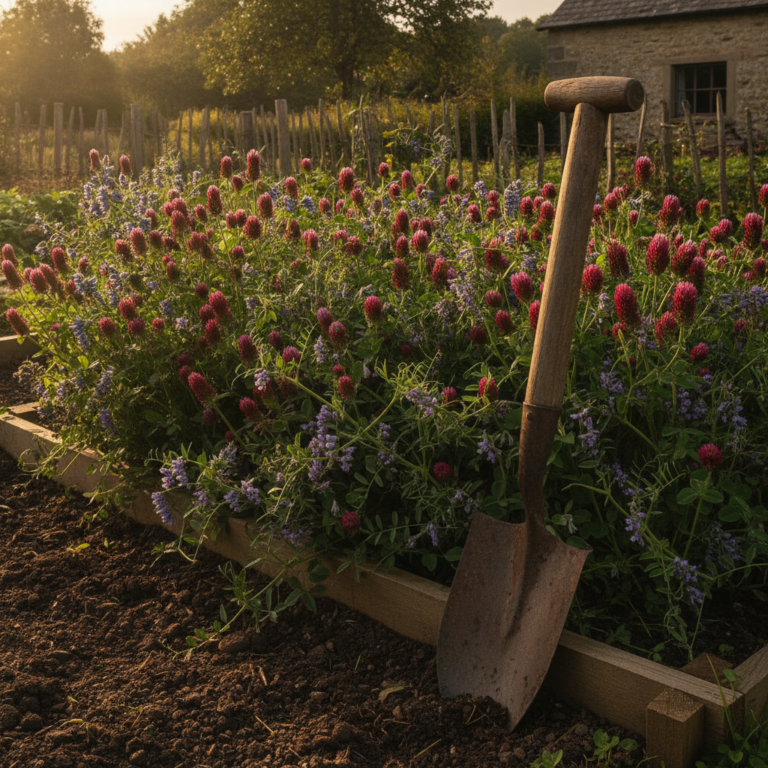
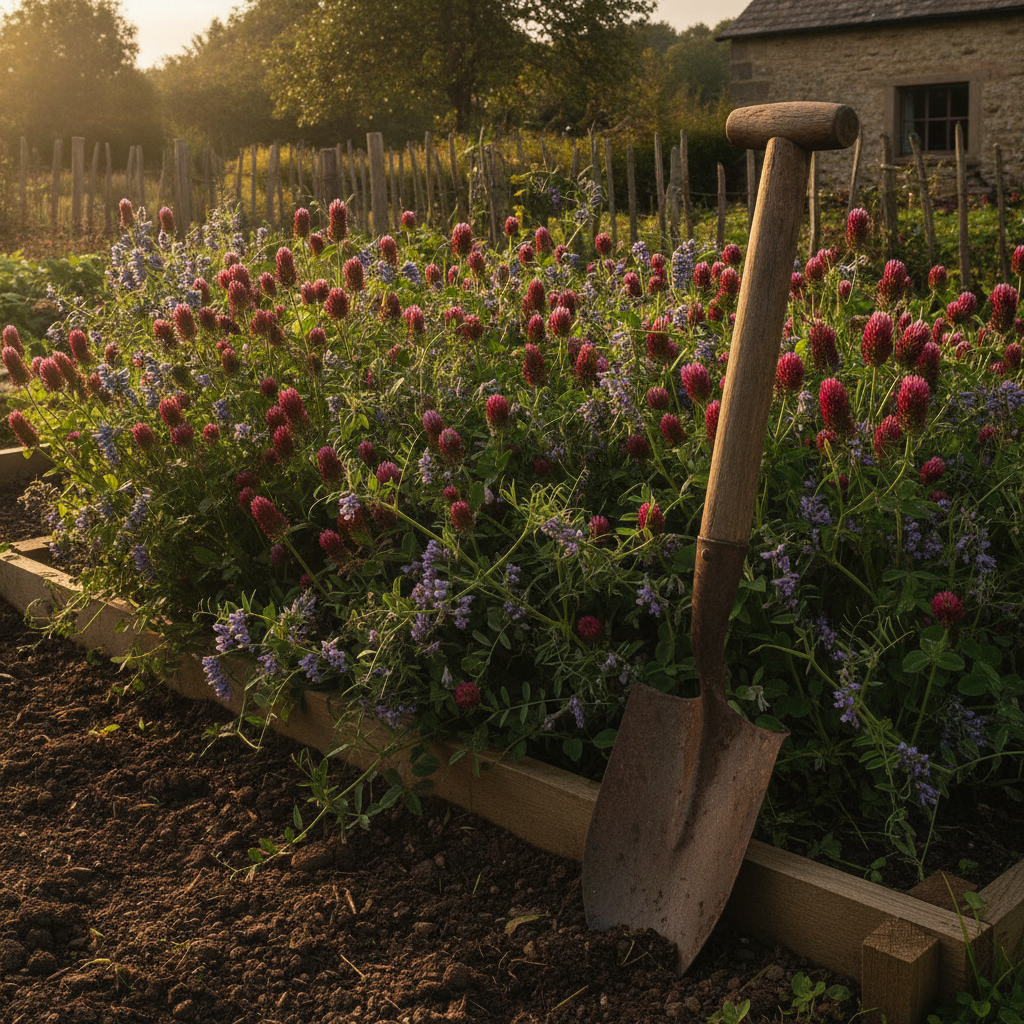
This is the beginner’s best friend. Crimson clover establishes quickly, fixes impressive amounts of nitrogen, and produces gorgeous red flowers that also attract pollinators. Sow it in early spring or late summer. Cut it just before the flowers fully open — that’s when nitrogen content in the stems and leaves peaks. It’s cold-tolerant enough to overwinter in many climates.
Hairy Vetch
Hairy vetch is a powerhouse. It fixes more nitrogen than almost any other common cover crop — up to 200 pounds per acre in ideal conditions. It’s also winter-hardy and grows aggressively. That aggressiveness is a feature, not a bug, when you’re building soil fast. Cut it at early flowering and dig it in before the vines get too woody to break down easily.
Field Peas (Austrian Winter Peas)
Easy to grow, excellent nitrogen fixers, and they decompose quickly after burial. Field peas work especially well in cool-season rotations. They’re a great choice between a late-summer crop and a spring planting.
Buckwheat
Buckwheat isn’t a nitrogen fixer, but it earns its place in a green manure rotation for different reasons. It grows incredibly fast — ready to cut in as little as 35 days — and its roots release phosphorus from the soil that other plants can’t reach. It’s ideal as a summer gap-filler between heavy feeders.
Mustard
Mustard works double duty. It suppresses soil-borne diseases and pests through a process called biofumigation — the breakdown of mustard’s plant compounds releases natural fumigants into the soil. It also adds organic matter quickly. Use it as a short-cycle green manure in fall to clean up beds after a long growing season.
How to Time the Cut-and-Dig for Maximum Nitrogen Release
Timing is everything with green manure crops. Cut too late, and the plants get woody and slow to break down. Cut too early, and you’ve missed the peak nutrient window. The sweet spot is almost always at the early flowering stage — when buds are forming or just opening.
At this point, the plants are at maximum nitrogen concentration in their above-ground tissue. The root nodules are fully active. And the plant material is still tender enough to decompose quickly once buried.
Here’s the process, step by step:
- Cut the plants down with a sickle, scythe, or even sharp pruning shears. Chop the material into rough pieces — shorter pieces break down faster.
- Let the cut material wilt on the surface for one to two days. This starts the decomposition process and makes turning it in easier.
- Dig or fork the material into the top 6–8 inches of soil. Don’t bury it deeper — soil biology is most active in that upper zone.
- Wait two to four weeks before planting your next crop. This is the decomposition window. Planting too soon can cause nitrogen tie-up as microbes break down the carbon in the plant material.
That waiting period matters. Think of it like letting bread rise — rush it and you get a flat result. For context, if you’re already thinking about timing across your whole growing season, Climate-Proof Your Crops: A 30-Day, Microclimate–Aware Planting Plan is a fantastic companion resource.
A Practical Green Manure Planting Calendar
Below is a simple seasonal framework you can adapt to your climate. Use it as a starting point and adjust based on your last frost date and crop rotation.
Early Spring (4–6 Weeks Before Last Frost)
Sow crimson clover or field peas in beds that won’t be planted until summer. These cool-season green manures love the shoulder season. Cut and dig at early flowering, approximately 6–8 weeks after sowing.
Late Spring to Early Summer
Sow buckwheat in any gap beds — between rows or after a cool-season crop comes out. Buckwheat grows so fast that you can fit in one or even two cycles before fall planting begins. Cut at first flower bud, about 35–40 days after sowing.
Late Summer (6–8 Weeks Before First Frost)
This is prime time for hairy vetch and winter field peas. Sow them after your summer crops come out. They’ll establish before cold sets in, then either winter-kill (depending on your zone) or resume growth in spring for an early cut-and-dig before warm-season planting.
Fall
Sow mustard as a biofumigant and soil-cleaning green manure. Cut it before it sets seed and turn it in. This helps prepare beds for spring without leaving them bare and exposed through winter.
If you’re newer to planning rotations like this, the Smart Starts: A 4-Week Skill-Build Plan for Complete Garden Beginners can help you slot green manures into a broader plan that makes sense from the start.
Why Green Manure Crops Outperform Most Store-Bought Soil Conditioners
Bagged soil amendments have their place. But they can’t replicate what a living crop does for your soil. Here’s why green manure crops win in the long run:
- They feed soil life, not just plants. The complex organic compounds in fresh plant tissue fuel a diverse microbial community. That biology does the real work of making nutrients available.
- They improve soil structure. Root channels left behind by cover crops open up compacted soil, improve drainage, and increase water-holding capacity — all at once.
- They cost almost nothing. A pound of clover seed covers a lot of ground and costs a few dollars. That same ground treated with bagged amendments costs significantly more each season.
- They suppress weeds. Dense cover crops shade out weed seeds. You get fertility and weed management in one step.
- They build soil year after year. Unlike synthetic inputs that feed this year’s plants, green manures build organic matter that compounds over time. Each cycle leaves your soil a little richer than before.
This is exactly the kind of layered, cumulative approach to soil building that experienced growers develop over time. If you want to build that kind of depth in your overall gardening practice, Layered Learning: A Gardener’s Progressive System That Grows with You is well worth a read.
Getting Started This Season
You don’t need to overhaul your entire garden to start using green manure crops. Begin with one bed. Sow crimson clover after your spring harvest comes out. Cut it at flowering. Dig it in. Wait three weeks. Then plant into soil that looks — and smells — noticeably different from what you started with.
That one experiment will teach you more about soil fertility than a shelf full of gardening books. And once you see the results, you’ll understand exactly why farmers trusted this method for centuries before synthetic nitrogen ever existed.
The plow-under secret isn’t really a secret at all. It’s just patience, observation, and a handful of seeds at the right time.