Green Manure Crops: The Plow-Under Secret
Long before a bag of synthetic nitrogen ever sat on a farm store shelf, farmers had a quiet secret: they grew crops purely to bury them. These were green manure crops — living plants chopped and dug back into the soil to feed the next season’s harvest. It sounds almost too simple. But this plow-under technique built some of the most fertile farmland in history, and it can transform your home garden beds too. If you’ve ever wondered why your vegetables seem hungry despite all your amendments, the answer might be growing right under your nose.
What Are Green Manure Crops and Why Do They Work?
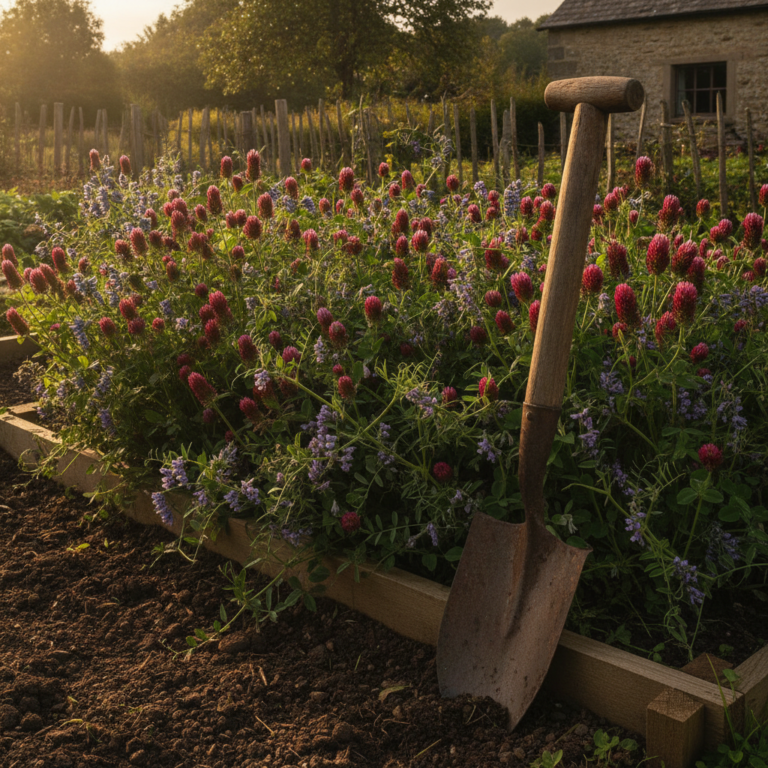
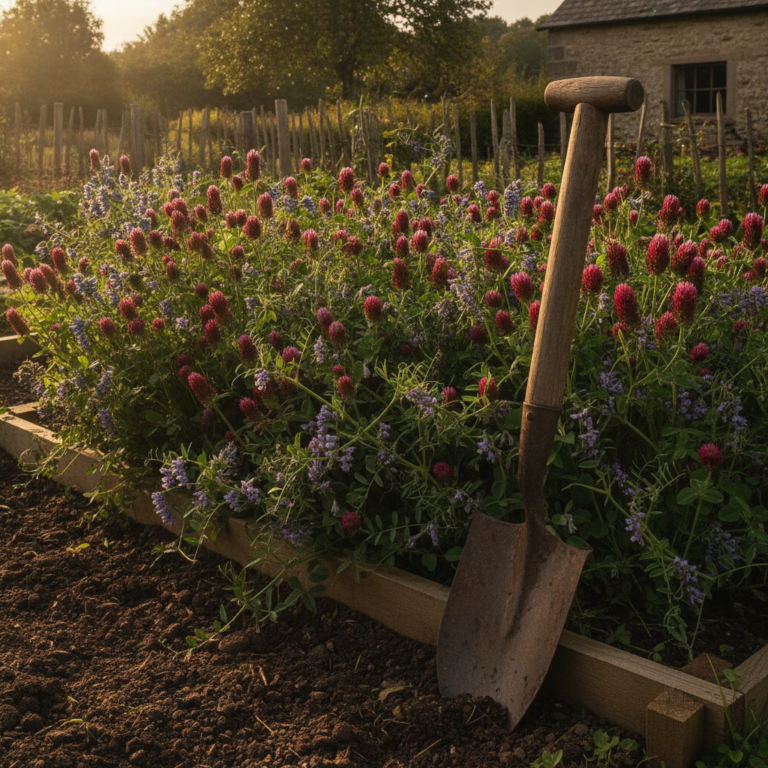
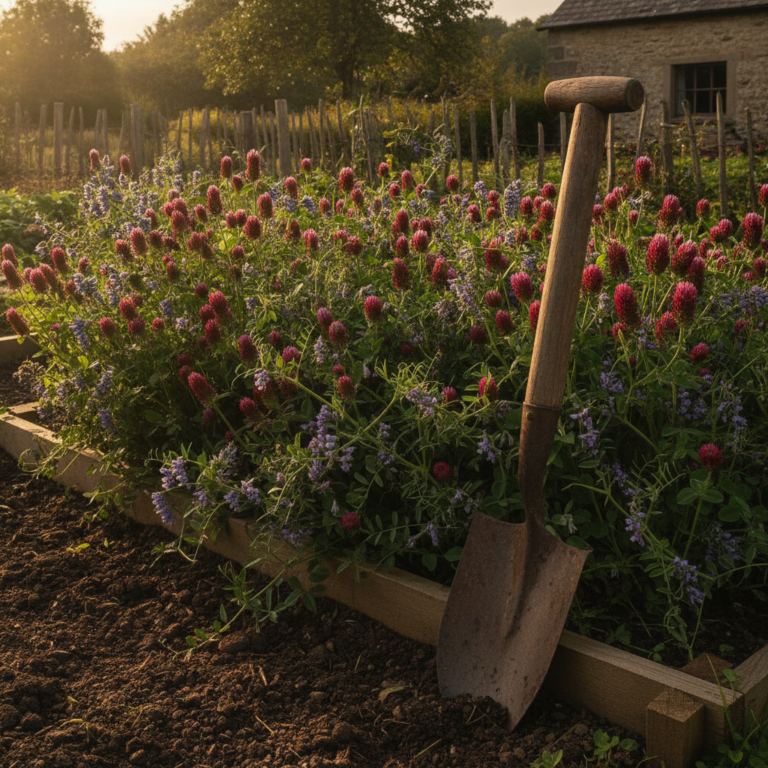
A green manure crop is any plant grown specifically to be incorporated into the soil before it fully matures. You never harvest these plants for food. Instead, you chop them down at just the right moment and dig or till them under. As they decompose, they release nitrogen, organic matter, and a cascade of micronutrients directly into your growing zone.
The magic happens at the microbial level. When you bury fresh, succulent plant material, soil bacteria and fungi go into a feeding frenzy. They break down the green matter and convert it into stable humus. This process rebuilds soil structure, improves water retention, and creates the kind of spongy, dark, living earth that every gardener dreams about.
This isn’t a fringe idea. It’s one of the oldest crop rotation strategies on record, documented in Roman agricultural texts and practiced across Asia, Europe, and the Americas for centuries. Modern chemical farming pushed it aside. But for home gardeners skeptical of synthetic inputs, bringing it back is one of the smartest moves you can make.
Before you dig in, it helps to understand what your soil is actually telling you. Check out Soil Sense Without the Lab: Read Your Dirt, Fix It Fast for a practical guide to diagnosing your soil’s needs before you plant anything.
The Best Green Manure Crops for Home Gardeners
Not every plant makes an equally powerful green manure. The heaviest hitters fall into two categories: legumes and non-legumes. Both have their role, and the best gardens use both strategically.
Nitrogen-Fixing Legumes
Legumes are the star players of the green manure world. Their roots host bacteria — primarily Rhizobium species — that pull nitrogen gas directly from the air and convert it into plant-available ammonia. When you bury a legume crop, you’re essentially burying a bag of slow-release nitrogen fertilizer that you grew yourself.
Top legume choices include:
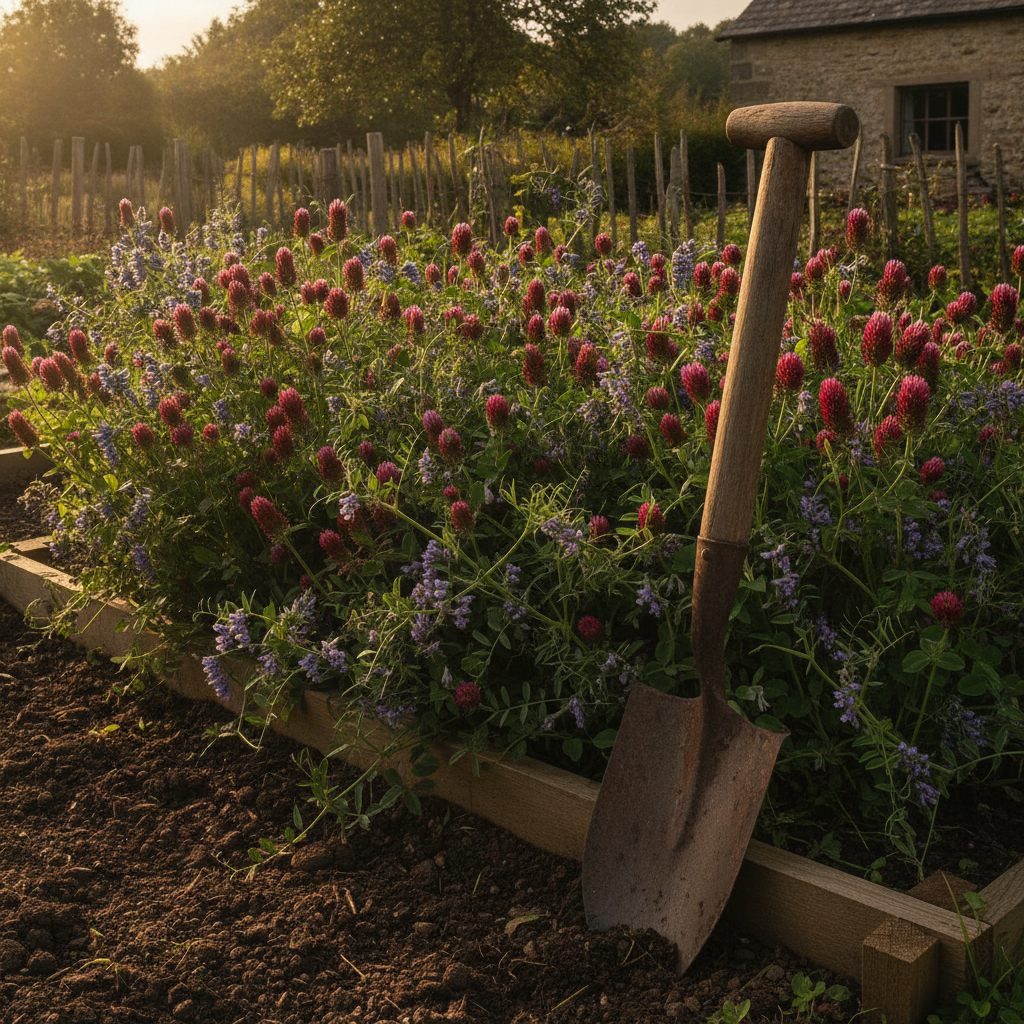
- Crimson clover — Fast-growing, beautiful in bloom, fixes 70–150 lbs of nitrogen per acre. Ideal for spring and fall planting.
- Field peas (winter or Austrian) — Hardy, fast decomposing, excellent for early spring sowing and fall cover in colder zones.
- Hairy vetch — A powerhouse nitrogen fixer, especially in cool seasons. Produces abundant biomass and decomposes quickly.
- Fava beans — A favorite of old-world farmers. Fixes nitrogen and produces significant organic matter. Great in mild winters.
- Cowpeas (black-eyed peas) — Heat-tolerant and summer-friendly, perfect for warm climates when other legumes struggle.
Biomass-Building Non-Legumes
Non-legumes don’t fix nitrogen, but they add enormous amounts of organic matter and improve soil structure rapidly. They’re also excellent at suppressing weeds and breaking up compaction.
- Buckwheat — The fastest option available. Ready to turn under in just 30–40 days. Scavenges phosphorus from deep soil layers and makes it available to future crops.
- Phacelia — An underrated gem. Decomposes incredibly fast after cutting, releases nutrients within days, and attracts pollinators while it grows.
- Mustard — A natural biofumigant. Its glucosinolates suppress soil-borne pathogens and nematodes as it breaks down — a built-in soil treatment.
- Oats or cereal rye — Cold-hardy, winter-surviving biomass producers. Their deep fibrous roots also break up compacted subsoil beautifully.
Mixing a legume with a non-legume — say, hairy vetch plus cereal rye — gives you the best of both worlds: fixed nitrogen and bulk organic matter in a single planting.
Timing the Cut: When to Plow Under for Maximum Nitrogen Release
Here’s where most first-timers go wrong. They wait too long. The nitrogen content of a green manure crop peaks just before or at the very beginning of flowering. Once a plant sets seed, it begins drawing nitrogen back into the seed heads and away from the leafy tissue you want to bury.
The golden rule: cut and dig when plants are in early bud to first flower stage.
At this point, the tissue is soft, succulent, and high in nitrogen. It will break down within two to four weeks under warm, moist conditions. If you let plants go to full flower or seed, the carbon-to-nitrogen ratio shifts, decomposition slows dramatically, and you may even temporarily rob your soil of available nitrogen as microbes work overtime to break down the tougher material.
After turning the crop under, wait at least two to three weeks before transplanting into that bed. This allows decomposition to advance and prevents the fresh organic acids from harming tender seedling roots. In warm summer soil, four weeks is ideal. In cool spring soil, give it a full three to four weeks minimum.
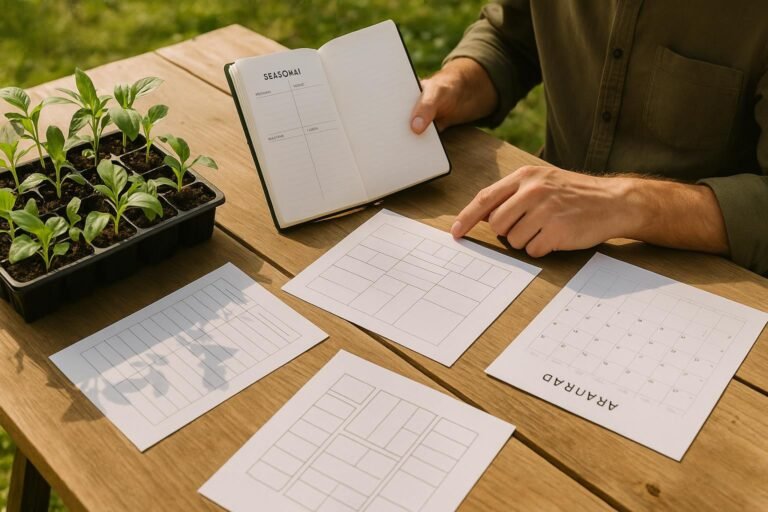
A Practical Green Manure Planting Calendar
Here’s a season-by-season guide you can start using this year. Adjust timing by two to three weeks based on your climate zone. For detailed microclimate adjustments, see our Climate-Proof Your Crops: A 30-Day, Microclimate-Aware Planting Plan.
Spring (Beds Coming Out of Winter)
Sow: Field peas, crimson clover, phacelia, or oats as soon as soil can be worked.
Turn under: 6–8 weeks after sowing, at early bud stage.
Wait: 3 weeks, then transplant summer crops like tomatoes, squash, or peppers.
Early Summer (Between Crop Rotations)
Sow: Buckwheat or cowpeas into any gap beds after spring harvests.
Turn under: 30–45 days after sowing, just as first flowers open.
Wait: 2–3 weeks in warm soil, then plant fall brassicas or root vegetables.
Late Summer / Early Fall (Preparing for Winter)
Sow: Hairy vetch, winter field peas, or a vetch-rye mix after summer crops come out.
Turn under: In spring, when vetch hits early bud stage.
Benefit: This combination overwinters, builds deep root channels, and delivers a massive nitrogen flush right as your spring planting window opens.
Fall / Winter (Cold Climate Beds)
Sow: Cereal rye or hairy vetch in late fall for winter soil protection.
Turn under: Spring, before rye reaches 12 inches tall or vetch begins budding.
Benefit: Prevents erosion, suppresses spring weeds, and adds organic matter for free.
Green Manure vs. Store-Bought Soil Conditioners
Let’s be honest about the comparison. A bag of granular nitrogen fertilizer releases nutrients in a single flush that can leach away in heavy rain. Bagged compost improves structure but rarely contains the diversity of microbial life that truly living soil needs.
Green manure crops, by contrast, release nutrients slowly as they decompose. They feed fungi and bacteria that stay in your soil long-term. They improve structure at a root-level depth that surface amendments never reach. And they cost almost nothing — a packet of crimson clover seeds covers a 100-square-foot bed for under two dollars.
They also work synergistically with other forgotten techniques. Combine green manures with small-scale soil experiments and you’ll start seeing which combinations work best in your specific garden conditions within a single season.
Getting Started This Season
You don’t need to overhaul your entire garden to try this. Start with one empty bed. Sow buckwheat or crimson clover. Watch it grow for five or six weeks. Then, on a morning when the first buds appear, cut it down with shears and dig it under with a fork. Wait three weeks. Then plant.
The difference in your soil — its color, its smell, its texture — will tell you everything you need to know. Your grandparents knew this. Farmers across centuries knew this. And now you do too.
If you’re just building your gardening foundations, the Smart Starts: A 4-Week Skill-Build Plan for Complete Garden Beginners is the perfect companion to this technique — it shows you how to layer new practices without overwhelming yourself in your first season.
Green manure crops aren’t a trend. They’re a return to something that always worked. Dig them in this season, and your soil will thank you for years to come.