Green Manure Crops: The Plow-Under Secret
Long before a bag of synthetic nitrogen ever sat on a garden center shelf, farmers already knew how to feed their soil. They grew green manure crops — fast-growing plants sown purely to be chopped down and buried — and they did it every single season. This quiet, brilliant trick built some of the deepest, most productive topsoil the world has ever seen. Today, most gardeners have never heard of it. That’s about to change.
What Are Green Manure Crops, Exactly?
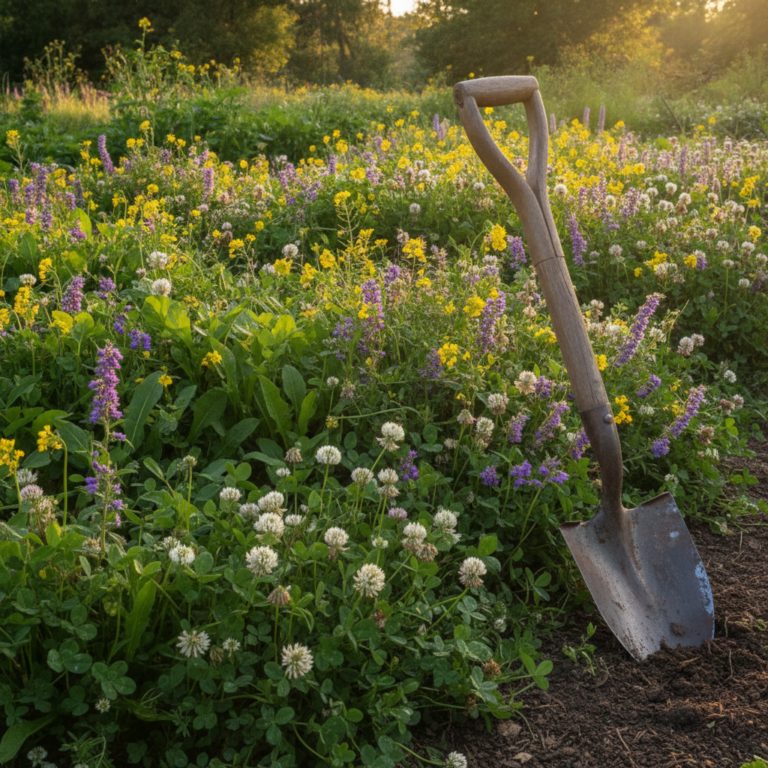
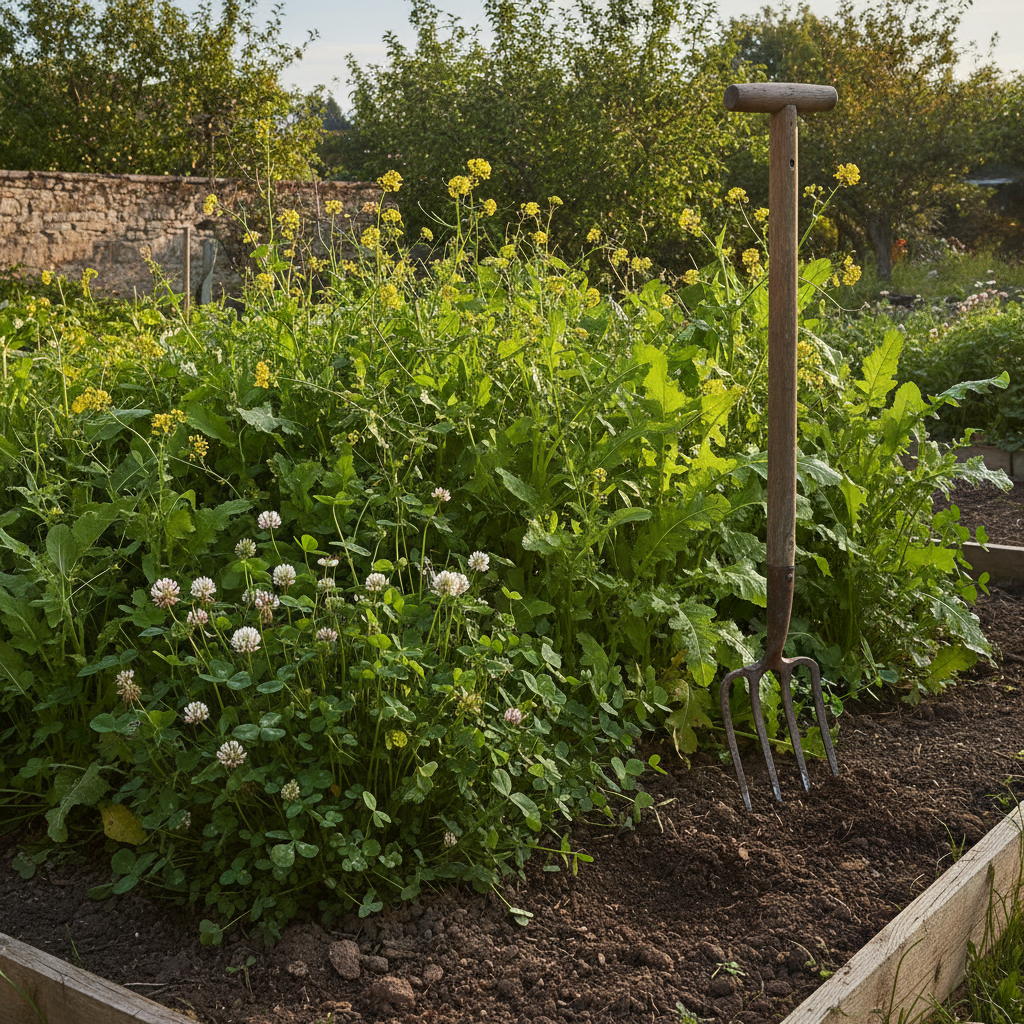
A green manure crop is any plant grown specifically to be incorporated back into the soil while it is still green and growing. You don’t harvest it. You don’t compost it separately. Instead, you chop it at the stem, let it wilt briefly, then dig or till it into the top few inches of soil.
As the plant material breaks down underground, it releases nutrients — especially nitrogen — feeds the microbial life in your soil, and improves structure all at once. It is, in essence, fertilizer you grow yourself.
Think of it as a living amendment. Unlike a bag of granules, a green manure crop adds organic matter, loosens compacted soil with its roots, and suppresses weeds while it grows. It works on multiple levels simultaneously. That’s why old-time farmers relied on it so heavily.
If you’re just starting to think about your soil’s health, the post Soil Sense Without the Lab: Read Your Dirt, Fix It Fast is a great place to build your foundation before diving deeper into soil-feeding strategies.
The Best Green Manure Crops for Home Gardens
Not every plant makes an equally good green manure. The best choices fall into two broad categories: legumes, which fix atmospheric nitrogen into the soil through root bacteria, and non-legumes, which add bulk organic matter and other minerals.
Top Legume Green Manures
Legumes are the heavy hitters. They form a partnership with rhizobium bacteria in their root nodules. That relationship pulls nitrogen straight from the air and locks it into the soil. When you bury legume green manures, you are essentially releasing a slow-drip nitrogen feed underground.
- Crimson Clover — Fast-growing, fixes up to 150 lbs of nitrogen per acre, and gorgeous while growing. Excellent for spring or fall sowing.
- Hairy Vetch — Hardy, cold-tolerant, and one of the most nitrogen-rich options available. Pairs beautifully with winter rye.
- Field Peas — Ideal for cool-season planting. Quick to establish and easy to dig under. A great beginner choice.
- Fenugreek — Often overlooked, but it fixes nitrogen reliably and breaks down fast. Wonderful in warmer climates.
Top Non-Legume Green Manures
Non-legumes don’t fix nitrogen on their own, but they contribute in other important ways. They add carbon-rich organic matter, improve soil structure, and help break up compaction.
- Buckwheat — Grows incredibly fast in warm weather. Mobilizes phosphorus from deep in the soil and brings it to the surface. Ready to plow under in just 5–6 weeks.
- Mustard — Biofumigant properties help suppress soilborne diseases and pests. Excellent before brassica crops.
- Winter Rye — The workhorse of cool-season green manures. Adds enormous amounts of biomass and suppresses weeds aggressively.
- Phacelia — A beautiful, bee-loved option that breaks down rapidly and leaves soil noticeably fluffier.
How to Time the Cut-and-Dig for Maximum Nitrogen Release
This is where most gardeners go wrong. Timing the plow-under is just as important as choosing the right plant. Dig too early, and you lose potential biomass. Dig too late, and the plant sets seed or becomes too woody to break down quickly.
The sweet spot for most green manure crops is just before or at the point of flowering. At this stage, the plant is at its peak nitrogen content. The stems are still soft. Breakdown happens fast — usually within two to four weeks in warm soil.
Here is a simple rule: chop and bury at 25–50% bloom. For legumes especially, this is the moment when nitrogen levels in the leaves and stems are highest. After full bloom, nitrogen begins to be redirected into seed production and much of it is lost to you.
After digging the green material under, wait at least two weeks before planting into that bed. The decomposing material releases compounds that can temporarily inhibit seed germination. Patience here is rewarded with a noticeably richer, looser seedbed.
The Chop-and-Drop Method for No-Dig Gardens
If you practice no-dig or raised-bed gardening, you don’t have to turn the soil at all. Simply cut your green manure crop at soil level. Leave the roots in the ground — they’ll decompose in place, feeding worm activity and creating channels as they break down. Lay the chopped tops as a surface mulch. Worms and microbes will do the rest.
This method works especially well with phacelia, clover, and buckwheat. It also complements the microclimate-focused approach covered in Microclimate Makeovers: Simple Tweaks That Boost Yields Without Expanding Your Space.
A Practical Green Manure Planting Calendar
The real magic of green manure crops comes from weaving them into your regular garden rotation. Use gaps between main crops. Use beds you are resting. Use the six weeks before your first frost. Here’s a seasonal guide to get you started this year.
Spring (March–May)
- Sow: Field peas, crimson clover, phacelia, or fenugreek.
- Dig under: 4–6 weeks after sowing, or at first flower bud.
- Follow with: Summer vegetables — tomatoes, squash, beans — two weeks after incorporation.
Summer (June–August)
- Sow: Buckwheat in any bed with a 5–6 week gap between crops.
- Dig under: 35–40 days after sowing, just as flowers open.
- Follow with: Fall brassicas, root vegetables, or a second flush of salad greens.
Fall (September–November)
- Sow: Hairy vetch and winter rye together, or mustard for biofumigation.
- Dig under: In early spring, before the rye becomes too mature.
- Follow with: Your main spring planting sequence two weeks after incorporation.
Winter (December–February)
- In mild climates, crimson clover or field peas can overwinter under light frost.
- In cold climates, winter rye provides soil cover and protection from erosion and compaction.
- Even a winter green manure that winter-kills in place adds valuable organic matter when it decomposes.
For a broader planting framework that accounts for your local microclimate, take a look at the Climate-Proof Your Crops: A 30-Day, Microclimate–Aware Planting Plan. Pairing that kind of timing awareness with a green manure rotation produces remarkable results.
Why Green Manure Crops Outperform Most Bagged Amendments
Let’s be honest: a bag of blood meal or a bottle of liquid nitrogen does deliver nitrogen. But that’s largely where it stops. It does not build soil structure. It does not feed the microbial web. It does not add carbon or suppress weeds. It delivers one input, once.
Green manure crops do all of the following at the same time:
- Fix or recycle nitrogen naturally
- Add slow-release organic matter that feeds soil life for months
- Break up compaction with deep or fibrous root systems
- Suppress weeds during the cover period
- Attract beneficial insects while flowering
- Reduce erosion and moisture loss from bare soil
When you bury a stand of hairy vetch and crimson clover together, you are depositing a slow, layered, living amendment that continues feeding your next crop for 8–12 weeks. That’s extraordinary value from a handful of seeds.
If you want to track how your beds respond season over season, the journal templates in Garden Journaling for Mastery: Ready-to-Use Templates and Prompts make it easy to record your green manure rotations alongside yield data. Patterns emerge quickly.
Getting Started: Your First Green Manure Experiment
You don’t need to overhaul your entire garden. Start small. Pick one bed that will sit empty for four to six weeks between now and your next planting. Broadcast a handful of field peas or buckwheat seed. Rake it lightly. Water it in.
Then watch what happens. In a few weeks, you’ll see dense, healthy growth. Before it flowers fully, grab a spade and work it in. Mark the date. Plant into it two weeks later. Compare that bed to your others. The difference is often visible within a single season.
This is exactly the kind of low-risk, high-reward trial that builds real gardening confidence. Green manure crops ask almost nothing from you — just a packet of seed and a little patience. In return, they give you soil that grows deeper, richer, and more forgiving with every passing year.
That’s the old way. And it still works beautifully.