Green Manure Crops: The Plow-Under Secret
Before a single bag of synthetic fertilizer ever touched a farm field, growers had already solved the nitrogen problem — and they solved it beautifully. They grew green manure crops: fast-growing plants sown purely to be chopped and buried, feeding the soil with a surge of living organic matter. It cost almost nothing, required no factory, and left the land richer than it found it. This post brings that forgotten technique back to your backyard, with the exact plants, timing, and a practical planting calendar you can start this season.
What Are Green Manure Crops — and Why Did We Forget Them?
A green manure crop is any plant grown with the sole intention of digging it back into the soil before it sets seed. The buried plant matter decomposes rapidly, releasing nitrogen, carbon, and a cascade of micronutrients that feed your vegetables for months.
Farmers used this rotation trick for thousands of years. Roman writers documented it. Chinese farmers perfected it. Then, in the mid-20th century, cheap synthetic nitrogen arrived — and almost overnight, this ancient knowledge faded from mainstream practice.
The problem? Synthetic nitrogen feeds plants but ignores the soil food web. It skips the fungi, bacteria, and earthworms that make a garden genuinely productive over time. Green manure crops feed the whole system, not just the plant.
If you’ve been reading about ways to understand what your soil actually needs before adding anything to it, Soil Sense Without the Lab: Read Your Dirt, Fix It Fast is the perfect companion piece to this post.
The Best Green Manure Crops for Home Gardeners
Not all plants make equally effective green manures. The best choices fall into two camps: nitrogen fixers and biomass builders. You want both working in your rotation.
Nitrogen-Fixing Legumes
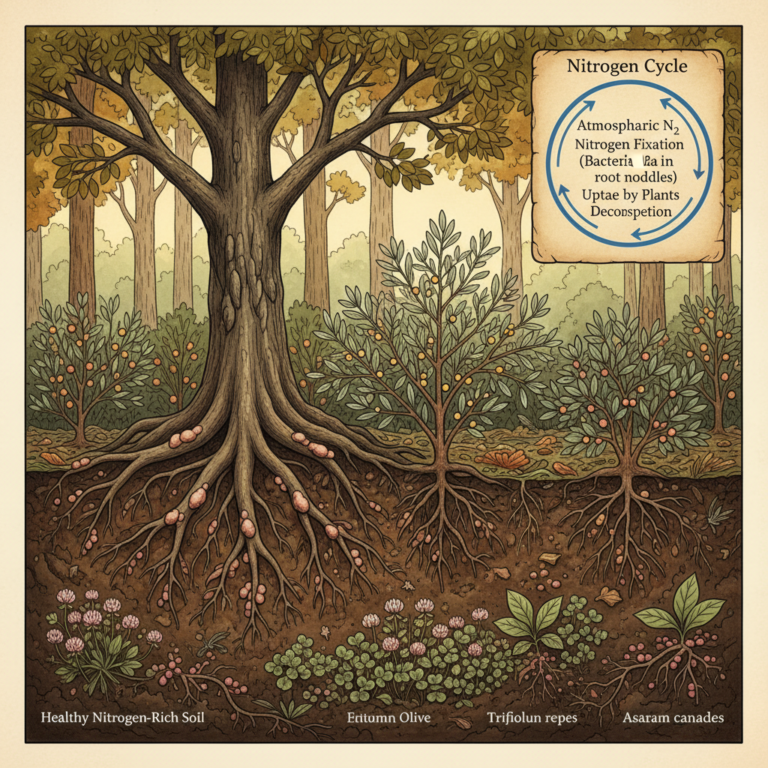
These plants form a partnership with soil bacteria called rhizobia. Together, they pull nitrogen from the air and store it in root nodules. When you bury the plant, all that stored nitrogen becomes available to your next crop.
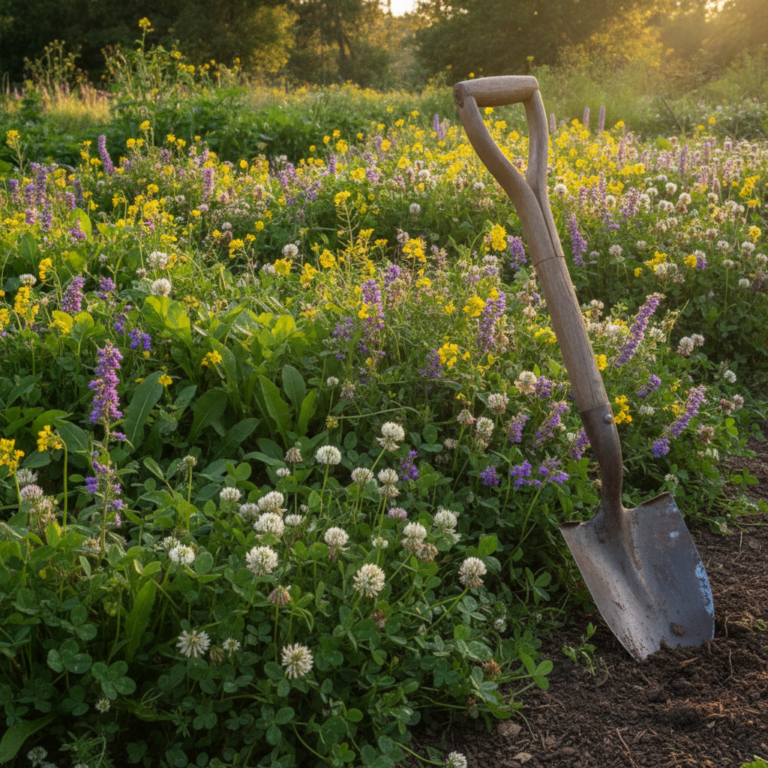
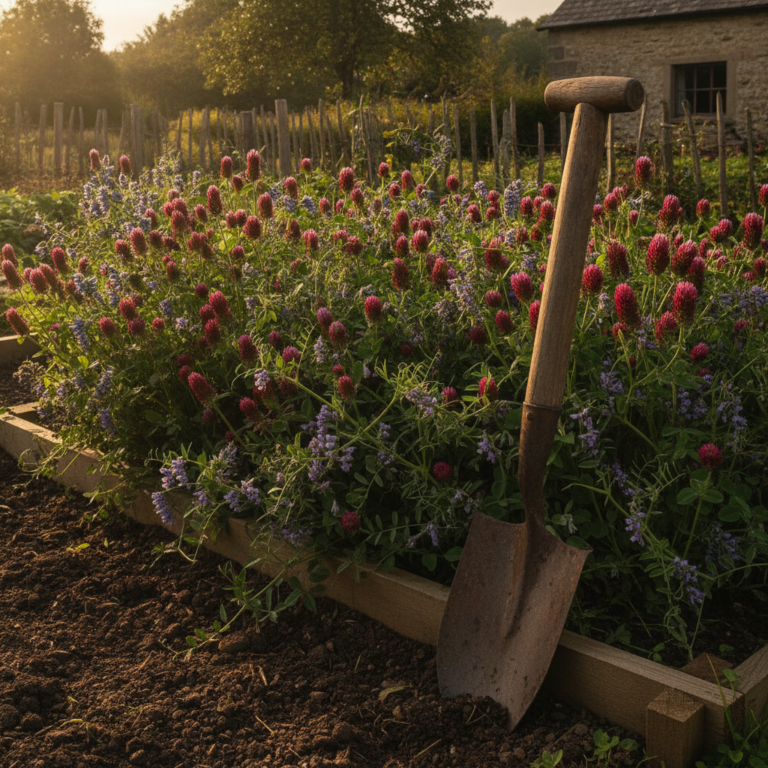
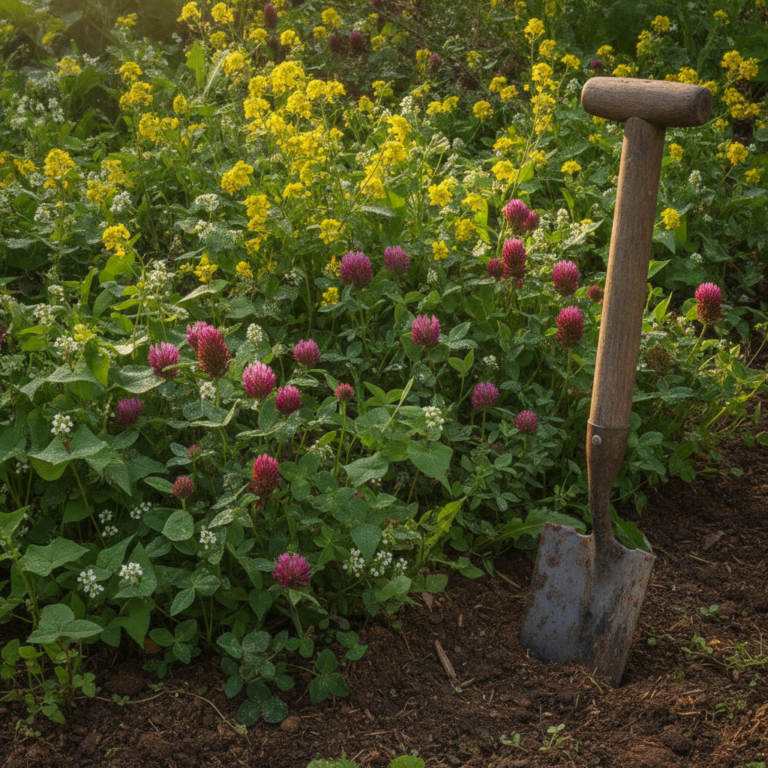
- Crimson Clover — Fast-growing, visually stunning, and extremely productive. Fixes up to 150 lbs of nitrogen per acre. Excellent for spring or autumn sowing.
- Hairy Vetch — Cold-hardy and aggressive. Perfect for overwintering in most climates. One of the highest nitrogen contributors available to home growers.
- Field Peas (Austrian Winter Peas) — Easy to source, quick to establish, and edible if you change your mind mid-season.
- Fenugreek — A warm-season option with deep roots and fast growth. Often overlooked but surprisingly effective.
Biomass Builders
These crops don’t fix nitrogen, but they add enormous amounts of organic matter and break up compacted soil with their root systems.
- Buckwheat — Smothers weeds in just six weeks. Excellent at making phosphorus available in the soil. A warm-season favourite.
- Phacelia — One of the fastest-growing green manures available. Also a pollinator magnet while it stands.
- Mustard — Acts as a mild biofumigant, suppressing soil-borne diseases and nematodes as it decomposes.
- Oats and Rye — Brilliant overwintering options. They winter-kill in cold climates, leaving a ready-to-dig mat of organic matter in spring.
How to Time the Cut-and-Dig for Maximum Nitrogen Release
Timing is everything with green manure crops. Cut too late and the stems become woody and slow to decompose. Cut too early and you lose potential biomass. The sweet spot is just before flowering — when the plant is at peak nitrogen content and still soft enough to break down quickly.
Here is the general rule: aim to incorporate your green manure two to four weeks before you plan to plant your main crop. This gives decomposition time to complete and prevents the fresh organic matter from temporarily locking up nitrogen as it breaks down.
Step-by-Step: How to Incorporate Green Manure
- Cut the crop down with shears, a scythe, or a sharp spade. You can leave the cuttings on the surface for a few days to wilt.
- Chop the material finely before digging. Smaller pieces break down faster and are easier to turn in.
- Dig or fork the chopped material into the top 15–20 cm of soil. You don’t need to go deeper than this.
- Water the bed well if conditions are dry. Decomposition needs moisture.
- Wait two to four weeks, then plant your main crops as usual.
If you’re working in a small space and want to fit this into a busy schedule, the The 60-Minute Garden: Quick, High-Impact Tasks has excellent advice on breaking soil-prep tasks into manageable chunks.
Why Green Manure Outperforms Most Store-Bought Soil Conditioners
A bag of granular fertilizer delivers a handful of isolated nutrients in a form plants can absorb immediately. That sounds efficient — but it misses the bigger picture.
Green manure crops deliver something no bag can replicate: living diversity. As the plant matter breaks down, it feeds bacteria, fungi, protozoa, and earthworms simultaneously. Those organisms, in turn, release nutrients in slow, plant-available forms. They also build soil structure — creating the crumbly, moisture-retaining texture that makes a garden genuinely easy to work.
Studies comparing plots fed with green manures versus synthetic fertilizers consistently show higher organic matter levels, better water retention, and improved long-term yields in the green manure plots. The results compound over time. Each cycle leaves the soil better than the last.
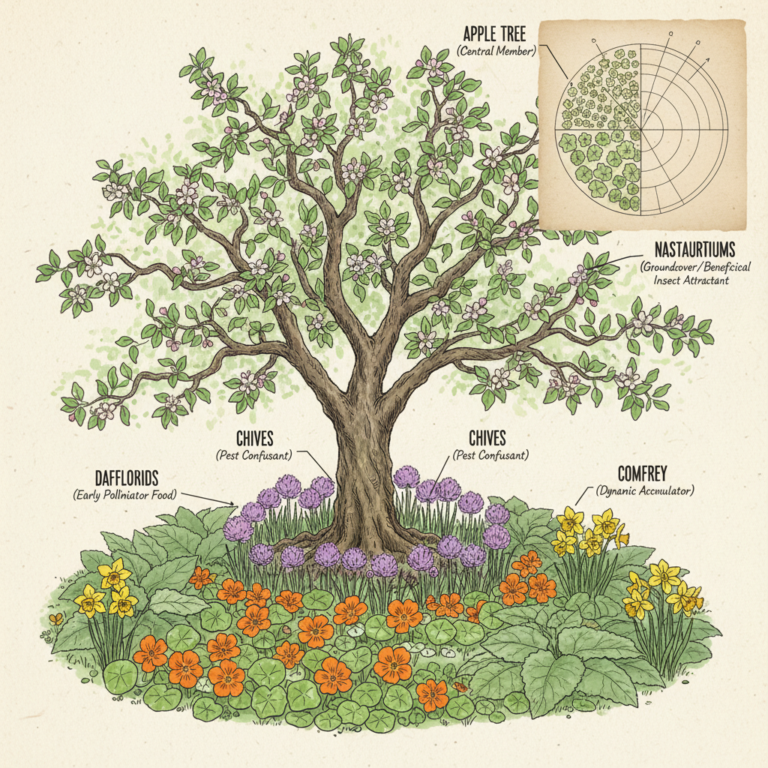
For gardeners thinking about the long game — building a garden that feeds itself — this pairs beautifully with the ideas in The Perennial Playbook: Build a Low-Input Garden That Keeps Flourishing With You.
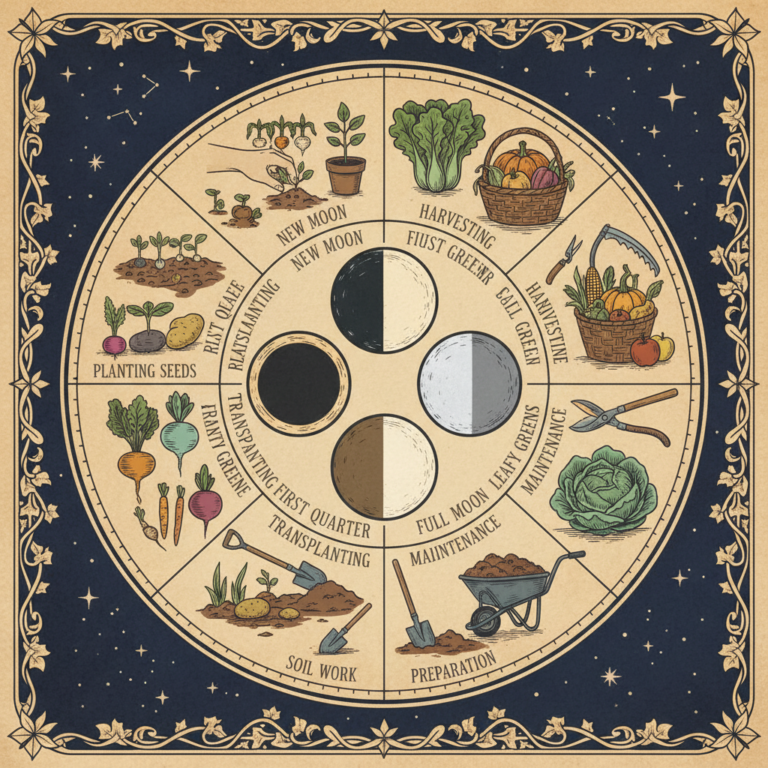
A Practical Green Manure Planting Calendar
Here is a season-by-season guide you can adapt to your climate. If you’re in a region with unusual microclimates, you may want to cross-reference this with Climate-Proof Your Crops: A 30-Day, Microclimate–Aware Planting Plan for a more precise timing guide.
Early Spring (March–April)
Sow: Field peas, phacelia, or crimson clover as soon as the soil can be worked.
Dig in: Late April or early May, before planting tomatoes, squash, or beans.
Late Spring to Early Summer (May–June)
Sow: Buckwheat in any gap beds or after early harvests like spinach and lettuce.
Dig in: Six to eight weeks after sowing, just before flowers fully open.
Midsummer (July–August)
Sow: A fast mix of buckwheat and phacelia in any space left after early potato or garlic harvest.
Dig in: Late August, preparing ground for autumn brassicas or overwintering garlic.
Autumn (September–October)
Sow: Hairy vetch, winter rye, or a legume-grass mix across any beds going to rest.
Dig in: The following March or April. In cold climates, winter rye and oats often winter-kill, making spring digging effortless.
Overwintering Beds (November–February)
Leave the green manure standing. The root mass protects soil structure from rain compaction and erosion. This alone is worth the price of a packet of seeds.
Common Mistakes to Avoid
Even simple techniques have pitfalls. Watch out for these:
- Letting the crop go to seed. Once seeded, your green manure becomes a weed problem. Cut before flowers fully open.
- Planting too soon after digging in. Fresh green matter temporarily ties up nitrogen as it decomposes. Wait the full two to four weeks.
- Skipping the chop. Whole stems take far longer to break down. Always chop or shred before digging.
- Ignoring soil moisture. Dry soil slows decomposition dramatically. Water after incorporating if needed.
Start Small — and Keep Notes
If this is your first season experimenting with green manure crops, start with just one or two beds. Sow buckwheat in an empty summer gap, time the cut carefully, and then compare that bed’s performance against a bed that received no amendment. The results often speak for themselves within a single season.
Keeping a garden journal through this process makes it easier to refine your timing year after year. Garden Journaling for Mastery: Ready-to-Use Templates and Prompts has free templates designed exactly for this kind of season-to-season learning.
Your grandparents didn’t have synthetic fertilizers. They had knowledge — and that knowledge grew some of the most productive, enduring gardens in history. Green manure crops are one of the simplest ways to reclaim that wisdom and put it to work in the soil under your feet.
The plow-under secret has been waiting for you all along. Now you have everything you need to use it.