Green Manure Crops: The Plow-Under Secret
Long before a bag of synthetic nitrogen ever touched a farm field, growers fed their soil with something far more elegant: green manure crops. They planted fast-growing, nutrient-rich plants with one specific purpose in mind — to chop them down and bury them. The soil did the rest. This plow-under method quietly vanished when chemical fertilizers became cheap and convenient. But here’s the thing: it never stopped working. If you’re trying to grow more food without dumping money into store-bought amendments, this old rotation trick is worth every seed you sow.
What Are Green Manure Crops, Exactly?
A green manure crop is any plant grown primarily to be turned into the soil while still green and actively growing. Unlike compost, which you make in a pile and add later, green manures decompose right where they grew. They feed the soil biology directly, in place, with living organic matter.
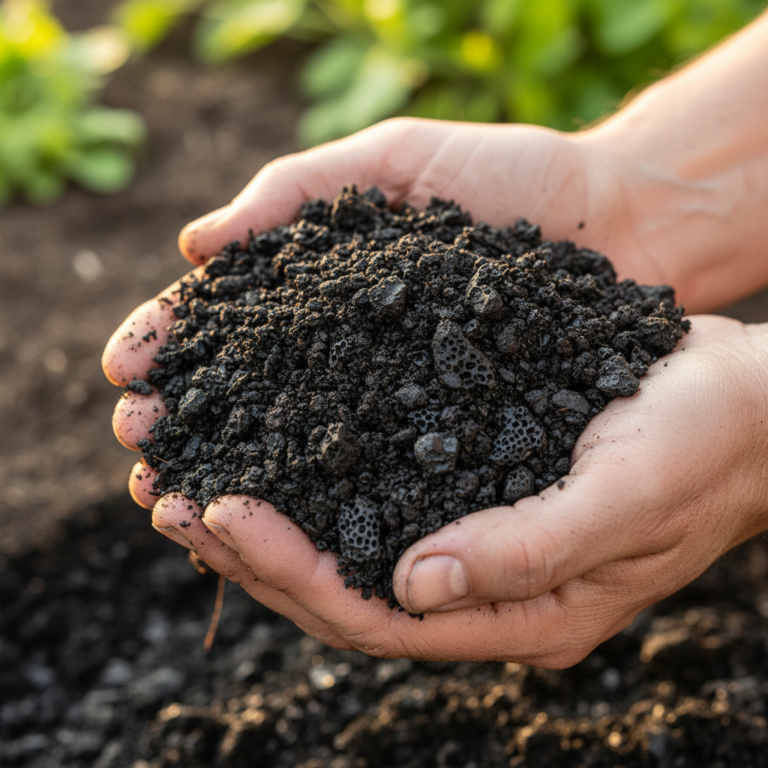
This is different from simply leaving dead plant material on top of the ground. The burial matters. When you dig or chop and drop green plant tissue into the soil, microbial activity explodes. Bacteria, fungi, and soil fauna break down the material rapidly. Nitrogen, phosphorus, and trace minerals are released in forms plant roots can absorb.
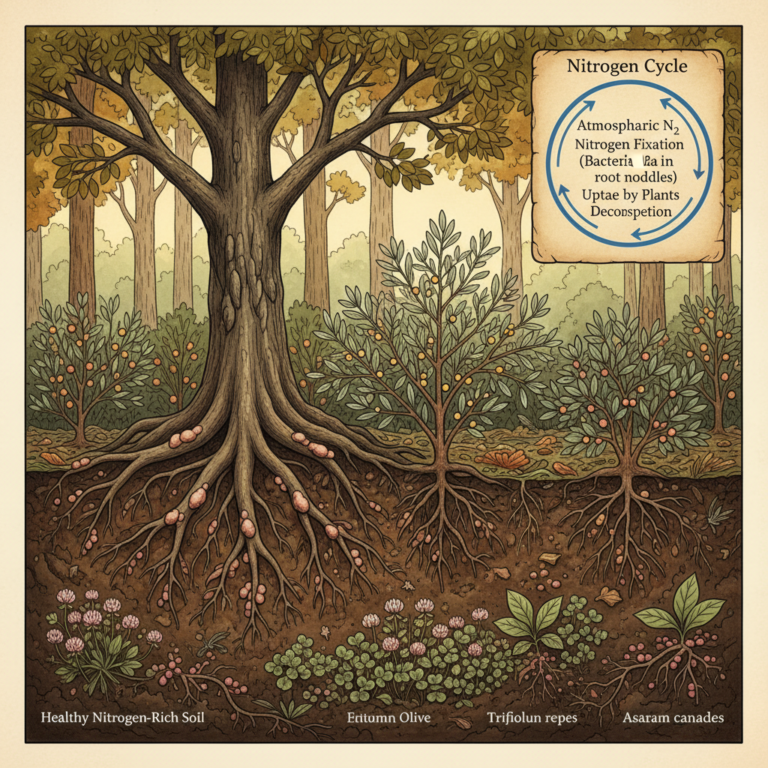
Some green manures are legumes, which means they fix atmospheric nitrogen through root-nodule bacteria. Others are non-legumes that primarily add organic matter, suppress weeds, and improve soil structure. Both types have a role in a smart rotation.
Before you even plant your first green manure, it helps to know what your soil actually needs. If you haven’t done a basic assessment yet, check out Soil Sense Without the Lab: Read Your Dirt, Fix It Fast — it’ll give you a clear picture without expensive testing.
The Best Green Manure Crops for Home Gardens
Not all cover crops double as effective green manures. You want plants that grow fast, produce a lot of biomass, and break down readily when buried. Here are the top performers, organized by season.
Spring and Summer Green Manures
Crimson Clover is arguably the best all-rounder for home gardeners. It’s a nitrogen-fixing legume that fixes 70–150 lbs of nitrogen per acre. It grows quickly in spring, handles light frost, and has beautiful red flowers that tell you when it’s at peak nitrogen content. Cut it just as flowers begin to open.
Buckwheat is the speed champion. It goes from seed to dig-ready in just 35–40 days. It’s not a nitrogen fixer, but it does something special: it releases phosphorus from mineral-bound soil particles that other plants can’t access. Buckwheat also smothers weeds aggressively. Use it to fill any gap between crops in summer.
Hairy Vetch is one of the most powerful nitrogen-fixing green manures available. It can fix over 200 lbs of nitrogen per acre under ideal conditions. It’s vigorous, climbs, and produces incredible biomass. The downside? It takes longer to break down than softer plants. Give it an extra week or two after burial before planting into that bed.
Fall and Winter Green Manures
Winter Rye is the workhorse of the cold season. It keeps growing even when temperatures drop into the 20s (°F). It produces a massive root system that breaks up compacted soil layers — sometimes called a biological plow. It adds significant organic matter but contains allelopathic compounds that can slow germination of small seeds. Always wait two to three weeks after burying before direct seeding.
Field Peas work beautifully in fall. They fix nitrogen, produce tender growth that breaks down fast, and help protect soil from erosion over winter. Mix them with winter rye for a combination that covers all the bases: nitrogen fixation plus organic matter plus weed suppression.
Oats make an excellent fall green manure in mild climates. They winter-kill in cold zones, leaving a mat of dead organic matter on the surface that you can easily dig under in spring. In warmer zones, cut them before they mature and set seed.
The Timing Secret: When to Cut for Maximum Nitrogen
Here’s where most gardeners leave results on the table. The timing of your cut-and-bury determines how much nitrogen your next crop receives. Get this right, and you’ll be amazed at the difference.
The rule is simple: cut green manure crops at the bud-to-early-flower stage. This is when the plant tissue is at its highest nitrogen content and still soft enough to break down rapidly. Mature plants that have set seed are woodier, lower in nitrogen, and take much longer to decompose. You could easily wait six to eight weeks before planting into a bed of buried mature rye straw. But bury soft, immature crimson clover tissue? You might plant into that bed in ten to fourteen days.
For legumes specifically, cutting before full flower also means more nitrogen stays in the plant tissue rather than being used for seed production. The plant spent energy capturing nitrogen from the air. You want to capture that energy before it’s diverted elsewhere.
The Two-Week Window
After burying your green manure, give the soil at least two weeks before planting — especially with fast-decomposing species like buckwheat or field peas. Decomposing plant tissue temporarily ties up nitrogen as microbes consume carbon. This is called the carbon-to-nitrogen ratio effect. Soft green material has a low C:N ratio and releases nitrogen quickly. Woody material has a high C:N ratio and temporarily depletes available nitrogen as it breaks down. Choose soft, young material and you sidestep this problem almost entirely.
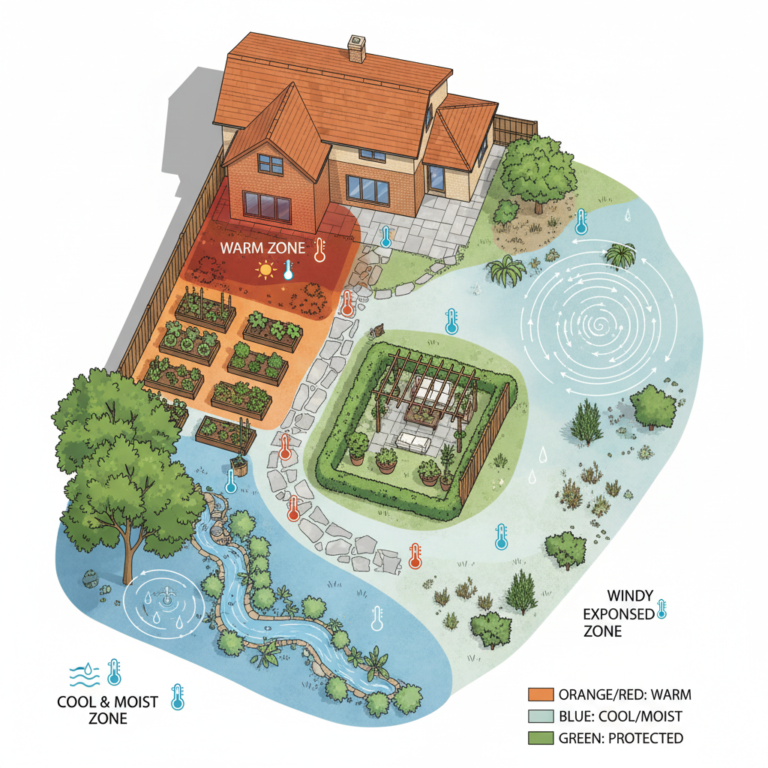
If you’re managing multiple beds and rotations, a planning tool can be invaluable. The Climate-Proof Your Crops: A 30-Day, Microclimate–Aware Planting Plan can help you slot green manure rotations into your season without disrupting your main crops.
Why Green Manures Outperform Most Store-Bought Soil Conditioners
A bag of granular nitrogen fertilizer delivers one thing: nitrogen. Maybe two or three things if it’s a blended formula. Green manure crops deliver something no bag can match.
When you bury a healthy stand of hairy vetch or crimson clover, you’re adding:
- Fixed nitrogen from root nodule bacteria
- Carbon to feed soil biology long-term
- Physical soil improvement from root channels and aggregate formation
- Weed suppression during the growing period
- Erosion protection for bare soil between crops
- Habitat for beneficial insects, especially when flowers are present
No granular product delivers all six of those benefits. And unlike synthetic fertilizers, green manures build the soil system over time rather than feeding individual plants in the short term. After two or three seasons of regular green manure rotations, your soil structure, water retention, and biological activity improve at every level.
This is the same foundation that perennial planting systems rely on. If you’re interested in building long-term soil fertility across your entire garden, The Perennial Playbook: Build a Low-Input Garden That Keeps Flourishing With You pairs beautifully with a green manure rotation strategy.
A Practical Green Manure Planting Calendar
Use this as your starting framework. Adjust based on your climate zone and first/last frost dates.
Early Spring (4–6 Weeks Before Last Frost)
Sow crimson clover or field peas in any bed that won’t be planted until late spring. Both tolerate light frost. Cut and bury when buds form, approximately 6–8 weeks after sowing.
Late Spring to Early Summer (After Last Frost)
Sow buckwheat in beds that had early crops like spinach or radishes. Buckwheat fills the gap fast — 35 days to cut-and-bury — so you can replant the same bed with summer crops without losing the season.
Midsummer (July–August)
Sow a second round of buckwheat, or try sunn hemp if you’re in a warmer zone. Sunn hemp is an incredible tropical legume that can produce six feet of growth in eight weeks. Cut before it flowers for the highest nitrogen yield.
Late Summer to Early Fall (6–8 Weeks Before First Frost)
Sow a winter rye and hairy vetch mix in any bed finishing its summer crop. Use roughly 70% rye to 30% vetch by seed weight. This combination overwinters beautifully in most zones, fixes nitrogen all fall, and is ready to cut and bury in early spring.
Fall (After First Frost in Mild Climates)
In zones 7 and warmer, crimson clover can be sown in fall for overwintering. It will resume growth in early spring and be ready to cut by mid-spring — right when you need beds ready for summer crops.
Getting Started This Season
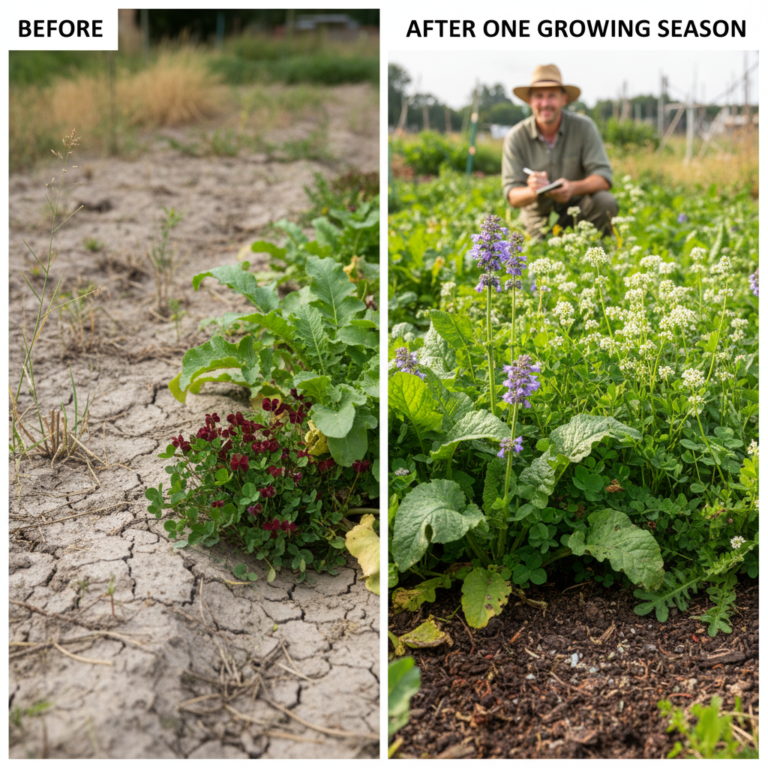
You don’t need to overhaul your whole garden to try green manure crops. Start with one or two empty beds. Sow buckwheat this summer between your spring and fall crops. Watch how fast it grows, cut it before it flowers, dig it in, and plant your fall brassicas or root vegetables two weeks later. Compare the growth in that bed to your other beds. The difference is usually visible and convincing.
If you’re still building your overall gardening confidence and want to approach this as part of a broader skill-building journey, Layered Learning: A Gardener’s Progressive System That Grows with You is a great companion resource that helps you add techniques like this one in a logical, progressive order.
Your grandparents and great-grandparents didn’t have access to chemical fertilizers, but they grew extraordinary gardens and kept their soil alive for generations. Green manure crops were one of their most reliable tools. The knowledge was always there. It just needed digging up.
Start with one bed. Sow one crop. Bury it at the right time. Then watch what your soil does next.