Green Manure Crops: The Plow-Under Secret
The Forgotten Art of Growing Crops Just to Bury Them
Long before synthetic nitrogen came in a plastic bag, farmers figured out something remarkable. They grew green manure crops — plants raised not for the table, but for the soil itself. Cut them down. Dig them in. Watch the next crop explode with vigor. It sounds almost too simple. Yet this buried wisdom outperformed anything modern agriculture sells in a box. If you’ve been spending money on bagged soil conditioners with disappointing results, this post is for you.
Green manure is exactly what the name suggests: fresh, green plant material turned into the soil while it’s still soft and full of nutrients. It’s living fertilizer. Farmers practiced this for thousands of years across every continent. Then chemical agriculture arrived, and the old rotation tricks got quietly shelved. Today, we’re digging them back up — because they genuinely work.
What Makes Green Manure Crops So Powerful?
Here’s the science, kept simple. Plants capture carbon from the air and pull nutrients from deep in the soil profile. When you chop them down and bury them while still green, soil microbes get to work immediately. They break down the soft tissue, releasing nitrogen, phosphorus, and a long list of trace minerals directly into the root zone of your next crop.
Legumes — clover, vetch, field peas, fava beans — do something even more impressive. They fix atmospheric nitrogen through root bacteria called rhizobia. A well-grown stand of hairy vetch can deposit the equivalent of 100–200 pounds of nitrogen per acre. For a home garden, that translates to genuinely free, organic fertility.
Beyond nitrogen, green manure crops improve soil structure. Their roots break up compaction. Their buried biomass feeds earthworms. Their decomposition builds the sticky organic glue — called glomalin — that holds soil aggregates together. No bag of fertilizer does all of that at once. If you want a deeper look at reading what your soil actually needs before you plant, check out Soil Sense Without the Lab: Read Your Dirt, Fix It Fast.
The Best Green Manure Plants for Home Gardeners
Not every cover crop works equally well as a green manure. You want fast-growing, soft-stemmed plants that decompose quickly after burial. Here are the top performers by season.
Spring and Summer Green Manures
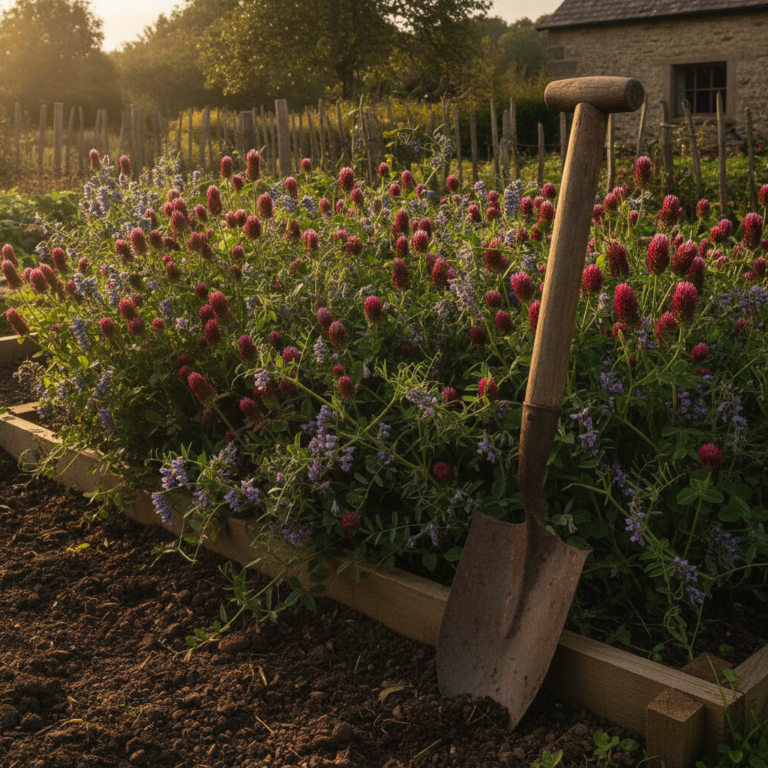
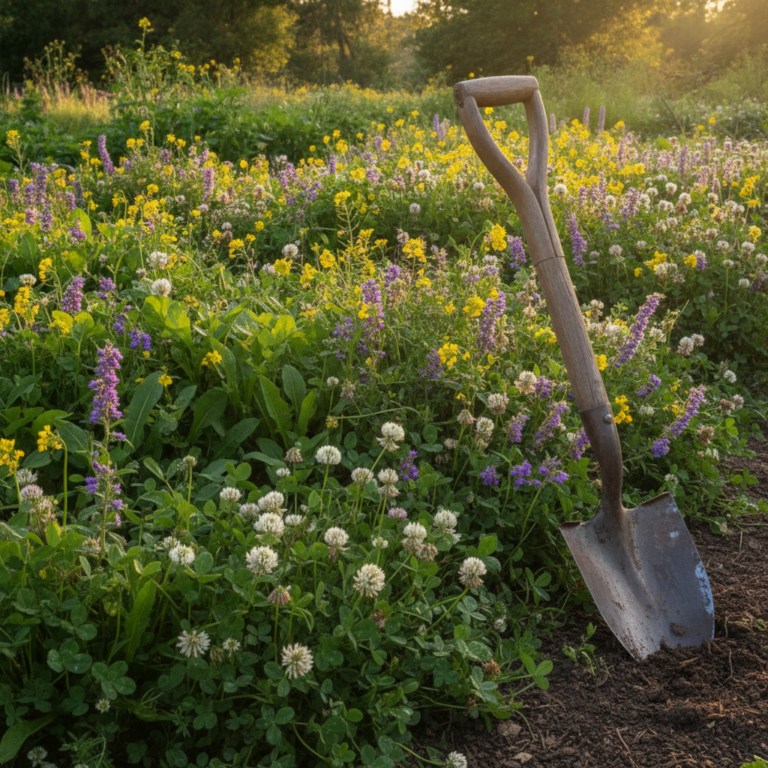
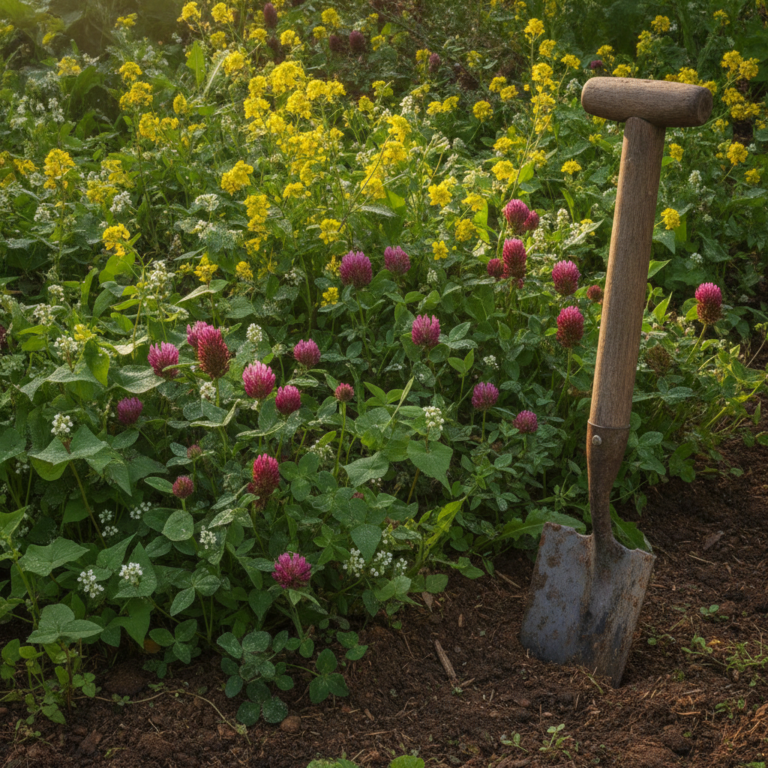
Crimson Clover — A classic nitrogen-fixer. Sow it thickly in early spring or after a harvest gap. It fixes nitrogen aggressively and produces beautiful red blooms that pollinators love. Chop and dig just before or at first flower for maximum nitrogen content.
Buckwheat — Not a legume, but incredibly fast. Buckwheat germinates in warm soil within days and smothers weeds efficiently. It scavenges phosphorus from soil depths your vegetables can’t reach. Dig it in after 6–8 weeks, before seed set.
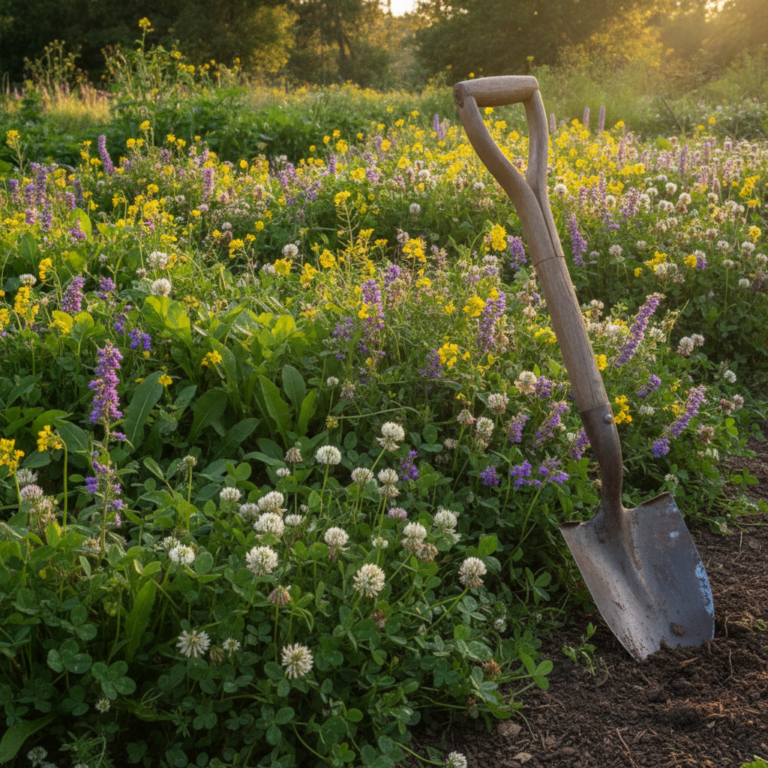
Phacelia — A lesser-known gem. Phacelia grows rapidly, decomposes quickly, and attracts beneficial insects. It’s especially useful for gardeners on sandy soils who need fast organic matter input.
Autumn and Winter Green Manures
Hairy Vetch — One of the most nitrogen-rich green manures available. Sow in late summer or early autumn. Let it overwinter, then cut and bury in spring before planting tomatoes or corn. The results are stunning.
Winter Rye — A non-legume workhorse. Winter rye builds biomass fast, protects soil from erosion all winter, and adds significant organic matter. Pair it with hairy vetch for a nitrogen-plus-carbon combination that’s hard to beat.
Field Peas — Sow in early autumn for a cool-season nitrogen fix. They winterkill in hard-frost areas, leaving a mulched layer that’s easy to work in come spring. Perfect for beginner gardeners.
Fava Beans — Remarkable nitrogen fixers even in cold weather. They can survive light frosts and fix nitrogen well into autumn. Their thick stems need a bit more time to decompose, so bury early and give them 3–4 weeks before planting.
Timing the Cut-and-Dig for Maximum Nitrogen Release
This is where most gardeners leave significant fertility on the table. Timing matters enormously. The nitrogen content of a green manure crop peaks just before or at the moment of first flowering. After that, plants begin moving nitrogen from soft green tissue into seeds, and the window starts to close.
Here’s the general rule: cut green manure crops at 10–50% bloom stage. Never let them set seed. A crop that goes to seed has already redistributed its most valuable nutrients away from the tissue you’re burying.
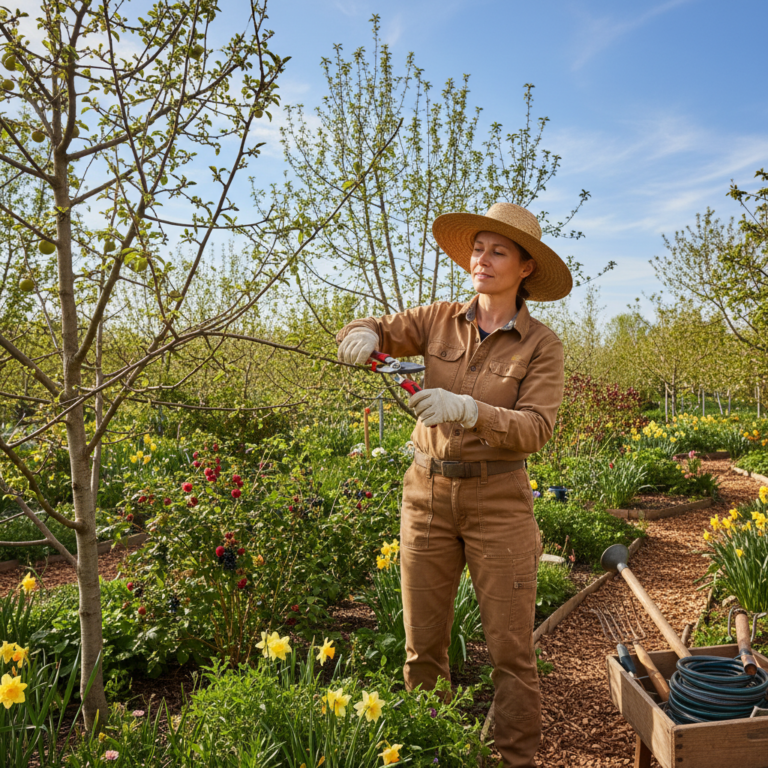
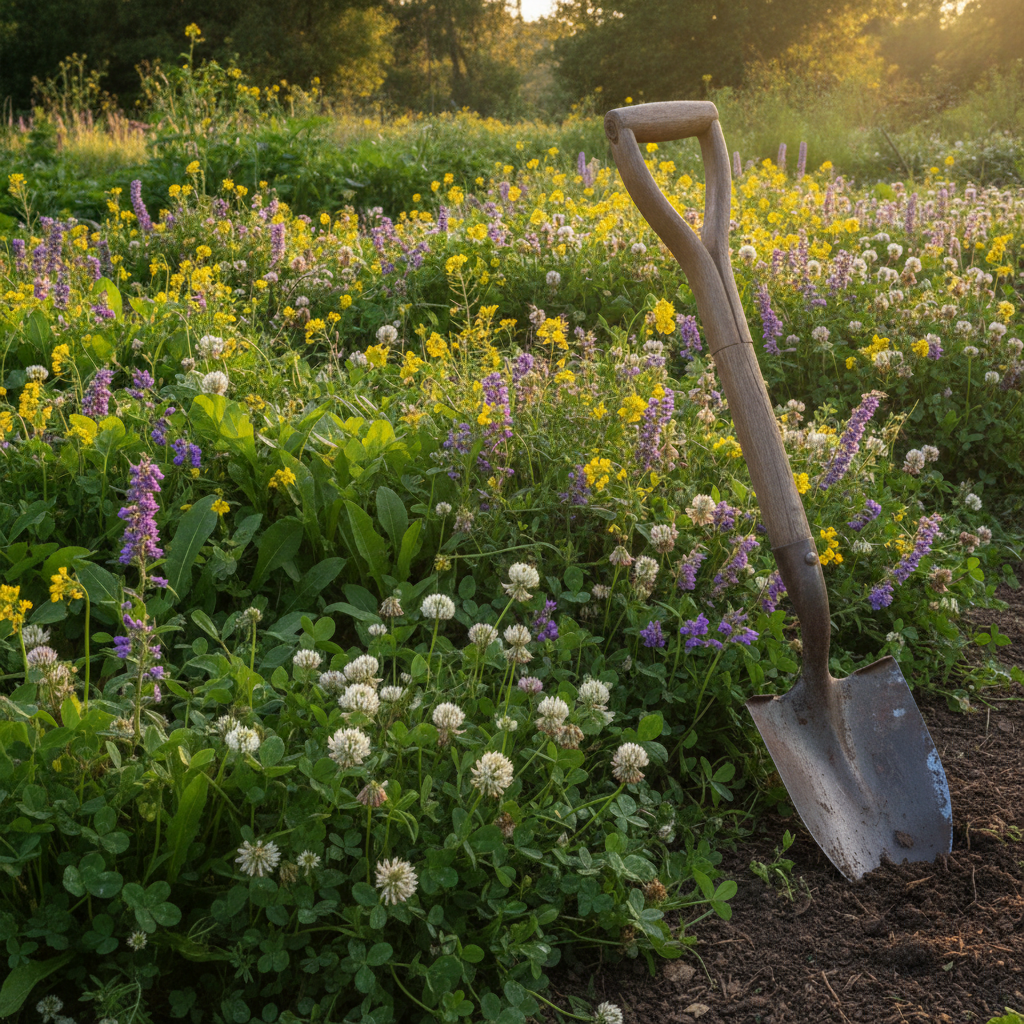
After cutting, incorporate the material immediately. The fresher the plant matter, the faster microbial decomposition begins. Use a sharp spade or broadfork to work the chopped material 4–6 inches deep. In warm weather, you can plant into the bed within 2–3 weeks. In cooler weather, wait 3–4 weeks for adequate breakdown.
One practical tip: chop the green material into smaller pieces before digging in. This massively speeds up decomposition. A sharp hoe or garden shears works well for soft-stemmed plants. For this and other time-efficient garden techniques, The 60-Minute Garden offers a smart approach to fitting these tasks into a busy schedule.
Why Green Manure Outperforms Store-Bought Soil Conditioners
Let’s be direct. Bagged fertilizers and soil amendments have their place. But they’re one-dimensional. They deliver a nutrient. They don’t build biological life. They don’t improve drainage. They don’t suppress weeds or feed earthworms.
Green manure crops do all of the above simultaneously. Furthermore, they cost almost nothing. A packet of clover seed covers a 100-square-foot bed for a few dollars. The fertility return is worth many times that investment.
There’s also a cumulative effect. Soil that receives green manures regularly over several seasons becomes progressively more alive. Microbial diversity increases. Water retention improves. Nutrient cycling accelerates. It’s the opposite of chemical dependency — the system gets stronger over time, not weaker.
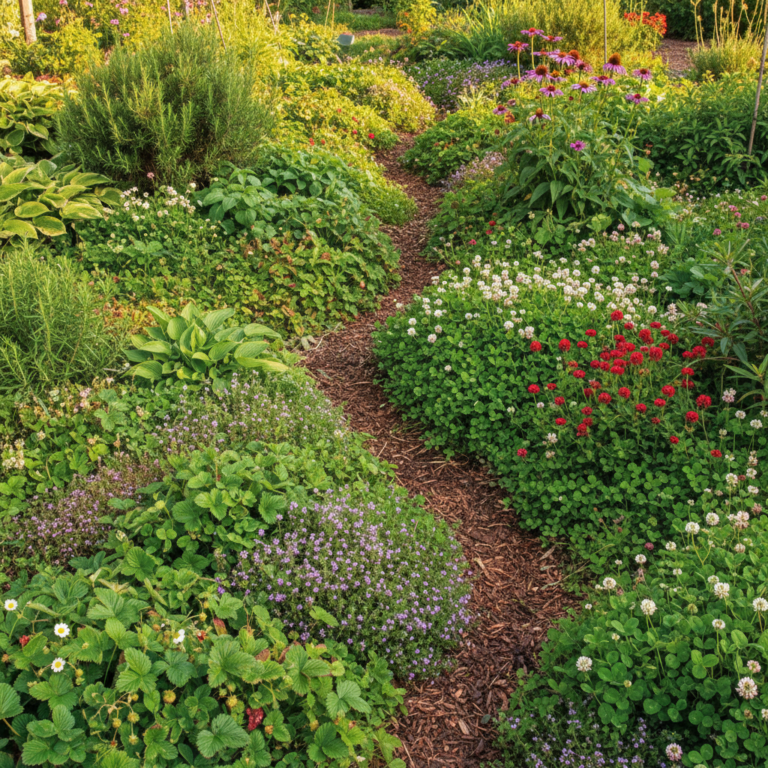
This aligns perfectly with the old-timer philosophy: work with the biology of the soil, not around it. If you’re building a more complex, layered garden system, the principles in Microforest in Small Spaces pair beautifully with green manure rotations.
A Practical Green Manure Planting Calendar
Use this as a starting framework. Adjust for your local climate and USDA zone. For more precision on timing based on your specific microclimate, see our guide to Climate-Proof Your Crops: A 30-Day, Microclimate-Aware Planting Plan.
Early Spring (March–April)
Sow field peas, crimson clover, or phacelia into any empty beds or gaps between emerging crops. These will be ready to cut and dig within 6–10 weeks, just before your main summer planting.
Late Spring to Early Summer (May–June)
Sow buckwheat into beds after early crops like lettuce or spinach are harvested. Buckwheat establishes quickly in warm soil and will be ready to turn under within 6–8 weeks. Perfect for prepping a bed for autumn brassicas.
Midsummer (July–August)
Sow hairy vetch, winter rye, or a vetch-rye mix as soon as summer crops like garlic or early potatoes come out. This gives the green manure time to establish before hard frosts. It will overwinter and provide a major nitrogen boost when cut and buried next spring.
Early Autumn (September–October)
Sow fava beans or field peas into beds cleared after summer crops. In mild climates, these will actively fix nitrogen through autumn. In cold climates, they’ll winterkill, leaving a ready-to-incorporate mulch layer.
Winter (November–February)
This is planning season. Map which beds will receive green manures in the coming year. Decide which rotations make sense based on what you’re growing. Order seeds early — good cover crop seed sells out.
Getting Started This Season: Practical First Steps
You don’t need to overhaul your entire garden at once. Start with one empty bed. Scatter a packet of crimson clover or buckwheat seed. Water it in. Watch it grow. Cut it down at first bloom. Dig it in. Plant your next crop. Notice the difference.
That single experiment will teach you more about soil fertility than a shelf of gardening books. Once you feel the results — richer soil, stronger plants, fewer pest problems — green manure crops become a permanent part of how you garden.
If you’re newer to the garden and want a structured path for building skills like this one, the Smart Starts: A 4-Week Skill-Build Plan for Complete Garden Beginners is a wonderful companion resource. It helps you layer new techniques — including soil-building practices — in a way that sticks.
Your grandparents didn’t need synthetic fertilizers to grow extraordinary food. The soil knew how to feed them — because they first fed the soil. Green manure crops are how they did it. Now you know too.