Edge Zones: Double Your Growing Space With Transition Areas
Every gardener dreams of maximizing their harvest without expanding their plot. The secret lies in edge zones – those overlooked transition areas between different garden sections that can dramatically increase your growing space and productivity. These unique microclimates offer specialized growing conditions that many plants absolutely thrive in.
Edge zones represent the boundaries where two different ecosystems meet. In your garden, this might be where your vegetable beds meet your lawn, where sun transitions to shade, or where wet areas meet dry zones. These transition spaces create distinct growing conditions that smart gardeners can harness.
Understanding Garden Edge Zones and Their Potential
Think of edge zones as nature’s bonus real estate. These areas typically receive different amounts of sunlight, moisture, and nutrients than the main growing areas on either side. This creates perfect niches for plants that might struggle in your primary beds.
For example, the transition between your sunny vegetable garden and shaded woodland area creates a partial shade zone. This edge zone might be perfect for leafy greens that bolt in full sun or herbs that prefer gentler conditions.
The key is recognizing these spaces as valuable growing opportunities rather than problem areas to ignore. Most gardeners focus exclusively on their main beds, missing the chance to utilize these productive transition spaces.
Identifying Productive Edge Zones in Your Garden
Start by walking your garden boundaries with fresh eyes. Look for these common edge zone opportunities:
Sun-to-shade transitions: Areas where buildings, trees, or structures create gradual light changes throughout the day. These zones often provide morning sun with afternoon shade – perfect for cool-season crops.
Moisture gradients: Spaces near downspouts, pond edges, or areas where irrigation runoff naturally collects. These create mini-wetland conditions ideal for water-loving plants.
Structure edges: Areas along fences, walls, and buildings that create unique wind patterns and temperature zones. South-facing walls create warm microclimates, while north-facing areas stay cooler.
Understanding your garden’s microclimate patterns helps you identify the most promising edge zones for development.
Designing Edge Zone Plantings for Maximum Productivity
Once you’ve identified your edge zones, design plantings that take advantage of their unique conditions. This requires thinking differently than you would for traditional garden beds.
Layer your plantings: Edge zones work beautifully with vertical layering. Plant tall elements on one side, medium-height plants in the middle, and ground covers on the other side. This creates a natural transition between areas.
Choose transition-appropriate plants: Select varieties that thrive in the specific conditions your edge zone provides. Partial shade edges might host lettuce, spinach, and herbs. Dry edges could support Mediterranean herbs and drought-tolerant perennials.
Create beneficial plant communities: Group plants with similar needs together while considering how they’ll interact. Tall plants can provide wind protection for shorter ones, while deep-rooted plants can bring nutrients up for shallow-rooted companions.
Successful edge zone design requires careful soil assessment to understand what amendments might be needed for optimal plant health.
Plant Selection Strategies for Edge Zone Success
Different edge zones call for different plant strategies. Here’s how to match plants to your specific transition areas:
Wet-to-dry transitions: Use plants that can handle varying moisture levels. Elderberry, willow, and mint work well on the wet side, transitioning to lavender, rosemary, and Mediterranean herbs on the dry side.
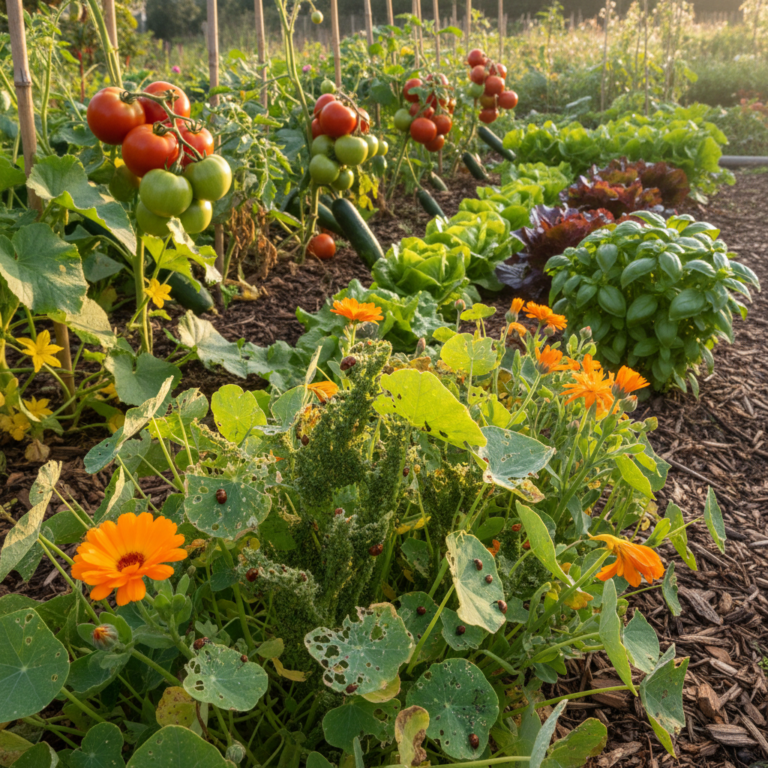
Sun-to-shade gradients: Start with sun-lovers like tomatoes and peppers, transition through partial-shade tolerant plants like chard and kale, and finish with shade plants like hostas or ferns.
Open-to-protected areas: Use the wind protection that structures provide. Plant tender herbs and vegetables in the protected zones while using hardy plants as windbreaks on the exposed side.
Remember that edge zones often have different soil conditions too. Areas near structures might have different pH levels or drainage patterns that affect plant selection.
Creating Microclimates Within Your Edge Zones
You can actively enhance your edge zones by creating additional microclimates within them. This technique doubles down on the productivity potential of these transition areas.
Add thermal mass: Place rocks, water containers, or concrete blocks in your edge zones to store and release heat. This extends your growing season and creates warm pockets for heat-loving plants.
Modify drainage: Create slight berms or depressions to direct water flow and create varying moisture levels within the same edge zone. This allows you to grow both water-loving and drought-tolerant plants in close proximity.
Use reflective surfaces: Light-colored stones or walls can bounce additional light into partially shaded edge zones, expanding your options for sun-loving crops.
These microclimate modifications work especially well when combined with a systematic approach to microclimate-aware planting throughout your garden.
Maintenance and Management of Edge Zone Gardens
Edge zones require slightly different maintenance approaches than traditional garden beds. The key is working with their natural tendencies rather than fighting against them.
Embrace gradual transitions: Don’t try to create sharp boundaries in your edge zones. Allow plants to naturally intermingle and create soft transitions between different areas.
Monitor moisture needs carefully: Edge zones often have variable water requirements within the same space. Use targeted watering techniques rather than uniform irrigation.
Practice selective harvesting: Some edge zone plants might be ornamental while others are productive. Harvest strategically to maintain the aesthetic and functional balance.
Regular observation helps you fine-tune your edge zone management as the plants establish and mature.
Common Edge Zone Mistakes to Avoid
While edge zones offer tremendous potential, there are several common pitfalls that can limit their productivity:
Over-designing: Edge zones work best when they feel natural. Avoid overly complex designs that look forced or require excessive maintenance.
Ignoring soil transitions: The soil in edge zones often differs from adjacent areas. Test and amend appropriately rather than assuming uniform conditions.
Planting too densely: Edge zones benefit from good air circulation. Avoid cramming too many plants into these transition spaces.
Neglecting seasonal changes: Edge zones experience more dramatic seasonal variations than main beds. Plan for these changes when selecting and placing plants.
Success with edge zones comes from patient observation and gradual refinement rather than trying to perfect everything immediately.
Expanding Your Growing Season With Edge Zones
One of the greatest benefits of well-designed edge zones is their ability to extend your growing season. These transition areas often provide protection that allows you to start earlier and grow later than in exposed main beds.
Protected edge zones can serve as nursery areas for starting seedlings before transplanting to main beds. They also provide refuge for tender perennials that might struggle in more exposed locations.
By thoughtfully developing your edge zones, you’re not just adding growing space – you’re creating a more resilient and productive garden ecosystem. These transition areas become the connective tissue that helps your entire garden function as a cohesive, productive system.
Start small with one edge zone this season, observe how it performs, and gradually expand your edge zone gardening as your confidence grows. You’ll be amazed at how much additional productivity you can squeeze from these overlooked spaces.