Plant Guilds: Building Garden Communities That Thrive
Imagine your garden as a bustling neighborhood where every plant has a role to play. Welcome to the world of plant guilds – carefully designed communities where each species supports its neighbors through natural partnerships. Instead of planting in isolation, you’re creating an ecosystem where plants share nutrients, defend against pests, and create beneficial microclimates for one another.
This approach transforms your garden from a collection of individual plants into a thriving, self-sustaining community. Let’s explore how to build these powerful partnerships in your own backyard.
Understanding Plant Guilds: Nature’s Perfect Partnerships
A plant guild mimics natural forest ecosystems where different species have evolved together over thousands of years. In your garden, this means strategically combining plants that benefit each other through complementary root systems, nutrient needs, and natural pest deterrence.
The magic happens underground and above ground simultaneously. Deep-rooted plants bring nutrients from lower soil layers, while shallow-rooted companions prevent erosion and conserve moisture. Meanwhile, some plants repel harmful insects while others attract beneficial pollinators and predators.
Think of it as nature’s version of a good neighborhood watch program – everyone looks out for everyone else.
The Science Behind Successful Plant Guilds
Plant guilds work because of three fundamental principles: resource sharing, complementary growth patterns, and mutual protection. Understanding these concepts helps you design communities that truly support each other.
Resource sharing occurs when plants with different nutrient needs grow together. Nitrogen-fixing legumes feed heavy feeders like tomatoes, while deep-rooted plants like comfrey bring minerals to the surface for shallow-rooted herbs.
Complementary growth patterns prevent competition. Tall plants provide shade for cool-season crops, while ground covers suppress weeds and retain soil moisture. Different root depths mean plants aren’t competing for the same soil space.
Mutual protection comes through natural pest control and disease prevention. Aromatic herbs confuse pest insects, while diverse plantings prevent the rapid spread of plant diseases.
Essential Guild Components for Every Garden Zone
Every successful plant guild needs five key players: a central anchor plant, nitrogen fixers, dynamic accumulators, pest deterrents, and ground covers. This combination creates a balanced ecosystem that functions with minimal outside inputs.
Your anchor plant is typically the largest – think fruit trees, berry bushes, or substantial perennials. This provides structure and defines your guild’s microclimate. Around this anchor, you’ll build your supporting cast.
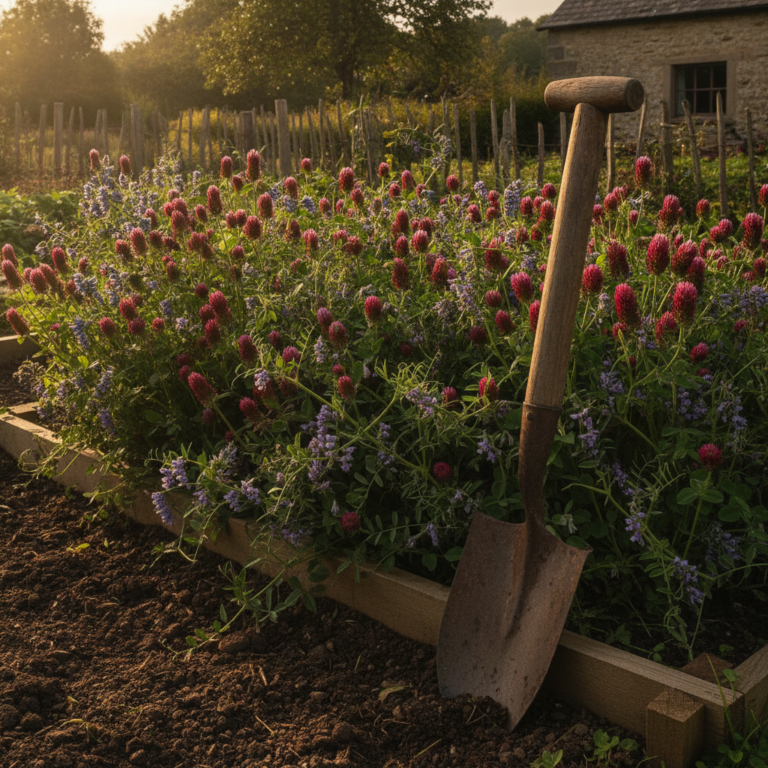
Nitrogen fixers like beans, peas, or clover add fertility to the soil naturally. Dynamic accumulators such as comfrey or dandelion bring deep nutrients to the surface through their extensive root systems.
Before you begin designing your guilds, it’s crucial to understand your soil conditions. Our guide on reading your soil without expensive lab tests will help you identify what your plants need most.
Proven Guild Combinations for Different Garden Areas
Let’s explore specific plant guilds that work beautifully in different garden zones. These tested combinations will give you a solid foundation for building your own plant communities.
The Classic Fruit Tree Guild
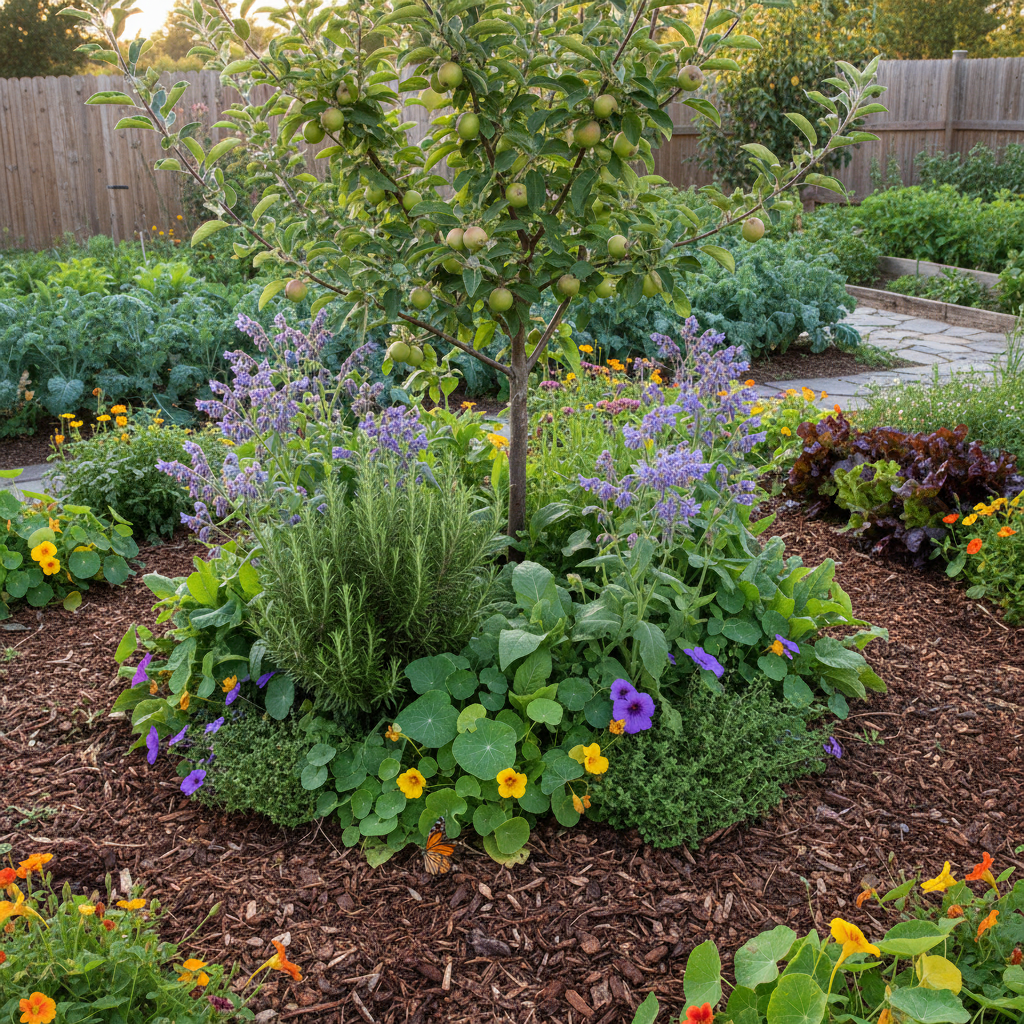
Center your guild around an apple or pear tree. Plant comfrey and chives in a circle beneath the canopy for pest control and nutrient accumulation. Add nasturtiums as ground cover – they trap aphids and their flowers are edible.
Include nitrogen-fixing clover or vetch to feed the tree naturally. Plant daffodils around the perimeter to deter rodents, and consider adding herbs like rosemary or thyme for additional pest protection.
The Three Sisters Plus Guild
Build on the traditional corn-beans-squash combination by adding sunflowers as additional support for climbing beans. Plant marigolds throughout for pest control, and include borage to attract beneficial insects.
Add a ring of nasturtiums around the outside to trap cucumber beetles and provide additional ground cover. This expanded guild creates a more robust ecosystem than the basic three sisters alone.
The Mediterranean Herb Guild
Perfect for sunny, well-drained areas, this guild centers around a rosemary bush with thyme, oregano, and sage planted nearby. Add lavender for beneficial insect habitat and natural pest deterrence.
Include Mediterranean vegetables like tomatoes and peppers, which thrive in the aromatic environment. Plant calendula as a ground cover – it attracts beneficial insects while providing edible flowers.
For gardeners working with limited space, our microforest planning guide shows how to create layered plant communities even in small gardens.
Troubleshooting When Plant Guilds Struggle
Not every plant partnership works perfectly from the start. Recognizing common problems early helps you adjust your guilds before minor issues become major failures.
Competition for light is the most frequent problem. If smaller plants are struggling, you may need to prune your anchor plant or relocate shade-sensitive species to the guild’s edges.
Nutrient competition occurs when plants with similar feeding habits are planted too closely. Heavy feeders like tomatoes and corn shouldn’t compete directly – separate them with nitrogen-fixers or light feeders instead.
Allelopathy – when some plants inhibit others through chemical compounds – can cause mysterious plant failures. Black walnut trees are famous for this, but even some herbs can inhibit nearby vegetables if planted too densely.
Signs Your Guild Needs Adjustment
Watch for stunted growth, yellowing leaves, or poor fruit production despite adequate water and nutrients. These symptoms often indicate competition or allelopathic issues within your guild.
Increased pest problems can signal that your guild lacks sufficient diversity or beneficial insect habitat. Add more flowering plants or aromatic herbs to restore balance.
If certain plants consistently underperform while others thrive, consider their microclimate needs. Some plants may need relocation to areas with different sun, wind, or moisture conditions.
Understanding and managing your garden’s microclimates is essential for guild success. Our comprehensive 30-day microclimate planning guide will help you match plants to their ideal growing conditions.
Seasonal Management of Your Plant Guilds
Plant guilds are dynamic systems that change throughout the growing season. Successful management means understanding these seasonal rhythms and working with them rather than against them.
Spring brings rapid growth and high nutrient demand. This is when nitrogen-fixers like peas and beans are most valuable to their companions. Ensure adequate water during establishment, but avoid overwatering which can encourage fungal problems.
Summer requires attention to water management and pest monitoring. Mulch around your guilds to conserve moisture and suppress weeds. Harvest herbs regularly to prevent them from overwhelming smaller companions.
Fall is harvest time and preparation for next year. Leave some plant material to decompose in place, adding organic matter to the soil. Remove diseased plants completely, but healthy plant debris can stay to feed soil organisms.
Winter planning time lets you evaluate what worked and what didn’t. Take notes on plant performance, pest issues, and yield results. This information guides improvements for the following year.
Building Your First Plant Guild: A Step-by-Step Approach
Starting your first plant guild doesn’t require extensive experience – just careful observation and willingness to learn. Begin small with proven combinations, then expand as you gain confidence and understanding.
Choose your location based on existing conditions rather than trying to dramatically alter your site. Work with your soil type, sun exposure, and water availability rather than fighting against them.
Select your anchor plant first, considering its mature size and basic needs. This decision determines everything else about your guild, so choose something you really want to grow and will enjoy caring for.
Add supporting plants gradually over 1-2 seasons. This allows you to observe interactions and make adjustments before the guild becomes too established to modify easily.
Remember that building plant guilds is a skill that develops over time. Consider starting with our beginner-friendly garden planning approach if you’re new to gardening altogether.
Plant guilds represent gardening at its most elegant – working with natural systems to create beautiful, productive spaces that require less input while providing more benefits. Start small, observe carefully, and enjoy watching your garden transform into a thriving community where every plant has a purpose and a place.