Green Manure Crops: The Plow-Under Secret
Long before a bag of synthetic nitrogen ever sat on a store shelf, farmers already knew how to feed hungry soil. They grew green manure crops — specific plants chosen not for eating, but for burying. Chop them down at just the right moment, dig them in, and watch your soil transform over the following weeks. It sounds almost too simple. But this forgotten rotation trick is one of the most powerful, low-cost soil-building techniques ever practiced — and most home gardeners have never heard of it.
If you’ve been relying on bagged compost or synthetic fertilizers and still feel like your garden is just getting by, this post is for you. Let’s dig into what green manure crops are, which ones work best, how to time the cut-and-bury for maximum impact, and how to build a practical calendar you can start using this very season.
What Are Green Manure Crops — And Why Did We Forget Them?
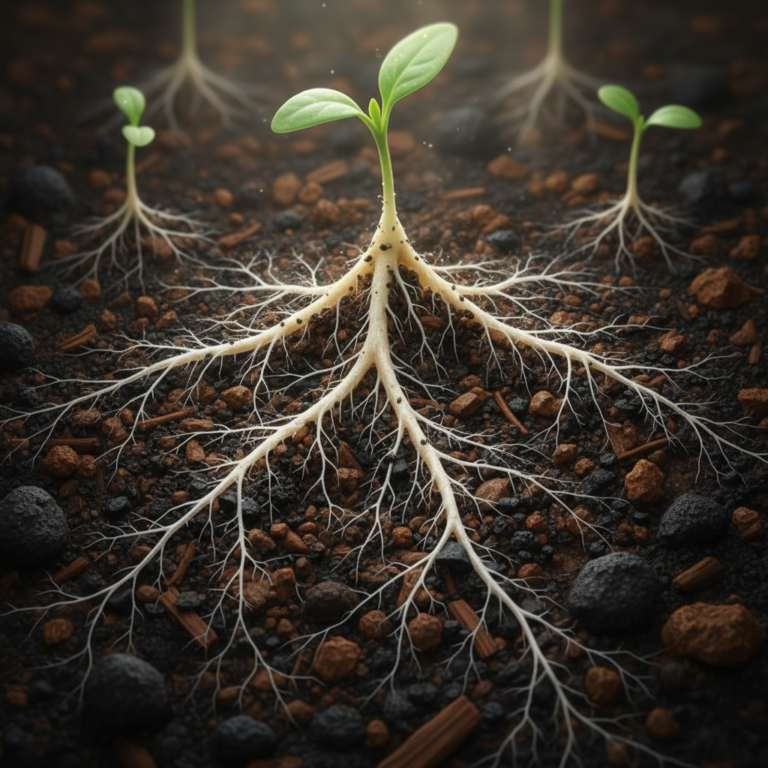
A green manure crop is any plant grown specifically to be incorporated back into the soil while it’s still green and actively growing. Unlike dried compost or granular fertilizers, you’re burying living organic matter — complete with root systems, microbial communities, and compounds that activate soil biology in ways no bottle can replicate.
Farmers used this technique for thousands of years. Ancient Roman writers described it. Medieval European peasants rotated fields in and out of legume cover crops. American homesteaders planted buckwheat and clover between harvest and spring planting. Then synthetic nitrogen arrived in the 20th century, and overnight, these old methods got shelved. Fast. Efficient. Cheap — at least at first.
But here’s what got lost: synthetic fertilizers feed plants, not soil. Green manure crops feed the entire underground ecosystem — bacteria, fungi, earthworms, and the slow biological processes that create lasting fertility. They’re not a quick fix. They’re a long game, and the long game wins.
If you’re still figuring out what your soil is actually telling you, start with Soil Sense Without the Lab: Read Your Dirt, Fix It Fast — it’ll help you assess exactly what your garden needs before you choose your green manure plants.
The Best Green Manure Crops for Home Gardens
Not every plant makes a great green manure. The best ones fall into two broad categories: nitrogen-fixers (legumes) and biomass builders (fast-growing grasses and broadleaves). Most experienced gardeners use a combination of both.
Nitrogen-Fixing Legumes
These are the heavy hitters. Legumes host bacteria in their root nodules that pull nitrogen directly from the air and fix it into the soil. When you bury the plant, all that stored nitrogen releases into the root zone.
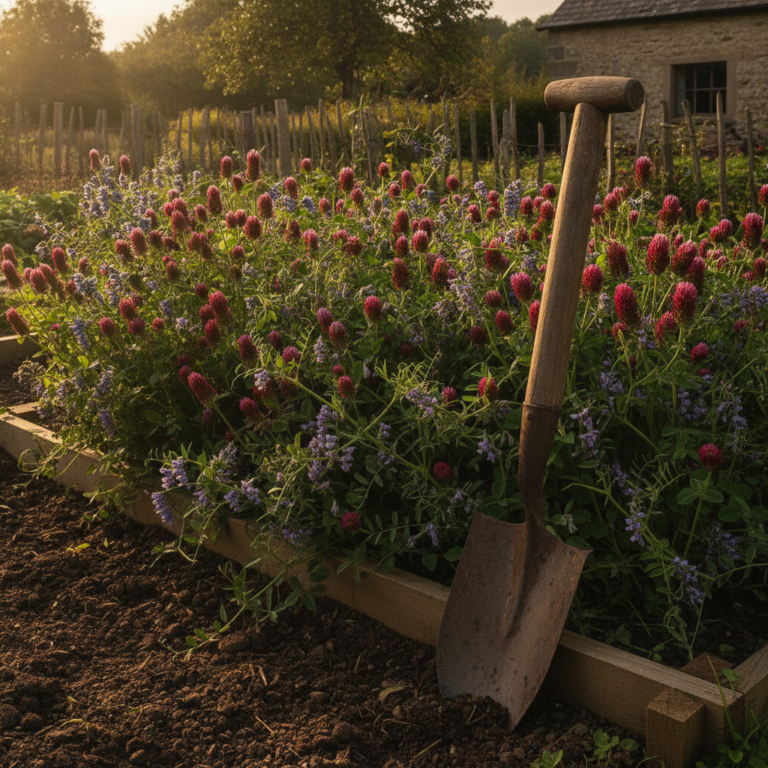
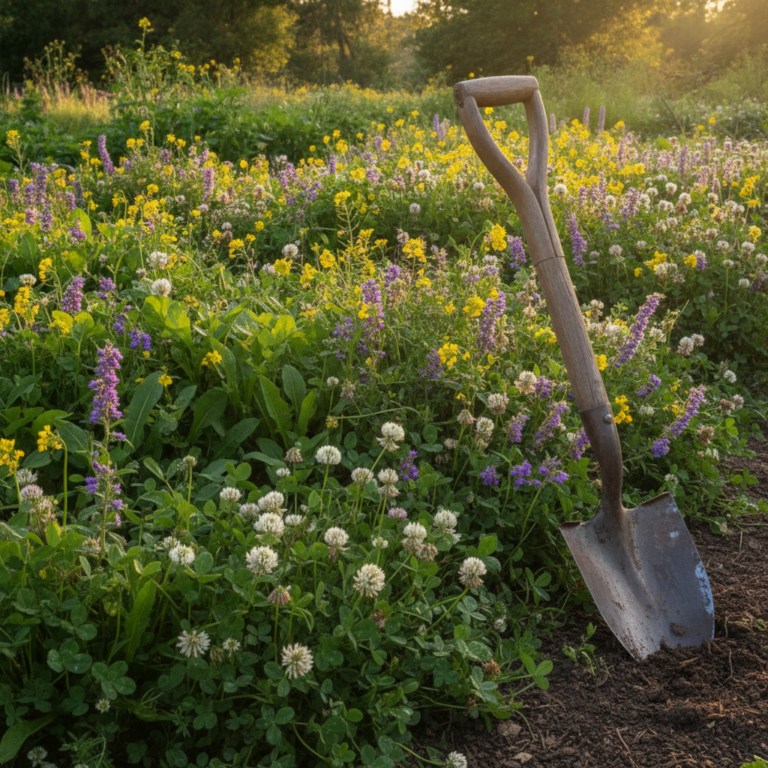
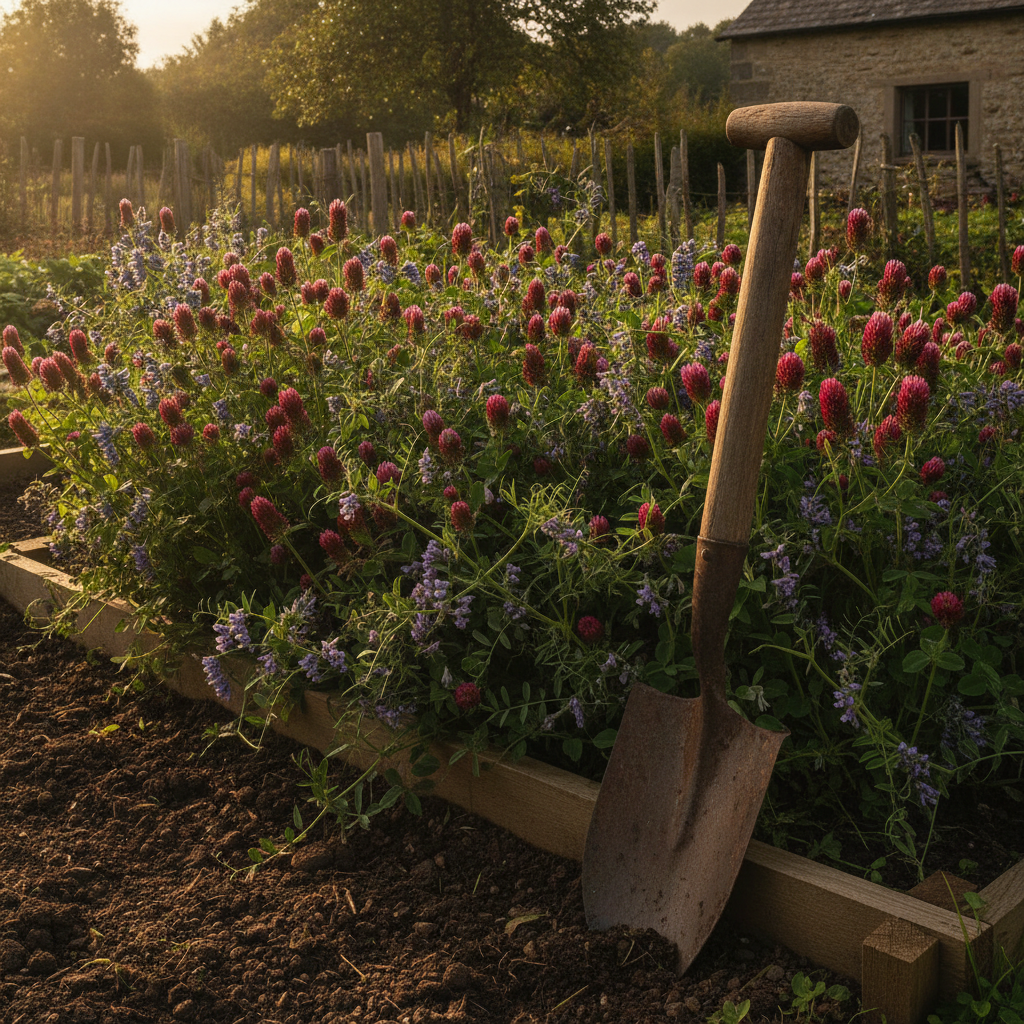
- Crimson Clover — Fast-growing, cold-tolerant, and beautiful. Fixes up to 150 lbs of nitrogen per acre. Works in both spring and fall plantings.
- Hairy Vetch — One of the hardiest nitrogen-fixers available. Survives hard frosts and produces enormous biomass. Excellent before hungry crops like corn or squash.
- Field Peas — Fast to establish, easy to turn under. Great for early spring green manure before summer plantings.
- Fenugreek — An older choice, almost completely forgotten. Fixes nitrogen, suppresses weeds, and breaks down quickly.
- Winter Beans (Fava Beans) — A traditional fall-planted green manure across Europe. Deep roots, excellent nitrogen fixation, and the bonus of edible beans if you let a few go to harvest.
Biomass Builders
These plants don’t fix nitrogen, but they produce large volumes of organic matter that feed soil fungi and bacteria, improve structure, and help retain moisture.
- Winter Rye — The workhorse of green manures. Grows fast, survives cold, produces deep fibrous roots that break up compaction.
- Buckwheat — A summer superstar. Grows so fast it smothers weeds, attracts pollinators, and breaks down quickly after turning. Matures in just 30–40 days.
- Phacelia — Almost unknown outside of Europe. Soft, easy to dig in, decomposes rapidly, and beloved by bees.
- Mustard — A double-duty plant. Builds organic matter and acts as a mild biofumigant, suppressing soil-borne pathogens when plowed under.
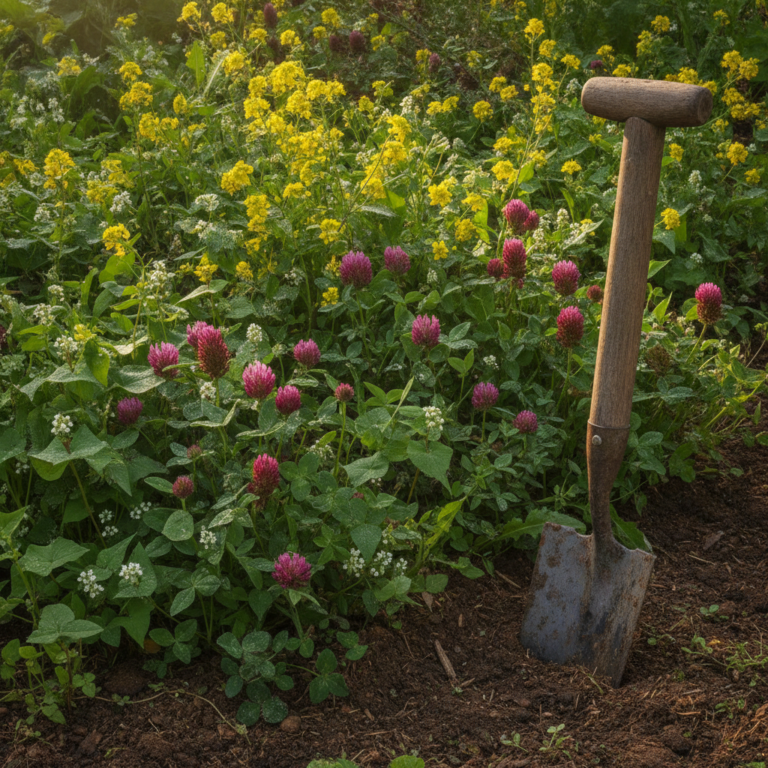
Mixing a legume with a biomass builder — like hairy vetch with winter rye — gives you both nitrogen and structure in one planting. This combination is sometimes called a “cocktail cover crop,” and it’s one of the most effective things you can put in a resting bed.
Timing the Cut-and-Bury for Maximum Nitrogen Release
Here’s where most beginners go wrong. They either turn the crop under too early (before enough biomass has built up) or too late (after it’s gone to seed and started to get woody). Timing is everything with green manure crops.
The golden rule: turn the crop under just as it begins to flower — not after. At flowering, the plant is at peak nitrogen content. The stems are still soft. Decomposition happens fast. Wait until after flowering and the carbon-to-nitrogen ratio shifts — decomposition slows, and the soil may actually tie up nitrogen temporarily rather than releasing it.
Here’s a practical timing guide:
- Buckwheat: Turn under 30–35 days after sowing, just as the first flowers open.
- Crimson Clover: Turn under when 25–50% of blooms have opened.
- Hairy Vetch: Turn under at early to full bloom, before pods form.
- Winter Rye: Turn under in spring when stems are still soft — before the seed head emerges.
- Field Peas: Turn under when the first flowers appear.
After turning, wait two to four weeks before planting your main crop. This gives the green material time to break down and prevents nitrogen from being locked up in the decomposition process. Warmer soil speeds this up. Cooler, damp soil slows it down.
Want to track these timing windows alongside everything else happening in your garden? Field Notes to Flourishing: Templates and Prompts to Track Growth, Mistakes, and Milestones has the tools to keep your records sharp season after season.
A Practical Green Manure Planting Calendar
The beauty of green manure crops is that they slot into the gaps your main crops leave behind. Every empty bed is an opportunity. Here’s a simple seasonal calendar you can adapt to your climate:
Spring (March–May)
As soon as soil can be worked, sow field peas or phacelia into empty beds. These establish quickly in cool soil. Turn them under in 6–8 weeks, then wait two to three weeks before transplanting summer crops.
Early Summer (May–June)
After harvesting spring brassicas or root vegetables, sow buckwheat immediately. It germinates in days, outcompetes weeds, and is ready to turn under in just over a month. Perfect before planting fall brassicas or leeks.
Late Summer (July–August)
Sow crimson clover or a vetch-rye mix into beds that will rest over winter. These crops establish in late summer warmth, survive frost, and fix nitrogen all the way through autumn.
Fall (September–October)
Broadcast winter rye or hairy vetch across any beds you won’t plant until late spring. These plants protect bare soil from erosion, reduce weed pressure, and break down beautifully when turned under the following April.
Winter (November–February)
In mild climates, fava beans can go in now for a spring green manure. In colder zones, use this time to plan and source seed for your first spring sowing. Many heritage seed companies carry green manure mixes — look for ones suited to your USDA hardiness zone.
For help aligning your green manure timing with the specific microclimates in your garden space, check out Climate-Proof Your Crops: A 30-Day, Microclimate-Aware Planting Plan.
Why Green Manure Crops Outperform Most Store-Bought Conditioners
Let’s be direct about this. A bag of granular fertilizer delivers a narrow range of nutrients in a soluble, quickly absorbed form. It works fast. But it doesn’t build anything. It doesn’t add structure, feed fungi, or support the slow biological processes that create genuinely fertile soil.
Green manure crops do all of that — and more:
- They add living organic matter, not just nutrients. This feeds the full soil food web.
- They improve soil structure. Deep roots break compaction and create channels for water and air.
- They suppress weeds during the growing period, reducing your workload.
- They protect bare soil from rain compaction and erosion between plantings.
- They’re essentially free. A packet of clover seed costs almost nothing and covers a large area.
Over two to three seasons of consistent green manuring, most home gardeners notice a dramatic shift in soil texture, drainage, and crop health. This is the compound interest of good soil practice. The more you put in, the more you get back — season after season.
If you’re just starting to build these kinds of layered, long-term garden habits, Layered Learning: A Gardener’s Progressive System That Grows with You is a great companion resource.
Getting Started This Season
You don’t need to overhaul your entire garden to start using green manure crops. Pick one empty bed — or one section that won’t be planted for the next six to eight weeks — and try a single green manure planting. Buckwheat in summer or field peas in spring are the easiest entry points.
Broadcast the seed, rake it in lightly, water if the soil is dry, and then watch. In a week you’ll have germination. In a month you’ll have a lush, living bed. And when you turn it under at first flower, you’ll feel that quiet satisfaction of doing something your great-grandparents understood perfectly well: that the best fertilizer is the one you grow yourself.
The soil beneath your feet is not just dirt. It’s a living system that rewards patience, observation, and old-fashioned wisdom. Green manure crops are one of the clearest expressions of that wisdom — buried just below the surface, waiting to be rediscovered.