Green Manure Crops: The Plow-Under Secret
Long before synthetic nitrogen came in a plastic bag, farmers already knew how to feed their soil. They grew green manure crops — specific plants raised not to eat, but to chop down and bury. The decomposing roots and stems fed billions of soil microbes, released plant-available nitrogen, and rebuilt organic matter in a single season. It was elegant, free, and it worked. This forgotten technique is one of the most powerful tools you can add to your garden right now — and you can start this season.
What Are Green Manure Crops, Exactly?
A green manure crop is any plant grown specifically to be cut and dug back into the soil before it sets seed. The plant’s job is to feed the ground, not the table.
This is different from simply leaving dead plant material on the surface. With green manures, you incorporate fresh, nitrogen-rich organic matter directly into the root zone. Soil microbes get to work immediately. Nutrients release gradually, right where growing roots can find them.
Farmers once rotated green manures through every field on a schedule. Each crop had a purpose. Some fixed nitrogen from the air. Others broke up compaction with deep taproots. A few suppressed weeds so aggressively that nothing else got a foothold.
Modern gardeners rediscovering this method often report results that surprise them. Soil that was pale and sandy becomes dark and crumbly within two seasons. Vegetable yields improve without a single bag of fertilizer. If you are already working on reading your soil and fixing what you find, take a look at Soil Sense Without the Lab: Read Your Dirt, Fix It Fast — it pairs perfectly with a green manure plan.
The Best Green Manure Crops for Home Gardens
Not every cover crop works equally well as a green manure. The best choices decompose quickly, fix nitrogen, and are easy to manage in a small space. Here are the top performers.
Crimson Clover
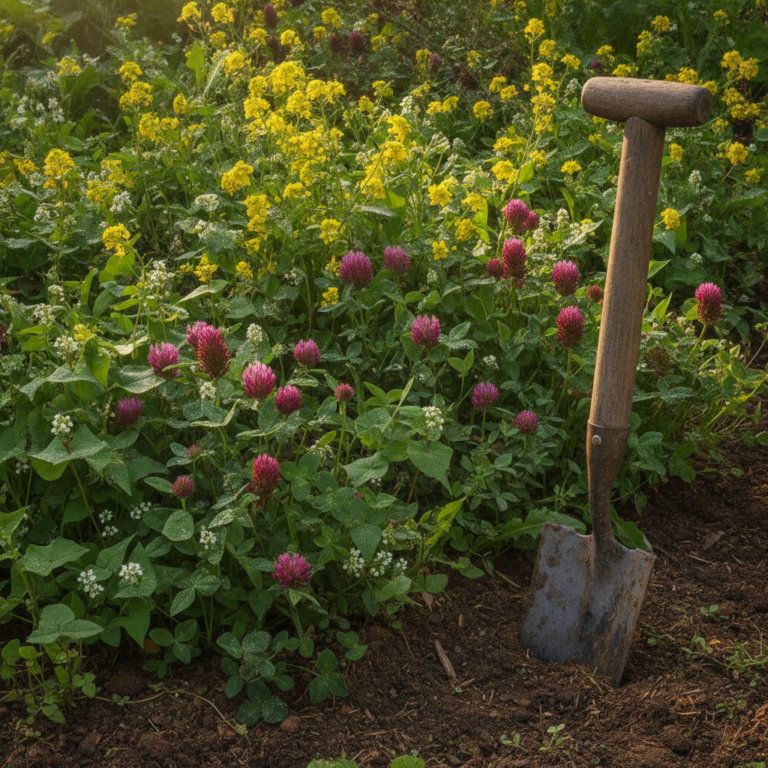
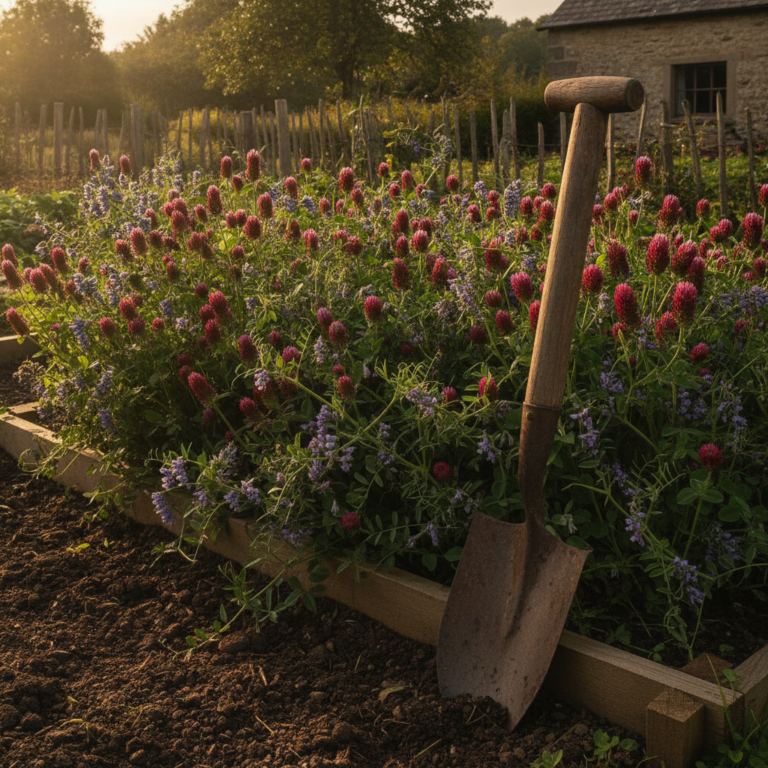
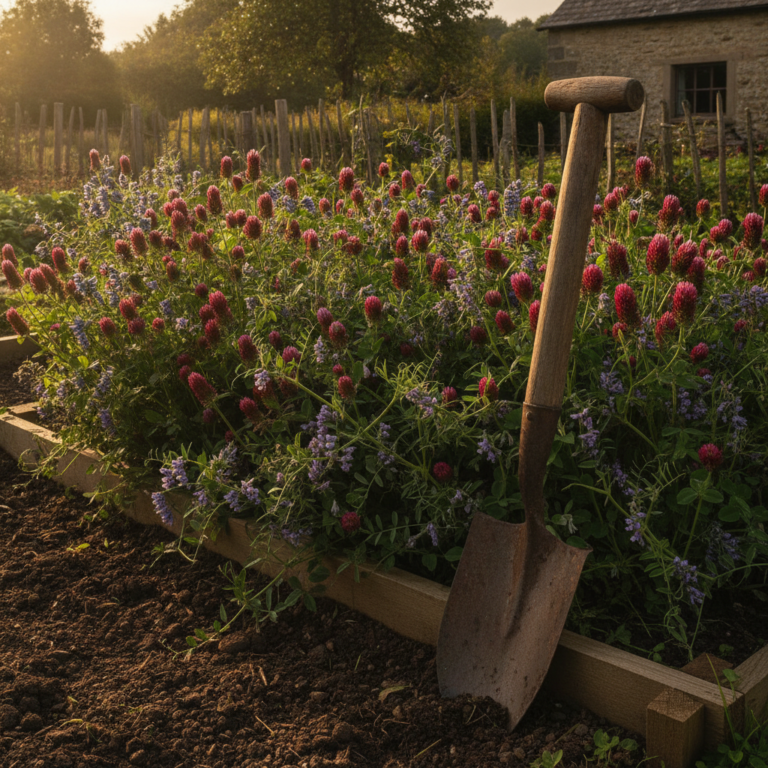
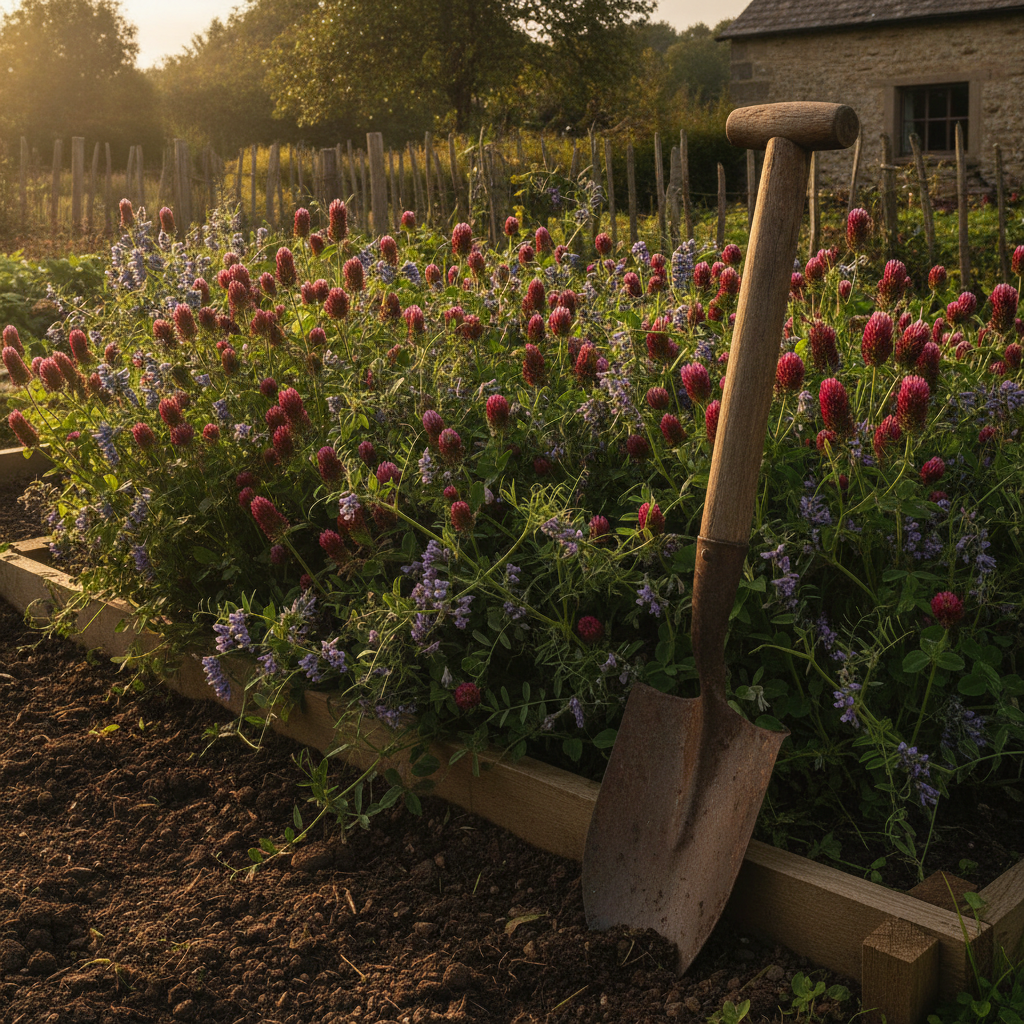
Crimson clover is one of the most reliable nitrogen-fixers a gardener can grow. It works with soil bacteria called rhizobia to pull nitrogen from the air and deposit it in root nodules. When you turn it under, those nodules break down and release that nitrogen into the soil.
Sow crimson clover in early spring or late summer. It germinates quickly and grows fast. Turn it under just as flowers begin to open — that is the moment nitrogen content peaks in the plant tissue.
Fava Beans
Fava beans are a powerhouse green manure and one of the oldest cover crops in human history. They fix impressive amounts of nitrogen and produce heavy biomass that feeds soil microbes for weeks after incorporation.
Plant favas in autumn for a spring turn-under, or in early spring as soon as the soil can be worked. Chop them down before pods fully form. The soft stems break down within two to three weeks in warm soil.
Buckwheat
Buckwheat is a warm-season green manure that grows almost anywhere. It is not a nitrogen-fixer, but it releases phosphorus from the soil in forms plants can use — a genuinely valuable trade. Its dense canopy smothers weeds effectively.
Buckwheat matures quickly, often in just five to six weeks. Turn it under before flowers fade. It breaks down fast and you can plant into the bed within ten days.
Winter Rye
Winter rye is the workhorse of cool-season green manures. It builds enormous root mass, adds significant organic matter, and outcompetes virtually every winter weed. The fibrous roots improve soil structure measurably.
Sow winter rye in autumn after your main crops finish. Let it grow all winter. Turn it under four weeks before you want to plant. The high carbon content means it needs extra time to break down fully.
Mustard
Mustard deserves special mention because it acts as a natural soil fumigant. Its decomposing tissue releases compounds that suppress soil-borne fungi and nematodes — a trick old-time farmers used where disease pressure was high.
Grow mustard in late summer. Turn it under while still green and moist. The fumigant effect is strongest when you can seal the bed with plastic sheeting for one to two weeks after incorporation.
Timing the Cut-and-Dig for Maximum Nitrogen
Timing is everything with green manure crops. Cut too early and you lose biomass. Cut too late and the plant ties up nitrogen in woody stems instead of releasing it.
The golden rule is straightforward: turn green manures under at early flower stage. This is the moment when the plant is at peak nitrogen content and the tissue is still soft enough to break down rapidly. Flowering signals that the plant has reached its biological peak — it has captured as much nitrogen and energy as it will ever hold.
After chopping the plants down, dig or till them into the top six to eight inches of soil. Then wait. Most soft-stemmed green manures need two to four weeks to break down sufficiently before you plant into that bed. For high-carbon crops like winter rye, allow four weeks minimum.
If waiting feels frustrating, use the time wisely. Plan your next planting sequence, map out your garden’s microclimates, or consult a resource like Climate-Proof Your Crops: A 30-Day, Microclimate–Aware Planting Plan to make the most of the beds that are already ready.
Why Green Manure Outperforms Most Store-Bought Amendments
Bagged fertilizers deliver a targeted nutrient hit. Green manure crops do something far more complex and lasting.
When you turn fresh plant material into the soil, you feed the entire soil food web — bacteria, fungi, earthworms, beetles, protozoa. Each organism processes the organic matter and releases nutrients in forms plants can absorb slowly and steadily. There is no flush-and-crash cycle the way there can be with soluble fertilizers.
Green manures also physically improve soil structure. Root channels left behind after decomposition become aeration pathways. Microbial activity around decomposing stems cements soil particles into aggregates — the crumbly texture that means healthy, well-draining soil.
Additionally, the cost is nearly zero. A small packet of clover seed covers an entire garden bed. You grow it, you bury it, and the bed feeds itself. That is a return on investment that no bag of amendment can match across multiple seasons.
A Practical Green Manure Planting Calendar
Use this seasonal calendar to integrate green manure crops into your existing rotation. Adjust timing by two to four weeks depending on your climate zone.
Early Spring (March–April)
- Sow fava beans or crimson clover in empty beds as soon as soil reaches 40°F.
- These crops fix nitrogen through cool weather and are ready to turn under by late May.
Late Spring / Early Summer (May–June)
- After turning under spring green manures, wait two to three weeks, then plant your main summer crops.
- Use buckwheat as a quick gap-filler in any bed that won’t be planted until midsummer.
Midsummer (July–August)
- Sow buckwheat in any bed that finishes its spring crop early. Turn it under in five to six weeks.
- Follow with a late summer sowing of crimson clover or mustard where disease pressure is a concern.
Late Summer / Autumn (August–October)
- Sow winter rye or a clover-rye mix after clearing summer crops.
- Let this stand all winter as a living mulch and soil builder.
Winter (November–February)
- Winter rye grows slowly through cold months, protecting soil from erosion and compaction.
- Plan your spring rotation now. Decide which beds will receive turned green manure and which will be planted directly.
If you are newer to seasonal planning, the Garden Storylines: A Month-by-Month Narrative Approach to Grower Growth is an excellent companion resource for building this kind of rhythm into your gardening year.
Getting Started This Season
You do not need a large garden or special equipment to begin. A single raised bed or a four-by-eight-foot patch of ground is enough to run your first green manure experiment.
Pick one crop from the list above that matches your current season. Order a small amount of seed — crimson clover or buckwheat are easiest for first-timers. Prepare your bed, scatter the seed, water it in, and watch what happens over the next four to six weeks.
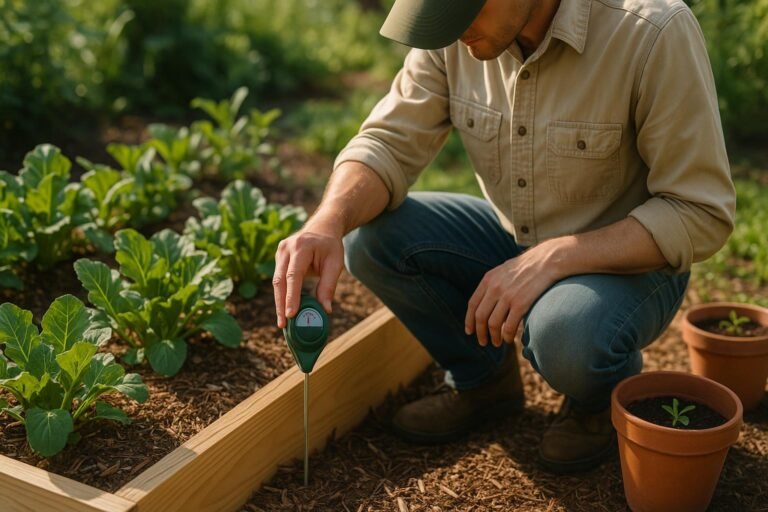
Pay attention to how your soil looks and smells before and after. Notice the earthworm activity near the decomposing plant material. Keep a few notes about what you observe. Tracking small experiments like this builds the kind of instinctive soil knowledge that no book fully teaches — and if you want a structured way to capture those observations, Field Notes to Flourishing: Templates and Prompts to Track Growth, Mistakes, and Milestones gives you a ready-made system to do exactly that.
Green manure crops are one of those techniques that reward patient observation. The first season you use them, you will be impressed. By the third season, you will wonder how you ever gardened without them. Your grandparents likely took this knowledge for granted. Now it is yours again.