Rock Dust Alchemy: Remineralize Soil the Old Way
Your great-grandfather’s soil was alive with minerals that today’s chemical fertilizers have stripped away. While modern agriculture focuses on just three nutrients (N-P-K), rock dust provides the full spectrum of trace minerals that plants crave. This ancient practice of remineralizing soil with ground stone is making a comeback among gardeners who want to rebuild what decades of synthetic inputs have depleted.
Rock dust isn’t just another garden amendment-it’s a return to how soil naturally renews itself through geological weathering. When you sprinkle granite, basalt, or volcanic rock powders into your beds, you’re mimicking processes that have fed forests for millennia.
Why Your Soil Craves Rock Dust Minerals
Chemical fertilizers create a dependency cycle. They flood plants with readily available nutrients while gradually depleting the soil’s natural mineral reserves. Meanwhile, continuous cropping without mineral replacement leaves your dirt nutritionally bankrupt.
Traditional farmers understood this balance. They crushed local stone and worked it into their fields, knowing that slow-release minerals would feed crops for years. This wasn’t just folk wisdom-it was practical soil science passed down through generations.
Rock dust works differently than synthetic fertilizers. Instead of quick fixes, it provides sustained nutrition as minerals slowly weather and become plant-available. This gradual release prevents the boom-and-bust cycles that synthetic inputs create.
The Missing Minerals in Modern Soil
Commercial fertilizers supply nitrogen, phosphorus, and potassium. But plants need over 60 trace minerals for optimal health. Without these micronutrients, crops become vulnerable to pests, diseases, and environmental stress.
Rock dust fills these gaps naturally. It contains calcium, magnesium, iron, zinc, manganese, and dozens of other elements that synthetic fertilizers ignore. These minerals strengthen plant cell walls, boost immune systems, and improve nutrient density in your harvest.
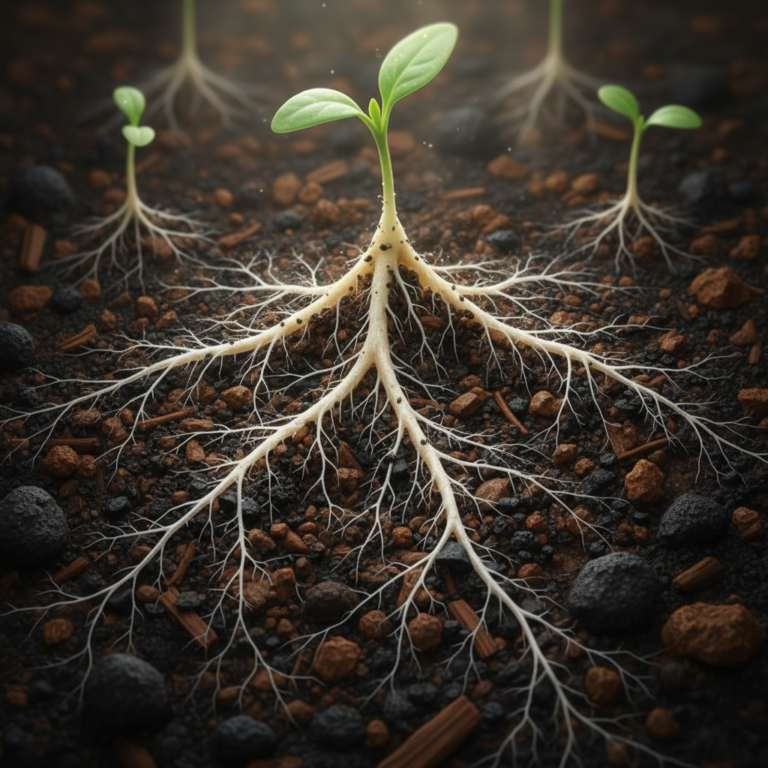
Furthermore, mineral-rich soil supports beneficial microorganisms. These soil bacteria and fungi break down rock particles, making nutrients available to plants while building soil structure. It’s a self-sustaining system that chemical inputs can’t replicate.
Granite, Basalt, and Volcanic Rock Dust: Your Mineral Arsenal
Not all rock dust is created equal. Different stone types provide different mineral profiles, and understanding these differences helps you choose the right amendment for your soil and crops.
Granite Dust: The Slow-Release Powerhouse
Granite dust is the most common rock dust, rich in potassium, feldspar, and trace minerals. It breaks down slowly, providing sustained nutrition over 3-5 years. This makes granite dust perfect for long-term soil building and perennial crops.
Use granite dust on heavy clay soils to improve drainage and add minerals. It also works well around fruit trees and berry bushes that benefit from steady, long-term nutrition. Apply 5-10 pounds per 1000 square feet in spring or fall.
Basalt Dust: The Mineral-Dense Champion
Basalt rock dust offers the richest mineral profile of all stone amendments. Formed from cooled volcanic lava, basalt contains high levels of iron, magnesium, calcium, and over 40 trace minerals that plants need.
This powerhouse amendment works especially well on sandy soils that drain too quickly. Basalt’s fine particles help retain moisture while slowly releasing minerals. It’s also excellent for vegetable gardens where you want maximum nutrition density in your crops.
Volcanic Rock Dust: The pH Balancer
Volcanic ash and pumice dust provide unique benefits for acidic soils. These materials naturally raise soil pH while adding silica, potassium, and trace minerals. The porous structure also improves soil aeration and water retention.
Volcanic rock dust works wonderfully in regions with naturally acidic soil. It’s also beneficial for container gardening where you need lightweight amendments that won’t compact over time.
Matching Rock Dust to Your Soil Type
Success with rock dust depends on understanding your soil’s current condition. Just as you wouldn’t use the same medicine for every ailment, different soils need different mineral treatments.
Before adding any rock dust, test your soil’s pH and basic nutrient levels. This baseline helps you choose the right stone amendment and application rate. You can learn more about reading your soil’s needs in our guide on soil diagnostics without expensive lab tests.
Clay Soils: Choose Granite for Drainage
Heavy clay soils benefit most from granite dust. Its coarse particles help break up compacted soil while adding slow-release potassium. The improved drainage prevents waterlogging while the minerals feed plants gradually.
Apply granite dust in fall so winter freeze-thaw cycles can work it into the clay structure. Combine it with compost for faster results and better soil biology.
Sandy Soils: Pick Basalt for Retention
Sandy soils drain too quickly and leach nutrients rapidly. Basalt dust’s fine particles help retain both water and minerals. Its rich mineral content also provides the trace elements that sandy soils typically lack.
Work basalt dust into sandy beds in spring before planting. Its dark color also helps warm cool sandy soils earlier in the season.
Acidic Soils: Try Volcanic Rock for pH Balance
Acidic soils (pH below 6.0) benefit from volcanic rock dust’s natural alkalinity. It gradually raises pH while adding essential minerals that acid conditions often lock up.
Volcanic rock dust works particularly well in regions with high rainfall where soil pH tends to drop over time. It’s also excellent for blueberry patches that need specific pH levels.
Sourcing Rock Dust Affordably
Finding quality rock dust at reasonable prices requires knowing where to look. While garden centers carry small bags at premium prices, smarter gardeners source bulk quantities directly from suppliers.
Local Quarries: Your Best Value
Stone quarries often sell rock dust as a byproduct of their crushing operations. Call local granite, basalt, or volcanic rock quarries to ask about “rock fines” or “stone dust.” You’ll typically pay a fraction of retail garden center prices.
Many quarries sell by the ton or half-ton, making this option perfect for larger gardens or group purchases with neighbors. Some will even deliver for an additional fee.
Landscape Supply Yards
Landscape suppliers often carry various rock dusts for hardscaping projects. While more expensive than quarries, they usually offer smaller quantities and may have pre-bagged options.
These suppliers also tend to have consistent quality and can provide analysis sheets showing mineral content. This information helps you choose the right product for your specific needs.
Online Specialty Suppliers
Several online retailers specialize in organic gardening amendments, including rock dust. While shipping costs make this option more expensive, it’s often your only choice for specific types like azomite or glacier rock dust.
When sourcing online, specialty suppliers often provide detailed mineral analyses and application guides that help ensure success with your soil remineralization project.
Application Methods That Actually Work
Applying rock dust correctly makes the difference between success and disappointment. These minerals work slowly, so patience and proper technique are essential.
Timing Your Applications
Spring and fall are ideal times for rock dust applications. Spring applications feed growing plants throughout the season. Fall applications let winter weather begin breaking down particles before the next growing season.
Avoid applying rock dust to frozen ground or during droughts. Soil moisture helps particles integrate and begin the weathering process that releases minerals.
Integration Techniques
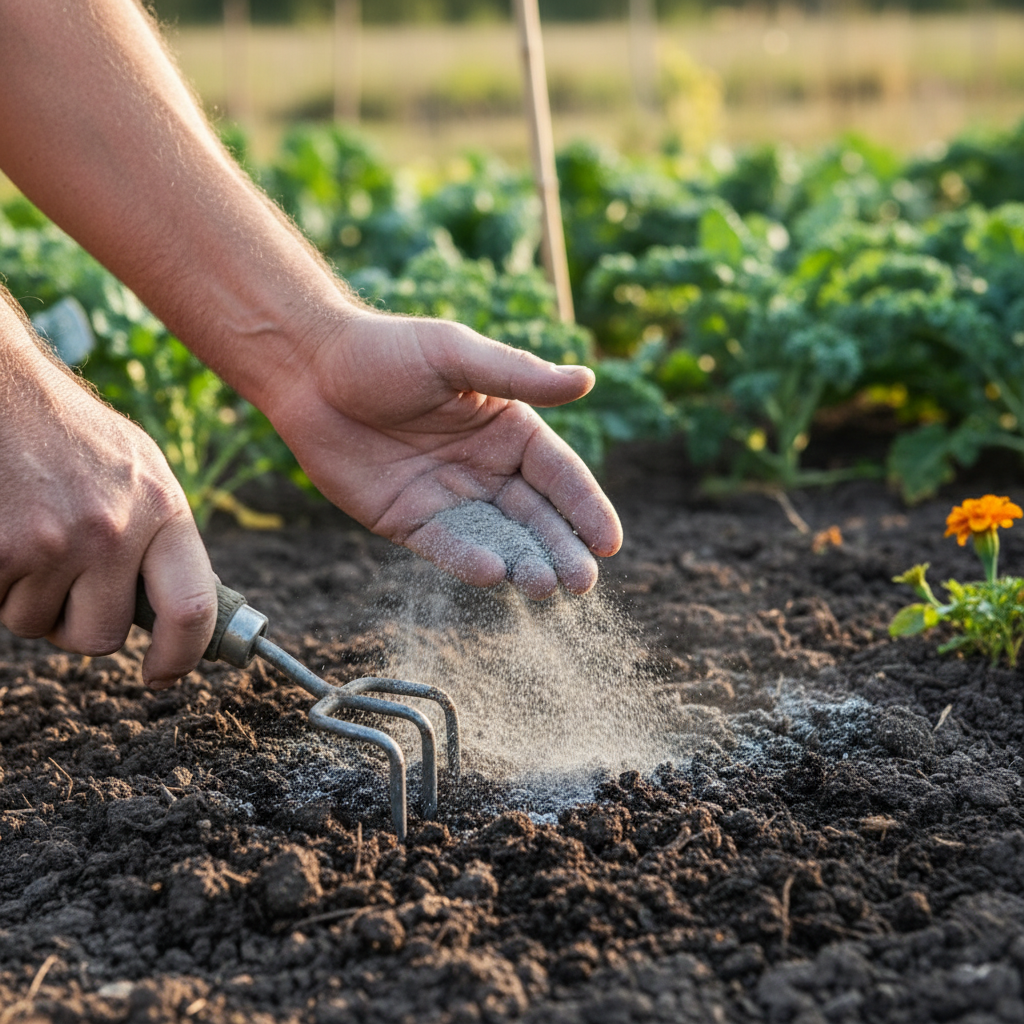
Simply sprinkling rock dust on the soil surface wastes most of its potential. Work it into the top 6-8 inches of soil where plant roots can access weathering minerals.
Combine rock dust applications with compost or organic matter. The biological activity in compost accelerates mineral weathering while improving soil structure. This combination mimics natural soil formation processes.
For established gardens, you can still apply rock dust effectively. Scratch it into mulch layers or work it into the soil around plants during regular cultivation. The key is getting particles in contact with soil moisture and biological activity.
Measuring Success in Your Soil
Rock dust works slowly, so don’t expect overnight transformations. However, several indicators show when your mineral supplementation is working.
Plant health improves gradually over 1-2 seasons. Look for stronger stems, better disease resistance, and improved stress tolerance. These changes indicate that trace minerals are strengthening plant cellular structure.
Soil biology also responds positively to mineral additions. Increased earthworm activity and better soil aggregation show that your soil ecosystem is becoming more balanced and active.
Most importantly, track your garden’s overall productivity and resilience. Well-mineralized soil produces more nutritious crops that store better and taste richer. This is the true payoff of returning to traditional soil building methods.
Your journey toward mineral-rich soil starts with understanding these forgotten techniques. Consider exploring our climate-aware planting strategies to maximize the benefits of your newly remineralized soil throughout the growing season.