Trap Crops: Pest Control That Actually Works
Imagine walking through your garden and seeing thriving tomatoes, unbothered cucumbers, and pest-free squash plants. Meanwhile, a small sacrificial bed nearby buzzes with activity as aphids, cucumber beetles, and squash bugs feast on specially chosen trap crops. This isn’t gardening fantasy-it’s strategic pest management at its finest.
Trap crops are sacrificial plants that naturally attract pests away from your main harvest. Instead of battling bugs with sprays or constant vigilance, you’re redirecting them to plants you don’t mind losing. It’s pest confusion tactics that work with nature, not against it.
How Trap Crops Redirect Garden Pests
Think of trap crops as nature’s decoy system. Most garden pests have strong plant preferences-they’re drawn to specific colors, scents, or leaf textures. By understanding these preferences, you can plant their favorites in strategic locations while protecting your prized vegetables.
The science is surprisingly simple. Pests typically colonize the first suitable host they encounter. If that host happens to be a trap crop positioned between their overwintering sites and your main garden, they’ll settle there instead of moving deeper into your growing space.
However, timing matters enormously. Trap crops work best when planted before or simultaneously with your main crops. Late plantings often backfire, creating additional pest breeding grounds rather than protective barriers.
Essential Trap Crops for Common Garden Pests
Let’s explore the most effective trap crops for widespread garden problems. These combinations have proven reliable across different growing regions and seasons.
Aphid Management
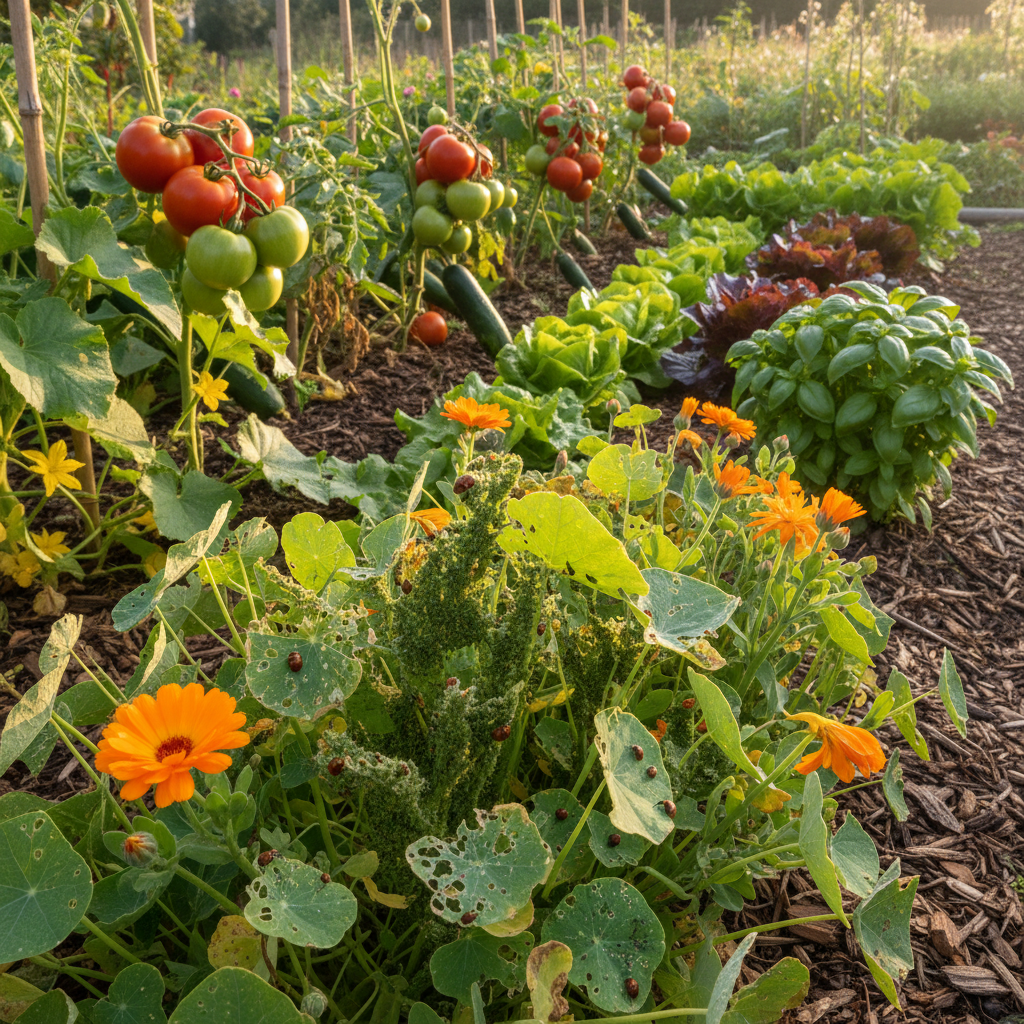
Nasturtiums are aphid magnets that can protect nearby vegetables while adding edible flowers to your harvest. Plant them around the perimeter of lettuce beds, near bean rows, or alongside brassicas. The bright orange and yellow blooms attract aphids like nothing else.
Mustard greens work similarly well, especially for cabbage aphids. A small mustard patch planted upwind from your main brassica bed will intercept many aphids before they reach your cabbage or kale.
Cucumber Beetle Control
Radishes planted around cucumber and squash plants confuse cucumber beetles effectively. The beetles prefer radish leaves early in the season, giving your main crops time to establish strong root systems and develop natural resistance.
Blue Hubbard squash serves as an excellent trap crop for both cucumber beetles and squash bugs. Plant several hills around your garden’s perimeter, then monitor and manage pests on these sacrificial plants rather than your eating squash.
Tomato Pest Solutions
Dill attracts tomato hornworms more effectively than tomato plants themselves. A few dill plants scattered throughout your tomato patch make hornworm hunting much easier-you’ll find most larvae feeding on the dill instead of hiding among tomato foliage.
Four o’clocks (Mirabilis jalapa) work wonderfully for Japanese beetles. These colorful flowers attract beetles away from beans, roses, and other preferred targets while tolerating beetle damage better than most plants.
Strategic Trap Crop Positioning Throughout Your Garden
Placement determines success with trap crops. Random scattering rarely works-you need strategic positioning based on pest behavior and garden layout.
Start by understanding pest movement patterns. Most insects overwinter in garden edges, compost piles, or nearby wild areas. Position trap crops between these overwintering sites and your main vegetables to intercept pests during their spring migration.
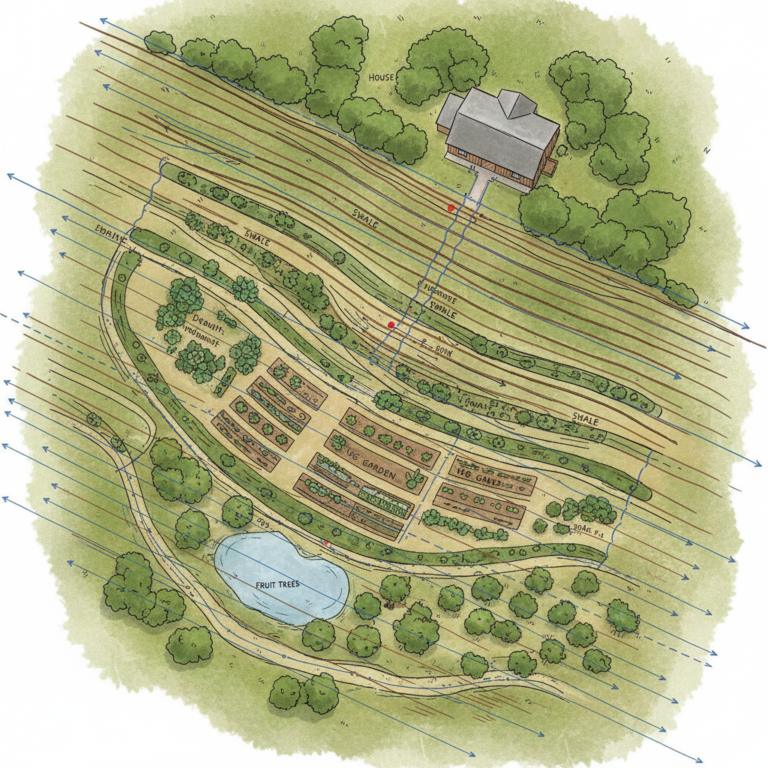
For gardens following microclimate-aware planting plans, integrate trap crops into each zone’s design. Place them where they’ll receive appropriate sun and water while serving their pest-redirecting purpose.
Perimeter Strategy
Plant trap crops around your garden’s outer edges, creating a defensive barrier. This works especially well for mobile pests like cucumber beetles and flea beetles that approach from surrounding areas.
Space trap crops every 10-15 feet along garden borders, ensuring complete coverage without overwhelming your growing space. Remember, you’re creating attractive stopping points, not impenetrable walls.
Interplanting Approach
For smaller gardens or raised beds, interplant trap crops directly among your vegetables. This requires more careful plant selection to avoid competition, but provides targeted protection for specific crops.
For example, plant radish seeds every few feet along cucumber rows, or scatter nasturtium seeds around lettuce plantings. The key is maintaining proper spacing so trap crops don’t overshadow or outcompete your main harvest.
Timing Your Trap Crop Strategy
Successful trap crops require precise timing aligned with pest life cycles and your main crop schedules. Plant too early, and trap crops may bolt or decline before pests arrive. Plant too late, and pests will have already established on your vegetables.
Start most trap crops 1-2 weeks before your main vegetables. This timing ensures they’re actively growing and attractive when pests begin seeking hosts. For continuous protection, succession plant trap crops every 2-3 weeks throughout the growing season.
Cool-season trap crops like radishes and mustard work best for early spring pests, while warm-season options like nasturtiums and marigolds protect against summer insects. Plan your trap crop calendar alongside your regular planting schedule for seamless integration.
Consider connecting this strategy with your broader garden planning by reviewing soil preparation techniques that support both trap crops and main vegetables simultaneously.
Managing and Maintaining Your Pest Decoys
Trap crops aren’t plant-and-forget solutions. They require active management to remain effective throughout the growing season. Regular monitoring helps you understand which crops work best in your specific conditions.
Check trap crops weekly for pest populations. Heavy infestations indicate the strategy is working-pests are choosing trap crops over your vegetables. Light pest pressure might mean repositioning or replanting with more attractive varieties.
When trap crops become heavily infested, you have several options. Remove and compost infected plants before pests reproduce and spread. Alternatively, apply targeted treatments to trap crops only, leaving beneficial insects undisturbed elsewhere in your garden.
Seasonal Cleanup
End-of-season trap crop management prevents pest problems in following years. Remove spent trap crops before they go to seed, especially if they’re heavily infested. This breaks pest life cycles and reduces overwintering populations.
However, don’t remove trap crops that have developed beneficial insect populations. Many trap crops attract predatory insects alongside pests, creating balanced mini-ecosystems that support overall garden health.
Integrating Trap Crops into Permaculture Systems
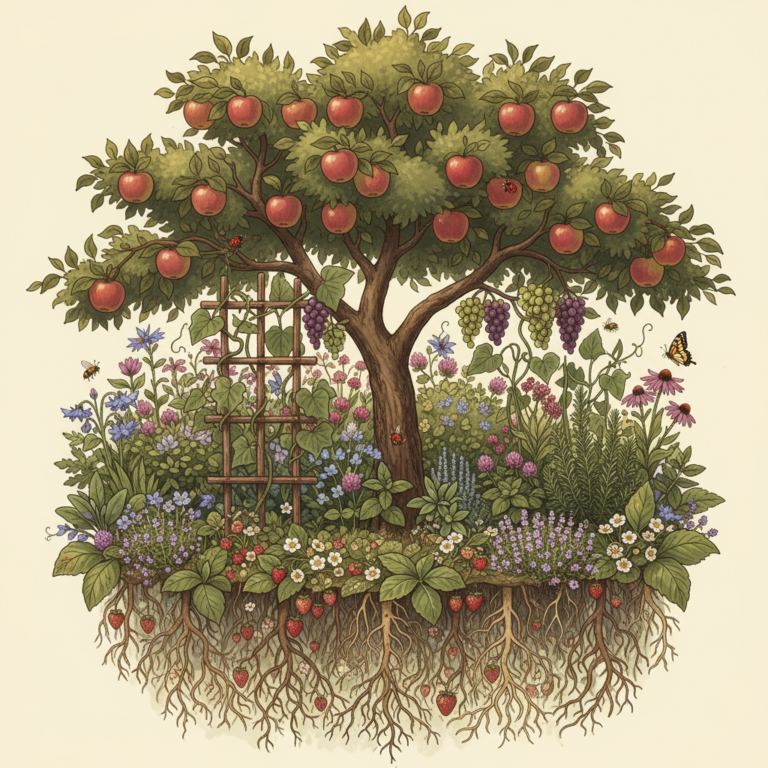
Trap crops fit naturally into layered permaculture gardens where every plant serves multiple functions. Beyond pest control, many trap crops offer additional benefits that strengthen your entire growing system.
Nasturtiums, for instance, serve as trap crops, edible flowers, and climbing ground covers. Radishes break up compacted soil while attracting cucumber beetles. Dill provides herbs for cooking while protecting tomatoes from hornworms.
This multi-functional approach aligns perfectly with permaculture principles of stacking functions and creating productive diversity. As you develop your skills through programs like systematic garden learning, trap crops become valuable components of increasingly sophisticated growing systems.
Your First Steps with Garden Trap Crops
Start small with one or two proven trap crop combinations rather than attempting complex pest management systems immediately. Choose common garden problems you face consistently-aphids on lettuce, cucumber beetles on squash, or hornworms on tomatoes.
Plant a few nasturtiums near your lettuce or some radishes around your cucumber hills. Observe results throughout the season, taking notes on pest behavior and crop performance. This hands-on experience builds confidence and helps you refine techniques for your specific growing conditions.
Remember that trap crops work best as part of integrated pest management rather than standalone solutions. Combine them with beneficial insect habitat, crop rotation, and healthy soil practices for truly effective, sustainable pest control.
As your garden evolves and your skills develop, trap crops become powerful tools for creating productive, balanced growing spaces that work with natural systems rather than fighting against them. The result? Healthier plants, fewer pest problems, and more time enjoying your harvest instead of battling bugs.