Succession Planting Cycles: Time Your Harvests All Season
Imagine walking out to your garden every morning and finding fresh vegetables ready to harvest, from the first spring greens through late fall’s hardy crops. This dream becomes reality when you master succession planting cycles – the strategic timing of plantings that ensures continuous food production throughout your entire growing season.
Rather than planting everything at once and facing feast-or-famine harvests, succession planting cycles create a steady rhythm of abundance. This permaculture approach mimics nature’s own patterns while maximizing your garden’s productivity.
Understanding Succession Planting Cycles
Succession planting involves sowing the same crops at regular intervals throughout the growing season. Instead of planting all your lettuce in April, you plant small amounts every two weeks from March through September. This creates overlapping harvests that keep your table supplied with fresh food.
This strategy works particularly well for fast-growing crops like lettuce, radishes, beans, and herbs. However, even longer-season crops benefit from staggered plantings. For example, planting tomatoes two weeks apart extends your harvest window and provides backup if weather damages early plantings.
The key lies in understanding each crop’s growing time and optimal planting windows. A crop that matures in 45 days planted every two weeks will give you fresh harvests every two weeks once the cycle begins.
Essential Crops for Continuous Succession Planting
Some vegetables are naturals for succession planting cycles because of their quick maturity and continuous productivity. These workhorses of the succession garden include:
Quick turnaround crops (30-45 days) work best for frequent replanting. Lettuce, spinach, arugula, and radishes can be planted every 1-2 weeks. These cool-season favorites thrive in spring and fall, with heat-tolerant varieties extending summer harvests.
Bush beans deserve special attention in any succession plan. Plant them every 2-3 weeks from after the last frost through mid-summer. Each planting provides 2-3 weeks of heavy production, creating a continuous bean harvest through fall.
Herbs like cilantro, dill, and basil bolt quickly in heat, making them perfect for succession planting. Start new plants every 2-4 weeks, choosing bolt-resistant varieties for summer plantings.
Root vegetables including carrots, beets, and turnips can be succession planted every 2-3 weeks. Their storage quality means you can harvest gradually, extending the eating season even further.
Creating Your Seasonal Planting Schedule
Building effective succession planting cycles requires understanding your local growing season and each crop’s preferences. Start by identifying your average last frost date in spring and first frost date in fall – this defines your main growing window.
For detailed guidance on reading your local growing conditions, check out our microclimate-aware planting plan that helps you optimize timing for your specific location.
Spring succession strategy begins 4-6 weeks before your last frost with cold-hardy crops. Plant lettuce, spinach, and peas first, then add radishes and carrots every two weeks. As soil warms, introduce beans and summer crops to your rotation.
Summer succession focuses on heat-tolerant varieties and shorter intervals. Plant lettuce every 10 days using bolt-resistant cultivars. Succession plant beans every 2 weeks, but stop 10-12 weeks before your first expected fall frost to ensure maturity.
Fall succession extends the season with cold-hardy varieties. Begin fall plantings 12-16 weeks before your first frost, depending on the crop. Cool-season vegetables actually improve in flavor after light frosts, making fall succession particularly rewarding.
Advanced Techniques for Maximum Yield
Once you’ve mastered basic succession planting cycles, several advanced techniques can boost productivity and extend harvests even further.
Intercropping with succession maximizes space efficiency. Plant quick-growing crops like radishes between slower crops like tomatoes. The radishes mature and are harvested before the tomatoes need full space, effectively giving you two harvests from one area.
Consider implementing the techniques from our soil diagnostics guide to ensure each succession planting has optimal growing conditions.
Season extension tools amplify succession success. Row covers, cold frames, and hoop tunnels extend planting windows by 4-6 weeks on each end of the season. This means more succession cycles and longer harvest periods.
Variety selection becomes crucial for season-long success. Choose early, mid-season, and late varieties of the same crop. This natural succession complements your planting schedule, creating multiple harvest peaks throughout the season.
Micro-successions work well for herbs and greens. Instead of planting entire rows, plant small amounts every few days. This creates nearly continuous harvests of tender young leaves perfect for salads and garnishes.
Common Mistakes and Solutions in Succession Planting
Even experienced gardeners encounter challenges when implementing succession planting cycles. Understanding these common pitfalls helps you avoid frustration and achieve consistent results.
Over-planting ranks as the most frequent mistake. Enthusiasm leads to planting too much too often, creating overwhelming harvests followed by waste. Start small – plant only what your family can eat in 7-10 days, then adjust based on consumption patterns.
Poor timing derails many succession plans. Planting too late in fall or during peak summer heat leads to crop failure. Track your plantings and results to refine timing for your specific conditions and preferences.
Ignoring soil health between plantings reduces yields and plant health. Fast succession crops deplete soil nutrients quickly. Incorporate compost between plantings and consider cover crop intervals to maintain soil fertility.
Weather disruptions challenge even the best-planned succession cycles. Keep backup seedlings in different stages, use season extension tools, and maintain flexibility in your planting schedule to adapt to unexpected conditions.
Planning Tools and Record-Keeping
Successful succession planting cycles require organization and planning. Simple tools and systems help you stay on track and improve results over time.
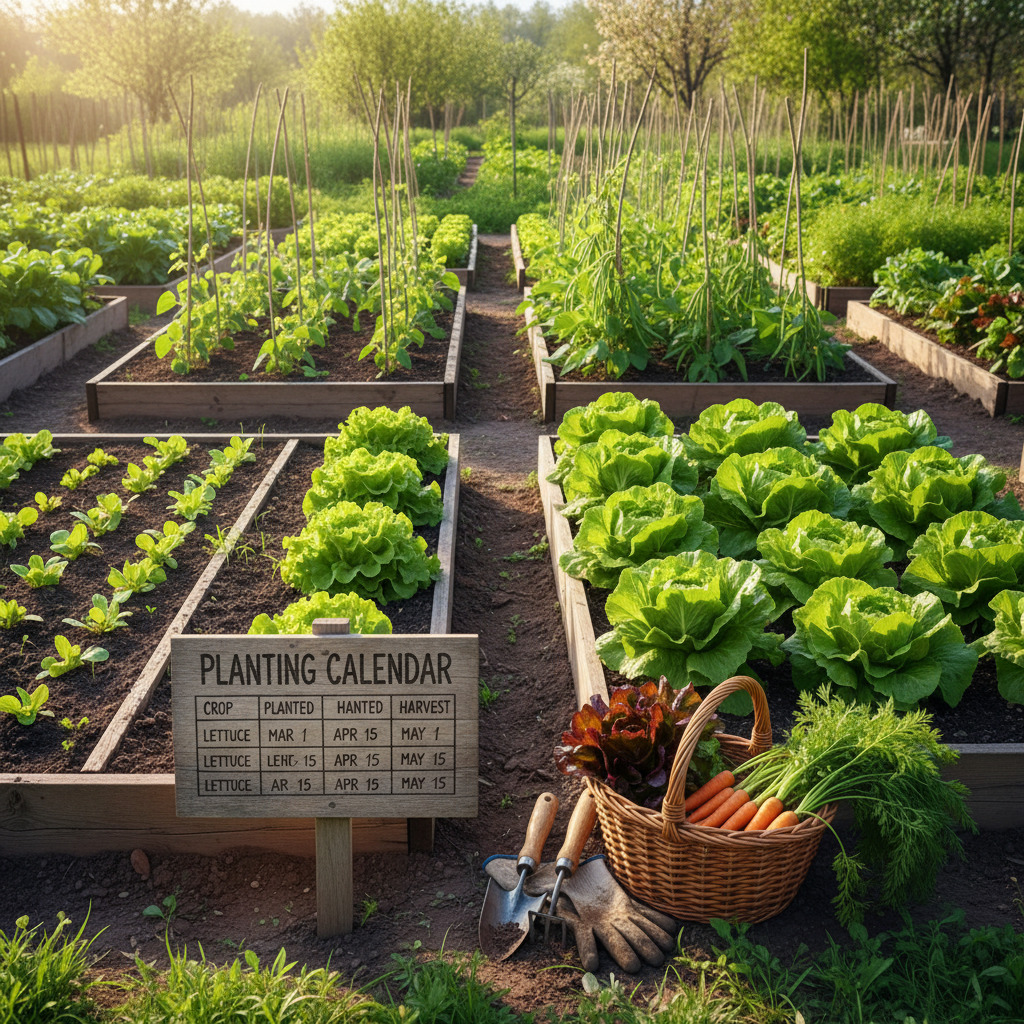
A planting calendar becomes your most valuable tool. Mark planting dates for each crop succession, noting variety, location, and expected harvest dates. Digital calendars work well, but many gardeners prefer physical calendars for quick garden reference.
For comprehensive planning approaches, explore our 8-week garden skill development plan that includes succession planning techniques.
Garden journals capture essential data for improving future seasons. Record planting dates, varieties used, weather conditions, and harvest results. Note which successions worked best and which timing needs adjustment.
Seed inventory management prevents mid-season shortages. Calculate total seed needs for all planned successions at season start. Buy or save enough seed for the entire season, storing properly to maintain viability.
Integrating Succession Cycles with Permaculture Principles
Succession planting cycles align beautifully with core permaculture principles, creating resilient and productive garden ecosystems that work with natural patterns.
The principle of ‘observe and interact’ guides succession timing. Watch your plants and weather patterns closely, adjusting planting intervals based on actual growing conditions rather than rigid schedules.
Diversity in succession plantings creates stability. Plant different varieties of the same crop, stagger planting locations, and include crops with varying maturity dates. This diversity provides insurance against pest problems, weather extremes, and other challenges.
Energy cycling improves with thoughtful succession planning. Fast-growing succession crops can be worked into crop rotation systems, adding organic matter and preventing soil depletion while maintaining continuous production.
Small and slow solutions characterize effective succession systems. Start with one or two crops, master the timing and techniques, then gradually expand. This approach builds confidence and avoids overwhelming yourself with too much complexity.
Start Your Succession Journey Today
Mastering succession planting cycles transforms your garden from a seasonal endeavor into a year-round source of fresh food and satisfaction. The techniques seem complex at first, but they become second nature with practice.
Begin this season by choosing one favorite crop – perhaps lettuce or green beans – and planning three succession plantings spaced two weeks apart. Track your results, adjust timing based on your observations, and expand to additional crops as you gain confidence.
Remember that every garden and gardener is unique. Your succession planting cycles will evolve as you learn your land, your climate, and your family’s eating preferences. Embrace this learning process as part of the joy of gardening.
With thoughtful planning and consistent implementation, succession planting cycles will provide you with continuous harvests, reduced waste, and the deep satisfaction of eating fresh food from your garden throughout the entire growing season.