Nitrogen Fixing Plants: Underground Allies for Soil Health
When most gardeners think about nitrogen fixing plants, beans and peas immediately come to mind. However, nature’s soil-building team extends far beyond these familiar legumes. Hidden beneath the surface and spread across all seven forest layers, dozens of lesser-known nitrogen fixers are quietly transforming poor soil into fertile ground.
These underground allies work around the clock, partnering with beneficial bacteria to capture atmospheric nitrogen and deposit it directly into your soil. By understanding and strategically placing these plants, you can create a self-sustaining ecosystem that feeds itself while feeding your family.
Understanding How Nitrogen Fixing Plants Transform Soil
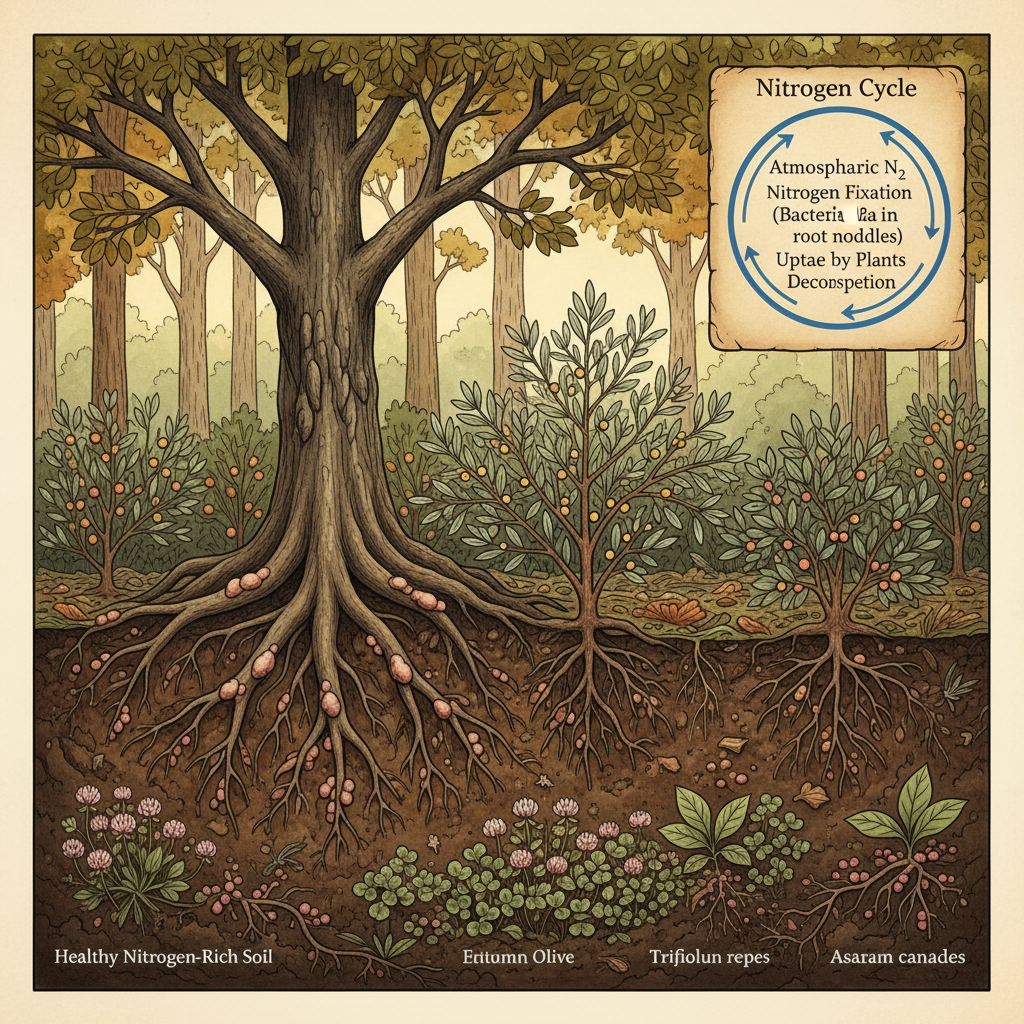
Nitrogen fixers form symbiotic relationships with specialized bacteria called rhizobia. These microscopic partners colonize root nodules and convert atmospheric nitrogen into ammonia, which plants can readily use. When plant roots decompose or when you prune nitrogen-fixing shrubs, this captured nitrogen becomes available to neighboring plants.
This natural process eliminates the need for synthetic fertilizers while building long-term soil health. Moreover, many nitrogen fixers offer additional benefits like erosion control, wildlife habitat, and even food production.
Forest Layer Champions: Strategic Nitrogen Fixing Plants Placement
Canopy Layer: Nitrogen-Rich Tree Partners
Black locust (Robinia pseudoacacia) stands as the heavyweight champion of nitrogen-fixing trees. This fast-growing hardwood can fix up to 150 pounds of nitrogen per acre annually while providing valuable timber and fragrant flowers for pollinators.
Kentucky coffee tree and honey locust offer similar benefits with the added advantage of edible pods. Plant these on the north side of your garden to avoid shading shorter crops.
Understory Layer: Shrub Powerhouses
Autumn olive (Elaeagnus umbellata) deserves special attention for its exceptional soil-building capabilities. This hardy shrub tolerates poor soils and extreme weather while producing vitamin C-rich berries. Russian olive and silverberry belong to the same family and offer similar benefits.
Goumi (Elaeagnus multiflora) provides another excellent option, especially in smaller spaces. Its compact growth habit and delicious fruit make it perfect for edible landscaping projects.
Vine Layer: Climbing Soil Builders
American groundnut (Apios americana) climbs supports while fixing nitrogen and producing protein-rich tubers. This native vine thrives in partial shade and moist conditions, making it ideal for challenging garden spots.
Kudzu, despite its invasive reputation in some regions, can serve as a controlled nitrogen fixer when properly managed in appropriate climates.
Ground Level Heroes: Cover Crops and Perennial Partners
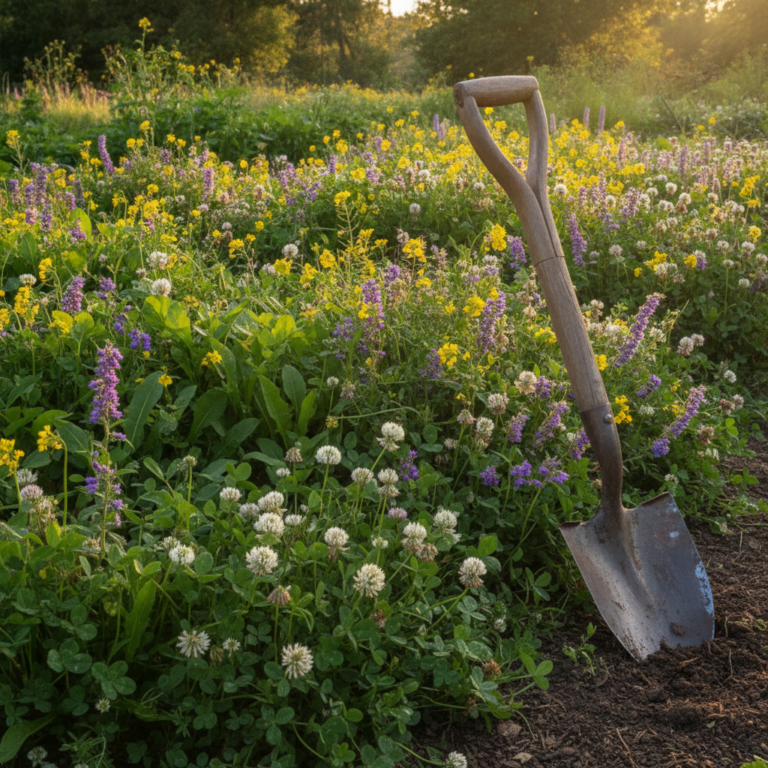
Beyond traditional clover, numerous ground-hugging nitrogen fixing plants can revolutionize your soil health strategy.
Perennial Ground Covers
Wild ginger (Asarum canadense) might surprise you as a nitrogen fixer. This shade-loving native creates dense carpets under trees while quietly improving soil fertility. Its heart-shaped leaves provide excellent ground coverage and suppress weeds effectively.
Crown vetch and bird’s-foot trefoil offer more aggressive ground coverage options for larger areas or slopes requiring erosion control.
Annual Cover Crops with Lasting Impact
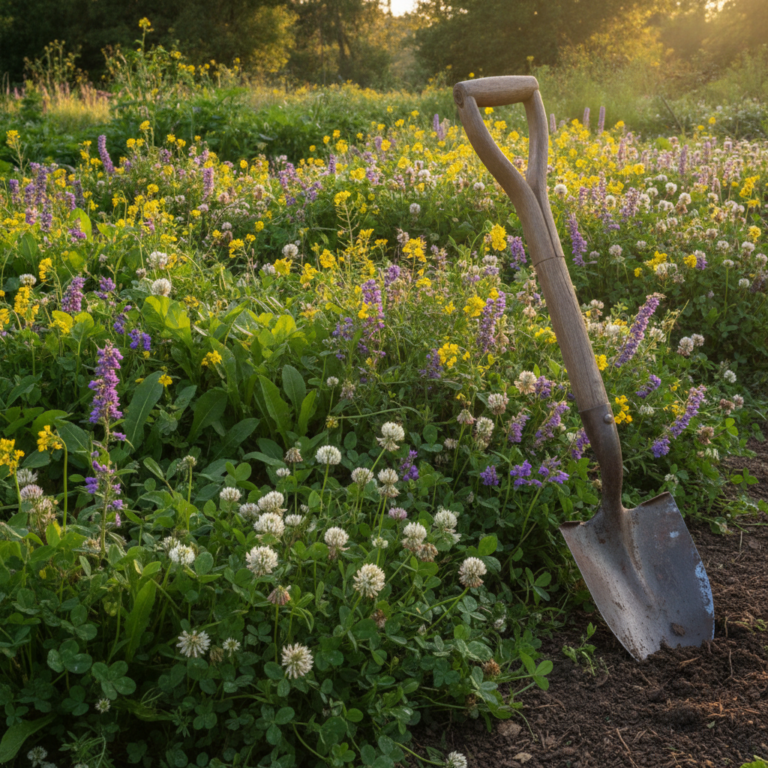
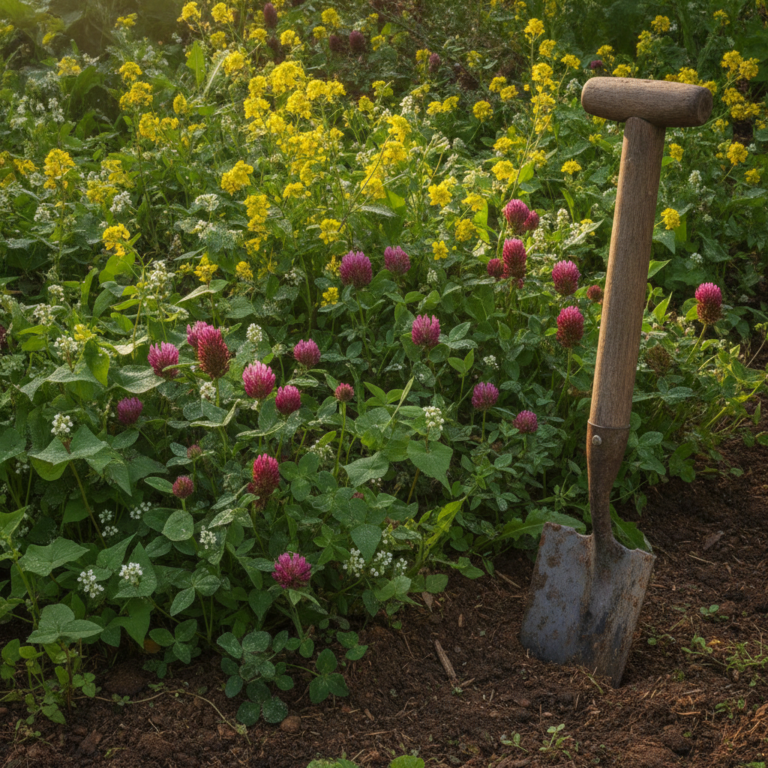
Crimson clover provides spectacular spring blooms while building soil for summer crops. Austrian winter peas survive harsh winters and break down quickly when tilled in spring.
Hairy vetch deserves special mention for its ability to climb neighboring plants without overwhelming them. This vigorous nitrogen fixer can add substantial organic matter to your soil when incorporated.
Understanding your garden’s specific needs becomes crucial when selecting cover crops. Our guide on reading your soil without expensive lab tests can help you choose the most effective nitrogen-fixing partners.
Root Layer: Underground Nitrogen Factories
Many root vegetables and tubers also fix nitrogen while producing food.
Groundnut tubers provide both protein and soil improvement. These climbing vines produce chains of edible tubers underground while their roots host nitrogen-fixing bacteria above.
Wild leek and ramps, while not true nitrogen fixers themselves, often grow in association with nitrogen-fixing plants and can indicate healthy soil biology.
Strategic Placement for Maximum Soil Building Impact
Successful nitrogen fixer placement requires understanding your garden’s unique conditions and growth patterns.
Creating Nitrogen Zones
Position nitrogen fixers strategically around heavy-feeding crops like tomatoes, corn, and brassicas. Plan for a 3-4 foot radius of influence around larger nitrogen-fixing shrubs and trees.
Consider seasonal timing when planning placements. Fast-growing annual nitrogen fixers can occupy spaces before and after main crops, while perennial varieties provide year-round soil building.
Companion Planting Strategies
Integrate nitrogen fixers into existing garden beds rather than isolating them in separate areas. Intermingle clover with strawberries, plant goumi near fruit trees, and establish groundnut colonies along fence lines.
This integrated approach maximizes soil contact and ensures nitrogen distribution throughout your growing space. For beginners looking to develop these skills systematically, our 4-week skill-building plan provides structured guidance.
Maintenance and Management Tips
Most nitrogen fixing plants require minimal maintenance once established, but strategic management maximizes their soil-building potential.
Pruning for Nitrogen Release
Regular pruning of nitrogen-fixing shrubs releases captured nitrogen into surrounding soil. Prune autumn olive and goumi after fruiting, leaving pruned material as mulch around nearby plants.
Chop-and-drop techniques work particularly well with fast-growing species like black locust suckers and comfrey leaves.
Rotation and Renewal
Annual nitrogen fixers benefit from rotation to prevent disease buildup and maintain soil biology diversity. Rotate between different legume families and include non-legume nitrogen fixers in your succession planning.
Perennial nitrogen fixers may need replacement every 10-15 years as their nitrogen-fixing capacity naturally declines with age.
For those interested in expanding their nitrogen-fixing strategy into a complete food forest system, our guide to creating microforests in small spaces offers detailed implementation strategies.
Troubleshooting Common Challenges
Even the most robust nitrogen fixers can face establishment challenges in certain conditions.
Poor Initial Growth
Newly planted nitrogen fixers may struggle in severely depleted soils. Inoculating seeds and transplants with appropriate rhizobia bacteria dramatically improves establishment success rates.
Most garden centers carry legume inoculants, but ensure you match the inoculant type to your specific plants for optimal results.
Invasive Behavior
Some nitrogen fixers can become overly aggressive in ideal conditions. Monitor autumn olive and kudzu carefully, harvesting excess growth regularly to maintain garden balance.
Choose native nitrogen fixers when possible to minimize ecosystem disruption while maximizing soil benefits.
Building a thriving ecosystem with diverse nitrogen fixing plants transforms your garden into a self-sustaining paradise. These underground allies work tirelessly to improve your soil while reducing your dependence on external inputs. Start small with one or two species that match your climate and space, then expand your nitrogen-fixing network as you gain experience and confidence.
Remember that successful permaculture design builds complexity gradually. Focus on establishing strong foundational plantings first, then add layers of diversity as your system matures. Your soil—and your future harvests—will thank you for this investment in natural soil fertility.